
Understanding the Importance of Proper Drying and Curing
Proper drying and curing is a fundamental step in the auto-painting process that significantly impacts the durability and overall quality of the paint job. It is essential to understand the importance of this stage to ensure long-lasting and professional-looking results.
Drying refers to the process of removing moisture from the paint, allowing it to become solid and form a protective layer on the vehicle’s surface. Curing, on the other hand, involves the chemical reactions that take place within the paint film, resulting in its hardening and increased resistance to wear and tear. Adequate drying and curing times are crucial for achieving optimal adhesion, color retention, and gloss level.
Neglecting proper drying and curing can lead to various issues, compromising the longevity and appearance of the paint job. Insufficient drying time can result in paint runs and sags, where excess paint accumulates and drips down the surface. Orange peel texture, characterized by a bumpy and uneven finish resembling the skin of an orange, may occur if the paint is not allowed to dry and level properly.
Moreover, surface imperfections like fish eyes can arise when contaminants, such as oil or silicone, interfere with the drying process. These imperfections appear as small circular or elliptical depressions in the paint film, affecting its smoothness and overall aesthetic appeal. It is crucial to address these common paint defects and take necessary measures to prevent them from occurring through proper drying and curing techniques. In the next section, stay tuned to learn more about techniques for ensuring adequate drying and curing times.
The Role of Proper Drying and Curing in Auto Paint Durability
Proper drying and curing techniques play a crucial role in determining the durability of auto paint. After the application of paint, it is essential to give it sufficient time to dry and cure before exposing the vehicle to external factors. Failure to ensure proper drying and curing can lead to a range of issues such as premature paint failure, reduced longevity, and an increased susceptibility to damage.
Drying refers to the process of evaporating the solvents from the applied paint, allowing it to solidify. When paint is applied, solvents are present within the liquid mixture. These solvents need to evaporate completely for the paint to dry effectively. Insufficient drying time can result in uneven texture, color variations, and poor adhesion between the paint layers. On the other hand, curing involves the chemical reaction that occurs within the paint after it has dried. This reaction allows the paint to harden and strengthen, enhancing its resistance to environmental factors such as UV rays, moisture, and temperature fluctuations.
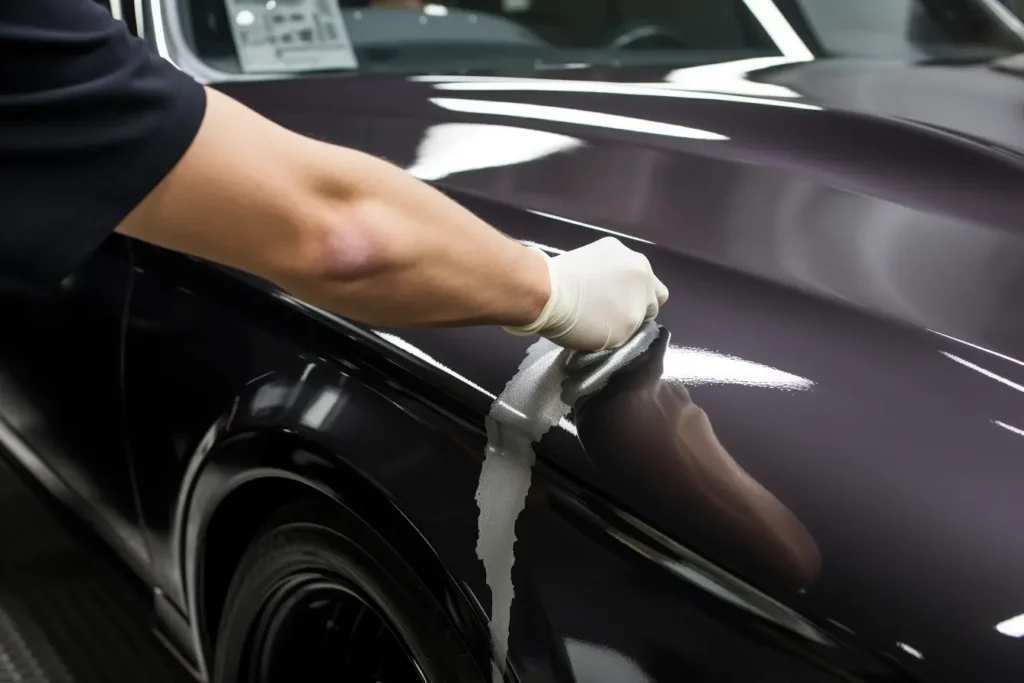
To ensure proper drying and curing, it is vital to follow recommended techniques. This includes providing adequate ventilation to facilitate the evaporation of solvents, controlling humidity levels, and maintaining an optimal temperature during the drying process. Additionally, adhering to the recommended drying and curing times specified by the paint manufacturer is crucial to achieve optimal paint durability. By giving the paint ample time to dry and cure, you can significantly enhance the longevity and protection of the auto paint, resulting in a visually appealing and resilient finish.
Techniques for Ensuring Adequate Drying and Curing Times
One of the most crucial steps in achieving a high-quality auto paint job is ensuring proper drying and curing times. This process not only contributes to the longevity and durability of the paint but also enhances its appearance. To ensure adequate drying and curing, it is essential to follow specific techniques that promote optimal conditions for the paint to cure thoroughly.
Firstly, proper ventilation is vital during the drying and curing process. Ensuring a well-ventilated workspace helps in expediting the drying time and prevents any potential issues related to humidity or trapped fumes. Adequate airflow aids in the evaporation of solvents, allowing the paint to cure uniformly and reducing the risk of imperfections such as bubbling or blistering. Additionally, proper ventilation helps to eliminate any potential health hazards associated with inhaling harmful fumes.
Secondly, maintaining the prescribed temperature and humidity levels is critical for achieving optimal drying and curing. Different paint products may have specific temperature and humidity requirements; therefore, referring to the manufacturer’s guidelines is essential. Deviating from the recommended conditions can lead to improper curing or extended drying times, negatively impacting the final result. Utilizing temperature and humidity control tools, such as heaters or dehumidifiers, can help maintain the ideal environment necessary for the paint to dry and cure effectively.
By employing these techniques and creating the appropriate conditions for drying and curing, auto paint professionals can ensure the best possible results. Carefully considering and implementing these steps contribute to the overall quality and longevity of the paint job, preventing common issues such as peeling, cracking, or premature wear. Ultimately, prioritizing proper drying and curing times sets the foundation for a flawless, durable finish that exceeds customer expectations.
Dealing with Common Paint Issues and Defects
Painting a vehicle requires skill and attention to detail, but even the most experienced painters can encounter common issues and defects during the process. One such challenge is paint runs and sags, which can occur when too much paint is applied or when the paint is not properly leveled. These imperfections can mar the smooth finish of the paint job and diminish the overall aesthetic appeal. It is crucial, therefore, to identify and fix any paint runs or sags before the paint dries and cures completely.
Another common problem that painters may encounter is orange peel, a texture issue that resembles the skin of an orange. Orange peel can occur due to a variety of factors, such as improper paint viscosity, incorrect spray gun settings, or improper technique. This texture issue can be quite noticeable and can significantly affect the appearance of the finished paint job. Addressing orange peel requires a careful assessment of the potential causes and implementing the appropriate corrective measures. By using techniques such as adjusting the spray gun settings, improving spraying technique, or using specialized products, it is possible to reduce or eliminate orange peel and achieve a smoother, more professional-looking finish.
In addition to paint runs, sags, and orange peel, surface imperfections and fish eyes can also pose challenges for painters. Surface imperfections, such as dirt, dust, or debris, can become trapped in the wet paint, resulting in unsightly blemishes in the finish. On the other hand, fish eyes are small circular craters that can form when incompatible substances come into contact with the paint, causing the surface tension to break. Both surface imperfections and fish eyes can detract from the overall appearance of the paint job and require prompt attention and correction.
Dealing with these common paint issues and defects requires a combination of technical knowledge, skill, and attention to detail. By understanding the causes of paint runs, sags, orange peel, surface imperfections, and fish eyes, painters can employ the appropriate techniques to address these challenges and achieve a flawless finish. By taking the time to diagnose and fix these issues properly, painters can ensure that their paint jobs meet the highest standards of quality and customer satisfaction.
- • Paint runs and sags can occur when too much paint is applied or when the paint is not properly leveled.
- • These imperfections can mar the smooth finish of the paint job and diminish aesthetic appeal.
- • It is crucial to identify and fix any paint runs or sags before the paint dries and cures completely.
- • Orange peel, a texture issue resembling the skin of an orange, can occur due to factors like improper viscosity or incorrect spray gun settings.
- • Addressing orange peel requires assessing potential causes and implementing corrective measures such as adjusting spray gun settings or improving technique.
- • Surface imperfections like dirt, dust, or debris trapped in wet paint can result in unsightly blemishes in the finish.
- • Fish eyes are small circular craters that form when incompatible substances come into contact with the paint, breaking surface tension.
- • Both surface imperfections and fish eyes require prompt attention and correction to maintain a flawless finish.
Identifying and Fixing Paint Runs and Sags
Paint runs and sags are common issues that can occur during the auto painting process, and they can be frustrating to deal with. Identifying these imperfections is the first step towards fixing them and achieving a flawless finish on your vehicle.
When it comes to identifying paint runs, they are characterized by visible drips or “curtains” of excess paint that form along the painted surface. These are usually caused by excessive paint application or improper technique. Sags, on the other hand, appear as thick and uneven patches of paint that create a sagging effect on the surface. This can occur when the paint is applied too heavily or when it is not properly leveled after application.
It is important to address the issue to fix paint runs and sags as soon as it is identified. The excess paint can be carefully removed using a razor blade or a fine-grit sandpaper. It is essential to be cautious during this process to avoid damaging the surrounding areas. Once the excess paint has been removed, the affected area can be sanded down and leveled using progressively finer grit sandpaper. This smooths out the imperfections and prepares the surface for further paint application or polishing.

Addressing Orange Peel and Other Texture Issues
Orange peel is a common texture issue that can affect the appearance of auto paint finishes. It refers to a bumpy or textured surface resembling an orange’s skin. This imperfection can occur due to various factors, such as improper spray techniques, incorrect paint viscosity, or inadequate drying and curing times.
It is crucial to start by identifying the root cause to address orange peel and other texture issues. This may involve assessing the spray techniques, paint application process, and environmental conditions during drying and curing. Once the cause is determined, appropriate measures can be taken to rectify the issue. This may include adjusting the spray pressure, using the correct paint viscosity, or ensuring adequate drying and curing times. By addressing these factors, achieving a smooth and flawless paint finish is possible, enhancing the overall aesthetic appeal and durability of the auto paint.
Tackling Surface Imperfections and Fish Eyes
Surface imperfections and fish eyes can be a frustrating occurrence for auto painters. These issues can mar the finish of a perfectly painted surface and create a less-than-desirable appearance. Tackling these imperfections requires a keen eye for detail and the right techniques.
One of the most common causes of surface imperfections is contamination. Dust particles, debris, or even oils can find their way onto the surface during painting, causing imperfections to form. To tackle these issues, it is crucial to ensure that the painting area is clean and free from any potential contaminants. This can be achieved by using a clean and lint-free cloth to wipe down the surface and utilizing an air compressor or dust removal system to eliminate any particles in the air.
Another common issue faced by auto painters is fish eyes. These small, crater-like imperfections can occur when there is a lack of adhesion between the paint and the surface. To tackle fish eyes, it is important to properly clean and degrease the surface before painting. Additionally, using a high-quality primer or adhesion promoter can help create a strong bond between the paint and the surface, minimizing the occurrence of fish eyes.

The Art of Buffing and Polishing
Buffing and polishing are essential steps in the auto-painting process that can make all the difference in achieving a smooth, glossy finish. These techniques are used to refine the painted surface, remove imperfections, and enhance the vehicle’s overall appearance. However, mastering the art of buffing and polishing requires skill, precision, and the right tools.
To begin, it is important to understand the difference between buffing and polishing. Buffing refers to the process of using a buffing pad or wheel along with a compound or polish to remove scratches, oxidation, and other surface defects. On the other hand, polishing is the final step that involves using a polishing pad or cloth to enhance the shine and bring out the luster of the paint.
Using high-quality buffing and polishing compounds is crucial for achieving professional results. These compounds are specially formulated to remove defects and enhance the clarity of the paint effectively. They come in different levels of abrasiveness, allowing you to choose the right one for the specific needs of your project. Following the manufacturer’s instructions and using the appropriate compound for your paint type is important to avoid any potential damage.
Additionally, investing in the right buffing and polishing tools is essential. A quality buffing machine equipped with different pads and accessories will make the process more efficient and ensure an even finish. Choosing the right pad and adjusting the machine’s speed is important to avoid overheating or burning the paint surface. With the right tools and techniques, you can achieve a flawless finish that will leave your vehicle looking like it just rolled out of the showroom.
Differentiating Between Buffing and Polishing
Buffing and polishing are two distinct processes in the auto detailing industry, though they are often used interchangeably by individuals unfamiliar with the trade. Both techniques aim to improve the appearance of a vehicle’s paintwork, but they have different purposes and outcomes.
Buffing involves using a buffing pad and a specifically formulated compound to remove light scratches, swirl marks, and other minor imperfections from the surface of the paint. It is a more aggressive process and is typically used when the paint has moderate defects that require correction. Buffing not only improves the overall appearance of the vehicle, but it also enhances its gloss and shine.
On the other hand, polishing is a milder process that focuses on enhancing the shine and refinement of the paintwork. Polishing involves using a softer pad and a less abrasive polish to remove fine scratches, oxidation, and other surface contaminants. It is the final step in the detailing process after correcting all major defects. Polishing helps to bring out the full potential of the paint, leaving it smooth, glossy, and free of any haze or dullness.
It is essential to differentiate between buffing and polishing to ensure that the right technique is applied for the particular paint condition. While buffing is more aggressive and corrective, polishing is a final step meant to refine and enhance the paintwork. Professional detailers can effectively address paint defects and achieve stunning results by understanding the distinction between the two techniques.
Drying and curing
Proper drying and curing are essential steps in the auto painting process that directly impact the finished product’s durability. When paint is applied to a vehicle’s surface, it contains solvents and moisture that need to evaporate and escape before achieving optimal hardness and adhesion. Rushing or skipping these crucial stages can result in less durable paint that is prone to chipping, peeling, and fading.
To ensure adequate drying and curing times, following the manufacturer’s instructions for the specific paint and application technique is crucial. Factors such as temperature, humidity, and ventilation also play a significant role in drying. Creating an ideal environment with controlled temperature and proper air circulation can optimize drying times and promote uniform drying across the painted surface. Additionally, using moisture meters or other drying assessment tools can help confirm that the paint has fully dried before moving on to the next step. Taking these precautions and allocating sufficient time for drying and curing will result in a more durable and long-lasting auto paint finish.
FAQs
Why is proper drying and curing important in auto paint jobs?
Proper drying and curing ensure the longevity and durability of the auto paint. It helps prevent issues like peeling, cracking, or fading.
What is the difference between drying and curing in auto painting?
Drying refers to the evaporation of solvents, while curing involves the chemical reactions that create cross-linking and hardening of the paint film.
How long should I let the paint dry and cure before using my vehicle?
The recommended drying and curing times vary depending on the type of paint and environmental conditions. It’s best to follow the manufacturer’s instructions for specific guidance.
How does proper drying and curing affect the durability of auto paint?
Proper drying and curing ensure that the paint forms a strong bond with the surface, increasing its resistance to damage from UV rays, chemicals, and general wear and tear.
Can I skip the drying and curing process to save time?
Skipping or rushing the drying and curing process can negatively impact the paint’s durability and lead to various issues. It’s crucial to allow sufficient time for proper drying and curing.
What can I do to ensure the paint dries and cures properly?
Some techniques to ensure adequate drying and curing times include controlling the temperature and humidity levels, providing proper ventilation, and following the recommended drying times.
Can I use a paint drying or curing accelerator to speed up the process?
While accelerators may shorten the drying and curing times, it’s essential to use them cautiously as they can affect the quality and longevity of the paint job. Consult with a professional before using any accelerators.
How can I fix paint runs and sags?
Fixing paint runs and sags involves sanding down the affected area, applying additional coats if needed, and ensuring proper drying and curing times between each application.
What causes orange peel texture on the painted surface, and how can it be fixed?
Orange peel texture is typically caused by incorrect spray gun setup or technique. It can be fixed by wet sanding and buffing the surface to achieve a smooth finish.
How can I address surface imperfections and fish eyes in the paint job?
Surface imperfections and fish eyes can be addressed by thoroughly cleaning the surface, sanding and filling any imperfections, and using appropriate primers and paints.
What is the difference between buffing and polishing?
Buffing is the process of removing a thin layer of the paint to smooth out imperfections, while polishing is the act of enhancing the gloss and shine of the paint surface.
How often should I buff and polish my vehicle’s paint?
The frequency of buffing and polishing depends on various factors like the condition of the paint and personal preference. It’s generally recommended to do it once or twice a year to maintain the paint’s appearance.