
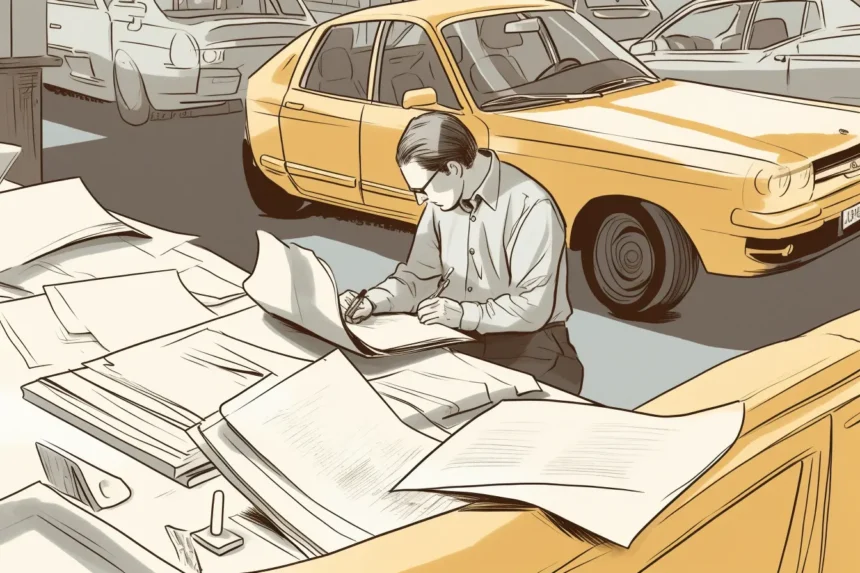
Understanding the Scope: Assessing the Complexity of Your Auto Body Repair Needs
When faced with the need for auto body repairs, it is crucial to first assess the complexity of the repairs required. This involves carefully examining the extent of the damage and identifying the specific areas that need attention. Some repairs may be relatively simple, such as fixing minor scratches or dents, while others may involve more intricate work, such as panel replacement or frame straightening. By understanding the scope of the repairs needed, you can better determine whether your skills and resources align with the demands of the job.
Assessing the complexity of your auto body repair needs requires a keen eye for detail and a thorough understanding of automotive structures. It is important to carefully consider factors such as the type and extent of damage, the accessibility of the damaged area, and the level of expertise required to execute the repairs effectively. While some repairs may be within your capabilities as a do-it-yourselfer, others may necessitate the skills and experience of a professional auto body technician. Ultimately, accurately gauging the complexity of your auto body repair needs will help you make an informed decision on how to proceed.
Evaluating Time and Skill: Determining if DIY Repair is Realistic for Your Auto Body Work
To determine the feasibility of undertaking DIY auto body repair, it is essential to assess the time and skill required for such a task. Auto body repair is not a simple endeavor; it demands a certain level of expertise and experience to achieve satisfactory results. The process involves various steps, such as dent removal, sanding, priming, painting, and polishing, all of which require precision and attention to detail.
Consider the time commitment required for DIY auto body work. It is crucial to recognize that this is not a weekend project; it can take weeks or even months to complete, depending on the extent of the damage and the complexity of the repairs needed. Properly repairing auto body damage is a time-consuming process that demands patience and diligence. Additionally, acquiring the necessary skills to perform these repairs proficiently takes time and practice. Mistakes made during DIY repair can result in further damage, leading to more time and expenses to rectify the situation. Therefore, it is vital to honestly evaluate whether you possess the time and dedication required for the task at hand.
The Cost Factor: Comparing the Financial Implications of DIY Repair versus Professional Services
When it comes to auto body repair, one of the factors that weigh heavily on decision-making is the cost involved. When considering whether to undertake a DIY repair or hire professional services, it is essential to analyze the financial implications carefully. DIY repair may seem more cost-effective at first glance, as it eliminates the need to pay for labor. However, it is crucial to consider the cost of materials, tools, and equipment required for the job. Acquiring these items can add up quickly, especially if they are not already available in your toolbox. Moreover, in the case of a mistake during the repair process, additional costs may arise to rectify or undo any damage caused. On the other hand, professional services may appear more expensive upfront, but they often come with the assurance of quality workmanship, saving you from potential costly mistakes in the long run. It is essential to evaluate your budget and weigh the financial implications carefully before deciding which route to take for your auto body repair needs.
Aside from the direct costs, it is essential to consider the value of time and skill when comparing DIY repair with professional services. Undertaking a DIY repair requires significant research, planning, and execution, which can be time-consuming and challenging for individuals without prior experience in auto body repair. This is especially true if you consider that you may have to spend additional time and money if the repair does not meet your expectations or if mistakes are made along the way. On the other hand, professional services offer expertise and efficiency, as experienced technicians have the necessary skills, knowledge, and tools to complete the repair efficiently. By entrusting your auto body repair to professionals, you can save time and energy, allowing you to focus on other aspects of your life while ensuring a higher probability of satisfactory results. Considering both the cost of your time and skill level is vital when assessing the financial implications of DIY repair versus professional services.
Quality Considerations: Analyzing the Potential Outcomes of DIY Repair versus Professional Workmanship
The quality of the outcome is a crucial factor to consider when deciding whether to attempt a DIY auto body repair or opt for professional workmanship. DIY repairs may seem cost-effective and tempting, but they can potentially yield subpar results. Without the necessary expertise, tools, and experience, the final outcome may fall short of professional standards.
Professional workmanship, on the other hand, guarantees a high level of quality and precision. Skilled technicians have undergone extensive training and possess the knowledge and expertise required to deliver superior results. They are equipped with specialized tools and equipment that enable them to perform intricate repairs with accuracy and efficiency. Investing in professional services ensures that your vehicle receives the best possible care, resulting in a flawless finish that not only looks great but also ensures the longevity and durability of the repair.
Safety First: Identifying the Importance of Professional Expertise in Auto Body Repair
When it comes to auto body repair, safety should always be the foremost concern. While do-it-yourself (DIY) enthusiasts may be tempted to tackle these repairs themselves, it is important to recognize the importance of professional expertise in this field.
Auto body repair involves working with potentially hazardous materials and intricate systems, such as airbags and electrical components. Professional technicians undergo extensive training and certification to ensure they have the knowledge and skills to handle these complexities safely. They have a deep understanding of safety protocols, including proper handling and disposal of materials, as well as the use of personal protective equipment. By entrusting your auto body repair to a professional, you can have peace of mind knowing that the work is being done by someone who prioritizes safety above all else.
Tools and Equipment: Assessing the Availability and Effectiveness of DIY Tools versus Professional-grade Equipment
One of the key factors to consider when deciding between DIY auto body repair and seeking professional help is the availability and effectiveness of the tools and equipment. DIY enthusiasts often rely on a range of tools available in the market specifically designed for automotive repairs. While these tools can be useful for simple tasks such as dent removal or minor paint touch-ups, they may lack the precision and durability of professional-grade equipment.
Professional auto body repair shops, on the other hand, invest heavily in high-quality tools and equipment to ensure the best possible results. These tools are often designed to handle a wide range of repair challenges, from structural repairs to intricate paintwork. The precision and reliability of professional-grade equipment can greatly contribute to the overall quality of the repair job. Therefore, when assessing the availability and effectiveness of tools and equipment, it is essential to weigh the limitations of DIY tools against the comprehensive capabilities of professional-grade equipment.
- • DIY tools available in the market are designed for basic tasks such as dent removal or minor paint touch-ups
- • Professional-grade equipment is specifically designed to handle a wide range of repair challenges
- • DIY tools may lack precision and durability compared to professional-grade equipment
- • Professional auto body repair shops invest heavily in high-quality tools and equipment for best results
- • The precision and reliability of professional-grade equipment contribute to the overall quality of the repair job.
Warranty and Insurance: Exploring the Implications of DIY Repair on Vehicle Warranty and Insurance Coverage
When it comes to DIY auto body repair, one important factor to consider is the potential implications on your vehicle warranty and insurance coverage. Most vehicle warranties specify that repairs should be performed by authorized professionals using approved parts and methods. By attempting to repair your car yourself, you may risk voiding your warranty, leaving you responsible for any future repairs or expenses. Additionally, insurance companies may have specific requirements for coverage, and performing DIY repairs may not meet their standards. In the event of an accident or damage claim, your insurance company may deny coverage if they determine that the repairs were not done by professionals.
It is crucial to carefully review your vehicle warranty and insurance policy before attempting any DIY repairs. Consider contacting your warranty provider and insurance company to understand their guidelines and requirements. In some cases, they may provide a list of authorized repair shops or recommend professional technicians who can perform the necessary repairs. Ultimately, the decision to attempt DIY repairs or seek professional help should be based on an informed understanding of how it may impact your warranty and insurance coverage.
The Learning Curve: Weighing the Time and Effort Required to Acquire DIY Auto Body Repair Skills
Acquiring the necessary skills for DIY auto body repair requires a significant investment of time and effort. Unlike professional technicians who undergo extensive training and gain hands-on experience, individuals venturing into the world of DIY repair are often starting from scratch. Learning the intricacies of auto body work, from dent removal to paint matching, may involve hours of research and practice. It is crucial to understand that becoming proficient in this field is not an overnight achievement. It demands a commitment to thorough learning and a continuous desire for improvement.
The learning curve for DIY auto body repair can vary depending on several factors. These include the individual’s previous knowledge and experience, the complexity of the repairs desired, and the available resources for learning. While some may find themselves quickly grasping the fundamentals and advancing steadily, others may face greater challenges and a steeper learning curve. It’s important to consider whether the investment of time and effort required to become proficient in DIY auto body repair aligns with one’s goals and priorities. For those seeking immediate results or lacking the necessary dedication, seeking professional help may be a more viable option.
Factors Affecting Decision Making: Considering Personal Preferences and Resources for Auto Body Work
Factors Affecting Decision Making: Considering Personal Preferences and Resources for Auto Body Work
When it comes to making decisions regarding auto body repair, personal preferences and available resources play a significant role. Some individuals may have a strong inclination towards taking matters into their own hands, preferring the challenge and satisfaction of tackling a repair project themselves. However, it is crucial to consider whether the necessary skills, time, and equipment are readily available before embarking on a DIY repair journey.
Personal resources, including time and skill levels, must be carefully assessed before making a decision. Undertaking auto body repairs requires a certain level of expertise and experience, as even minor mistakes can have dire consequences. Reflecting on one’s own capabilities and knowledge can help determine if a DIY approach is realistic or if seeking professional assistance is the wiser choice. Additionally, the amount of time available to devote to the repair project should be taken into consideration, as it may take significantly longer for an amateur to complete the work compared to a skilled professional.
When to Seek Professional Help: Recognizing the Limitations and Necessity of Expertise in Auto Body Repair
Recognizing the limitations and necessity of expertise in auto body repair is a critical aspect of ensuring the best possible outcome for your vehicle. While some minor repairs can be successfully completed through DIY efforts, it is important to understand when the task at hand exceeds your knowledge, skills, and capabilities. Professional help should be sought when dealing with complex repairs or if you lack the necessary tools and equipment to complete the job effectively.
One significant limitation to consider is the potential safety hazards involved in auto body repair. Without the proper expertise, you might inadvertently create a hazardous situation that could put your well-being at risk. Professional auto body repair technicians have undergone extensive training to understand the intricacies of vehicle structure and the appropriate safety measures to follow. By relying on their expertise, you can ensure that your repair is completed safely and avoid any unfortunate accidents or injuries.
FAQs
What is auto body repair?
Auto body repair involves fixing and restoring the exterior of a vehicle, including repairing damage caused by accidents, rust, or wear and tear.
How can I assess the complexity of my auto body repair needs?
You can assess the complexity of your auto body repair needs by examining the extent of damage, the type of repairs required, and the level of expertise and equipment needed to complete the repairs.
Is DIY repair realistic for all types of auto body work?
DIY repair may be realistic for minor cosmetic repairs such as fixing small dents or scratches. However, more complex repairs such as frame damage or major collision repairs often require professional expertise.
What are the financial implications of DIY repair versus professional services?
DIY repair may initially seem more cost-effective, but it can lead to additional expenses if mistakes are made or if the repairs are not up to professional standards. Professional services may be more expensive upfront but can provide better long-term value.
How do I analyze the potential outcomes of DIY repair versus professional workmanship in terms of quality?
DIY repair may not always achieve the same level of quality as professional workmanship, as professionals have the knowledge, experience, and specialized tools to ensure precise and durable repairs.
Why is professional expertise important in auto body repair?
Professional expertise is crucial in auto body repair as it ensures that repairs are done correctly, safely, and in compliance with industry standards. It also helps maintain the value and structural integrity of the vehicle.
How do DIY tools compare to professional-grade equipment in auto body repair?
DIY tools may be suitable for minor repairs, but professional-grade equipment is designed for more complex repairs and can provide better accuracy and efficiency.
What are the implications of DIY repair on vehicle warranty and insurance coverage?
DIY repair can potentially void manufacturer warranties and affect insurance coverage. It is important to consult with your insurance provider and review your warranty documentation before attempting DIY repairs.
How much time and effort is required to acquire DIY auto body repair skills?
Acquiring DIY auto body repair skills can be time-consuming and requires dedication to learning and practicing various techniques. The learning curve can vary depending on the complexity of the repairs.
What factors should be considered when making a decision between DIY repair and seeking professional help?
Factors such as personal preferences, available resources, complexity of repairs, time constraints, and desired quality of outcomes should all be considered when deciding between DIY repair and seeking professional help in auto body repair.