
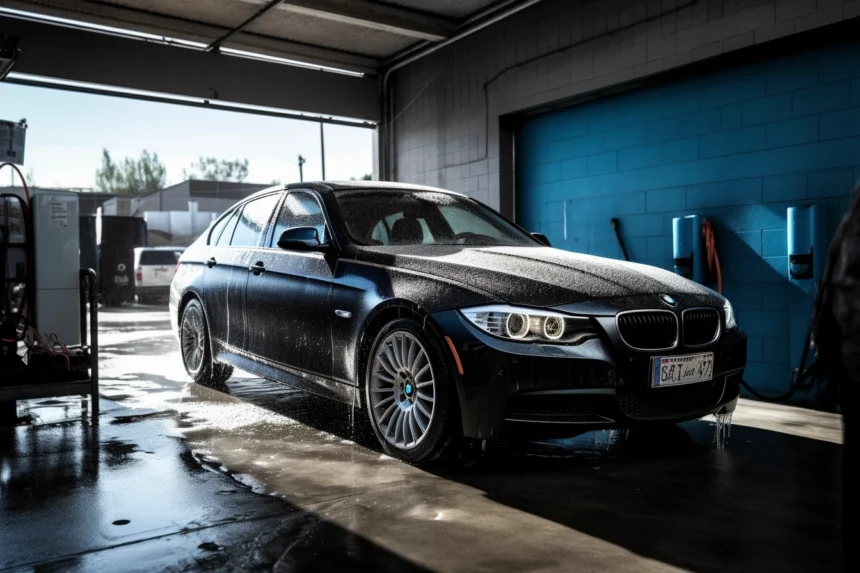
The initial curing period after body work
First wash after body work? Use only these
Fresh paint is off-gassing solvents for 30 days. The wrong car wash soap, brush, or wax can dull, streak, or lift new clear coat. Here’s what’s safe.
One of the most critical factors to consider after getting body work done on your car is the initial curing period. This period refers to the time required for the paint, adhesives, and other materials used during the repair process to fully bond and dry. It is essential to allow sufficient curing time to ensure the longevity and durability of the repairs. Rushing this process can compromise the quality of the work and lead to potential issues down the road.

The length of the initial curing period can vary depending on several factors, including the type of body work performed and the specific materials used. In general, it is recommended to wait at least a few days before subjecting your car to washing or other potentially damaging activities. However, it is essential to consult with your body shop or repair technician for specific guidelines based on your car’s repairs and the materials used.
Taking the time to properly cure the repairs will help maintain the quality and appearance of your car for years to come.
Key points:
- Allow sufficient curing time for paint, adhesives, and other materials to bond and dry.
- Consult with your body shop or repair technician for specific guidelines.
- Wait at least a few days before washing or engaging in potentially damaging activities.
Properly curing the repairs will ensure the longevity, durability, and overall quality of the work done on your car.
Understanding the type of body work performed on your car
When it comes to understanding the type of body work performed on your car, it is important to have a basic knowledge of the various types of repairs and procedures. Body work can range from minor cosmetic fixes to major structural repairs. One common type of body work is paintwork, which involves fixing scratches, dents, or fading paint. This can be done through techniques such as sanding, filling, and repainting. Another type of body work is dent repair, which focuses on repairing or removing dents caused by accidents or other incidents. This usually requires specialized tools and techniques to reshape the damaged area.
In addition, body work can also involve replacing or repairing damaged parts, such as doors, fenders, or bumpers. This is often necessary in cases where the original part cannot be salvaged or repaired. Understanding the type of body work performed on your car is vital in order to determine the appropriate care and maintenance required after the repairs are completed. It can also give you a better understanding of the overall condition and value of your vehicle.
The influence of weather conditions on drying time
Highly variable weather conditions can have a significant impact on the drying time of body work performed on your car. In general, warm and dry weather conditions tend to promote faster drying, allowing the paint and other coatings to cure more quickly. Conversely, cold and humid conditions can slow down the drying process, prolonging the curing period.
Hot and sunny weather conditions can be advantageous as the increased temperature helps to evaporate moisture, allowing the body work to dry at a faster rate. However, it is important to exercise caution in extreme heat, as it can also cause the body work to dry too quickly, potentially leading to cracks or other undesirable effects. On the other hand, cold and humid weather conditions can slow down the drying time, as moisture in the air takes longer to evaporate. Additionally, high humidity levels can increase the risk of trapped moisture in the body work, which can compromise its quality and longevity.
How to determine if your car is ready to be washed
Determining whether your car is ready to be washed after body work is an important step to ensure the longevity of the repairs. One of the easiest ways to assess the readiness is to visually inspect the newly repaired areas. Carefully examine the bodywork for any signs of paint flaking or peeling, as this could indicate that the paint has not fully cured. Additionally, check for any residual dust or debris that may have settled on the surface. It’s crucial to make sure that the repaired areas are free from any imperfections or contaminants before proceeding with a wash.
Another effective method to determine if your car is ready for a wash is the tack test. Gently press a clean, dry cloth against the repaired areas, and if it sticks or feels tacky, it means that the paint is still in the curing process. In this case, it’s best to wait until the paint has completely dried and reached its optimal hardness. Rushing the washing process can risk damaging the freshly repaired bodywork, leading to costly repairs or refinishing in the future. Therefore, it is vital to exercise patience and diligence when deciding if your car is ready to be washed.
The risks of washing your car too soon after body work
Washing your car too soon after body work may seem tempting, especially if you’re eager to restore its pristine appearance. However, this hasty decision can come with its fair share of risks. One primary concern is that the paint or clear coat may not have fully dried or hardened yet. Washing the car prematurely could lead to water and soap seeping into the bodywork, causing damage to the fresh paint job. This can result in unsightly bubbles, streaks, or even peeling of the paint, undoing the hard work and money invested in the body work.
Another risk of washing your car too soon after body work is the potential for debris or particles to become trapped on the surface. While the body work is curing, it is vulnerable to external elements that can mar its finish. Washing the car too early increases the chances of dirt, dust, or other contaminants adhering to the surface, which can leave scratches or blemishes on the freshly repaired or repainted areas. Therefore, exercising patience and allowing sufficient drying time is crucial to protect the quality and durability of your car’s body work.
The recommended waiting time for different types of body work
For minor body work repairs, such as small scratches or scuffs, it is generally recommended to wait at least 24 hours before washing your car. This allows the paint or filler used during the repair process to fully cure and harden. Waiting this amount of time ensures that the repairs will be less likely to be damaged or compromised during the washing process.
However, for more extensive body work repairs, such as panel replacements or major dent repairs, it is usually advised to wait longer before washing your car. Depending on the specific type of repair and the materials used, it may be necessary to wait anywhere from several days to a week for the repairs to completely cure. It is important to consult with your auto body repair technician or follow the manufacturer’s recommendations to determine the appropriate waiting time for your specific body work.
Tips for properly drying your car after body work
After completing body work on your car, it is crucial to properly dry it to ensure a flawless finish. Here are some tips to help you achieve optimal results.
Firstly, utilize a microfiber cloth or chamois to gently remove any excess moisture from the surface of your vehicle. These materials are soft and absorbent, reducing the risk of scratching or damaging the freshly painted surface. Avoid using regular towels or sponges as they may leave lint or residue behind, compromising the quality of the body work.
Additionally, pay attention to hard-to-reach areas, such as door frames, crevices, and emblems. These areas tend to trap moisture, leading to water spotting or rusting over time. Utilize compressed air or a soft brush to remove any trapped water and ensure thorough drying. By diligently addressing all parts of your car, you can ensure a seamless and professional-looking finish.
Common misconceptions about drying time after body work
One common misconception about drying time after body work is that it is solely dependent on the amount of time that has passed since the work was completed. While time is certainly a factor, it is not the only one to consider. The type of body work performed and the prevailing weather conditions also play a significant role in determining the appropriate drying time.
Another misconception is that using a high-pressure car wash is an effective way to speed up the drying process. In reality, using a powerful jet of water can actually damage the fresh paint or body filler, leading to costly repairs. It is important to wait until the recommended drying time has passed before washing your car, and when you do, opt for a gentle hand wash or a touchless car wash to avoid any potential damage.
– Time is a factor, but not the only one
– Type of body work and weather conditions also affect drying time
Another misconception is that using a high-pressure car wash speeds up drying.
– Using powerful water jets can damage fresh paint or body filler
– Wait for recommended drying time before washing
– Opt for gentle hand wash or touchless car wash to avoid damage
How to maintain the quality of your body work by following proper drying protocols
Following proper drying protocols is essential to maintaining the quality of your body work. After all the effort and investment put into repairing and restoring your car’s exterior, it is crucial to ensure that the paint and finishes are properly dried and cured. By doing so, you not only preserve the integrity of the body work but also enhance its durability and longevity.
To begin with, allow sufficient time for the body work to dry naturally. Avoid rushing the process by using artificial heat sources or exposing the car to excessive sunlight. Instead, find a well-ventilated space and let the air circulation aid in the drying process. This will prevent premature cracking or peeling of the paint, ensuring a smooth and flawless finish. Additionally, make sure to follow any specific instructions provided by the body shop or professional you worked with, as different types of body work may require different drying times and methods.
The benefits of allowing sufficient drying time for your car’s body work.
Properly allowing sufficient drying time for your car’s body work offers numerous benefits. One significant advantage is that it ensures the longevity and durability of the repairs. When the paint and other materials used in body work are given enough time to dry and cure, they adhere better to the surface, resulting in a more durable finish. This means that your car’s body work will be better protected against scratches, chips, and other damage, extending the lifespan of the repairs.
Furthermore, allowing sufficient drying time also contributes to a more aesthetically pleasing appearance. When body work is not given enough time to dry, it can result in uneven paint texture and color variations. This can detract from the overall appearance of your car and may require additional touch-up work to fix. By patiently waiting for the body work to fully dry, you can ensure a smooth and flawless finish, enhancing the visual appeal of your vehicle.
FAQs
What is the initial curing period after body work?
The initial curing period refers to the time it takes for the paint or body filler applied to your car’s body work to fully dry and harden.
How can I understand the type of body work performed on my car?
It’s important to consult with your auto body technician to understand the specific type of body work performed on your car, whether it’s paint touch-ups, dent repair, or panel replacement.
How does weather conditions affect drying time?
Weather conditions such as temperature, humidity, and air circulation can significantly impact the drying time of body work. Higher temperatures and lower humidity generally speed up the drying process.
How can I determine if my car is ready to be washed after body work?
To determine if your car is ready to be washed, you can perform a simple water droplet test. If water beads on the surface, it means the body work is not fully cured yet. If the water spreads evenly, it is safe to wash your car.
What are the risks of washing my car too soon after body work?
Washing your car too soon after body work can result in damage to the paint or body filler, causing it to peel, bubble, or crack. It can also affect the overall finish and longevity of the body work.
What is the recommended waiting time for different types of body work?
The recommended waiting time can vary depending on the type of body work performed. Typically, it ranges from a few days to a few weeks. Your auto body technician will provide specific guidelines based on the work done.
What are some tips for properly drying my car after body work?
It is advisable to use a microfiber cloth or soft towel to gently dry your car after body work. Avoid using abrasive materials or excessive force that may damage the paint or body filler.
What are some common misconceptions about drying time after body work?
One common misconception is that body work dries faster in direct sunlight. In reality, direct sunlight can cause the paint to dry too quickly, leading to imperfections. Another misconception is that using a hairdryer can speed up the drying process, but this can also lead to damage.
How can following proper drying protocols help maintain the quality of my body work?
Following proper drying protocols ensures that the paint or body filler cures evenly and thoroughly. This helps maintain the overall quality, appearance, and durability of the body work for an extended period.
What are the benefits of allowing sufficient drying time for my car’s body work?
Allowing sufficient drying time allows the paint or body filler to fully harden, resulting in a more durable and long-lasting finish. It also helps prevent potential damage or defects that can occur if the car is not properly dried before further use or washing.