

Understanding Paintless Dent Removal: A Comprehensive Overview
Recommended: fix small dents at home
Handpicked Amazon products relevant to this guide. Prices vary, links go to current Amazon listings.
Paintless dent removal is a specialized technique used to repair dents and dings on vehicles without the need for traditional bodywork or repainting. This method involves carefully manipulating the metal from behind the panel, using specialized tools and techniques. The result is a seamless repair that restores the original shape of the vehicle, without any visible signs of damage.
One of the key benefits of paintless dent removal is its cost-effectiveness compared to traditional dent repair methods. By avoiding extensive bodywork and repainting, this technique can save both time and money for vehicle owners. Additionally, paintless dent removal preserves the original factory finish of the vehicle, which can help maintain its resale value.
Benefits of Paintless Dent Removal:
- Cost-effectiveness compared to traditional dent repair methods
- Time-saving for vehicle owners
- Preserves the original factory finish of the vehicle
How Paintless Dent Removal Works:
- Carefully manipulate the metal from behind the panel
- Use specialized tools and techniques
- Restore the original shape of the vehicle without visible signs of damage
Key Advantages:
- No need for traditional bodywork or repainting
- Seamless repair
- Maintains the resale value of the vehicle

When determining if paintless dent removal is suitable for a particular dent or ding, several factors need to be considered. The size, location, depth, and accessibility of the damage are all important considerations. Generally speaking, smaller dents with no sharp creases or paint damage are good candidates for this technique. However, it’s always recommended to consult with a professional technician who specializes in paintless dent removal to assess whether this method will yield satisfactory results for your specific situation.
Paintless dent removal is a cost-effective and efficient technique for repairing dents and dings on vehicles. Some key points to remember about this method include:
- Paintless dent removal involves manipulating the metal from behind the panel using specialized tools and techniques.
- This technique restores the original shape of the vehicle without any visible signs of damage.
- Compared to traditional dent repair methods, paintless dent removal is more cost-effective as it avoids extensive bodywork and repainting.
- It preserves the original factory finish of the vehicle, helping maintain its resale value.
- Factors such as size, location, depth, and accessibility of the damage should be considered when determining if paintless dent removal is suitable for a particular dent or ding.
- Smaller dents with no sharp creases or paint damage are generally good candidates for this technique.
- Consulting with a professional technician who specializes in paintless dent removal is recommended to assess whether this method will yield satisfactory results for your specific situation.

The Benefits of Paintless Dent Removal: Why Choose this Technique?
Paintless dent removal offers numerous benefits that make it a preferred technique for repairing dents on vehicles.
Cost-Effective: Firstly, this method is highly cost-effective compared to traditional dent repair techniques. With paintless dent removal, there is no need for extensive labor or expensive materials such as fillers and paint. This results in significant savings for vehicle owners without compromising the quality of the repair.
Time-Saving: Another advantage of choosing paintless dent removal is its time-saving nature. Traditional dent repair methods often require several days to complete, as they involve sanding, filling, and repainting processes. In contrast, paintless dent removal can be completed within hours or even minutes depending on the severity of the damage. This quick turnaround time allows vehicle owners to have their cars back on the road sooner and minimizes any inconvenience caused by being without transportation.
Preserves Original Finish: Furthermore, opting for paintless dent removal helps preserve the original factory finish of a vehicle. Since there is no need for painting or refinishing during this process, there are no concerns about color matching issues or noticeable differences between repaired and untouched areas of the car’s bodywork. The absence of filler material also ensures that the structural integrity of the damaged panel remains intact.
Overall, choosing paintless dent removal over traditional methods provides:
- Financial savings
- Faster repairs
- Maintains the aesthetic value of your vehicle
- Minimal disruption to your daily routine.

Assessing the Damage: How to Determine if Paintless Dent Removal is Suitable
Determining whether paintless dent removal is suitable for your vehicle requires a careful assessment of the damage. The first step is to evaluate the size and location of the dent. Paintless dent removal works best on smaller dents, typically those that are no larger than a tennis ball. Additionally, the position of the dent plays a crucial role in determining its suitability for this technique. Dents that are located on flat surfaces or areas with good access from behind are more likely to be successfully repaired using paintless methods.
Another factor to consider when assessing if paintless dent removal is suitable is the condition of the paintwork surrounding the dent. This technique relies on preserving the original factory finish, so if there is any cracking or chipping in the paint, traditional repair methods may be necessary. It’s important to carefully inspect both inside and outside surfaces for any signs of damage to ensure an accurate evaluation.
Furthermore, it’s essential to take into account any previous repairs or modifications made to your vehicle before deciding on paintless dent removal. If there have been prior repairs done using fillers or repainting techniques, it can affect how well this method will work and may require alternative approaches.
By thoroughly examining these factors, you can determine if your specific case aligns with what can be achieved through paintless dent removal techniques. Consulting with a professional who specializes in this process will provide valuable insights and guidance tailored specifically to your situation.
- Size and location of the dent
- Condition of surrounding paintwork
- Previous repairs
Consulting with a professional who specializes in this process will provide valuable insights and guidance tailored specifically to your situation.
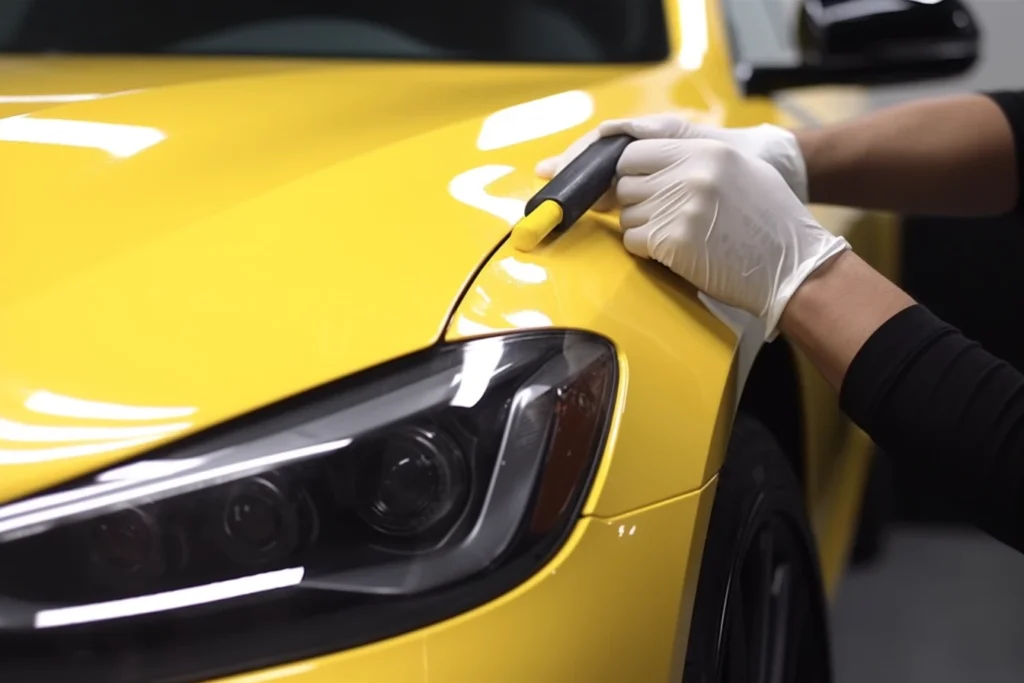
Tools and Techniques: An Inside Look at the Equipment Used in Paintless Dent Removal
Paintless dent removal (PDR) is a technique that involves the use of specialized tools and equipment to remove dents from vehicles without the need for traditional bodywork or painting. The success of PDR relies heavily on the skill and precision of the technician, as well as the quality of the tools used.
In this section, we will take an inside look at some of the key equipment used in paintless dent removal.
Metal Rod or Pick:
- One essential tool in PDR is the metal rod or pick. These rods come in various shapes and sizes and are designed to access hard-to-reach areas behind panels.
- Technicians use these rods to carefully massage out dents from behind, using strategic pushes and pulls until they achieve a smooth surface.
- The rods are made from high-quality stainless steel to ensure durability and prevent damage to paint or other components.
Glue Pulling System:
- Another crucial piece of equipment used in PDR is the glue pulling system.
- This system consists of specially formulated glue tabs that are attached to the surface of a dent using hot glue.
- Once secured, technicians use a slide hammer or pulling device to gradually apply pressure and pull out the dent.
- Glue pulling is particularly effective for shallow dents with no creases or sharp edges.
Additional Tools and Accessories:
- In addition to these primary tools, PDR technicians also utilize various accessories such as blending hammers, knockdowns, rubber mallets, heat guns, LED lights, and reflector boards.
- Each tool serves a specific purpose during different stages of repair – from accessing tight spaces behind panels to refining contours after pushing out larger dents.
By understanding how these specialized tools work together in paintless dent removal techniques like metal rod manipulation and glue pulling systems, technicians can effectively restore your vehicle’s appearance without compromising its original finish.
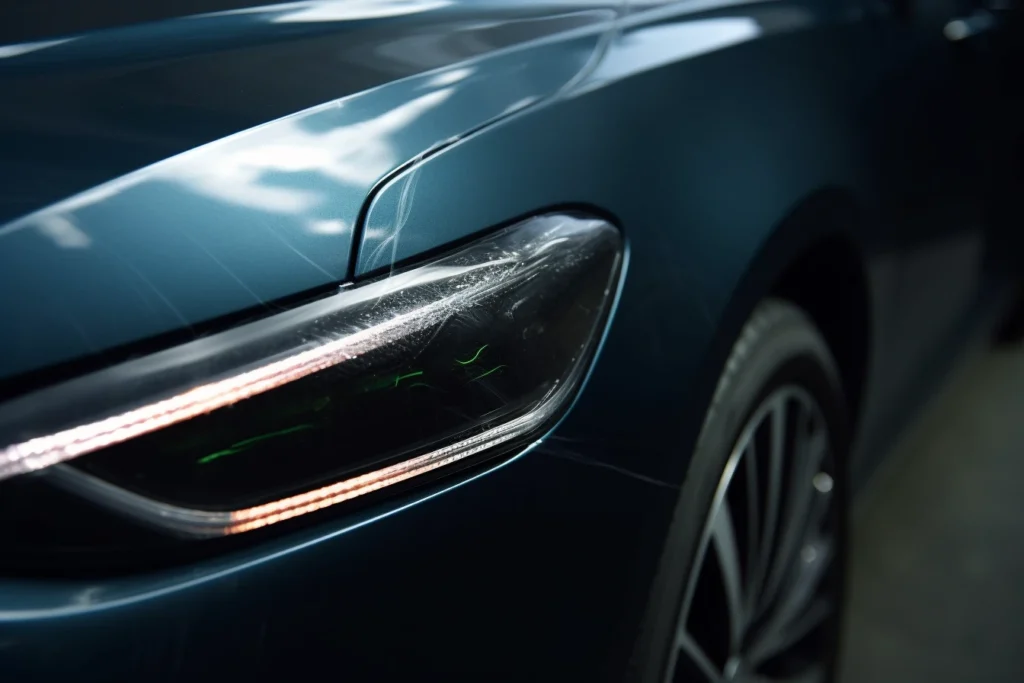
Step-by-Step Process: A Detailed Explanation of the Paintless Dent Removal Procedure
The first step in the paintless dent removal procedure is to thoroughly clean the damaged area. This ensures that there is no dirt or debris that could interfere with the repair process. Once the area is clean, a specialized tool called a PDR light board is used to assess the extent of the damage. The technician carefully examines the dent and determines if it can be repaired using paintless dent removal techniques.
Next, small access holes are drilled into strategic points on the panel behind the dent. These holes provide access for special tools that will be used to massage and push out the dent from underneath. The technician then selects an appropriate tool based on factors such as size and location of the dent.
Using these specially designed tools, which may include metal rods or plastic tabs, pressure is applied to gradually reshape and manipulate the metal back into its original form. The technician works meticulously to ensure that each push or pull brings about incremental improvements in restoring the panel’s shape.
Throughout this process, patience and precision are key as excessive force could cause further damage to both exterior surfaces and underlying components of your vehicle. Once satisfied with their progress, technicians use a PDR light board again to inspect their work from different angles, making any necessary adjustments until they achieve a seamless finish.
By following this detailed step-by-step process for paintless dent removal, skilled technicians can effectively restore your vehicle’s appearance without compromising its factory finish or requiring costly repainting procedures often associated with traditional methods of dent repair.
Summary:
- Thoroughly clean the damaged area to remove dirt and debris.
- Assess the extent of the damage using a PDR light board.
- Drill small access holes on the panel behind the dent.
- Use specialized tools to massage and push out the dent from underneath.
- Apply pressure to reshape and manipulate the metal back into its original form.
- Work meticulously to achieve incremental improvements in the panel’s shape.
- Inspect the work using a PDR light board and make necessary adjustments.
- Restore the vehicle’s appearance without compromising its factory finish.
- Avoid costly repainting procedures associated with traditional dent repair methods.

Special Considerations: Addressing Challenges and Limitations in Paintless Dent Removal
When considering paintless dent removal, it is important to understand that there are certain challenges and limitations associated with this technique.
One of the main challenges is the size and depth of the dent. While smaller dents can often be easily repaired using paintless dent removal, larger or deeper dents may require more extensive repair methods. Additionally, the location of the dent can also impact whether or not paintless dent removal is suitable. Dents located on sharp edges or creases can be more difficult to repair using this technique.
Another consideration when it comes to paintless dent removal is the condition of the paintwork surrounding the dent. If there are any chips or cracks in the paint, using this technique may not be possible as it could further damage the already compromised surface. In such cases, traditional dent repair methods may need to be utilized instead.
Furthermore, it is essential to keep in mind that not all vehicles are suitable for paintless dent removal. Aluminum panels and high-strength steel used in many modern cars require specialized techniques and tools for effective repair. It is crucial to consult with a professional who has experience working with these materials before attempting any repairs.
Addressing challenges and limitations in paintless dent removal requires careful assessment of factors such as:
- Size and depth of dents
- Location on vehicle surfaces
- Condition of surrounding paintwork
- Material composition of panels being worked on
By understanding these considerations beforehand and consulting with a knowledgeable professional, you can decide whether paintless dent removal is appropriate for your specific situation.
Hiring a Professional: Choosing the Right Paintless Dent Removal Expert
When it comes to hiring a professional for paintless dent removal, it is important to choose the right expert who can deliver high-quality results. One of the key factors to consider is their experience and expertise in this specific technique. Look for professionals who have been in the industry for a significant amount of time and have successfully completed numerous paintless dent removal projects. This will ensure they possess the necessary skills and knowledge to handle your vehicle carefully.
Another aspect to consider when choosing a paintless dent removal expert is their reputation and customer reviews. Take the time to research and read testimonials from previous clients. A reputable professional will have positive feedback, indicating their ability to provide excellent service and customer satisfaction. Additionally, you can ask for recommendations from friends or family members who have had similar work done on their vehicles.
Furthermore, it is essential to inquire about warranties or guarantees offered by the paintless dent removal expert. Reputable professionals often stand behind their workmanship and offer some form of warranty on the repairs performed. This demonstrates their confidence in delivering long-lasting results.
By carefully considering these factors, you can make an informed decision when hiring a professional for your paintless dent removal needs. Remember that selecting an expert with extensive knowledge in this technique will increase the chances of achieving seamless repairs without compromising your vehicle’s original finish or value.
Key factors to consider:
- Experience and expertise in paintless dent removal.
- Reputation and customer reviews.
- Warranties or guarantees offered by the expert.
Make sure to choose a professional who meets these criteria for the best results.
Cost Factors: Understanding Pricing and Estimates for Paintless Dent Removal
Pricing and estimates for paintless dent removal can vary depending on several factors. The size and severity of the dent, as well as its location on the vehicle, are key considerations when determining cost. Additionally, the experience and expertise of the professional performing the service may also impact pricing.
The size of a dent is often one of the primary factors in determining cost. Larger dents generally require more time and effort to repair, which can result in higher prices. Similarly, dents that are located in more difficult-to-reach areas of a vehicle may require additional skill and specialized tools to fix properly.
Another factor that influences pricing is the severity or complexity of the damage. For example, shallow dents with minimal creasing or stretching tend to be easier to repair than deeper dents with extensive damage to the metal surface. This difference in difficulty level can affect both labor costs and material requirements, thus impacting overall pricing.
When seeking estimates for paintless dent removal services, it is important to consider not only price but also quality. While it may be tempting to choose a provider solely based on low-cost options, it is crucial to ensure that you hire a reputable professional with sufficient experience and training in this technique. Opting for an inexperienced or unqualified technician could result in subpar repairs or even further damage to your vehicle.
By considering factors such as dent size and severity while prioritizing quality over price alone when choosing a professional technician, you will be better equipped to accurately understand pricing estimates for paintless dent removal services.
Paintless Dent Removal vs Traditional Dent Repair: A Comparison of Methods
Paintless Dent Removal (PDR) and traditional dent repair are two methods used to fix dents on vehicles, but they differ in several ways.
PDR is a technique that involves manipulating the metal from behind the panel without damaging the paint, while traditional dent repair typically involves filling and repainting the damaged area.
One key advantage of PDR over traditional dent repair is its ability to preserve the original factory finish of a vehicle. With PDR, there is no need for sanding or repainting, which means that the repaired area will seamlessly blend with the rest of the car’s bodywork. This not only saves time but also helps maintain the value and appearance of your vehicle.
Another benefit of PDR is its cost-effectiveness compared to traditional dent repair. Since there are no materials or extensive labor involved in repainting, PDR tends to be more affordable. Additionally, because it requires less time and effort, you can expect quicker turnaround times when opting for PDR.
It’s important to note that while PDR can effectively remove many types of dents such as small creases, hail damage, and door dings, it may not be suitable for all situations. For instance, if there are deep scratches or paint chipping around the dent area or if access to behind-the-panel areas is limited due to structural components blocking access points, then traditional dent repair may be necessary. Consulting with a professional technician specializing in both methods will help determine which approach best suits your specific needs.
Maintaining Your Vehicle: Tips for Preventing Dents and When to Seek Paintless Dent Removal
Regular maintenance and care of your vehicle can go a long way in preventing dents. Here are some important tips:
- Park your car in a safe and secure area, away from potential hazards such as trees, shopping carts, or other vehicles. This reduces the risk of accidental dents caused by external factors.
- Consider using parking sensors or cameras to help you avoid collisions while parking.
Another effective method for preventing dents is to install protective accessories on your vehicle. These accessories provide an extra layer of protection against minor impacts and debris. Some examples include:
- Bumper guards
- Door edge protectors
- Mud flaps
When it comes to seeking paintless dent removal services, timing is crucial. It’s recommended to address any dents as soon as possible after they occur. The longer you wait, the more difficult it may be for professionals to restore your vehicle’s appearance without resorting to traditional dent repair methods that involve painting or filling techniques.
Keep in mind that not all dents are suitable for paintless dent removal. If the damage has caused significant creases or if the paint has been chipped or cracked, traditional dent repair methods may be necessary. Consulting with a professional technician will ensure an accurate assessment of whether paintless dent removal is appropriate for your specific situation.
By following these tips for maintaining your vehicle and knowing when to seek paintless dent removal services, you can keep your car looking its best while also saving time and money on repairs. Regularly inspecting your vehicle for any signs of damage and promptly addressing them will help preserve its value and overall appearance over time.
What is paintless dent removal?
Paintless dent removal is a technique used to repair dents on a vehicle without the need for traditional bodywork or repainting. It involves using specialized tools to gently massage the dent from the inside, restoring the vehicle’s original shape.
FAQs
What are the benefits of paintless dent removal?
Paintless dent removal offers several benefits, including cost-effectiveness, time efficiency, and the preservation of the vehicle’s original paint and finish. It is also an environmentally-friendly option since it eliminates the need for harmful chemicals and reduces waste.
How can I determine if paintless dent removal is suitable for my vehicle?
Paintless dent removal is suitable for most minor dents and dings caused by hail, parking lot mishaps, and other similar incidents. However, it is essential to have a professional assess the damage to determine if paintless dent removal is a viable option for your specific situation.
What tools and techniques are used in paintless dent removal?
Paintless dent removal involves using specialized tools such as metal rods, picks, and dent removal hammers. These tools are used to access the dent from behind and gently massage it back to its original shape without damaging the vehicle’s paint or finish.
Can you explain the step-by-step process of paintless dent removal?
The paintless dent removal process typically involves assessing the damage, gaining access to the dent, carefully massaging the dent back into place using specialized tools, and then inspecting the repaired area for any imperfections.
Are there any special considerations or limitations with paintless dent removal?
Paintless dent removal is most effective for small to medium-sized dents, and there may be limitations for dents that are located in areas with restricted access or if the paint is severely damaged. It is important to consult with a professional to determine the best course of action for your specific dent.
How do I choose the right paintless dent removal expert?
When hiring a paintless dent removal expert, consider their experience, expertise, reputation, and customer reviews. It is also important to inquire about their certifications and whether they offer any warranties or guarantees on their work.
How much does paintless dent removal cost?
The cost of paintless dent removal can vary depending on factors such as the size and severity of the dent, the location on the vehicle, and the expertise of the professional. It is recommended to obtain multiple estimates from different providers to compare prices.
What is the difference between paintless dent removal and traditional dent repair?
The main difference between paintless dent removal and traditional dent repair is the approach to fixing the dent. Paintless dent removal does not require repainting or filling, making it a more cost-effective and time-efficient option for minor dents. Traditional dent repair often involves sanding, filling, and repainting, which can be more expensive and time-consuming.
How can I prevent dents on my vehicle?
To prevent dents on your vehicle, it is recommended to park in designated parking spots, avoid parking too close to other vehicles or objects, use protective coverings or mats when transporting items in your vehicle, and be cautious of low-hanging branches or other potential hazards. Regularly cleaning and waxing your vehicle can also help protect the paint and minimize the risk of dents.