
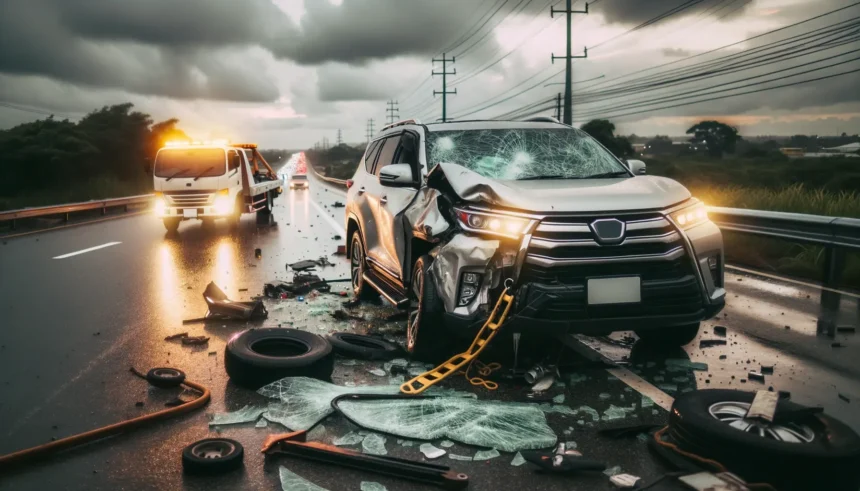
As soon as your car is involved in an accident, there is much to worry about: insurance claims to file, injuries to treat and potentially doctors appointments as well.
There are collision centers who specialize in dealing with insurers and making the process smoother for you. Furthermore, these experts will address mechanical issues to restore your vehicle to its former condition and guarantee you peace of mind.
Preparation
Collision Repair is an ever-evolving field with numerous opportunities for advancement. Working as a professional in collision repair requires using cutting-edge technology that enables you to be precise while restoring cars back to their pre-accident state.
Surface preparation is the initial step in any repair process, involving scuffing, sanding with various grit ranges and grinding. This step ensures proper bonding between adhesives used during structural repair and their respective vehicles and paint that adheres properly to them.
Once the structural repairs have been completed, body work can commence. This involves repairing damaged body panels and installing factory parts so your car continues to run safely and as intended; here, much expertise will be necessary.
Refinishing requires technicians to prepare surfaces by tapeing and sanding before applying base coat and clear coat layers, which requires specific tools and experience for optimal results that maintain the original appearance of your vehicle.
Before final inspection and delivery of your repaired vehicle, Auto Group Collision technicians will conduct rigorous functional tests. This ensures all parts are installed as intended and that everything functions as intended.
Assessment
At this step of the repair process, the shop will assess any damage and provide a written estimate of repairs needed. This may take from several hours up to an entire day depending on your vehicle model and repairs required; once submitted for review by insurance, this estimate must be approved before moving forward with repairs.
An appraiser with highly-specialized training will inspect every inch of your car during an assessment, searching for any structural damage, mechanical issues or safety system failures that may need repair. This step ensures all necessary repairs are identified; additionally it will help ensure you order the appropriate parts that can shorten repair time.
This step is crucial because even minor collisions can result in hidden damage that might not be evident at first. A collision could displace or bend your vehicle’s frame, potentially impacting other components like alignment and suspension systems or damaging internal parts such as engine.
Therefore, it is vitally important that your vehicle is repaired by an expert shop with experience and expertise in car collision repairs such as StormWise Collision Center. A good collision center such as StormWise works directly with insurance providers to facilitate this step of the repair process, so all costs, scope of repairs, and deductibles are clearly communicated while being aligned with your policy coverage.
Disassembly
Collision repair involves more than fixing a simple taillight or brakes squeak. In case of major collision, for instance, your mechanic may need to disassemble your suspension system in order to replace damaged components and restore proper handling and stability; they may also need to lift the hood to check for hidden damage.
At every step, quality repairs must be prioritized. Once reassembly has been completed, and your car restored back to pre-collision state. Our quality control inspection team then returns your car ready to embark on its next adventure.
Collision repair technicians love that collision repair is ever-evolving, giving them plenty of opportunities to improve and personalize vehicles daily. Everyday they get to work on something different which enables them to hone their skills while expanding their experience across many fields – plus using cutting edge technologies that ensure vehicles look and drive as intended!
Repair
An automobile accident can be highly distressful. Damage caused can range from small dents to the total loss of the vehicle. No matter its extent, repair procedures aim to restore it back to its original state while simultaneously improving both functionality and aesthetic appearance.
An appraiser will conduct a detailed inspection to create an estimated repair estimate and to ensure you and your insurance provider understand the scope of repairs needed, while setting expectations for subsequent steps of collision repair process.
Once an estimate has been prepared, collision repair technicians will begin disassembling vehicle components to gain a better view of what needs to be repaired. This step allows them to identify any hidden damage missed during visual inspection, which might otherwise go undetected.
Collision repair is an exciting field that uses cutting-edge technologies to return vehicles back to their pre-accident state. It’s an ideal career choice for people who enjoy problem solving and perfectionism, while collision repair technicians also get to work with a wide variety of vehicles; making this field ideal for job satisfaction as it provides plenty of variety – not to mention daily challenges that help sharpen skills!
Reassembly
Once a vehicle has been disassembled and repaired, it’s ready for reassembly. At this stage of the process, painting occurs before final moldings and detail pieces are put back on. Air conditioning systems, grilles, lights and other systems are checked at this stage as well as being test driven before leaving the repair shop.
At this stage, technicians will also have an opportunity to address any mechanical issues caused by the collision. They may need to replace tires, repair steering or suspension systems or perform other necessary maintenance work. This step in the repair process ensures more accurate estimates and ensures all necessary repairs are carried out properly.
Modern technology has revolutionized auto collision repair. Technicians can use computerized tools to ensure body parts they are repairing are straight and level; matching paint colors to their exact pigment; making it simpler to restore vehicles back to their original state after an accident has taken place.
Once reassembly is complete, your vehicle will be cleaned and taken through a quality control inspection to make sure all authorized repairs have been carried out and it has been returned to its pre-accident state. From there on out, it will be delivered back to you from the repair shop.
Quality Control
StormWise Collision Repair’s collision repair process is meticulously planned to restore vehicles back to pre-accident condition, beginning with damage assessment and ending with quality control testing and final quality review. At every stage, they strive for excellence and customer satisfaction with each process step they undertake.
Shops can use quality assurance and control principles to avoid expensive problems in their repair process. Quality assurance requires setting and communicating quality standards to technicians (pre-production), while quality control involves finding and correcting problems during repair before they have an adverse impact on customers.
Quality check at the conclusion of a repair is a vital part of the process and can reduce unnecessary rework. A manager or designated quality control technician must inspect the vehicle against a checklist to ensure all items have been completed successfully; additionally, this list may include an area for noting quality issues as well as providing verification that these issues have been corrected (see Figure 1).
Quality assurance reviews are an effective way for body shops to increase efficiency. They also serve as a preventive measure, helping avoid costly errors that arise from not taking the time to inspect a vehicle before moving it onto its next step in the repair process.