
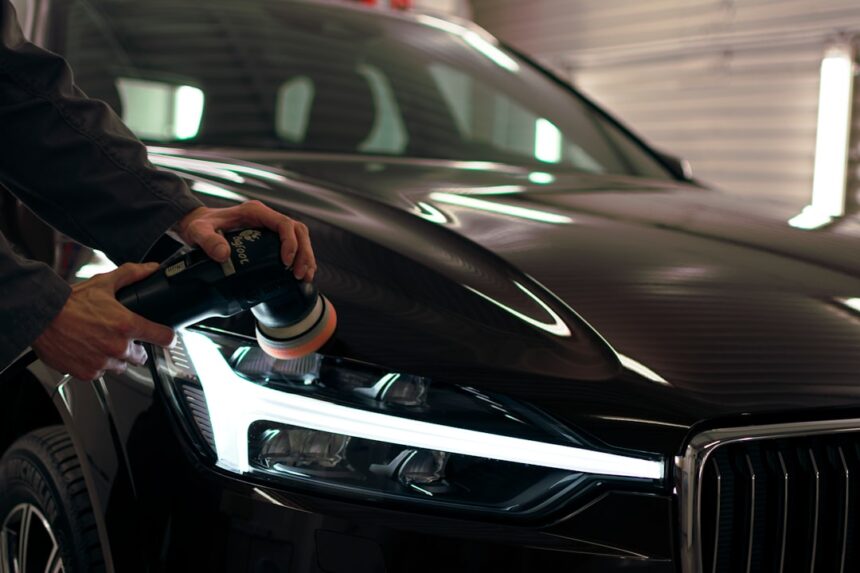
Automakers typically seam seal replacement parts during the “body-in-white” stage of car building. Adherence to OEM guidelines and repair procedures ensures that a restored vehicle looks and functions like it did when originally constructed from its factory.
Seam sealers help prevent moisture, dust and dirt from seeping into joints between two materials by sealing seams properly and mitigating noise, vibration and harshness issues. Dispenses must also be clear for successful seam sealant application.
Seam Sealer
Seam sealer is used to prevent water and moisture from penetrating seams where panels join together, thus protecting against corrosion. It can be applied directly onto metal, though for optimal results an epoxy primer should first be applied as this provides better adhesion and makes sanding and preparing surfaces easier for refinishing.
There is an array of seam sealer products on the market designed for both use over bare metal and painted surfaces, and those meant for overpainting. Selecting the appropriate product for any given task can save time and labor in body shops while protecting paint against peeling and flaking issues. It is important to follow manufacturer recommendations regarding how long to wait before refinishing.
Before using liquid seam sealer, it’s essential to properly prepare the area to ensure an effective bond. This involves cleaning it using degreaser to eliminate contaminants that might impede bonding efforts; additionally, allow adequate drying time as specified by your seam sealer manufacturer.
Liquid seam sealer offers many advantages, including creating an appealing bead of smooth sealant along your seam. While this can be difficult to achieve with brushes, masking tape applied along the seam should make this much simpler. Once applied and coated with enough controlled flow product to extend onto both sides of tape should create an attractive bead; Tiger Seal’s YouTube video offers great instructions.
Liquid seam sealers have become an increasingly popular choice in vehicle assembly to reduce weight and NVH while cutting labor costs. Their use is convenient because it requires less physical exertion compared to traditional mastic pads, and also takes much less time to dry compared with using harsh solvents.
Auto body technicians use seam sealer as an integral component of their repair efforts, to ensure watertight repairs that look as they did prior to an accident. Selecting and understanding how best to utilize each product helps technicians achieve factory look repairs in all of their repairs.
Paint Sealant
Paint sealants are an effective way to preserve the finish on a vehicle’s paint job, concealing fine scratches while creating a high-gloss look appealing to car owners. While designed for long-term protection, frequent application will ensure effectiveness – making paint sealants ideal as part of an unlimited wash program or loyalty program that encourage customers to return often to your location.
Finding the appropriate auto paint sealant will depend on several key considerations. First, identify what your primary purpose of using the product is – for instance if rain protection is paramount then selecting one with high water repellency is ideal. You should also take into account how much maintenance will be involved as well as desired finishes such as glossy or matte.
There are two primary types of paint sealants – water-based and solvent-based. Water-based sealants are more modern formulations and becoming increasingly popular across the US, as they’re easier to use than solvent-based products and require less heat for curing. They can even be applied directly onto damp surfaces – however, before being buff off completely they must dry completely first before they can be polished away.
When working with water-based sealants, it’s essential to follow the manufacturer’s specific directions for application and curing. This will ensure the product bonds with the paint properly while offering maximum protection; most water-based sealants require at least 24 hours for full curing before driving in wet conditions.
When applying sealants, it is key to apply it in a thin layer. Excess sealant can make buffing off difficult and result in dull-looking paint surfaces. A microfiber applicator pad is recommended for applying the sealant evenly and in a crisscross pattern over your vehicle before using a microfiber buffing cloth to wipe away excess sealant from surfaces.
Underbody Sealant
Underbody sealant is a spray that creates a protective layer on the underside of your car, blocking moisture, dirt, and contaminants from collecting under it and leading to corrosion and rust over time. Over time this corrosion erodes away key parts such as suspension system or exhaust system weakening them resulting in costly repairs, but underbody coating helps you save money over time by saving vital parts like suspension systems or exhaust systems from corrosion damage – saving money over time while improving how efficiently your car runs!
Undersealing can be accomplished as either a DIY project using specialized products or professionally by a mechanic, protecting vulnerable areas such as chassis and wheel arches from moisture intrusion and salt corrosion by creating a tough shield of protection that seals them tight against moisture and salt corrosion, thus dramatically increasing longevity of your car and helping avoid costly repairs in future.
Underseal can also help keep water out of body panel cavities if you live in an area with frequent rainfall or snowfall, making your car even safer against water intrusion. There is a range of underseal products designed specifically to fit with different car models available; some even boast rubberized finishes for added protection!
If your car is older and already has existing rust, it is advisable to apply a rust converter and wire brush prior to undersealing it; otherwise, the sealant could accelerate rust formation rather than provide protection. Conversely, for new or surface rusted cars undersealing can be an investment that will give years of protection.
Underbody coating also increases your car’s appeal to potential buyers when you decide to sell it. People prefer cars in good condition, and having an underbody coated vehicle shows this care was taken in maintaining it and can increase its value on the market. Furthermore, underbody coating is easy to keep clean; simply wash it regularly or use an antirust proof cleaner designed specifically for underbody coatings and rust proofing to make sure its protection lasts and doesn’t become damaged over time by regular car washes.
Paint Protection
Paint protection film is a clear, adhesive-backed layer applied by professionals to body panels or the entire vehicle, designed to shield it against scratches, rock chips, bird droppings, tree sap stains, chemical spills and road grime. In addition, its protection helps keep its paint looking new for longer by resisting abrasions or other forms of damage and keeping its finish looking like new.
PPF can be applied to all paint colors and finishes, from matte to satin. It’s particularly helpful for drivers who spend considerable time driving on unpaved roads or construction zones where rocks and debris may fly up from beneath your car and hit its body panels, creating dull finishes or small chips in its paint that eventually scratch away over time unless prevented with PPF protection. PPF could prevent such problems in advance and save you from needing to repaint later on!
Application of paint protection film is generally straightforward. A technician begins by thoroughly washing and decontaminating the vehicle to remove all contaminants, as any dirt or oil left on its surface could compromise and crack its application. Once this step has been completed, an experienced installer carefully aligns and applies protective film without creating air bubbles or gaps between layers.
Once applied, the film is cured using heat and UV light, creating cross-links in its polymers to strengthen it and make it more resistant to cracking or fading – providing superior durability that may last up to ten years! Paint protection films may be used alone or alongside other paint products, including ceramic coatings or traditional carnauba waxes.
Paint protection films differ from paint sealants in that they use water-based solutions instead of solvents to emit lower levels of volatile organic compounds (VOCs) into the atmosphere, making them safer for both your health and that of the environment. It is still advisable to wear a mask when using these products due to possible lingering scents emitted during their usage; for this reason use should only take place in well-ventilated spaces.
Recommended Paint Protection Options
Professional PPF (paint protection film) install runs $1,800-6,000. For high-wear areas only, DIY PPF or spray-on protection is a practical middle ground.
- XPEL Pre-Cut PPF Kits — the industry-leading PPF, precut for specific vehicles ($150-400 per section).
- 3M Pro Series PPF Kits — trusted brand, easier for DIY install than roll film ($120-350).
- Wet-Look Spray-On Paint Protection — 6-month protection for daily drivers ($20-35).
- Bug and Tar Remover — protects PPF longevity by removing acidic contaminants ($10-20).
Amazon affiliate links.