
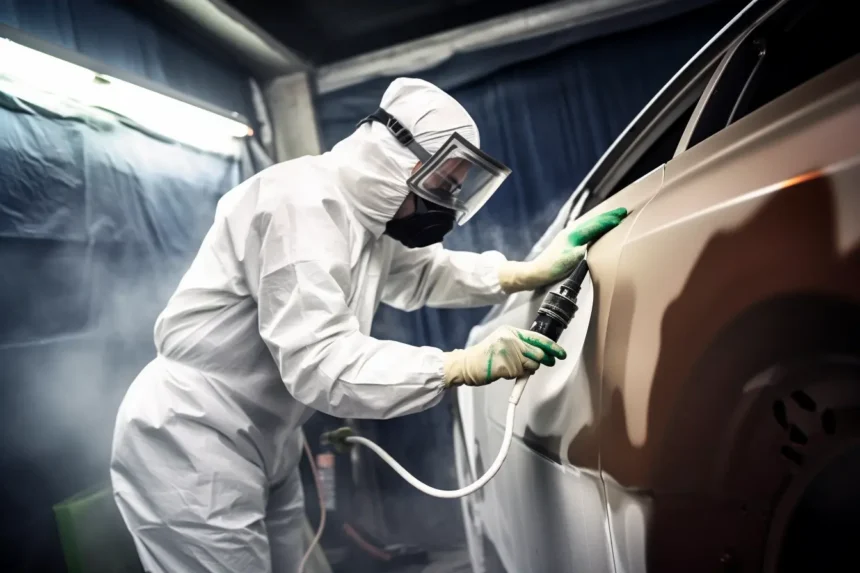
Understanding the Importance of Buffing
Recommended: DIY paint kits and tools
Handpicked Amazon products relevant to this guide. Prices vary, links go to current Amazon listings.
Buffing is an essential step in the auto detailing process, as it helps to restore the shine and luster of the vehicle’s paint surface. This technique involves using a buffer machine and a polishing compound to gently remove imperfections such as scratches, swirl marks, and oxidation. The result is a smooth and glossy finish that enhances the overall appearance of the vehicle.
One of the main reasons why buffing is important is because it can effectively eliminate minor paint defects. Over time, the paint on a vehicle can become dull and worn due to environmental factors such as UV rays, dirt, and pollutants. These factors can cause the paint to develop scratches, swirl marks, and other imperfections. Buffing helps to remove these imperfections by gently polishing the surface, revealing the fresh and vibrant paint underneath. By buffing regularly, car owners can maintain the pristine appearance of their vehicles and extend the life of the paint.

Choosing the Right Polishing Techniques
Choosing the right polishing techniques for your vehicle is crucial to achieving the desired results. With numerous options available, it can be overwhelming to determine the most effective approach. However, by considering a few key factors, you can make an informed decision that will enhance the overall appearance of your vehicle.
Firstly, it is important to assess the condition of your vehicle’s paintwork. Are there minor scratches or deeper swirl marks? Identifying these imperfections will help you choose the appropriate polishing method. For minor scratches, a light abrasive polish may suffice, while for more severe imperfections, a compound polish might be necessary. Understanding the specific needs of your vehicle will allow you to select the right tools and products for the job.

Techniques for Fixing Paint Defects
Paint defects can often arise due to various reasons such as improper application, environmental factors, or accidents. However, there are several techniques available to fix these issues and restore the paintwork to its original glory. One of the most common paint defects is scratches and swirl marks. These can be easily fixed using a dual-action orbital polisher and the correct polishing compounds. The first step is to thoroughly clean the affected area and then use a fine-grit sandpaper to smooth out the scratches. Next, apply a small amount of a high-quality polish to a foam pad and work it into the paint surface using the orbital polisher. This will help to gradually remove the imperfections, leaving behind a smooth and glossy finish.
Apart from scratches and swirl marks, drips and runs in the paint can also be a common issue. These can occur during the painting process if too much paint is applied at once or if the temperature and humidity levels are not ideal. To fix this problem, start by allowing the paint to fully dry. Once dry, use a fine-grit sandpaper to gently remove the excess paint, being careful not to sand down to the basecoat layer. After sanding, a compound can be used to further refine the area and blend the edges. Finally, apply a fresh coat of paint to the affected area, ensuring proper application techniques to prevent future drip or run issues.
By employing these techniques, it is possible to rectify paint defects effectively. However, it is important to approach each issue with precision and care, as any hasty or incorrect steps can lead to further damage. Now that we have addressed the techniques for fixing common paint defects, let us move on to the next crucial aspect of proper paint maintenance – cleaning and protecting the paint surface.

Repairing Scratches and Swirl Marks
Scratches and swirl marks on your vehicle’s paint surface can be unsightly and detract from its overall appearance. Thankfully, you can employ a few effective techniques to repair these imperfections and restore your car’s finish to its former glory.
Firstly, it is important to assess the depth of the scratch or swirl mark. Superficial scratches can often be treated with a light polishing compound, while deeper scratches may require more intensive techniques. For light scratches, gently apply a small amount of polish in a circular motion over the affected area using a high-quality microfiber cloth. This will help to gradually remove the scratch, bringing back the luster of your vehicle’s paint.
In cases where the scratches are deeper, a compound that contains abrasive particles may be necessary. These compounds work by selectively removing layers of clear coat, leveling the surface and reducing the visibility of the scratch. It is crucial to follow the instructions provided by the manufacturer and avoid excessive or prolonged rubbing, as this can result in further damage to the paintwork.
When dealing with swirl marks caused by improper washing techniques or abrasive materials, a specialized swirl remover can be a game-changer. These products are designed to eliminate the fine circular scratches often seen under direct light, providing a smooth and flawless finish. Just like with other polishing techniques, it is important to work in small sections and apply the swirl remover with a microfiber cloth, using gentle pressure.
Remember, repairing scratches and swirl marks requires patience and attention to detail. It is recommended to start with less aggressive solutions and gradually increase the intensity, if needed. Ultimately, the goal is to achieve a paint surface that is free from imperfections, allowing your vehicle to shine and impress wherever you go.

Correcting Drips and Runs in the Paint
Drips and runs in the paint are common issues that can occur during the painting process. They can be frustrating and can ruin the overall finish of your project. However, with the right techniques and attention to detail, it is possible to correct these imperfections and achieve a flawless result.
When it comes to correcting drips and runs, it is important to act quickly. The longer the paint sits, the more difficult it becomes to fix the problem. Using a clean, dry cloth, gently dab at the drip or run to remove any excess paint. Avoid rubbing or smearing the paint, as this can spread the imperfection and make it more noticeable.
Once you have removed the excess paint, assess the severity of the drip or run. For small imperfections, such as a thin line or streak, you may be able to carefully sand it down using a fine-grit sandpaper. Begin with gentle strokes, being careful not to sand through the surrounding layers of paint. Gradually build up pressure as needed, until the drip or run is level with the rest of the surface. Remember to clean off the sanding residue before proceeding.
Expert Tips for Proper Paint Maintenance
Proper maintenance is the key to maintaining the longevity and impeccable appearance of your car’s paint job. By implementing a few expert tips, you can ensure that your vehicle continues to turn heads wherever you go. Following a regular maintenance routine will not only preserve the shine and luster of your car’s paint, but it will also protect it from environmental elements such as UV rays, dirt, and grime.
Regular cleaning plays a vital role in paint maintenance. It is important to use high-quality car wash products that are specifically formulated for automotive paints. These products are designed to remove dirt and debris without causing any damage. When washing your car, be sure to use a soft, microfiber cloth or sponge. Avoid abrasive materials and brushes that can scratch the surface. Additionally, it is crucial to dry your car thoroughly using a clean, lint-free cloth to prevent water spots. Remember to pay extra attention to areas prone to contamination, such as lower panels and wheel wells.
Protecting the paint surface is another crucial aspect of proper maintenance. Applying a coat of wax or sealant regularly will help shield your car’s paint from harmful elements and maintain its glossy appearance. Wax or sealant creates a protective barrier that acts as a shield against UV rays, airborne pollutants, and water spotting. It also makes the surface smoother, making it easier to remove dirt and debris during regular cleaning. Choose a high-quality product that is specifically designed for automotive use and apply it according to the manufacturer’s instructions for optimum results.

Cleaning and Protecting the Paint Surface
Regular cleaning and protection of the paint surface is essential to maintain your vehicle’s aesthetic appeal and longevity. Neglecting this crucial aspect can lead to the build-up of dirt, grime, and harmful contaminants that can potentially damage the paint. To ensure optimal cleanliness and protection, it is recommended to follow a diligent cleaning routine and employ effective protective measures.
First and foremost, regular washing is necessary to remove dirt, dust, and other debris that adheres to the surface. Using a quality automotive shampoo and a soft microfiber wash mitt, gently cleanse the paintwork in a circular motion to avoid scratching. Remember to rinse the mitt frequently to prevent dirt from being reintroduced onto the surface. After washing, thoroughly dry the vehicle with a clean microfiber towel to eliminate any water spots or streaks that may form as the water evaporates.
Once the paint surface is clean, it is crucial to apply a protective layer to shield it from various harmful elements. This can be done through waxing or sealing. Waxing creates a thin barrier that safeguards the paint from UV rays, road grime, and contaminants, while sealing provides a longer-lasting protection. To apply wax or sealant, use a soft foam applicator pad and work in small, overlapping sections. Allow the product to cure as per the manufacturer’s instructions, typically around 10-15 minutes, before buffing it off using a clean, lint-free microfiber cloth. By regularly cleaning and protecting your vehicle’s paint surface, you can maintain its appearance and ensure it remains in optimal condition for years to come.

Preventing Fading and Oxidation
Fading and oxidation are common problems that can plague the appearance of your vehicle’s paint over time. The sun’s powerful UV rays and exposure to pollutants and harsh weather conditions can all contribute to the gradual deterioration of your car’s exterior. However, with the right preventive measures, you can maintain the vibrant shine of your paint for years to come.
One of the most effective ways to prevent fading and oxidation is to regularly apply a high-quality wax or sealant to the surface of your vehicle. These products create a protective barrier that shields the paint from harmful UV rays and environmental contaminants. Regular wax application also helps maintain the glossy finish of the paint, keeping it looking fresh and vibrant. It is important to choose a wax or sealant specifically formulated for automotive use, as these products are designed to withstand the harsh conditions your vehicle may encounter on the road. By incorporating this simple step into your regular maintenance routine, you can significantly extend the lifespan of your car’s paint job.
In addition to waxing, it is crucial to keep your vehicle clean and free from dirt, grime, and other pollutants that can contribute to fading and oxidation. Regular washing with a mild automotive shampoo and a soft sponge or microfiber cloth will help to remove these contaminants and minimize their damaging effects on the paint. Paying extra attention to areas such as the front bumper, hood, and roof, which are most exposed to the elements, can also help to prevent the buildup of dirt and pollutants. Additionally, using a quality paint protection film on high-impact areas can provide an added layer of defense against fading and oxidation. By implementing these preventive measures, you can ensure that your car’s paint retains its original luster and brilliance for years to come.

Understanding the Art of Custom Auto Paint
Custom auto paint is an art form that allows car owners to personalize and express their unique style on their vehicles. When it comes to custom auto paint, the possibilities are endless. From metallic finishes to bold graphics and intricate designs, the choices are only limited by one’s imagination.
One of the key aspects of custom auto paint is the color selection. Car owners can choose from a wide range of colors, including vibrant shades, metallic finishes, and even custom blends. The color not only sets the overall tone for the vehicle but also reflects the owner’s personality and style. To achieve a truly custom look, many car owners opt for a multi-stage painting process, which includes a base coat, color coat, and clear coat. This layering technique not only enhances the depth and richness of the color but also provides durability and protection to the paintwork.
Another important aspect of custom auto paint is the application technique. Skilled painters employ various techniques such as airbrushing, pinstriping, and masking to create intricate designs and patterns on the vehicle’s surface. These techniques require precision and a steady hand to achieve the desired effect. Additionally, the use of high-quality paints, clear coats, and primers is crucial to ensure a flawless finish. Professional painters also pay close attention to detail, ensuring that each stroke and line is executed with precision and skill.
In conclusion, custom auto paint is more than just a mere color change. It is a form of artistic expression that allows car owners to transform their vehicles into unique works of art. The color selection, application technique, and attention to detail are all essential elements that contribute to the overall success of a custom paint job. So, whether you’re looking to turn heads on the streets or showcase your individuality, custom auto paint is the perfect choice for those who appreciate the art of personalization.
- – Custom auto paint allows car owners to personalize and express their unique style on their vehicles
- – The possibilities for custom auto paint are endless, ranging from metallic finishes to bold graphics and intricate designs
- – Color selection is a key aspect of custom auto paint, with options including vibrant shades, metallic finishes, and custom blends
- – A multi-stage painting process, including a base coat, color coat, and clear coat, enhances the depth and richness of the color while providing durability and protection
- – Skilled painters use techniques such as airbrushing, pinstriping, and masking to create intricate designs on the vehicle’s surface
- – High-quality paints, clear coats, and primers are crucial for achieving a flawless finish in custom auto paint jobs
- – Attention to detail is essential in executing each stroke and line with precision
- – Custom auto paint is more than just a color change; it is an artistic expression that transforms vehicles into unique works of art
- – Whether you want to turn heads or showcase your individuality on the streets,
- custom auto paint offers the perfect choice for those who appreciate personalization.

Exploring Different Custom Paint
One of the most exciting aspects of custom auto paint is the vast array of options available. When exploring different custom paint options, it is crucial to consider both aesthetic preferences and practical considerations. Custom paint can transform a vehicle into a unique work of art and reflect the owner’s personality and style.
From classic metallic finishes to bold candy and pearl coats, the choices are endless. Metallic paints offer a sleek and sophisticated look by adding a stunning sheen to the surface. On the other hand, candy coats provide a deep, vibrant color with a high-gloss finish. Pearl paints, known for their iridescent effect, create a captivating appearance that changes with different angles of light. No matter the choice, selecting the right custom paint will undoubtedly elevate the overall look of your vehicle, making it stand out from the crowd.