

Understanding the Expenses: Evaluating the Financial Aspect of Bumper Repairs
One of the key aspects to consider when evaluating bumper repairs is the overall cost. Bumper repairs can range in price depending on various factors such as the extent of damage, type of vehicle, and location. It’s important to obtain multiple quotes from reputable repair shops or professionals to ensure you are getting a fair price for the necessary work. Additionally, keep in mind that cheaper options may not always provide the best quality repairs, so it’s crucial to strike a balance between affordability and expertise.
In addition to considering the initial cost of bumper repairs, it’s essential to evaluate any potential long-term expenses that may arise. For instance, if your vehicle is still under warranty or insurance coverage, check whether bumper repairs are included within those policies. This could significantly reduce your out-of-pocket expenses and make professional assistance more affordable.
Furthermore, it’s worth noting that opting for DIY bumper repairs might seem like a cost-effective solution at first glance; however, there are additional financial considerations involved. Purchasing specialized tools and materials required for proper repairs can quickly add up in terms of expenses. Moreover, if any mistakes occur during the DIY process or if further damage is caused unintentionally due to lack of experience or knowledge, you may end up spending even more money on professional corrections later on.
By carefully assessing both immediate costs and potential long-term expenses associated with bumper repairs while taking into account warranties/insurance coverage and weighing pros and cons between professional help versus DIY approaches will enable you to make an informed decision regarding your budget allocation for this aspect of car maintenance.

Exploring Effective Methods: Techniques for Efficient Bumper Repairs
One effective technique for efficient bumper repairs is to thoroughly clean the damaged area before beginning any repair work. This involves removing any dirt, debris, or rust that may be present on the surface of the bumper. By ensuring a clean and smooth surface, you can achieve better adhesion when applying filler or paint to the damaged area.
Another important method is to carefully assess the extent of the damage before starting repairs. This includes examining both visible and hidden areas of the bumper for cracks, dents, or structural issues. By conducting a thorough inspection, you can identify all necessary repairs and ensure they are addressed properly. It is also essential to choose appropriate materials for each specific type of repair, such as using flexible fillers for plastic bumpers.
Additionally, utilizing proper techniques during the repair process can greatly improve efficiency. For example, when sanding down filler material or preparing surfaces for painting, it is crucial to use consistent pressure and follow recommended guidelines. Taking your time with each step will help achieve smoother results and minimize mistakes that could lead to additional repairs later on.
By implementing these effective methods in your bumper repair process, you can enhance efficiency and produce high-quality results. Remember to always prioritize safety by wearing protective gear and following manufacturer instructions when using tools or chemicals. With careful attention to detail and adherence to best practices in bumper repair techniques, you can successfully restore your vehicle’s appearance while saving time and money.
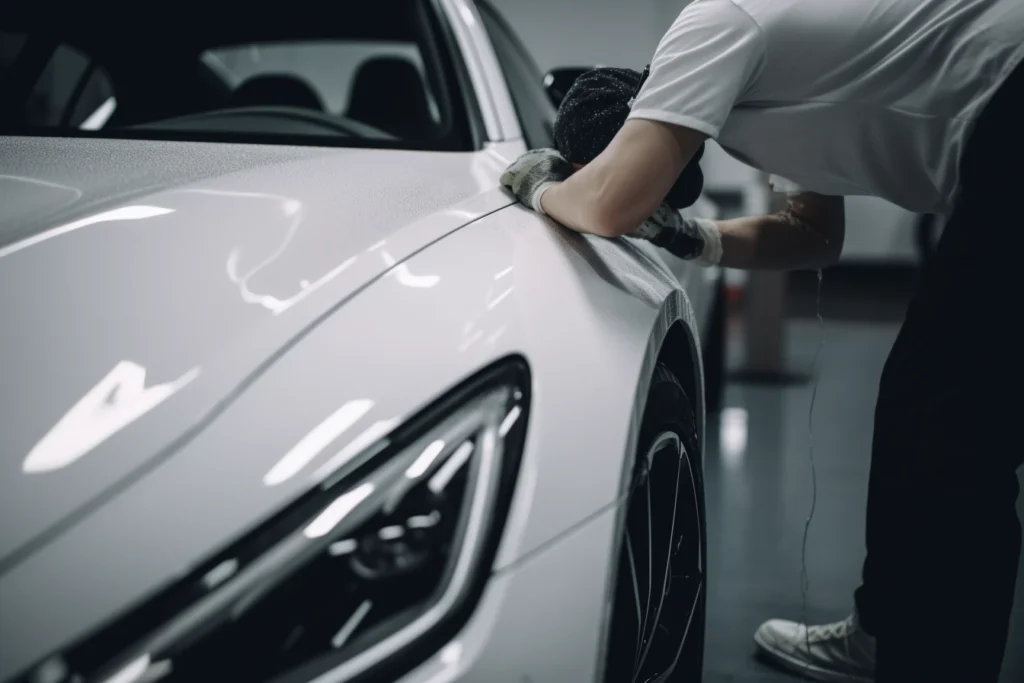
Mastering the Art of DIY: Essential Tips for Fixing Bumpers on Your Own
When it comes to fixing bumpers on your own, there are a few essential tips that can help you master the art of DIY repairs. First and foremost, it’s important to thoroughly assess the damage before starting any repair work. This will allow you to determine the extent of the damage and what materials or tools you may need for the job.
Next, make sure you have all the necessary equipment and supplies on hand before beginning your bumper repair project. This includes items such as sandpaper, body filler, primer, paint, and clear coat. Having everything ready beforehand will save you time and prevent interruptions during the repair process.
Additionally, take your time when completing each step of the repair process. Rushing through any aspect of repairing a bumper can lead to subpar results or even further damage. Follow instructions carefully and pay attention to detail in order to achieve professional-looking results.
Remember that mastering DIY bumper repairs takes practice and patience. Don’t get discouraged if your first attempt doesn’t turn out perfectly – keep learning from each experience and strive for improvement with every repair project you undertake.
Identifying Common Issues: Troubleshooting Problems in Bumper Repairs
One common issue that may arise in bumper repairs is the presence of hidden damage. While the exterior of a damaged bumper may appear to only have minor scratches or dents, there could be underlying structural issues that are not immediately visible. It is important to thoroughly inspect the entire bumper and surrounding areas for any signs of internal damage, such as cracks or misalignments. Failure to identify these hidden problems can lead to further complications down the line.
Another challenge in troubleshooting bumper repairs is matching the paint color exactly. Achieving a seamless blend between the repaired area and the rest of the bumper requires meticulous attention to detail and expertise in color matching techniques. Factors such as fading over time or variations due to weather conditions can make it difficult to find an exact match. Utilizing professional tools and resources, such as paint swatches or computerized color-matching technology, can help ensure a more accurate result.
Additionally, proper alignment during bumper repairs is crucial for achieving optimal functionality and aesthetics. Misaligned bumpers not only affect the overall appearance of a vehicle but also impact its performance and safety features. Ensuring that all components are properly aligned requires precision measurements and adjustments at every step of the repair process. This includes aligning mounting brackets, sensors, lights, and other parts specific to each vehicle model.
By being aware of these common issues in troubleshooting bumper repairs, you can better prepare yourself for potential challenges that may arise during your DIY project or when seeking professional assistance. Taking extra care during inspections, utilizing advanced painting techniques for color matching accuracy, and paying attention to alignment details will contribute to successful outcomes in your efforts towards restoring your vehicle’s bumper back into its original condition.
• Hidden damage: Thoroughly inspect the entire bumper and surrounding areas for signs of internal damage such as cracks or misalignments.
• Matching paint color: Achieving a seamless blend requires attention to detail and expertise in color matching techniques. Use professional tools and resources like paint swatches or computerized color-matching technology.
• Proper alignment: Misaligned bumpers affect appearance, performance, and safety features. Ensure precision measurements and adjustments throughout the repair process for proper alignment of all components.
• Awareness of common issues: Being aware of these issues can better prepare you for potential challenges during DIY projects or when seeking professional assistance.
• Extra care during inspections: Take the time to thoroughly inspect the bumper for hidden damage that may not be immediately visible.
• Utilize advanced painting techniques: Utilize professional tools and resources to achieve an accurate match in paint color between repaired areas and the rest of the bumper.
• Pay attention to alignment details: Ensure all components are properly aligned by aligning mounting brackets, sensors, lights, and other parts specific to each vehicle model.
Selecting the Right Tools: Essential Equipment for Successful Bumper Repairs
When it comes to bumper repairs, selecting the right tools is crucial for achieving successful results. Having the essential equipment on hand can make the repair process more efficient and effective. One of the most important tools you’ll need is a heat gun or hairdryer. This tool allows you to soften the bumper material, making it easier to reshape and remove any dents or creases. Additionally, a plastic welding kit is essential for repairing cracks or breaks in plastic bumpers. With this kit, you can melt filler rods into the damaged area, creating a strong bond that restores the integrity of your bumper.
Another key tool for successful bumper repairs is a good quality sanding block or sandpaper. This will help you smooth out any rough edges or imperfections after reshaping or filling in damaged areas. It’s important to choose sandpaper with different grits so that you can gradually refine the surface until it’s smooth and ready for painting.
In addition to these basic tools, having a reliable adhesive or epoxy is also essential for securing loose parts of your bumper back into place. Look for an adhesive specifically designed for automotive use as they offer superior strength and durability compared to regular household adhesives.
By investing in these essential tools, you’ll be well-equipped to tackle various types of damage on your car’s bumper effectively. Remember always to follow safety guidelines when using power tools and wear appropriate protective gear such as gloves and goggles while carrying out repairs.
Safety First: Precautions and Guidelines for DIY Bumper Repairs
When attempting DIY bumper repairs, it is crucial to prioritize safety and follow proper precautions. Firstly, ensure that you are working in a well-ventilated area to prevent the inhalation of harmful fumes from paint or adhesive products. Additionally, always wear protective gear such as gloves and safety glasses to protect yourself from any potential injuries.
Before starting any repair work on your bumper, thoroughly clean the damaged area with soap and water. This will remove any dirt or debris that could interfere with the repair process. It is also essential to properly assess the extent of the damage before proceeding. If there are deep cracks or structural issues present, it may be best to consult a professional for assistance rather than attempting repairs on your own.
When using adhesives or fillers during the repair process, carefully read and follow all instructions provided by the manufacturer. Use these products in a well-ventilated space and avoid direct contact with skin or eyes. Take caution when handling sharp tools such as sandpaper or utility knives to prevent accidental cuts or lacerations.
By prioritizing safety measures throughout your DIY bumper repair project, you can minimize risks and ensure a successful outcome. Remember that if at any point you feel unsure about performing certain tasks yourself, it is always wise to seek professional help rather than risking further damage or injury.
Exploring Alternative Options: Considerations for Choosing Professional Bumper Repair Services
When it comes to bumper repairs, exploring alternative options can often lead you to professional repair services. While some individuals may choose to tackle bumper repairs on their own, there are several considerations to keep in mind when deciding whether or not to seek professional assistance.
First and foremost, one of the main factors to consider is the complexity of the repair. Bumpers can be made from various materials such as plastic or fiberglass, and each requires specific knowledge and expertise for a successful repair. Professional technicians have extensive experience working with different types of bumpers and understand the intricacies involved in repairing them effectively.
Additionally, choosing professional bumper repair services ensures that your vehicle will be repaired using high-quality materials and techniques. These professionals have access to specialized tools and equipment that may not be readily available for DIY repairs. By entrusting your bumper repair job to experts, you can have peace of mind knowing that your vehicle will receive top-notch treatment.
Furthermore, seeking professional assistance for bumper repairs can save you time and effort. Repairing a damaged bumper yourself requires research, trial-and-error methods, and potentially multiple attempts before achieving satisfactory results. On the other hand, professionals possess the necessary skills and knowledge to efficiently diagnose issues with your bumper and provide effective solutions without wasting valuable time.
In conclusion (oops!), considering all these factors should help guide your decision-making process when it comes to choosing between DIY repairs or seeking professional assistance for fixing your damaged bumper. Weighing the complexity of the repair job along with access to quality materials, tools/equipment availability,and saving time/effort are essential aspects worth considering before making a final choice
Prevention is Key: Tips for Avoiding Bumper Damage and Costly Repairs
Regular maintenance and care of your vehicle’s bumper is essential for avoiding damage and costly repairs. One important tip is to regularly inspect your bumper for any signs of wear or damage. This includes checking for cracks, dents, or scratches that may have occurred during parking or accidents. By catching these issues early on, you can address them before they worsen and require more extensive repairs.
Another key tip is to practice safe driving habits to minimize the risk of bumper damage. Avoid tailgating other vehicles too closely, as this increases the chances of rear-end collisions that can result in significant damage to your bumper. Additionally, be cautious when parallel parking or maneuvering in tight spaces, as scraping against curbs or other objects can cause unsightly scrapes and scratches.
Investing in protective measures such as bumper guards or covers can also help prevent damage. Bumper guards provide an extra layer of protection by absorbing impact from minor collisions or bumps. Similarly, using a cover when parked outside can shield your vehicle’s bumpers from potential hazards like hailstorms, falling branches, or even careless drivers opening their doors too forcefully.
By following these preventive tips and taking proactive measures to protect your vehicle’s bumpers from potential harm, you can significantly reduce the likelihood of expensive repairs down the road. Remember that prevention is always better than cure when it comes to maintaining the condition and appearance of your car’s bumpers.
The Importance of Professional Assistance: When to Seek Expert Help for Bumper Repairs
When it comes to bumper repairs, there are certain situations where seeking professional assistance is crucial. While DIY fixes can be cost-effective and satisfying, there are instances when the expertise of a trained technician is necessary. One such scenario is when the damage to your bumper is extensive or involves structural components. Professionals have the knowledge and experience to accurately assess the extent of the damage and determine if repair or replacement is required.
Additionally, seeking expert help becomes essential if you lack access to specialized tools and equipment. Bumper repairs often require specific instruments that may not be readily available in your personal toolbox. Professionals have access to these tools, ensuring that the job is done efficiently and effectively.
Moreover, professional assistance should be sought when dealing with complex issues such as sensor recalibration or advanced paint matching. Modern vehicles are equipped with various sensors integrated into their bumpers for safety features like parking assist systems or collision avoidance technology. These sensors need precise calibration during repairs to ensure they function correctly after the fix. Similarly, achieving an accurate color match on painted bumpers requires skillful techniques that professionals possess.
Overall, while some minor bumper damages can be tackled through DIY methods, it’s important to recognize when professional assistance is necessary for optimal results. By entrusting experts with intricate repairs involving extensive damage or specialized procedures like sensor recalibration and paint matching, you can ensure a safe and high-quality restoration of your vehicle’s bumper without compromising its functionality or appearance.
Long-Term Maintenance: Tips for Extending the Lifespan of Your Repaired Bumper
To ensure the longevity of your repaired bumper, it is crucial to implement proper long-term maintenance practices. One important tip is to regularly clean and protect your bumper from environmental factors that can cause damage. Washing your vehicle frequently will remove dirt, grime, and corrosive substances that could deteriorate the bumper’s surface over time. Additionally, applying a protective wax or sealant can provide an extra layer of defense against UV rays, moisture, and other elements.
Another key aspect of maintaining a repaired bumper is to be cautious when parking or maneuvering in tight spaces. Avoid scraping or bumping into objects such as walls, curbs, or other vehicles that could potentially re-damage the bumper. Being mindful of your surroundings and practicing safe driving habits will help minimize the risk of accidents and subsequent repairs.
Lastly, regular inspections are essential for identifying any signs of wear or damage on your repaired bumper. It is recommended to visually examine the surface for scratches, chips, or fading periodically. If you notice any issues, address them promptly before they worsen and require more extensive repairs. By staying vigilant and proactive in caring for your repaired bumper through cleaning routines, careful driving habits,and regular inspections,you can significantly extend its lifespan while keeping it looking like new.
Incorporating these tips into your routine maintenance practices will not only help preserve the appearance of your repaired bumper but also contribute to its overall durability in resisting future damage. Remember that taking care of small issues early on can prevent larger problems down the line – ensuring both cost savings and peace of mind knowing that you’ve done everything possible to maintain your newly restored bumper’s condition.
How much does it cost to repair a bumper?
The cost of repairing a bumper can vary depending on the extent of the damage and the type of vehicle. It is best to consult with a professional for an accurate estimate.
Can I repair a bumper myself?
Yes, it is possible to repair a bumper yourself. However, it requires the right tools, skills, and knowledge. It is recommended to research and follow proper guidelines or seek professional assistance if unsure.
How long does a repaired bumper typically last?
The lifespan of a repaired bumper can vary depending on various factors such as the quality of the repair, the type of materials used, and the level of care taken. With proper maintenance, a repaired bumper can last for several years.
What are some common issues that can arise after bumper repairs?
Some common issues that can arise after bumper repairs include paint peeling, misalignment, cracking, or the bumper not fitting properly. These issues can occur due to poor repairs or inadequate materials used.
What tools are essential for successful bumper repairs?
Essential tools for successful bumper repairs include a heat gun, sandpaper, filler material, a primer, and paint. Additionally, having masking tape, a plastic adhesive, and a clean cloth is also recommended.
Are there any precautions to take when repairing a bumper yourself?
Yes, when repairing a bumper yourself, it is important to wear protective gear such as gloves and goggles. Additionally, ensure proper ventilation if using chemicals or adhesives and follow safety guidelines provided by the manufacturer.
When should I consider seeking professional help for bumper repairs?
It is recommended to seek professional help for bumper repairs in cases of extensive damage, structural issues, or if you are unsure of your DIY skills. Professionals have the expertise and experience to ensure a quality repair.
How can I avoid bumper damage and costly repairs?
To avoid bumper damage and costly repairs, it is important to practice safe driving habits, maintain a safe distance from other vehicles, and park in designated areas. Additionally, using bumper guards or protective film can offer added protection.
How can I extend the lifespan of my repaired bumper?
To extend the lifespan of your repaired bumper, regularly clean and wax it to protect the paint. Avoid harsh chemicals or abrasive materials when cleaning. Additionally, park in shaded areas to prevent sun damage and avoid parking too close to other vehicles.