
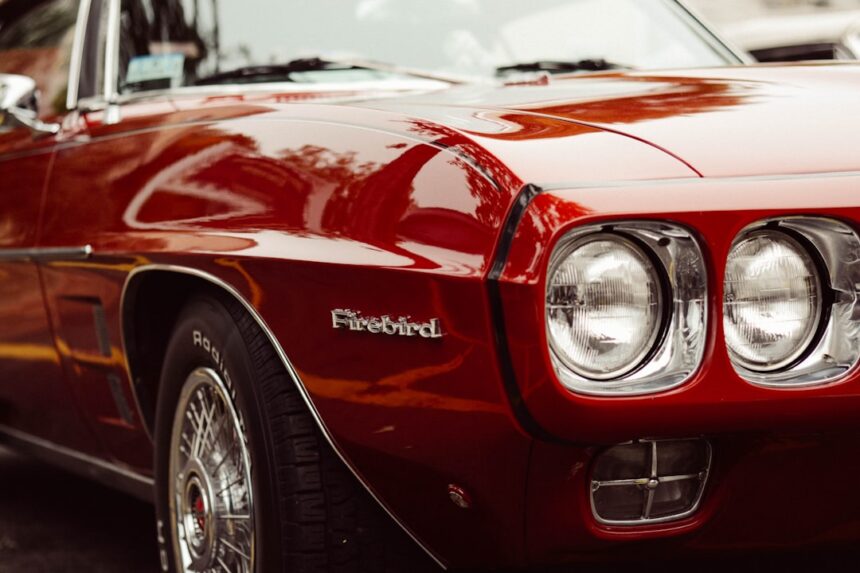

Car restoration can be an arduous yet satisfying process, depending on its extent, it could require thousands of hours in labor to finish successfully.
However, classic car owners are fortunate that there are ample tools and resources available to them – including quality parts, online tutorials and training to develop the necessary skills.
Restored Cars Are More Affordable
Recommended: headlight restoration kits
Handpicked Amazon products relevant to this guide. Prices vary, links go to current Amazon listings.
Restoration can often be more cost-effective than buying one in good condition, often saving thousands in expenses between the two options. To make restoration more cost effective and reduce risk, choose an experienced shop with good reviews; many disreputable shops may try passing off minor fixes such as Bondo application as car restoration without providing receipts proving this claim; to avoid this possibility it’s wise to see receipts and examine shops thoroughly prior to committing to any work being performed on your classic.
Paying too much for auto insurance?
The average driver saves $840/year by comparing 3+ insurance quotes. Get instant quotes from top carriers in under 2 minutes.
Sponsored links. We may earn a commission if you request a quote at no cost to you.
Restored cars can be more cost-effective to own and maintain due to lower repair and replacement costs and the fact that older vehicle parts can often be found readily at reduced costs than new replacement parts.
Restoration can increase the value of your classic car. A restored vehicle will likely be in better condition than an unrestored one and have greater resale value; however, restoration needn’t just be about money – sometimes it can simply be about preserving family traditions or fulfilling a dream that transports back through time.
Restoration work typically entails exterior and interior vehicle restoration, often including repainting. This process typically costs anywhere between $1,000 to $5,000 depending on its quality. When searching for a paint shop, make sure they use high-grade automotive paint without cutting corners to save yourself some hassle later.
Full restoration often necessitates replacing multiple components, from tires (typically costing $200-400 each) to engine rebuilds or replacement, with potential additional expenses such as carburetor replacement being another major outlay.
Restored Cars Are More Versatile
As well as maintaining its originality, regular restoration can increase resale value of rare classic or high-performance cars that tend to appreciate with age, regular restoration is an intelligent investment strategy. There are some considerations when it comes to restoration: firstly it’s essential that you determine why you want to restore a vehicle; this could include personal use on the road versus selling at auctions or private sales; this information will allow you to choose an ideal car for yourself.
One of the primary challenges associated with restoration projects is setting an affordable budget. Newcomers to restoration often select their favourite car first before setting a budget that may end up being unrealistic. Therefore, conducting extensive research before beginning restoration and seeking consultancy from professionals are both key steps.
Restored cars often find eager buyers among collectors and enthusiasts who appreciate their distinct qualities. Such interest can drive up a restored car’s resale value at auctions or private sales. Furthermore, high-quality craftsmanship combined with authentic detailing add to its allure.
Restorers often choose either a partial restoration, leaving its exterior as it was when originally constructed, or replacing all parts with modern ones – which may provide advantages such as enhanced engine performance and safety features – however it’s important to remember that an intensive restoration can have negative resale value impacts.
Paint should match the original hue of your car if possible; otherwise, select one available at the time it was made. Trim and other hardware must also match, or they could lose value. Moreover, renovating or refurbishing interior components could significantly improve comfort and appearance.
Restored Cars Are More Authentic
Car enthusiasts know that their classic vehicle’s appearance speaks volumes about them. How you restore it reveals your passion for particular models from certain eras, the designers responsible and engineers that made them possible – this is why many turn to professional restoration services in order to keep their classic vehicles looking showroom fresh – it also increases resale value.
Traditional restoration aims to return a car to its condition at time of manufacture, using modern parts as necessary to replace parts that no longer function, with traditional parts used whenever possible; some restoration projects may use both approaches depending on availability and condition of old components.
On the other hand, there’s an emerging movement known as restomodding that involves restoring an automobile back to its original spec while adding modifications for comfort and safety. While restomodding may be less expensive and faster than full restorations, its authenticity may still be questionable.
Authenticity is an integral component of classic car’s appeal and can be difficult to attain. When assessing restoration efforts for their authenticity level, it’s essential to understand their motivation; for instance, restoring an antique vehicle primarily to sell at auction could diminish its value due to paint jobs that don’t match its original hue.
Restoring a car has both aesthetic and historical importance. When driving one, it transports you instantly back to its era of origin; hence its continued popularity on our roads today; they serve as reminders of past ages that can all admire.
Restored Cars Are More Timely
Restoring a car can be an extensive and lengthy process, depending on its scope. Restoration projects often take months or years to complete, which makes choosing parts carefully and conducting thorough research essential in completing restorations on time and within budget.
One of the primary drivers behind car restoration is increasing resale or investment value. By returning it to its original factory specifications and including more modern components than originally installed, restoration can increase classic car values over time significantly.
Restoring a vehicle can also serve to make it safe to drive again, such as fixing issues with its engine, chassis or electrical systems. Restoration can also repair damage caused by accidents or natural wear-and-tear. When repaired or restored properly, cars become safer and more cost-efficient for driving.
Restored cars can be an enjoyable driving experience. Their sleek designs and speed can make them great weekend cruisers or classic muscle car options; whatever your preferences may be there is sure to be a restored car out there for you.
Finding your ideal car requires selecting one in good condition with an undamaged body, making the restoration process faster and simpler, as well as staying within budget.
While some car enthusiasts opt to restore vehicles back to their original condition, others choose an approach known as resto-mod that modifies certain features on a vehicle without completely dismantling or rebuilding it. While not accepted by traditional restorationists, many people choose this path nonetheless.
No matter your decision with your classic car, remember that most restoration projects offer poor returns on investment. The exception would be very rare or collectible vehicles which may increase in value over time.