
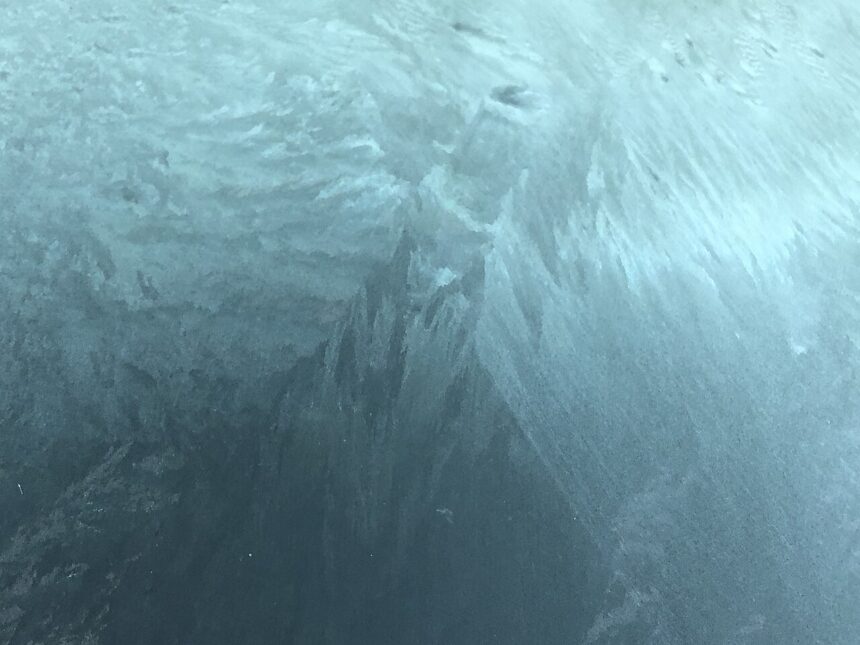
Windshields can be exposed to numerous conditions that could result in cracks. Some scenarios may cause less serious issues than others; all can contribute to further widening of existing cracks.
NWRD recommends using OEM windshields that meet vehicle manufacturer standards and specifications, to reduce noise and vibration. A properly installed windshield also reduces noise pollution and vibrational issues.
Cost
Recommended: DIY windshield & glass care
Handpicked Amazon products relevant to this guide. Prices vary, links go to current Amazon listings.
Your car windshield is an integral safety feature, providing protection for you and your passengers during an accident, and contributing to airbag deployment. Therefore, any signs of damage must be repaired immediately, including minor chips which could become spider web cracks if left unattended; such cracks could weaken its structural integrity as well as reduce driver visibility thus increasing risk.
Windshield damage is an all-too-common occurrence and may be the result of various sources, such as flying debris on the road or objects falling off your vehicle. While this type of damage should typically be covered by comprehensive or collision policies, repairs or replacement costs may still be costly depending on severity and your location.
Crack or chip repairs to windshields tend to be cheaper when they don’t extend past the edge, since this places less strain on its inner layer of glass. Repair costs increase if crack reaches edge or near sensor; then, technician must reseal and align sensors which is time-consuming and costly.
Crack or chip type will impact repair/replacement costs. Chips (pits), formed when debris hits a windshield, range in size depending on their severity; cracks can either be classified as floater cracks or edge cracks (edge cracks are usually located along its edges, while floater cracks can occur anywhere on its surface), depending on their severity.
ADAS features, such as collision avoidance or blind spot monitoring cameras or sensors used for collision avoidance or blind spot monitoring are functioning correctly post repair or replacement windshield. Calibration processes for such features vary by vehicle manufacturer; static or dynamic calibration processes may be utilized depending on their requirements.
Safety
Damaged windshields pose serious safety hazards, from simple rock chips to full cracks. Any of these defects can obscure your vision while driving on busy streets and highways, while cracks weaken structural integrity of vehicles, increasing risk of collapse during an accident. As soon as cracks or chips arise it should be addressed immediately in order to safeguard personal safety. It is therefore imperative that any repairs for chips or cracks be performed as quickly as possible.
Windshield installation requires glue and molding processes that take some time for curing to complete, so during this period it is best not to subject it to excessive vibrations or forces; hence it is advised not to slam doors or use sunshades in the first 48 hours after replacing your windshield.
Most drivers recognize the danger of driving with a cracked windshield, but many are unaware of how even minor cracks can create significant issues. A crack that extends across the center of a windshield may interfere with airbag deployment – airbags are designed to inflate quickly; an obstruction from cracks in a cracked windshield prevents this process. Moreover, cracks may also shatter glass into pieces that could injure drivers and passengers alike.
Cracked windshields can often be repaired with professional assistance. A reliable glass company will use high-grade auto glass to ensure safe installation according to manufacturer recommendations, testing it post installation for proper function.
Location plays an integral role in determining whether or not windshield damage can be repaired. A crack directly in your line of vision will likely require replacing; similarly if it extends across plastic layers or inner layers of glass it likely requires full replacement as well.
Crack size and location also play a critical role. A small crack that resides only near one corner of the windshield is more likely to be repaired quickly than one that extends beyond the width of a dollar bill. Furthermore, freezing temperatures can exacerbate existing cracks further and make repairs harder than intended.
Installation
Windshield replacement requires an experienced technician and requires much hard work. Glass must be properly installed so as not to come loose or crack; there may also be other considerations, including their impact on Advanced Driver Assistance Systems (ADAS) features such as rear view cameras and sensors that support assisted emergency braking, lane keeping assist, adaptive cruise control etc. If replaced incorrectly these features could require recalibration which could cost considerable sums.
At first, a technician must remove your old windshield by marking off its area with tape and covering it in towels to avoid damage to your vehicle during removal. He will then proceed to take down rearview mirror, windshield wipers and plastic molding around the perimeter of the windshield (older cars may feature this molding), prior to detaching it with cold knife or razor blade and dislodging pinch weld using cold knife or razor blade; finally he will use suction cups to secure new windshield onto vehicle.
Once the new windshield is in place, an installer will apply sealant around its perimeter and edges in order to protect the adhesive seal against weather elements, vibrations from driving, contaminants or any other disruptions. Once this step is completed, he will prime its edges before applying urethane glue for installation; finally using an abrasive pad he will clean off any oils or residue on glass before finally applying a primer specifically tailored for it.
Once your windshield has been installed, it is essential that you wait at least an hour before driving your car again in order to allow its sealant to fully set and cure. In addition, follow any local rules regarding its repair or replacement; for instance if cracks or chips obscure your view while driving you could face driving infractions and may require you to repair or replace it or risk penalties from local authorities.
Warranty
Warranty coverage should also be considered when choosing a shop, with many offering additional coverage of equipment other than just glass workmanship – for instance recalibration of advanced driver assistance systems like lane keeping assistance, adaptive cruise control and automated braking as part of their service package after replacing windshields.
An extended warranty provides peace of mind when having work done to your car, providing assurance of both service and quality from any shop you consider doing business with. A good warranty gives you this peace of mind so that when making decisions based on quality or price alone it won’t leave you wondering whether to go forward or not.
Auto insurance policies usually cover the costs associated with replacing or repairing windshields that have been damaged, including your comprehensive deductible, which means you won’t pay out-of-pocket for repairs or replacement. However, to enjoy these benefits it must first have been purchased on your vehicle.
When selecting a shop to repair or replace your windshield, it’s essential to inquire whether they provide a lifetime guarantee. A lifetime guarantee gives peace of mind knowing your glass won’t break or crack again – plus it shows the company stands behind their work!
Quality of the windshield you’re installing is also of utmost importance, with OEM (original equipment manufacturer) glass being preferred due to its safety and fitment benefits. Knowing whether the glass you are purchasing is OEM or generic is vitally important as this allows you to be certain you’re getting a safe, high-quality windshield that won’t compromise performance of your vehicle.
Windshield damage can be caused by road debris, rocks or hail. Although designed to withstand impact, these items may still result in small chips or cracks which later enlarge into larger splits in your glass surface. Repairing these damages as soon as possible will help prevent them from spreading further and damaging its inner layers.
There’s no guarantee against rocks flying up from the freeway and striking your windshield, but you can have peace of mind knowing that should they do, your insurance provider will cover the costs for repairing or replacing it. However, if a crack or chip does develop quickly it should be addressed promptly as any delay could further erode its condition or put you at risk of ticketing for driving with inoperable safety equipment.