
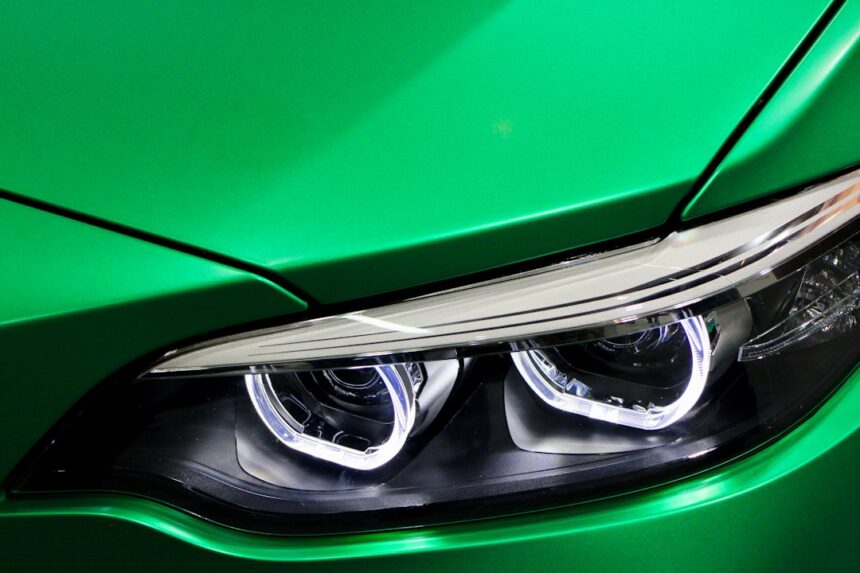
Automotive body work tasks that involve changing or applying touch-up paint include changing its color or applying touch-ups. If you want to become an Auto Painter, experience can be gained either through attending vocational schools that offer certificate programs or by taking on-the-job training opportunities.
First step of painting your car should involve sanding it to create an even surface for paint adhesion; RheolabQC rotational rheometers are highly recommended in this step of the process.
Preparation
Painting a vehicle’s body involves multiple steps. Before any professional paint job can begin, its body needs to be prepared. As a body painter, this will involve thoroughly cleaning it–especially areas with dirt or rust deposits–then using a tack cloth, which has slightly adhesive fibers, to pick up any micro-contaminants so the next coat adheres evenly. Finally, after finishing each step in turn, a full inspection ensures no details were missed and that the finished product is free from defects or flaws or flaws or defects.
As part of your preparation, it is also necessary to gather all the tools and materials for the task at hand. This may involve setting up a well-ventilated work area, providing enough masking tape, as well as gathering any special supplies such as paint thinners or rags necessary for your painting job. You should then read carefully through Material Safety Data Sheets of each paint product you are using – these sheets will give insight into potential toxic substances released during application, preparation needs and any special instructions regarding use or preparation requirements.
Once again, if you’re working on multiple parts of a car or large areas, it’s time to begin the sanding and priming process. Although this task can be tedious, it is vitally important for ensuring the next coat adheres well and is smooth enough for driving purposes. Typically this step takes up to two hours per panel so patience will be essential – plus allow enough time so the process can be finished in one day rather than over multiple weeks or months!
Primer
Primer is used to seal paint and ensure it adheres well with surfaces, while helping reduce color variations when painting a car. Apply it after sanding, and allow to fully dry before applying your first coat of paint.
There are two primary types of primer: solvent and water borne. Solvent-borne is typically associated with traditional auto body shops and contains solvent-based applications like urethane or lacquer; waterborne primer is becoming more popular due to being less toxic with lower VOC emissions and can provide low VOC options. Both options may be found at auto body shops but it is essential to know which is suitable for your project.
If your vehicle requires body filler, this must be completed prior to spraying primer. When using a spray can, read all directions carefully and test your product on scrap metal before applying it to the vehicle itself. Some primers need multiple thin coats sprayed over an hour-to-cure properly.
After your primer has set, it should be cleaned off using thinners and a clean rag to eliminate dust from its surface. This makes the area ready for its finishing coats.
Clearcoats are used to shield underlying colors from dirt and moisture. There are numerous varieties of clearcoats on the market, so it is essential that you find one that complements your paint job perfectly. Some clearcoats provide added luster or shine; others may include UV protection to avoid fading or oxidation. Furthermore, some clearcoats even add gloss to vehicles and can even be tinted according to certain shades of paint.
Undercoat
Undercoating is an integral component of many body work projects. After sanding, an undercoat must be applied to provide a firm base for subsequent coats. Not only does it protect against moisture damage and extend vehicle lifespan, it can also hide imperfections on its surface by helping cover imperfections such as bumps. Ultimately it helps your top coat last longer by protecting its color against moisture exposure and wear-and-tear.
The type of undercoat used depends on both the paint job and vehicle involved. A vehicle with exposed metal surfaces will require an etch primer undercoat to protect from corrosion; while for one that has been sanded down to bare metal, another type such as an epoxy or polyurethane primer might be more appropriate. In general, however, undercoat colors match that of their top coat counterpart; white creating lighter results while black creating richer and deeper results.
Some undercoats, known as sealers or primer-sealers, can be used on new surfaces to seal them against being painted over later; they’re most frequently utilized on already painted ones to keep top coats from bleeding through or being absorbed by pores in the substrate. Certain varieties also provide specific cosmetic effects like glossiness or metallic sheen for translucent and metallic top coat colors.
Professional automotive painters possess years of experience managing the interaction between undercoat and top coat colors to achieve desired finishes and accurate color matching. However, even amateur auto paint enthusiasts can use simple steps at home to oversee this process successfully. A paint tester can be useful when testing base and top coat colors to ensure they will blend harmoniously together.
Top Coat
Once your base coat is complete, it is important to apply a clear coating as soon as possible to protect it from chipping, cracking and weathering. A clear coat gives an elegant gloss finish while improving abrasion resistance and protecting from UV radiation fading as well as providing extra rust protection.
Before spraying clear coat, it’s essential to use a tack wipe to remove any dirt or grime that has collected on the car’s surface, using a lint-free cloth as any chemicals left behind may interfere with adhesion to the clear coat.
If you want a high-end look, consider applying an additional clear coat containing additional UV protection. Make sure that the first clear coat dries completely before applying a second one or you could risk ruining its basecoat paint underneath it.
No matter whether you’re working on a car or furniture restoration, proper painting techniques must always be followed. Personal Protective Equipment (PPE), including a respirator, should also always be worn when painting, including full body paint suits with hoods and nitrile gloves as well as safety glasses.
CTEC’s Auto Body Repair & Painting program offers students an immersive learning experience to prepare them for a future in automotive repair and painting. Through contextualized Math and English classes, dual credit with Clackamas Community College, career coaching services, hands-on training opportunities, access to professional equipment and access to professional facilities; our students will find themselves on a path toward automotive success! For more information visit our website or reach out! Joseph Rambeck is one of CTEC’s teaching instructors in this program, teaching both Math and English courses to set students on this path toward automotive success – his passion lies in investing our students for success by equipping them with industry experience that sets them up for future success! Visit us or reach out today to reach us! Joseph Rambeck loves helping our students discover their future through providing industry experience that sets them up for future success by giving them hands-on experience from industry experience that sets them up for successful careers! To reach him today! Visit CTEC! CTEC To enroll now! Joseph Rambeck is teaching instructor within CTEC’s Auto Body Repair & Painting program, teaching both Math & English while providing industry experience that equips our students for success future career success through providing industry experience that sets up our students for success within CTEC! To enroll today or reach out. Contact CTEC now & paint us! Joseph Rambeck loves sharing his teaching expertise by investing in our students future! To contact him today! For more info! Please contact CTEC Today! For more info! Visit or call CTEC Today! Joseph Rambeck teaching instructor Joseph is proudly dedicated towards making CTEC for Auto Body Repair & Painting program today or reach us now for Auto Body Repair & Painting program today & Paint. Paint. Paint program today &PainPain& Paint by providing industry experience that sets students ahead. & P! TODAY!! & Painting program today &P! For more….! & Paint is teaching CTEC today or just ask Joseph Rambeck Today! & P TEC now for CTEC Today. For more info! Visit CTEC TO CTEC today /contact CTEC today.
Finishing
Auto body painting projects should always include the application of a clear coat to safeguard it against UV light and abrasion. Once base and undercoat layers have dried, clear coat is typically applied directly onto the car surface either solvent- or water-based and applied once road salt, dirt and other contaminants begin wearing down its paintwork. In order to maintain optimal protection it’s advisable to wax your vehicle every 3-4 months post application of new clear coat.
An exceptional finish requires using proper application techniques and using top-of-the-line automotive paint, in which artistic expression meets scientific precision. SYBON automotive paint formulations are specifically crafted to achieve this harmonious balance and deliver outstanding results, whether customers are renovating classic vehicles or updating modern vehicles with an elegant new aesthetic. Cleaning and sanding ensure a surface is smooth for painting, while priming enhances adhesion for an even, long-term finish. Once primer and top coat have been applied, painters utilize various sanding techniques and polishing compounds to achieve an impeccable appearance.
Recommended Paint Supplies
- Dupli-Color Perfect Match Spray — OEM color-matched touchup, huge model coverage ($10-20).
- HVLP Automotive Spray Gun — best DIY choice for panel painting ($60-180).
- 3M Automotive Masking Tape — the yellow tape used by pros — clean edges every time ($10-20).
- Automotive Primer Sealer — essential base coat for adhesion and color uniformity ($20-40).
- Automotive Clear Coat — 2K urethane clear for UV and chemical resistance ($25-60).
Amazon affiliate links.