
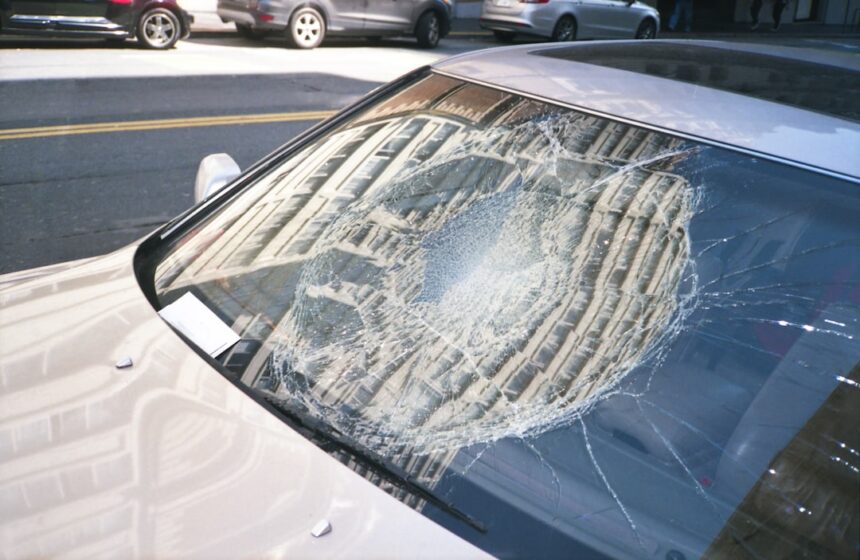
Under a casual glance, hail damage may appear like an easily remedied problem; however, every day that passes without being addressed quickly could mean financial hardship for its owner.
Selecting an inappropriate repair shop could result in subpar work, additional damage and low quality replacement parts – all of which could lower its value and even become unsafe.
Paintless Dent Removal (PDR)
Recommended: fix small dents at home
Handpicked Amazon products relevant to this guide. Prices vary, links go to current Amazon listings.
Paintless Dent Removal (PDR) is an advanced technique that uses no harmful chemicals or paint. PDR is both fast and eco-friendly, saving both time and money over traditional repair options. However, when selecting a PDR service provider it’s essential that they have experience working with all makes and models of vehicles as well as being willing to collaborate with your auto insurance provider to minimize out-of-pocket expenses.
Paying too much for auto insurance?
The average driver saves $840/year by comparing 3+ insurance quotes. Get instant quotes from top carriers in under 2 minutes.
Sponsored links. We may earn a commission if you request a quote at no cost to you.
PDR (Paintless Dent Repair) repairs involve accessing the back or underside of the dent and then using special tools to massage it back into place, often hail damage dents. Sometimes special tools must be used to release trapped air within a dent before tapping out with PDR tools can occur if required to release trapped air within it. PDR may also be used to fix hood dents caused by debris falling off vehicles or minor front-end collisions.
Finding all of the dents and dings can be one of the toughest aspects of PDR work, yet another challenge. Fluorescent lights on adjustable stands help illuminate body panels’ flat surfaces so repair technicians can more easily see all dents clearly, and then mark each dent with grease pencil or tape so they can track its progress during repair work. Since a PDR technician often deals with over 100 hail dings at once, marking each dent correctly is key for effective hail ding repair work.
Although this method works well for small dents and dings, it may not be applicable when dealing with larger damage caused by hailstones or other objects. Large dents often need different forms of repair such as suction cup pulling or glue pulling to correct.
PDR for hail damage repair is an effective and economical way to bring back your car’s appearance without altering its factory finish. PDR often costs less than traditional repairs and can often be completed within several hours, shortening time spent in shops. Furthermore, using PDR helps your vehicle retain its value by eliminating the need for new coats of paint which depreciate over time.
Bondo
Hail damage is an all too familiar hazard for car owners in areas prone to severe weather, and while comprehensive insurance policies typically cover this form of damage, fixing your car after a storm can still be expensive. There are steps you can take to limit how much money is spent on repairs: starting by getting an estimate from insurers (usually with apps that allow uploading photos and managing deductibles/appraisals/appraisals etc), followed by seeking out quotes.
Your DIY kits may also allow for some minor damage repair. They feature tools to fill cracks and chips with durable resin to remove air. However, these DIY solutions won’t help repair larger dent repairs; therefore it is advisable to have it done professionally as soon as possible if there is significant hail damage on your car.
One of the biggest mistakes you can make when it comes to hail damage repair is procrastinating. Every day that passes can leave your vehicle more dented than it originally had, further increasing repair costs. Furthermore, should an accident occur during that wait time period, your insurance provider could consider any preexisting damage precluding claims being paid out.
Bondo was developed as a safe alternative to body solder, a product used to repair metal. While much safer to work with than its predecessor, Bondo can still cause health concerns if it comes into contact with skin or eyes. Composed of unsaturated polyester resin mixed with minerals and glass micro spheres, Bondo provides lightweight body filler ideal for professional or DIY use alike.
Paintless Dent Removal (PDR) and conventional body shop repairs are the two primary forms of hail damage repair, respectively. PDR can be more cost-effective and faster than traditional methods; saving both money and getting you back on the road sooner. However, for extensive dents it may be wiser to visit a professional who can combine PDR with traditional techniques in order to restore it to its original condition.
Suction Cup Pulling
Hail damage can be difficult to avoid in certain parts of the world, making repairs more important than ever. While hail damage might seem minor at first, untreated it can quickly worsen and reduce vehicle values over time. Luckily, however, you can take measures to repair hail damage on your car using various repair techniques; this process should make your ride much better in the future!
One of the easiest and most affordable ways to repair hail damage is with a dent repair kit. These kits are highly affordable and can be used by anyone with some DIY repair experience. These kits typically include knockdown tools, glue guns, and various stem sizes suitable for various sized dents; making this method perfect for small dents while simultaneously improving your vehicle’s appearance without paying exorbitant body shop prices.
Suction cup pulling tools offer another viable solution for repairing hail damage. These easy-to-use tools can be purchased from many auto parts stores and allow users to remove dents without damaging paint or trim; making these ideal tools for quickly reaching those difficult-to-reach places on a vehicle’s bodywork.
Heat can also help pop out hail-damaged car dents. While this technique can be effective, it requires time and patience for maximum effect. One quick method for doing so is parking your vehicle in a sunny area to allow sunlight to heat the metal, before using cold elements such as dry ice or an icy cloth to quickly decrease temperature to contract the metal and push out dent(s).
If your vehicle has suffered extensive hail damage, a professional body shop may be the ideal solution. Selecting one with a good reputation will give you peace of mind that its repairs will be carried out correctly – you can find one by consulting friends and family or searching online.
Paint Matching
If you are seeking to repair car hail damage, there are various solutions available. Many body shops employ paintless dent removal (PDR), which involves using special tools to remove dents without damaging original factory paintwork. PDR may be faster and less costly than conventional body shop methods but may not suit all forms of damage; before trying any DIY repairs yourself it is recommended that first consult a professional body shop.
Your insurance may cover the costs associated with hail damage repairs depending on what kind of policy you have in place. Most policies cover damage caused by acts of nature, including hailstorms; however, to make sure you have sufficient protection speak to your insurer about what type of coverage is right for you.
One way of fixing hail damage on a vehicle is applying heat directly to affected areas. Heating will cause metal in a dent to expand and restore its original shape; for maximum effectiveness, apply gentle heat over short intervals for each area of your car’s body. You could also consider purchasing long-handled metal pushing tools that reach inside body panels to gently push out dents from these tools.
Paint-matching apps are also available and may help you locate the ideal shade to complement the paint on your vehicle. Most apps allow users to upload a photo and provide them with possible matches. Unfortunately, no guarantee can be given as to which one will provide an exact match; therefore, for optimal results visit an established auto body shop for this process.
At times, hail damage can cause significant structural issues with vehicles and be declared totaled by their insurance provider. A totaled car is defined as one whose cost of repair exceeds its market value – typically older cars with extensive hail damage are more likely to be totaled than newer ones with minor dents and dings; but ultimately this decision lies with each insurance provider individually.