
Understanding the Importance of Regular Cleaning
Recommended: restoration essentials
Handpicked Amazon products relevant to this guide. Prices vary, links go to current Amazon listings.
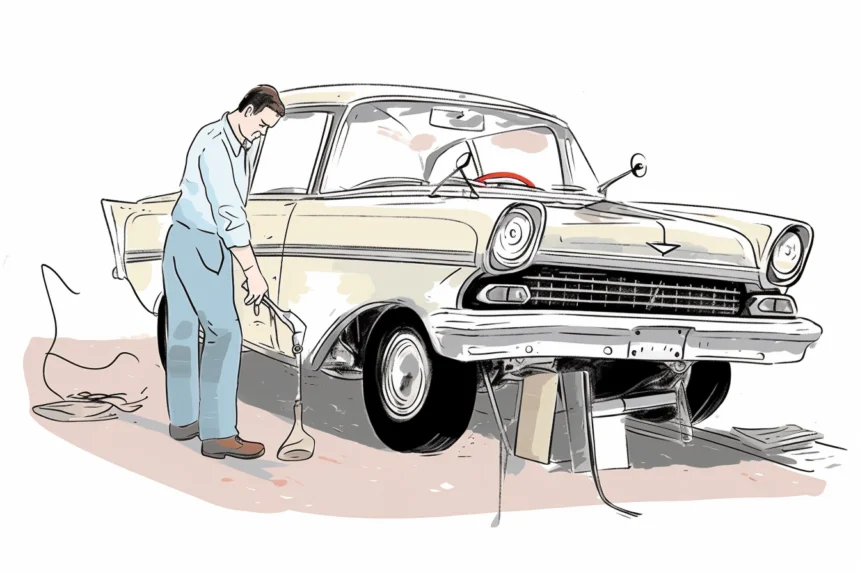
Regular cleaning is vital for maintaining the appearance and overall condition of your vintage car. Without proper cleaning, dirt, dust, and other particles can accumulate on the vehicle’s exterior, causing it to lose its shine and luster over time. By committing to a regular cleaning routine, you can help prevent the build-up of these contaminants, keeping your vintage car looking fresh and vibrant.
In addition to preserving the aesthetic appeal of your vintage car, regular cleaning also plays a crucial role in protecting the paintwork. Dust, dirt, bird droppings, and even tree sap can be abrasive and corrosive, causing damage to the paint if left untreated. By promptly removing these contaminants through regular cleaning, you can prevent them from causing long-term harm to the delicate surface of your vintage car. So, take the time to give your cherished vehicle the care it deserves by incorporating regular cleaning into your maintenance routine.
Choosing the Right Cleaning Products for Vintage Car Paint
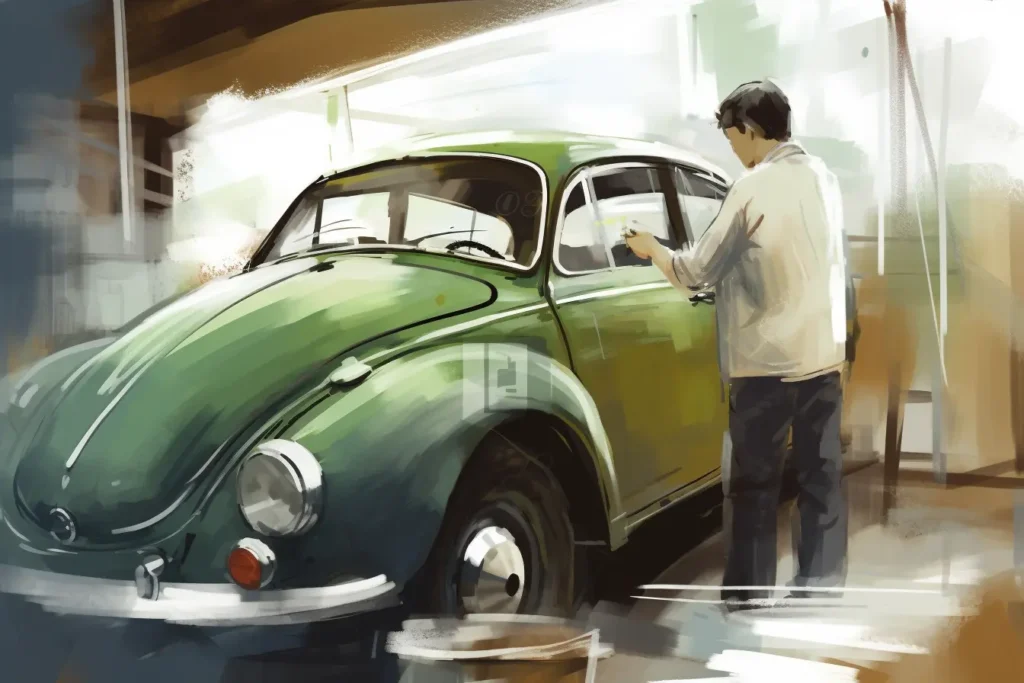
Choosing the right cleaning products for vintage car paint is crucial to maintaining its pristine condition. The delicate nature of vintage car paint requires specific products that are gentle yet effective in removing dirt, grime, and stains without causing any damage. Here are a few considerations to keep in mind when selecting cleaning products for your vintage car:
1. pH Neutral: Opt for cleaning products that have a neutral pH balance. This is because acidic or alkaline-based cleaners can strip away the protective layers of paint, leaving it vulnerable to fading or discoloration. Look for products that are specifically labeled as pH neutral to ensure the safety of your vintage car’s paint.
2. Non-Abrasive: Vintage car paint is more susceptible to scratches and swirl marks than modern car paint. Therefore, it is essential to choose non-abrasive cleaning products that won’t harm or mar the surface. Avoid harsh scrub brushes or abrasive compounds that can cause irreparable damage to the paint.
3. Gentle Formulas: Look for cleaning products that are specially formulated for vintage car paint. These products often contain gentle detergents and lubricants that help to lift dirt and grime without the need for excessive scrubbing. Gentle formulas are also less likely to strip away any existing wax or sealants that protect the paint.
4. Test First: Before applying any cleaning product to the entire surface of your vintage car, it’s best to test it on a small, inconspicuous area. This will help determine if the product is suitable for your car’s specific paint type and finish. Apply a small amount of the product, then gently wipe or rinse it off to see if any adverse reactions occur.
Remember, choosing the right cleaning products for vintage car paint is just the first step. Proper techniques and methods for washing, drying, and protecting the paint are equally important for maintaining the beauty and longevity of your cherished vintage vehicle.
Proper Techniques for Washing Vintage Car Exteriors
When it comes to washing vintage car exteriors, using the proper techniques can make all the difference in preserving the paint and overall appearance of the vehicle. Here are a few tips to keep in mind:
1. Start with a gentle rinse: Before applying any cleaning products, it’s essential to rinse the car thoroughly to remove any loose dirt or debris. This step will help prevent scratching the paint during the washing process.
2. Use a mild soap or car wash solution: When selecting a cleaning product, it’s crucial to choose one that is designed for use on automotive finishes. Avoid using household detergents or harsh chemicals that can strip the wax and damage the paint.
3. Work from top to bottom: To avoid contaminating your wash mitt or sponge with dirt from lower parts of the car, start washing from the top and work your way down. This method ensures that you are cleaning the vehicle in a systematic and efficient manner.
4. Use a soft wash mitt or sponge: Opt for a wash mitt or sponge specifically designed for automotive use, as they tend to be softer and less likely to scratch the paint. Avoid using abrasive materials such as brushes or scouring pads, as they can cause damage.
5. Rinse frequently: Throughout the washing process, be sure to rinse your wash mitt or sponge frequently to remove any dirt or debris picked up along the way. This step will help prevent any particles from being rubbed onto the paint surface, reducing the chances of scratches.
By following these proper washing techniques, you can maintain the beauty and integrity of your vintage car’s exterior for years to come. Remember to always be gentle and thorough in your cleaning process to avoid any unnecessary damage to the paint.
Drying Techniques to Avoid Damage to Vintage Car Paint
Properly drying a vintage car after washing is crucial to prevent damage to its delicate paintwork. Using the right techniques and tools will help preserve the pristine condition of the exterior and maintain its original shine for years to come.
First, it is essential to avoid any abrasive materials when drying your vintage car. Instead, opt for soft, microfiber towels or chamois. These materials are gentle on the paint and offer excellent water absorption capabilities, leaving a streak-free finish. Furthermore, always be mindful of the pressure you apply while drying. Patting the surface gently is more effective than vigorous rubbing, which can inadvertently cause microscopic scratches or swirl marks on the paintwork.
To ensure a thorough and efficient drying process, divide the car into sections. Start from the top and work your way down, moving from one side to another. By doing this, you can focus on smaller areas at a time, preventing water spots from forming as the water evaporates. Remember to dry hidden areas such as the inside of the fuel cap, door jambs, and trunk edges. This will not only protect the vintage car’s paint but also help prevent rust and corrosion in these susceptible areas.
A useful tip when drying is to refrain from allowing the car to air dry. Even if you’re in a hurry, using a dedicated leaf blower or compressed air can help dislodge trapped water from crevices, such as side mirrors or emblems. Just be cautious to keep the nozzle a safe distance from the surface to avoid any accidental damage. Additionally, open windows slightly to release any residual water vapor inside to further prevent water spots.
Follow these drying techniques, and your vintage car will maintain its timeless beauty without any unwanted harm.
The Benefits of Waxing Vintage Car Exteriors
Waxing vintage car exteriors is an essential part of regular maintenance. By applying a layer of wax to the paint, you can achieve a range of benefits that help preserve the classic beauty of these vehicles.
Firstly, waxing provides a protective barrier against environmental contaminants. Dust, dirt, and other pollutants can easily accumulate on the surface of a vintage car. However, a layer of wax acts as a shield, preventing these particles from directly adhering to the paint. This makes it easier to remove any contaminants during cleaning, reducing the risk of scratches or damage to the vintage car’s surface.
Secondly, waxing enhances the shine and luster of vintage car paint. Over time, exposure to the elements can cause the paint to dull and lose its original vibrancy. Waxing brings back the depth and richness of the color, giving the vintage car a refreshed and glossy appearance. The reflective properties of wax also create a smooth, mirror-like finish, further enhancing the overall aesthetic appeal.
How to Safely Remove Surface Contaminants from Vintage Car Paint
The importance of removing surface contaminants from vintage car paint cannot be overstated. Over time, dirt, bird droppings, tree sap, and other environmental pollutants can accumulate and cause damage to the paint job. However, it is crucial to approach this task with caution to avoid scratching or further harming the delicate paintwork.
To safely remove surface contaminants from vintage car paint, follow these steps:
1. Start by washing the car thoroughly with a gentle car wash soap and a microfiber sponge. This will help to remove any loose dirt and grime before tackling the surface contaminants.
2. For more stubborn contaminants like bird droppings or tree sap, use a specialized gentle cleaner formulated for automotive paint. Apply the cleaner to a microfiber cloth and gently blot the affected area. Avoid rubbing or scrubbing, as this can lead to scratches.
3. If the contaminant still persists, try a clay bar specifically designed for automotive use. Wet the surface with a lubricant provided in the clay bar kit and gently glide the clay bar over the affected area. This will help to lift off any embedded contaminants without scratching the paint.
4. After removing the contaminants, rinse the car thoroughly with clean water to ensure all traces of the cleaning products are removed.
5. Finish off by drying the car with a soft, clean microfiber towel. Avoid using abrasive materials or air drying, as they can leave behind scratches or water spots.
By following these steps, you can effectively remove surface contaminants from your vintage car’s paint without causing any damage. It is important to remember that patience and attention to detail are key when dealing with delicate paintwork, so take your time and proceed with caution.
Protecting Vintage Car Paint from UV Damage
Exposure to the sun’s ultraviolet (UV) rays can cause significant damage to vintage car paint. The intensity of these rays can lead to fading, discoloration, and even a breakdown of the paint’s protective layers. To ensure the long-term preservation of your vintage car’s exterior, it is important to take proactive steps to protect it from UV damage.
Here are a few tips to shield your vintage car paint from harmful UV rays:
1. Parking in the shade: Whenever possible, park your vintage car in a shaded area to minimize its exposure to direct sunlight. This could be under a tree, in a covered garage, or using a car cover specifically designed for UV protection.
2. UV-resistant car covers: Investing in a high-quality car cover made from UV-resistant materials can provide an extra layer of protection for your vintage car’s paint. Look for covers that are breathable, lightweight, and offer UV-blocking properties.
3. Waxing regularly: Applying a protective coat of wax to your vintage car’s exterior can act as a barrier against UV rays. Look for waxes that contain UV inhibitors or specifically mention UV protection in their formulation. Regular waxing not only enhances the car’s appearance but also helps maintain its paint integrity.
4. Window tinting: If your vintage car has windows, consider adding a tint to help reduce the amount of UV rays entering the interior. Window tinting can also minimize the fading and cracking of your car’s upholstery.
5. Limit exposure during peak hours: UV rays are most intense between 10 am and 4 pm. If you plan on taking your vintage car out during these hours, try to park it in a shaded spot or use a car cover to alleviate the direct impact of the sun’s rays.
By taking these preventive measures and incorporating them into your vintage car maintenance routine, you can significantly decrease the risk of UV damage to your beloved vehicle’s paint. Remember, the goal is to preserve the originality and beauty of your vintage car while ensuring its longevity for years to come.
Tips for Storing Vintage Cars to Preserve their Exterior
Storing vintage cars properly is crucial to preserving their exterior and maintaining their value. Whether you are storing your beloved classic car for a short period or for an extended duration, following the right tips can help prevent damage and keep it looking its best.
Firstly, choose a suitable storage location that provides protection against the elements. A climate-controlled garage or storage facility is ideal as it helps maintain stable temperature and humidity levels. If you don’t have access to such a facility, consider investing in a quality car cover that provides protection against dust, UV rays, and moisture. Avoid storing your vintage car outdoors as exposure to direct sunlight, rain, and extreme weather conditions can deteriorate the paint finish and cause other damage. Additionally, ensure that the storage area is clean and free from any potential hazards such as pests or chemicals that could harm the exterior of your vintage car.
Common Mistakes to Avoid When Maintaining Vintage Car Paint
One common mistake that vintage car owners make when maintaining the paintwork is using abrasive cleaning tools. While it may be tempting to use rough sponges or brushes to remove stubborn dirt or stains, these tools can actually cause more harm than good. The abrasive materials can scratch and damage the delicate paint surfaces, leading to permanent marks and diminish the overall look of the vintage car. It is important to always opt for soft microfiber cloths or gentle foam applicators when cleaning the exterior of the car, ensuring a scratch-free and safe cleaning process.
Another mistake vintage car owners often make is neglecting to regularly wax the paintwork. Waxing is not only a cosmetic step to add shine to the car’s exterior but also provides essential protection for the paint. Without a wax coating, the paint is exposed to various environmental elements like UV rays, bird droppings, and tree sap, which can cause long-term damage. Regular waxing acts as a barrier, preventing these contaminants from penetrating the paint and causing irreversible harm. Therefore, it is crucial to include waxing as a part of the regular maintenance routine to preserve the beauty and longevity of the vintage car’s paintwork.
Seeking Professional Help for Vintage Car Exterior Maintenance
Seeking professional help for vintage car exterior maintenance can be a wise decision for owners looking to ensure optimal care and preservation of their cherished vehicles. With their expertise and specialized tools, professionals can offer valuable services that may not be easily achievable through DIY methods.
One of the main advantages of seeking professional help is their knowledge of the right cleaning products and techniques for vintage car paint. These experts understand the nuances associated with different types of paint and can recommend and use products that are safe and effective for each specific car. They can also provide guidance on proper washing and drying techniques, which helps to minimize the risk of paint damage. Additionally, professionals are proficient in removing surface contaminants from vintage car paint, such as tar, bird droppings, and tree sap, without causing any harm to the delicate finish.
FAQs
Why is regular cleaning important for vintage car exteriors?
Regular cleaning is important for vintage car exteriors to remove dirt, debris, and contaminants that can damage the paint and finish over time. It helps maintain the car’s appearance and protects it from potential corrosion.
How do I choose the right cleaning products for vintage car paint?
When choosing cleaning products for vintage car paint, it is important to opt for gentle and non-abrasive formulas specifically designed for automotive use. Look for pH-neutral soaps and avoid harsh chemicals that can strip away the paint.
What are the proper techniques for washing vintage car exteriors?
When washing vintage car exteriors, use a soft sponge or microfiber cloth along with a mild soap to gently clean the surface in a circular motion. Rinse thoroughly and avoid using excessive pressure or abrasive tools that can cause scratches.
What drying techniques should I use to avoid damage to vintage car paint?
To avoid damage to vintage car paint while drying, use a clean, soft microfiber towel or chamois cloth. Pat the surface gently instead of rubbing to prevent scratches. Avoid air drying as it can lead to water spots.
What are the benefits of waxing vintage car exteriors?
Waxing vintage car exteriors provides a protective layer that helps prevent damage from UV rays, dirt, and moisture. It enhances the shine and smoothness of the paint, making it easier to maintain and prolonging its lifespan.
How can I safely remove surface contaminants from vintage car paint?
To safely remove surface contaminants from vintage car paint, use a clay bar or a specialized contaminant remover. Follow the instructions carefully, applying gentle pressure and keeping the surface lubricated to avoid scratching.
How can I protect vintage car paint from UV damage?
To protect vintage car paint from UV damage, park the car in shaded areas whenever possible, use a car cover, and apply a UV protectant or wax with UV blockers. Regularly washing and waxing the car can also help maintain its resistance to UV rays.
What tips can help me store vintage cars to preserve their exterior?
When storing vintage cars, ensure they are kept in a clean, dry, and temperature-controlled environment. Use a breathable car cover and avoid long-term exposure to sunlight. Regularly starting the engine and moving the car can also prevent flat spots on the tires.
What common mistakes should I avoid when maintaining vintage car paint?
Some common mistakes to avoid when maintaining vintage car paint include using harsh chemicals, washing in direct sunlight, using abrasive tools, neglecting regular cleaning and maintenance, and not properly drying the car after washing.
When should I seek professional help for vintage car exterior maintenance?
Seeking professional help for vintage car exterior maintenance may be necessary if you are unsure about the appropriate cleaning products and techniques, or if you need more specialized services such as paint correction, restoration, or protection. Professionals have the expertise and tools to ensure the best care for your vintage car.