
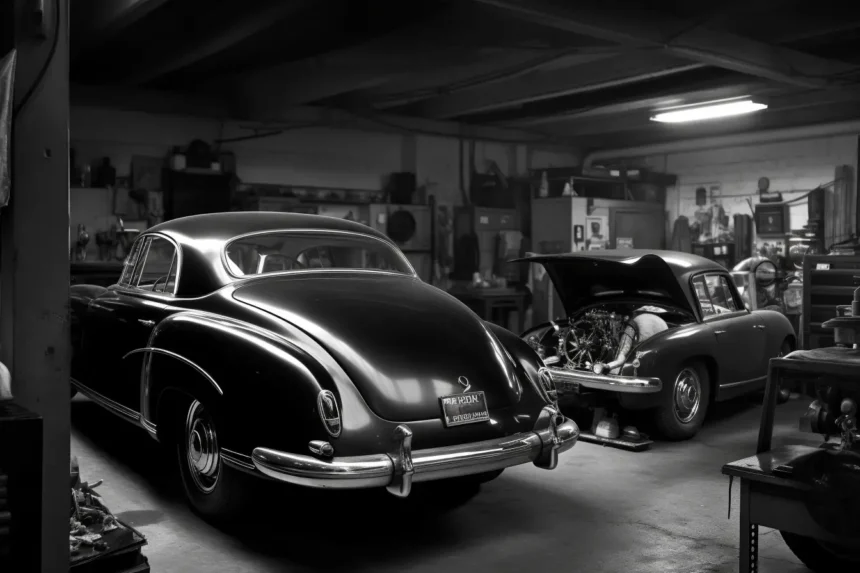
The Importance of Regularly Inspecting Your Vintage Car’s Undercarriage
Recommended: restoration essentials
Handpicked Amazon products relevant to this guide. Prices vary, links go to current Amazon listings.
Regularly inspecting your vintage car’s undercarriage is essential for maintaining its overall condition and performance. The undercarriage is often exposed to adverse weather conditions, road debris, and corrosive substances, making it susceptible to damage. By implementing a regular inspection routine, you can identify potential issues early on and take proactive measures to address them.
One of the primary benefits of inspecting your vintage car’s undercarriage is the ability to detect any signs of wear or damage. This includes rust, corrosion, loose or damaged components, and excessive dirt or debris buildup. By catching these issues early, you can prevent them from worsening and causing further damage to your vehicle. Moreover, regular inspections allow you to identify potential hazards or areas of concern that may compromise the safe operation of your vintage car. From examining the suspension components to assessing the condition of the exhaust system, a thorough inspection ensures that your car is in optimal condition.
Understanding the Common Causes of Undercarriage Damage in Vintage Cars
Vintage cars are not only a beloved hobby for many enthusiasts but also a valuable piece of history. However, these classic vehicles are often prone to undercarriage damage. Understanding the common causes of undercarriage damage is crucial in order to take the necessary preventive measures.
One of the primary causes of undercarriage damage in vintage cars is rust and corrosion. Over time, exposure to moisture, salt, and other environmental factors can cause the metal components of the undercarriage to deteriorate. This can weaken the structural integrity of the car and lead to costly repairs. Additionally, debris such as dirt, gravel, and rocks can accumulate in the undercarriage, causing scratches, dents, and even punctures. Regular inspections and cleaning of the undercarriage can help prevent these issues from escalating and ensure the longevity of your vintage car.
Steps to Take in Cleaning and Protecting Your Vintage Car’s Undercarriage
Cleaning and protecting the undercarriage of your vintage car is essential to maintain its overall condition and longevity. Here are some steps you can take to ensure its cleanliness and preservation.
1. Start by rinsing: Begin the cleaning process by using a high-pressure hose or pressure washer to thoroughly rinse off any loose dirt, mud, or debris from the undercarriage. This will help remove the initial layer of grime and make it easier to clean.
2. Choose the right cleaning products: Selecting the appropriate cleaning products is crucial in preventing damage to the undercarriage. Look for cleaners specifically designed for automotive use, ensuring that they are safe for the various materials found under your vintage car. Always read the instructions and follow the recommended dilution ratios for optimal results.
3. Scrub away stubborn dirt and grime: Using a soft-bristle brush or sponge, gently scrub the undercarriage with the chosen cleaner. Pay extra attention to areas that are more prone to collecting dirt, such as the wheel wells and suspension components. Be careful not to scrub too aggressively to avoid scratching or damaging the surface.
4. Rinse thoroughly: After scrubbing, rinse off all the cleaning residue and remaining dirt. Make sure to flush out every nook and cranny, ensuring a complete clean. This is important as any leftover residues can contribute to corrosion or buildup over time.
5. Dry thoroughly before applying protectant: Allow the undercarriage to air dry completely or use a clean microfiber cloth to dry it manually. Once dry, you can apply a protective coating that helps guard against moisture, rust, and other corrosive elements. Consider using a specialized undercoating product or a rust inhibitor to provide an extra layer of protection.
Remember, regular maintenance and cleaning of your vintage car’s undercarriage are vital in preserving its value and extending its lifespan. By following these steps, you can keep your cherished vehicle looking its best and protect it from potential damage.
Choosing the Right Cleaning Products for Your Vintage Car’s Undercarriage
When it comes to choosing the right cleaning products for your vintage car’s undercarriage, it is important to consider the specific needs of your vehicle. Vintage cars have unique requirements that may differ from modern vehicles, so it is crucial to select products that are gentle yet effective in removing dirt, grime, and other contaminants without causing damage to the undercarriage.
One of the first factors to consider when choosing cleaning products is the type of material used in the undercarriage of your vintage car. Different materials, such as steel, aluminum, or coated surfaces, may require different cleaning solutions to ensure their longevity. It is recommended to consult the car’s manufacturer or an experienced professional to determine the best cleaning products suitable for your specific vintage car’s undercarriage.
Additionally, look for cleaning products that are specifically formulated for automotive use, as they are designed to effectively clean and protect the undercarriage without causing harm. Avoid using harsh chemicals or abrasive cleaners that can strip away protective coatings or cause corrosion to delicate parts. Opt for gentle yet powerful cleansers that are safe for use on vintage car undercarriages, and always follow the instructions provided by the manufacturer for best results.
Tips for Properly Removing Rust and Corrosion from Your Vintage Car’s Undercarriage
Rust and corrosion can be a nightmare for vintage car owners, as they can eat away at the undercarriage of these prized possessions. It’s essential to properly remove rust and corrosion to prevent further damage and ensure the longevity of your vintage car. Here are some tips to help you tackle this task effectively:
1. Start with a thorough inspection: Before you begin the rust removal process, carefully inspect the undercarriage of your vintage car. Look for areas where rust and corrosion are present and evaluate the extent of the damage. This will help you determine the best approach for removal.
2. Use a wire brush or sandpaper: Begin by using a wire brush or sandpaper to remove as much loose rust and corrosion as possible. This will help create a clean surface for further treatment. Be sure to wear protective gloves and a mask to avoid inhaling any harmful particles.
3. Apply a rust remover: There are various rust removers available on the market, specifically designed for automotive use. Choose a product that suits your needs and follow the manufacturer’s instructions for effective application. Apply the rust remover to the affected areas and allow it to sit for the recommended amount of time.
4. Scrub and rinse: Once the rust remover has done its job, use a scrub brush or sponge to scrub away the remaining rust and corrosion. Rinse the undercarriage thoroughly with clean water to remove any residue. Ensure that all traces of rust remover are completely washed away.
5. Apply a rust converter: To prevent future rust formation, consider applying a rust converter to the undercarriage. This product not only inhibits rust but also converts existing rust into a stable compound. Follow the instructions provided with the rust converter and apply it evenly to the undercarriage.
Remember, the key to properly removing rust and corrosion from your vintage car’s undercarriage is diligence and regular maintenance. By being proactive in addressing these issues, you can preserve the quality of your vehicle and enjoy its beauty for years to come.
Techniques for Maintaining the Paint and Coating on Your Vintage Car’s Undercarriage
The paint and coating on your vintage car’s undercarriage play a crucial role in preserving its overall appearance and protecting it from rust and corrosion. Therefore, it is important to know some effective techniques for maintaining the paint and coating to ensure the longevity of your car.
1. Regular cleaning: Regularly cleaning your vintage car’s undercarriage is the first step in maintaining its paint and coating. Use a gentle automotive soap and a soft brush to remove any dirt, grime, or road salt that may have accumulated. Be sure to rinse thoroughly and dry completely to prevent water spots.
2. Waxing and sealing: Applying a protective wax or sealant to your vintage car’s undercarriage can help to guard against UV rays, chemicals, and contaminants. Choose a high-quality wax or sealant specifically designed for automotive use, and apply it evenly using a soft cloth or applicator pad. Follow the manufacturer’s instructions for best results.
3. Touch-up paint: Inevitably, your vintage car’s undercarriage may develop scratches, chips, or other forms of damage over time. To prevent rust from forming and to maintain the appearance, it is important to address these issues promptly. Keep a touch-up paint kit that matches your car’s color handy, and use it to touch up any imperfections as soon as they occur.
By following these techniques for maintaining the paint and coating on your vintage car’s undercarriage, you can keep it looking its best and protect it from the harsh elements it may encounter on the road. Remember, regular maintenance is key to preserving the beauty and value of your vintage car.
The Role of Lubrication in Preserving Your Vintage Car’s Undercarriage
Lubrication plays a crucial role in preserving the undercarriage of your vintage car. By keeping the various components well-lubricated, you can minimize friction and reduce wear and tear, ultimately extending the lifespan of your vehicle’s undercarriage.
Regular lubrication not only prevents parts from grinding against each other but also helps in protecting them from moisture and corrosion. Moisture can seep into the undercarriage, particularly in areas exposed to rain, snow, or high humidity. This moisture can lead to rust formation, which can weaken the structural integrity of the undercarriage. By applying a suitable lubricant, you create a protective barrier that inhibits moisture from reaching the metal surfaces, preventing rust and corrosion.
When it comes to lubrication, it’s essential to use the right product for each specific component of the undercarriage. Various parts, such as bearings, bushings, joints, and hinges, may require different types of lubricants. Grease, for example, is commonly used for bearings and bushings, while silicone-based lubricants are suitable for hinges and joints. Using the appropriate lubricant for each component ensures optimal performance and longevity. Additionally, it is important to follow the manufacturer’s guidelines and recommended intervals for lubrication, as well as using high-quality lubricants for best results.
How to Identify and Address Potential Issues with Your Vintage Car’s Suspension System
One of the most important aspects of maintaining your vintage car’s suspension system is being able to identify and address potential issues. By regularly inspecting your car’s suspension, you can catch any problems early on and prevent them from escalating into more serious and costly repairs.
When inspecting your vintage car’s suspension system, there are several key areas to pay attention to. Start by visually inspecting the shocks or struts for any signs of leakage or damage. Worn-out shocks can lead to instability and poor handling, so it’s crucial to replace them if necessary. Additionally, check the condition of the control arms, bushings, and ball joints. These components can wear out over time, causing uneven tire wear and a bumpy ride. If you notice excessive play or looseness, it’s important to have them inspected and replaced if needed.
In addition to visual inspection, paying attention to how your car handles can also provide valuable insight into potential suspension issues. If you notice that your car pulls to one side, experiences excessive bouncing or dipping during braking or cornering, or if you hear any clunking or rattling noises while driving, these are all potential signs of suspension problems that should be addressed. Ignoring these issues can not only affect your car’s performance and safety but can also lead to further damage to other suspension components.
Addressing potential issues with your vintage car’s suspension system often requires the expertise of a professional mechanic. They have the knowledge and experience to accurately diagnose the problem and recommend the necessary repairs or replacements. It’s essential to consult with a trusted mechanic who specializes in vintage cars to ensure that your suspension system is properly inspected, maintained, and restored. This will not only help preserve the integrity of your car’s suspension but also enhance its overall performance and longevity.
Preventive Measures to Minimize Wear and Tear on Your Vintage Car’s Undercarriage
Regular maintenance and preventive measures are crucial to minimize wear and tear on your vintage car’s undercarriage. By implementing these measures, you can prolong the lifespan of your vintage vehicle and ensure its continued performance. Here are a few steps you can take to protect your vintage car’s undercarriage from unnecessary damage.
1. Keep it clean: Regularly washing your vintage car’s undercarriage is essential to remove dirt, debris, and road salt that can lead to corrosion and rust. Make sure to use a gentle cleaning solution and a soft brush to avoid scratching the surface.
2. Provide extra protection: Applying an undercarriage coating or sealant can provide an additional layer of protection against moisture and chemicals. This can help safeguard your vintage car’s undercarriage from rust and corrosion caused by environmental factors.
3. Inspect regularly: Regular inspections of your vintage car’s undercarriage can help identify potential issues before they escalate. Look for signs of rust, corrosion, loose bolts, or worn-out parts. Addressing these problems promptly can prevent them from causing further damage.
4. Avoid harsh driving conditions: Whenever possible, avoid driving your vintage car in severe weather conditions, such as heavy rain, snow, and salted roads. These conditions can accelerate the deterioration of the undercarriage components.
By implementing these preventive measures, you can proactively minimize wear and tear on your vintage car’s undercarriage and ensure its longevity. Taking the time to care for your beloved vehicle will allow you to enjoy it for years to come.
Professional Services for Restoring and Protecting Your Vintage Car’s Undercarriage
Restoring and protecting the undercarriage of a vintage car requires a specific set of skills and expertise. While some car enthusiasts may choose to tackle this task on their own, there are professional services available that specialize in restoring and protecting vintage car undercarriages. These services offer a range of options to help keep your car’s undercarriage in optimal condition for years to come.
One of the main benefits of utilizing professional services for restoring and protecting your vintage car’s undercarriage is the knowledge and experience these experts bring to the table. These professionals have a deep understanding of the intricacies of vintage car undercarriages and know the best techniques and products to use for restoration and protection. They can analyze the condition of your undercarriage and provide expert advice on the necessary steps to restore and protect it from further damage.
In addition to their expertise, professional services often have access to specialized tools and equipment that may not be readily available to most car owners. This allows them to perform intricate repairs, thorough cleanings, and apply protective coatings with precision and efficiency. By entrusting your vintage car to these professionals, you can have peace of mind knowing that every aspect of your undercarriage is being properly addressed and cared for.
Furthermore, professional services can offer customized solutions tailored to the specific needs of your vintage car’s undercarriage. They can assess the type of damage, whether it be rust, corrosion, or wear and tear, and recommend the most suitable restoration and protection methods. From sandblasting and rust removal to applying protective coatings and sealants, these services can ensure that your vintage car’s undercarriage receives the attention it deserves.
While some car owners may hesitate at the cost of professional services, it is important to consider the long-term benefits. By properly restoring and protecting your vintage car’s undercarriage, you are prolonging its lifespan and preserving its value. Investing in professional services can save you from larger repair costs down the line and ensure that your vintage car remains in pristine condition.
In conclusion, professional services for restoring and protecting your vintage car’s undercarriage offer a valuable and specialized expertise. They bring knowledge, experience, and access to specialized tools and equipment to ensure the optimal restoration and protection of your undercarriage. By investing in these services, you can keep your vintage car in top-notch condition and preserve its value for years to come.
FAQs
Why is it important to regularly inspect my vintage car’s undercarriage?
Regular inspections of your vintage car’s undercarriage help identify any damage or potential issues early on, preventing further damage and costly repairs down the line.
What are the common causes of undercarriage damage in vintage cars?
Common causes of undercarriage damage in vintage cars include road salt and chemicals, rust and corrosion, debris and rocks, and general wear and tear from age.
What steps should I take to clean and protect my vintage car’s undercarriage?
To clean and protect your vintage car’s undercarriage, you should start by thoroughly washing it, removing any dirt and grime. Then, apply a protective coating or wax to prevent rust and corrosion.
How do I choose the right cleaning products for my vintage car’s undercarriage?
When selecting cleaning products for your vintage car’s undercarriage, it is important to choose ones that are specifically designed for automotive use and are safe for the materials used in vintage cars.
Any tips for properly removing rust and corrosion from my vintage car’s undercarriage?
To remove rust and corrosion from your vintage car’s undercarriage, you can use a wire brush or sandpaper to scrub away the rust, then apply a rust converter or inhibitor to stop further rusting.
How can I maintain the paint and coating on my vintage car’s undercarriage?
Regularly washing your vintage car’s undercarriage and applying a protective coating or wax can help maintain the paint and coating, preventing damage from road debris and chemicals.
What role does lubrication play in preserving my vintage car’s undercarriage?
Proper lubrication of various components in your vintage car’s undercarriage, such as joints and suspension parts, helps reduce friction, prevent rust, and extend the lifespan of these parts.
How can I identify and address potential issues with my vintage car’s suspension system?
Signs of potential suspension issues in vintage cars include uneven tire wear, a bumpy ride, and unusual noises. If you notice any of these signs, it is advisable to have a professional inspect and repair the suspension system.
What preventive measures can I take to minimize wear and tear on my vintage car’s undercarriage?
Some preventive measures to minimize wear and tear on your vintage car’s undercarriage include regular cleaning and maintenance, avoiding rough roads, and using protective coatings and undercarriage guards.
Are there professional services available for restoring and protecting my vintage car’s undercarriage?
Yes, there are professional services that specialize in restoring and protecting vintage car undercarriages. These services often offer comprehensive cleaning, restoration, and maintenance packages tailored to vintage cars.