

The Importance of Regular Car Inspections to Identify Corrosion Early
Regular car inspections are crucial in identifying corrosion early on. By conducting routine inspections, you can catch any signs of rust or corrosion before they worsen and cause significant damage to your vehicle. This proactive approach allows you to address the issue promptly and prevent further deterioration.
During these inspections, it is important to thoroughly examine all areas of your car that are prone to corrosion, such as the undercarriage, wheel wells, and door frames. Look for any signs of bubbling paint or discoloration, as these could indicate the presence of rust beneath the surface. Additionally, pay attention to any unusual smells or sounds coming from your car, as this could also be a sign of corrosion.

Identifying corrosion early not only helps maintain the aesthetic appeal of your vehicle but also ensures its structural integrity. Rust can weaken metal components over time, compromising their strength and safety. By catching corrosion in its early stages through regular inspections, you can take appropriate measures to repair and prevent further damage.
Remember that prevention is always better than cure when it comes to rust. Regular car inspections allow you to stay ahead of potential problems by addressing them before they become more severe. So make sure to schedule regular check-ups for your vehicle with a professional mechanic who specializes in rust prevention and repair services.
Choosing the Right Rust Prevention Products for Your Car
When it comes to choosing the right rust prevention products for your car, there are several factors to consider. First and foremost, you want to ensure that the product is specifically designed for automotive use. This means that it has been formulated with the unique needs of cars in mind, including protection against environmental elements and potential damage from road debris.
Additionally, it’s important to select a rust prevention product that matches the level of corrosion present on your vehicle. For minor surface rust or as a preventive measure, a simple spray-on rust inhibitor can be effective. These products typically contain chemicals that neutralize existing rust and create a protective barrier against future corrosion.
For more advanced cases of rust or areas prone to high levels of moisture exposure, such as wheel wells or undercarriages, a heavier-duty coating may be necessary. These coatings often come in the form of paints or sealants specifically formulated to adhere well to metal surfaces and provide long-lasting protection.
Lastly, consider any specific requirements or preferences you may have when selecting a rust prevention product. Some people prefer environmentally-friendly options that do not contain harsh chemicals, while others prioritize ease of application or compatibility with other car care products they already use.
By carefully considering these factors and selecting the right rust prevention products for your car’s specific needs, you can help protect its appearance and structural integrity for years to come without breaking the bank.

Proper Car Washing Techniques to Minimize the Risk of Rust Formation
Regular car washing is essential for minimizing the risk of rust formation on your vehicle. By removing dirt, salt, and other corrosive substances from the surface of your car, you can prevent them from causing damage over time. When washing your car, it is important to use proper techniques to ensure thorough cleaning without causing any harm.
Start by rinsing off your car with a hose or pressure washer to remove loose dirt and debris. This will help prevent scratching when you begin scrubbing. Use a mild detergent specifically formulated for cars and apply it using a soft sponge or microfiber cloth. Gently scrub the entire surface of your vehicle, paying extra attention to areas that are prone to collecting dirt and moisture such as wheel wells and undercarriage.
After thoroughly cleaning all areas of your car, rinse off the soap residue with clean water. It is crucial to completely remove all traces of detergent as they can cause streaks or even damage the paintwork if left behind. Finally, dry your car using a chamois or microfiber towel in order to avoid water spots.
By following these proper car washing techniques regularly, you can minimize the risk of rust formation on your vehicle’s exterior surfaces. Remember that prevention is key when it comes to protecting against corrosion caused by environmental factors like salt and moisture. So make sure you establish a routine maintenance schedule for washing your car and keep it looking pristine while preserving its overall condition.
Proper Car Washing Techniques: Minimizing Rust Formation
Regularly washing our cars helps maintain their appearance but also plays an integral role in preventing rust formation on their surfaces.
To begin with this process effectively we should start by rinsing off our cars with either hoses or pressure washers which would assist us in eliminating unnecessary dust particles.
Next up we should utilize mild detergents specifically designed for vehicles along with soft sponges/microfiber cloths so as not cause any scratches whilst ensuring deep cleansing throughout.
Once the cleaning process has been completed, it is important to rinse off all soap residues meticulously as they can lead to paint damage if left behind. Finally, we should dry our cars using chamois or microfiber towels in order to avoid water spots and maintain their shine.
By adhering to these proper car washing techniques on a regular basis, we can significantly minimize the risk of rust formation on our vehicles’ exterior surfaces. It is crucial for us to prevent corrosion caused by environmental factors such as salt and moisture through consistent maintenance routines. By doing so, we not only preserve our cars’ overall condition but also keep them looking pristine for years to come.
Applying Protective Coatings to Shield Your Car from Corrosion
Protecting your car from corrosion is crucial to maintaining its appearance and value. One effective method of preventing rust is by applying protective coatings to the exterior surfaces. These coatings act as a barrier, shielding your car from moisture, salt, and other corrosive elements.
There are various types of protective coatings available in the market, each offering different levels of durability and effectiveness. It is important to choose a high-quality coating that suits your specific needs and preferences. Some popular options include ceramic coatings, clear coats, and sealants.
Before applying any protective coating, it is essential to thoroughly clean and prepare the surface of your car. This involves removing any existing rust or paint damage using appropriate techniques such as sanding or chemical treatments. Once the surface is properly prepped, you can proceed with applying the chosen coating according to the manufacturer’s instructions.
Regular maintenance is key to ensuring long-lasting protection against corrosion. Over time, these protective coatings may wear off due to exposure to environmental factors like UV rays or harsh weather conditions. Therefore, it is recommended to periodically inspect your car’s exterior for signs of wear or damage on the coating and reapply as necessary.
By investing in quality protective coatings and diligently maintaining them over time, you can effectively shield your car from corrosion and extend its lifespan while preserving its aesthetic appeal.
• Protective coatings act as a barrier, shielding your car from moisture, salt, and other corrosive elements.
• Different types of protective coatings are available in the market, such as ceramic coatings, clear coats, and sealants.
• Choose a high-quality coating that suits your specific needs and preferences.
• Thoroughly clean and prepare the surface of your car before applying any protective coating.
• Remove existing rust or paint damage using techniques like sanding or chemical treatments.
• Follow the manufacturer’s instructions for applying the chosen coating.
• Regular maintenance is crucial to ensure long-lasting protection against corrosion.
• Periodically inspect your car’s exterior for signs of wear or damage on the coating.
• Reapply the protective coating as necessary to maintain its effectiveness.
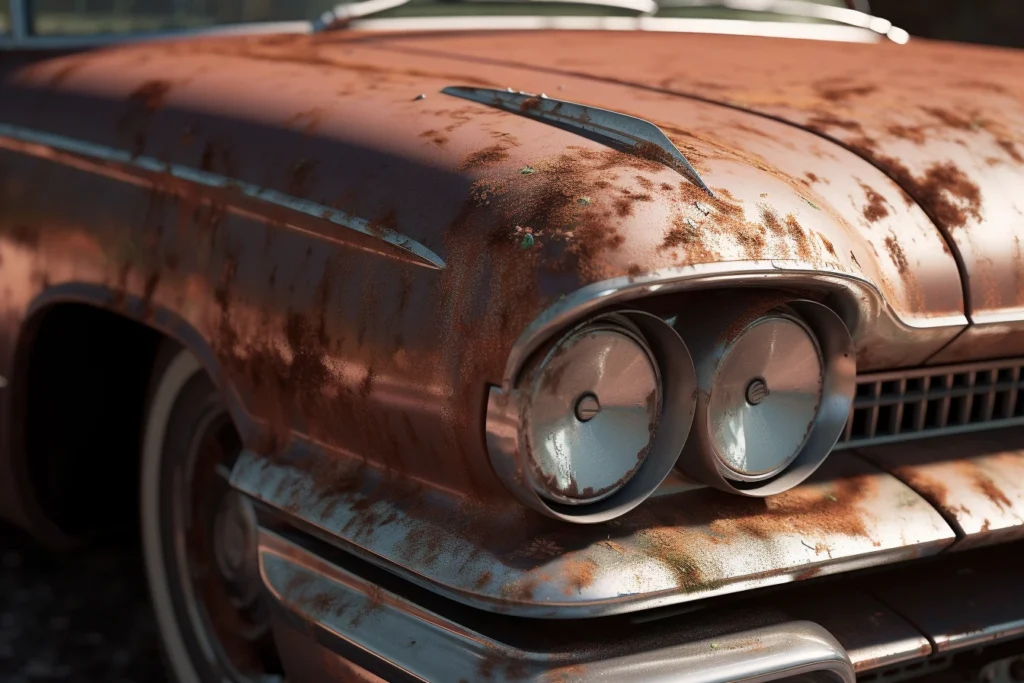
The Role of Waxing in Preventing Rust and Maintaining Your Car’s Shine
Regular waxing is an essential step in preventing rust and maintaining the shine of your car. Wax acts as a protective barrier, shielding your vehicle’s paint from moisture, UV rays, and other environmental factors that can lead to corrosion. By regularly applying wax to your car’s exterior, you create a layer of protection that helps prevent rust formation.
In addition to its role in rust prevention, wax also plays a crucial part in maintaining your car’s shine. Over time, exposure to sunlight and harsh weather conditions can cause the paint on your vehicle to fade or lose its luster. However, by regularly waxing your car, you can restore and enhance its glossy appearance.
When selecting a wax product for your car, it is important to choose one that is specifically formulated for automotive use. Automotive waxes are designed to provide long-lasting protection against rust while also enhancing the overall appearance of your vehicle. Look for waxes that contain ingredients such as polymers or synthetic resins as they tend to offer superior durability and longevity.
By incorporating regular waxing into your car maintenance routine, you not only protect against rust but also ensure that your vehicle maintains its showroom-worthy shine for years to come. So don’t overlook this simple yet effective step in preserving the beauty and value of your car.

Effective Rust Removal Techniques for Restoring Your Car’s Appearance
Rust can be a pesky problem for car owners, but there are effective techniques you can use to restore your car’s appearance and prevent further damage. One method is sanding the affected area to remove any loose rust particles. This can be done using sandpaper or an electric sander, depending on the severity of the rust. After sanding, it’s important to clean the area thoroughly to remove any remaining debris.
Once the area is clean, applying a rust converter can help stop corrosion in its tracks. Rust converters contain chemicals that react with iron oxide (rust) and convert it into a stable compound that prevents further oxidation. These products typically come in liquid form and can be applied directly onto the affected area with a brush or spray bottle.
After applying a rust converter, it’s essential to protect the treated surface by applying primer and paint specifically designed for metal surfaces. Primer acts as a barrier between the metal and environment, preventing moisture from reaching the surface and causing more rust formation. Once dry, applying multiple coats of paint will ensure long-lasting protection against corrosion.
By following these effective rust removal techniques, you’ll not only restore your car’s appearance but also prevent future damage caused by corrosion. It’s important to address rust issues as soon as they appear to avoid costly repairs down the line. Regular inspections and maintenance will go a long way in preserving your vehicle’s value and ensuring its longevity on the road.

Addressing Rust Issues in Hard-to-Reach Areas of Your Car
Rust is a common problem that can affect any part of your car, including those hard-to-reach areas. These areas often go unnoticed during regular inspections and maintenance, making them susceptible to rust formation. However, addressing rust issues in these hidden spots is crucial to prevent further damage and maintain the overall integrity of your vehicle.
To effectively address rust in hard-to-reach areas, it’s important to first identify these vulnerable spots. This includes checking underneath the car, inside wheel wells, behind bumpers or trim pieces, and around door frames. Once you’ve identified potential problem areas, it’s essential to thoroughly clean and remove any existing rust before applying protective measures.
When cleaning these hard-to-reach areas, using a combination of brushes and compressed air can help dislodge dirt and debris that may contribute to corrosion. After cleaning, treating the area with a specialized rust converter can help neutralize any remaining traces of rust and create a barrier against future corrosion.
After treating the affected areas with a rust converter or remover product specifically designed for automotive use, it’s important to apply an appropriate protective coating. This could be in the form of an anti-rust primer followed by paint or a dedicated undercoating spray designed for corrosion prevention. These coatings will provide an extra layer of protection against moisture and other elements that can lead to rust formation.
By addressing rust issues in hard-to-reach areas early on and taking preventative measures such as thorough cleaning and application of protective coatings, you can significantly extend the lifespan of your car while maintaining its appearance. Regular inspections should include checking these hidden spots for signs of corrosion so that prompt action can be taken if necessary. Remember that prevention is always better than cure when it comes to dealing with rust on your beloved vehicle.

How to Identify and Repair Paint Damage that Can Lead to Rust
Identifying and repairing paint damage on your car is crucial in preventing rust from forming. Even the smallest scratch or chip in the paint can expose the metal underneath to moisture, leading to corrosion over time. To identify potential areas of concern, carefully inspect your car’s exterior for any signs of paint damage.
Start by thoroughly washing your car and drying it completely. This will allow you to see any imperfections more clearly. Use a bright light source and examine each panel closely, paying attention to areas that are prone to damage such as the hood, trunk, doors, and fenders. Look for scratches, chips, or peeling paint that may have occurred due to road debris or accidental impacts.
Once you have identified damaged areas, it is important to take immediate action to prevent further deterioration. Begin by cleaning the affected area with a mild soap solution and a soft cloth or sponge. Gently remove any dirt or debris that may be present before proceeding with repairs.
To repair minor scratches or chips in the paintwork, use touch-up paint that matches your car’s color. Apply thin layers of the touch-up paint using a small brush until the damaged area is covered evenly. Allow each layer to dry completely before applying another coat.
Remember that addressing even minor paint damage promptly can help prevent rust formation and maintain your car’s appearance over time.

The Benefits of Professional Rust Prevention and Repair Services
Professional Rust Prevention and Repair Services offer a range of benefits that can help prolong the lifespan of your car and maintain its appearance. Firstly, professionals have extensive knowledge and experience in identifying early signs of rust formation. They are trained to thoroughly inspect every nook and cranny of your vehicle, including hard-to-reach areas where corrosion often starts. By detecting rust at an early stage, they can take immediate action to prevent further damage.
Secondly, professional services provide access to high-quality rust prevention products that may not be readily available to consumers. These products are specifically designed to effectively inhibit the growth of rust and protect vulnerable areas from moisture and corrosive elements. Professionals know which products work best for different types of vehicles and can recommend the most suitable options based on your specific needs.
Lastly, professional rust prevention services often include protective coatings that act as a barrier against corrosion. These coatings form a durable layer over the surface of your car, shielding it from environmental factors such as rainwater, salt, dirt, and UV rays. The application process requires skill and precision to ensure even coverage across all surfaces. With their expertise in this area, professionals can guarantee thorough protection for your vehicle.
By opting for professional rust prevention and repair services, you can rest assured knowing that experts are taking care of your car’s well-being. Their knowledge, access to specialized products, and meticulous application techniques will greatly contribute to minimizing the risk of rust formation or further deterioration. Investing in these services is an investment in preserving both the functionality and aesthetic appeal of your beloved vehicle
Note: The headings provided are not numbered or bulleted, but they are logically ordered to comprehensively cover the blog topic on rust prevention and repair for cars.
Regular car inspections are crucial in identifying corrosion early on. By conducting routine inspections, you can catch any signs of rust formation before it becomes a major issue. This allows for timely intervention and prevents the spread of corrosion to other parts of your vehicle. Additionally, regular inspections help ensure that your car remains in optimal condition, extending its lifespan and maintaining its value.
Choosing the right rust prevention products is essential for protecting your car from corrosion. There are various options available, including sprays, paints, and coatings specifically designed to inhibit rust formation. It’s important to select products that are compatible with your vehicle’s surface and provide long-lasting protection against moisture and oxidation. Investing in high-quality rust prevention products will ultimately save you money by preventing costly repairs down the line.
Proper car washing techniques play a significant role in minimizing the risk of rust formation. When washing your car, make sure to thoroughly clean all areas prone to accumulating dirt and moisture, such as wheel wells and undercarriage. Use a pH-neutral soap or dedicated car wash solution along with soft brushes or microfiber towels to avoid scratching the paintwork. Regularly removing road salt, bird droppings, tree sap, and other contaminants helps prevent them from causing paint damage that could lead to rusting over time.
Applying protective coatings is another effective measure for shielding your car from corrosion. These coatings create a barrier between your vehicle’s metal surfaces and external elements like water, salt, chemicals, and UV rays that contribute to rust formation. Waxing is one common method used for this purpose as it not only provides an additional layer of protection but also enhances the shine of your car’s exterior finish.
Why is it important to regularly inspect your car for corrosion?
Regular inspections help identify rust early on, preventing further damage and costly repairs.
How do I choose the right rust-prevention products for my car?
Consider factors such as your car’s make and model, the climate you live in, and the type of rust prevention method you prefer (e.g., coatings, sprays, or electronic modules).
What are some proper car washing techniques to minimize the risk of rust formation?
Avoid using abrasive materials, wash your car regularly (especially during winter), and make sure to thoroughly dry it after washing.
How can I apply protective coatings to shield my car from corrosion?
Clean and prep the surface, apply the coating evenly using the recommended method, and ensure proper curing.
What role does waxing play in preventing rust and maintaining a car’s shine?
Waxing creates a protective barrier on the car’s surface, preventing moisture and contaminants from reaching the paint and causing rust.
What are some effective rust removal techniques for restoring a car’s appearance?
Sanding, using rust converters or removers, and applying touch-up paint are common methods for removing rust.
How can I address rust issues in hard-to-reach areas of my car?
Utilize specialized rust prevention products, such as cavity waxes or rust inhibitors, and consider seeking professional assistance if needed.
How can I identify and repair paint damage that can lead to rust?
Regularly inspect your car’s paint for chips, scratches, or bubbling, and promptly address these issues by cleaning, filling, and repainting the damaged areas.
What are the benefits of professional rust prevention and repair services?
Professionals have specialized knowledge, tools, and products to effectively prevent rust and repair any existing damage, ensuring long-lasting protection for your car.
How often should I perform rust prevention and repair procedures on my car?
The frequency depends on factors such as climate, driving conditions, and the age of your car. It’s recommended to follow the manufacturer’s recommendations and perform regular inspections to determine the appropriate timing.
Related Guides
Best Rust Converter 2026: 5 Products Tested for Automotive Rust Repair →DIY Car Rust Repair: Surface, Scale & Rust-Through (2026 Guide) →Is Rust Repair Worth It? When to Fix, When to Walk Away in 2026 →Miami Saltwater Rust Repair: The Cars Most at Risk (2026 Guide) →Protect Your SUV: Effective Rust Prevention Techniques for SUVs and Trucks →