
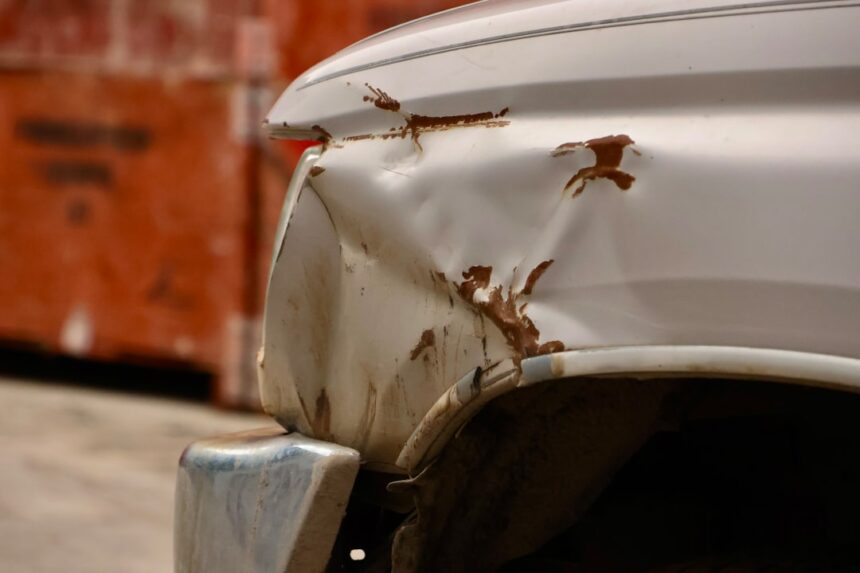
Modern vehicles are especially susceptible to rust damage. Prolonged exposure to severe rusting conditions can compromise their structural integrity and render the car dangerous for driving.
Fixing rust requires multiple steps and tools, along with some skill. However, early detection makes repairs fairly straightforward.
Removing Rust
Metal objects in your home and garden, such as tools, patio furniture and lawn equipment can become covered in an unsightly reddish-brown rust due to chemical reactions between ferrous metals and oxygen. No matter if the rust has just begun appearing or it has found its way deep into outdoor furniture pieces – there are safe methods available that will remove it without resorting to expensive chemicals.
Scrubbing away the affected area with steel wool, sandpaper or a wire brush can quickly and effectively eliminate rust; however, this option only works if its presence has not penetrated too deeply into metal surfaces; otherwise other means will need to be employed instead.
Store-bought rust removers that use harsh chemicals such as phosphoric or hydrochloric acid can be purchased in paint departments of hardware or home centers and should be used only with proper safety precautions in place – including rubber gloves, goggles and respirators protection.
Soaking the item in vinegar is also an effective, though slower-acting approach, with its acetic acid slowly eating away at rust and remaining material. Pour the vinegar into a bucket and allow the item to soak overnight or longer if necessary – once done, scrub with soft bristle brush then rinse it off afterwards.
Baking soda is another natural rust remover. Simply mix equal parts baking soda and water together into a paste, apply it directly onto the affected surface, allow it to set for several hours, then scrub away with an old toothbrush before rinsing and drying your item.
Alternatively, for a more involved solution, combine laundry borax or baking soda with lemon juice to form a paste that you can apply directly onto any rusty surface. Add additional baking soda or lemon juice if it becomes too runny; apply and allow to set for at least an hour before using an old toothbrush to scrub. Rinse off and dry as usual afterward.
Patching Rust
Rust that only affects the surface of your vehicle can often be repaired without professional intervention, provided you have enough time, skills, and tools available. But if the corrosion has compromised its structural integrity and affected other parts of your car’s integrity, professional assistance might be required.
To effectively complete this task, it will first require stripping away paint and body filler (if applicable) from your car to expose bare metal using an angle grinder with a flap disc. Next step should be cleaning up the area to identify where any rust exists visually before using wire brushing to help loosen rust flakes or chips from being removed by hand; be careful not to take off too much metal as doing so could compromise structural integrity of your vehicle.
Once the rust has been cleaned away, apply some rust converter to the affected areas and let it dry before mixing up some body filler per manufacturer’s instructions and applying it over each hole until smoothed with a putty knife.
Step two should involve sanding down to bare metal and feathering off its edges with 120-grit sandpaper to blend in seamlessly with good surrounding metal. Finally, mask off any non-rusty areas so as to avoid accidentally sanding away paint or wax from those areas of your vehicle.
Dependent upon the severity of the rust damage, two options exist for dealing with it: either creating a patch panel to replace damaged one (more difficult), or cutting away damaged parts and welding steel “patch panels” into place (smoother). Professional help should always be sought when fixing such problems; but competent DIYers may be capable of making necessary repairs themselves.
If you opt for a lap join repair technique, mark out where to cut the patch panel so it overlaps slightly over the area where rust needs to be fixed. Although this method is better than butt joining, as it creates no seam on the backside of the panel, which could compromise its integrity over time.
Refinishing Rust
If your car has just started rusting or has small spots that have been removed, try painting over them with water-based, interior/exterior rust-preventative metal primer (available from brands such as Rust-Oleum at The Home Depot for $4-$8 per 12-15 ounce can). This will seal off the area while protecting against further corrosion damage.
For larger areas, sand off all rusted surfaces to bare metal before repainting. While this process can take time and require heavy equipment, it often makes financial sense when used on otherwise good-condition cars. Just ensure to work in an outdoor location on sunny days to reduce fume emissions from this step of restoration.
If your vehicle is already rusted through, or the spot you need repaired lies at a weld seam or has penetrated sheet metal, Maaco Certified Centers offer professional inspection and repairs that can stop further rust from spreading as well as address any other concerns found with your car. Let our knowledgeable specialists do what they know best! We can stop it in its tracks while also taking care of any other issues on your car that arise.
Iron-based rust can be particularly hazardous, as it has the ability to cause structural failure in buildings and bridges. Rust adds weight, eventually pushing apart or collapsing structures altogether.
Be mindful that rust can pose serious threats to human health, as it collects bacteria that could potentially lead to tetanus if it comes in contact with skin. Therefore, rubber gloves are always wise when handling old or rusty tools or structures as this will protect you against iron-based bacteria that could cause disease and prevent any infections caused by touching sharp objects like metal. It is especially essential when handling metal structures which could cut you – if this does happen then immediately wash your hands after touching metal as this may aggravate its spread further!
Preventing Rust
Rust can be difficult to remove once it has set in and begun eating through metal products, creating serious safety, functionality, and appearance issues for equipment and vehicles. By taking steps now to protect these metal products from rusting in the future, it could save both money and time down the line.
One effective solution to combating rust is stainless steel. This iron-based alloy contains high levels of chromium that makes it less susceptible to corrosion due to oxygen and moisture corrosion; making stainless steel ideal for machinery or tools exposed to water or other elements.
An additional way to prevent rust is keeping metal dry. Moisture is one of the primary sources of corrosion, so protecting metal against moisture with covers or keeping it away can help stop its effects – this is particularly useful when working outdoors or in humid environments. A cathodic protection system may also be effective at stopping corrosion with its combination of an anode sacrificed and electric current producing an electrochemical reaction which prevents further oxidation – this method is commonly employed on metal pipes, storage tanks and boat hulls.
Powder coating and organic coatings are two other effective means of rust prevention. Powder coating involves evenly applying dry powder onto surfaces before heating it to form a thin film that adheres to it, such as acrylic, polyester, nylon, vinyl, epoxy and urethane materials. Organic coatings create a protective barrier from corrosion by chemically sealing steel against oxygen agents such as POR-15 paint products that contain these ingredients.
As soon as any rust damage appears, it should be addressed immediately in order to stop it from eating through metal and potentially undermining its structural integrity. This is particularly critical for vehicles as rust can seep through even small holes in car frames, potentially jeopardizing safety while eating through bolts and screws – potentially endangering drivers and passengers alike. Luckily most vehicles come equipped with thick coatings which chemically seal off metal underneath; however, as these coats may wear away over time regular inspections and repairs should take place regularly to maintain vehicle safety and integrity.
Recommended Rust Repair Products
The right products make the difference between rust that stays gone and rust that returns worse in six months.
- POR-15 Rust Preventive Coating — the gold standard. Chemically bonds to rust and creates an impermeable barrier ($35-60/qt).
- Evapo-Rust Super Safe Rust Remover — non-toxic soak-off for small parts, brackets, hardware ($20-40/gal).
- Wire Brush Wheel Set for Drill — essential for prep. Twisted knot brushes cut through rust fastest ($15-25).
- Naval Jelly Rust Dissolver — brush-on gel that clings to vertical panels ($10-15).
Amazon affiliate links help support this site — thank you.