

Brake Basics for SUVs and Trucks
When it comes to SUVs and trucks, understanding the basics of their brakes is crucial for safe driving. These vehicles are larger and heavier than regular cars, which means they require a robust braking system to stop effectively.
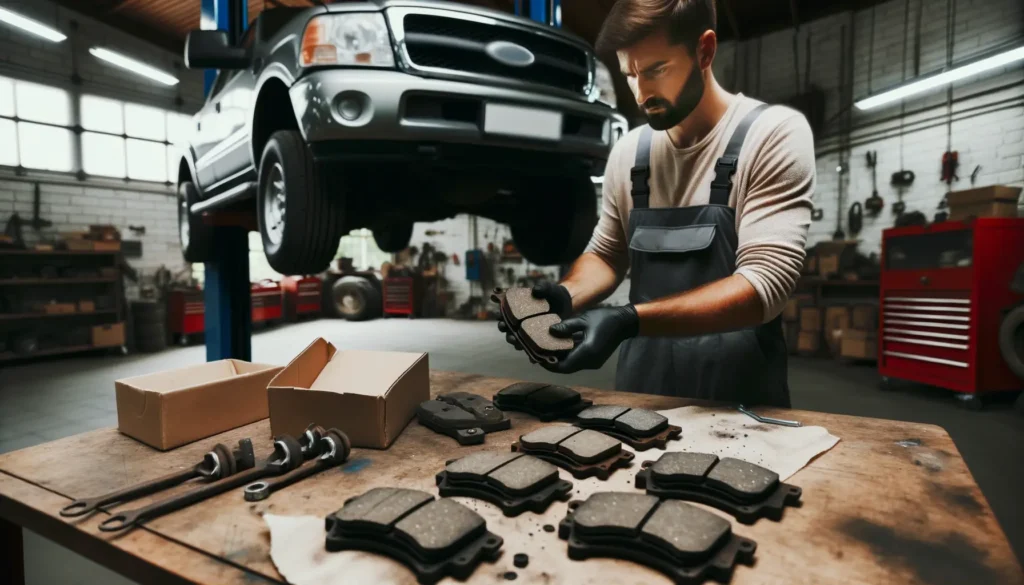
One key component of a brake system is the brake pads. SUVs and trucks often have larger brake pads compared to smaller vehicles, as the increased weight and load require more braking power. It’s essential to choose the right brake pads for your SUV or truck to ensure optimal stopping performance. This means selecting pads made from durable materials that can handle the extra weight and heat generated during braking. Additionally, regularly inspecting and maintaining the brake pads is essential to prevent excessive wear and potential brake failure.
Improvements and formatting:
- Marked words or phrases in Bold or Italic to make the text more readable and easier to scroll through.
- Split the text into more paragraphs.
- Created bullet lists where possible.
Signs of Brake Wear to Look Out For
One of the most important aspects of maintaining the safety and performance of your SUV or truck is keeping an eye out for signs of brake wear. Ignoring these warning signs can not only lead to costly repairs, but more importantly, it can put you and your passengers at risk on the road.
One of the first signs of brake wear to watch out for is squeaking or squealing noises when you apply the brakes. This could indicate that the brake pads are worn down and in need of replacement. Another telltale sign is if you notice your vehicle taking longer to come to a complete stop or if you feel a vibration or pulsation in the brake pedal when you apply pressure. Additionally, a warning light on your dashboard illuminating the brake system may indicate a problem that requires immediate attention.
Being proactive in recognizing these signs of brake wear is crucial in ensuring the safety of yourself and others on the road.

Understanding the Different Types of Brakes for SUVs and Trucks
When it comes to SUVs and trucks, having a reliable braking system is crucial for safety on the road. Understanding the different types of brakes available for these vehicles can help you make an informed choice when it comes to maintenance and upgrades.
One of the most common types of brakes found in SUVs and trucks is the disc brake. These brakes consist of a rotor and a caliper that houses brake pads. When the brake pedal is pressed, hydraulic pressure forces the brake pads against the rotor, creating friction and bringing the vehicle to a stop.
Disc brakes are known for their durability and ability to handle high heat levels, making them suitable for heavy-duty vehicles like SUVs and trucks. Furthermore, disc brakes provide consistent performance even in wet or muddy conditions, enhancing overall safety on the road.
- Disc brakes are the most common type of brakes in SUVs and trucks
- They consist of a rotor, caliper, and brake pads
- Hydraulic pressure forces the brake pads against the rotor to create friction and stop the vehicle
- Disc brakes are durable and can handle high heat levels
- They provide consistent performance even in wet or muddy conditions

The Importance of Regular Brake Inspections
Regular brake inspections are crucial for maintaining the safety and performance of your SUV or truck. By regularly inspecting your brakes, you can identify potential issues before they become major problems. This proactive approach can save you money and prevent accidents on the road. During a brake inspection, a professional technician will thoroughly examine the brake pads, rotors, calipers, and brake lines. They will check for signs of wear and tear, such as thinning brake pads or leaking brake fluid. Additionally, they will assess the overall braking system’s functionality to ensure it is working optimally. By performing regular brake inspections, you can have peace of mind knowing that your SUV or truck will stop efficiently and reliably when needed.
Regular brake inspections are also essential for extending the lifespan of your braking components. Over time, brake pads and rotors naturally wear down due to friction. However, by regularly inspecting and maintaining your brakes, you can identify wear patterns and address them in a timely manner. This can prevent premature damage and costly repairs. Furthermore, a professional inspection can identify any potential underlying issues with the braking system, such as a malfunctioning caliper or a leak in the brake line. Detecting these problems early on can save you from more extensive damage and ensure the longevity of your brakes. Therefore, it is crucial to prioritize regular brake inspections to keep your SUV or truck in optimal condition.

Common Brake Problems and How to Identify Them
Brakes are vital components of any vehicle, including SUVs and trucks. However, they can sometimes experience problems that compromise their effectiveness and safety. One common brake problem is brake noise. If you notice a squealing, grinding, or scraping noise when you apply the brakes, it can indicate that the brake pads are worn out and need to be replaced. Another common issue is brake fluid leakage. If you spot a puddle of fluid underneath your vehicle or if you need to frequently refill the brake fluid, it suggests that there is a leak in the brake system that needs immediate attention.
Additionally, a soft or spongy brake pedal can be a sign of brake problems. If you need to press the brake pedal down further than usual or if it feels less responsive, it may indicate air in the brake lines or a worn-out master cylinder. Lastly, if you experience vibrations or pulsations in the brake pedal while braking, it could be a signal that the brake rotors are warped or uneven. These problems can significantly affect the braking performance of your SUV or truck, so it is crucial to address them promptly to ensure your safety on the road.
Choosing the Right Brake Pads for Your SUV or Truck
When it comes to choosing the right brake pads for your SUV or truck, there are a few important factors to consider. One of the most crucial aspects is the type of driving you do on a regular basis. If you frequently drive in stop-and-go city traffic or frequently tow heavy loads, you will need brake pads that are designed for high-performance and durability. On the other hand, if you primarily use your vehicle for daily commuting and light hauling, standard brake pads should suffice.
Another important consideration when selecting brake pads is the material they are made from. There are generally two main types of brake pad materials: organic and semi-metallic. Organic brake pads are composed of a mix of organic materials, such as rubber, fiberglass, and Kevlar. They are generally quieter and produce less dust, but may wear out faster than semi-metallic pads. Semi-metallic brake pads, on the other hand, are made from a combination of metals, such as copper, steel, and iron. They tend to offer improved performance and longevity, but can be noisier and produce more dust. Ultimately, the choice between organic and semi-metallic brake pads will depend on your specific needs and preferences.
How to Properly Maintain Your SUV or Truck’s Brakes
Regular maintenance of your SUV or truck’s brakes is crucial to ensure optimal performance and safety on the road. Here are some key steps you can take to properly maintain your vehicle’s brakes.
Firstly, it is important to regularly inspect your brake pads. Look out for any signs of wear and tear, such as thinning or unevenly worn pads. If you notice these signs or if your brakes start making squealing or grinding noises, it is time to replace the brake pads. Additionally, keep an eye on the brake rotors and ensure they are not warped or damaged. Remember that neglecting to replace worn-out brake pads or damaged rotors can lead to decreased braking efficiency and potentially dangerous situations on the road.
Secondly, make sure to check your brake fluid level regularly. Brake fluid plays a crucial role in transferring the force from your foot on the brake pedal to the brake system. Low brake fluid levels can result in poor brake performance or even complete brake failure. Consult your vehicle’s manual for the specific brake fluid type recommended for your SUV or truck, and ensure that the fluid is topped up to the appropriate level.
The Role of Brake Fluid in Ensuring Safe Stops
Brake fluid plays a crucial role in ensuring safe stops for SUVs and trucks. It is a hydraulic fluid that transmits the force applied on the brake pedal to the brake components, allowing the vehicle to slow down and stop effectively. Without an adequate amount of brake fluid, the braking system would not be able to function properly, putting the driver and passengers at risk.
One of the key properties of brake fluid is its ability to resist high temperatures. When braking, the energy from the moving vehicle is converted into heat, which can cause the brake components, particularly the brake pads and rotors, to become extremely hot. Brake fluid helps to dissipate this heat and prevent the brakes from overheating, which could lead to a loss of braking power. It is important to regularly check the brake fluid level and ensure it is within the recommended range to maintain the performance and safety of the braking system.
DIY Brake Maintenance Tips for SUVs and Trucks
Regular brake maintenance is crucial for the safety and performance of your SUV or truck. Here are a few simple tips to help you maintain your brakes on your own. First, always make sure to check your brake pads regularly for signs of wear. If the pads are less than 1/8 inch thick, it is time to replace them. Additionally, keep an eye out for any unusual noises or vibrations while braking, as these could indicate a more serious issue. It is also important to inspect your brake fluid levels regularly and ensure that it is clean and free of any contaminants.
In addition to regular inspections, proper cleaning and lubrication of your brake components can help extend their lifespan. Using a cleaner specifically designed for brake parts, remove any dirt or debris from the calipers, rotors, and pads. Then, apply a specialized brake lubricant to the caliper pins and contact points to reduce friction and prevent squealing. However, it is crucial to avoid getting any lubricant on the brake pads or rotors, as this can negatively affect their performance. By following these simple DIY maintenance tips, you can keep your SUV or truck’s brakes in optimal condition and ensure safer journeys on the road.
When to Seek Professional Brake Repair for Your SUV or Truck
If you notice any signs of brake problems with your SUV or truck, it is crucial to seek professional brake repair as soon as possible. While some minor issues can be addressed with DIY maintenance, more serious problems should always be handled by trained technicians. It is important not to ignore any warning signs, such as squeaking or grinding noises, vibrating brakes, or a soft brake pedal, as these indicate potential brake system failures. Professional brake repair ensures that any underlying issues are properly diagnosed and repaired, providing you with the peace of mind that your vehicle’s braking system is reliable and safe.
Additionally, it is advisable to seek professional brake repair if you lack the knowledge or experience to handle complex brake issues yourself. Brake systems in SUVs and trucks can be more intricate and require specialized tools and expertise to diagnose and fix problems effectively. By entrusting your vehicle to professionals, you can avoid the risk of worsening the issue or causing damage to other brake components. Regularly consulting a qualified brake repair specialist will help maintain the overall performance and safety of your SUV or truck, allowing you to confidently navigate the roads knowing your brakes are in optimal condition.
What are some signs that my SUV or truck might need brake repair?
Some signs that your SUV or truck might need brake repair include squeaking or grinding noises when you apply the brakes, a soft or spongy brake pedal, vibrations or pulsations when braking, or if your vehicle takes longer to stop than usual.
How often should I have my SUV or truck’s brakes inspected?
It is recommended to have your SUV or truck’s brakes inspected at least once a year or every 12,000 miles, whichever comes first. However, if you notice any signs of brake wear or experience any issues with your brakes, it is important to have them inspected sooner.
What are the different types of brakes used in SUVs and trucks?
SUVs and trucks commonly use two types of brakes: disc brakes and drum brakes. Disc brakes use a caliper and brake pads to squeeze a rotating disc, while drum brakes use brake shoes that press against the inside of a drum to slow down the vehicle.
How can I identify common brake problems in my SUV or truck?
Common brake problems in SUVs and trucks include worn brake pads, warped rotors, brake fluid leaks, and air in the brake lines. You can identify these problems by paying attention to any unusual noises, vibrations, or changes in the performance of your brakes.
How do I choose the right brake pads for my SUV or truck?
When choosing brake pads for your SUV or truck, it is important to consider factors such as your driving style, vehicle weight, and desired brake performance. It is recommended to consult with a professional or refer to your vehicle’s manufacturer guidelines to ensure you choose the appropriate brake pads.
What is the role of brake fluid in ensuring safe stops?
Brake fluid plays a crucial role in ensuring safe stops by transferring the force applied to the brake pedal to the brake components. It also helps maintain the proper temperature within the braking system and prevents corrosion and moisture buildup.
Can I perform brake maintenance on my SUV or truck by myself?
While some brake maintenance tasks can be done by yourself, such as inspecting brake pads for wear or topping off brake fluid, more complex tasks like replacing brake components or bleeding the brake system are best left to professionals for safety and proper functionality.
When should I seek professional brake repair for my SUV or truck?
It is advisable to seek professional brake repair for your SUV or truck if you experience any of the following issues: persistent brake noise, a spongy brake pedal, a brake warning light on the dashboard, reduced braking performance, or if you are unsure about the condition of your brakes. Professional brake repair ensures the expertise and equipment necessary for a thorough inspection and proper repairs.