

Understanding the Basics: How Your Vehicle’s Electrical System Works
Recommended: EV-safe care products
Handpicked Amazon products relevant to this guide. Prices vary, links go to current Amazon listings.
The electrical system of a vehicle is a complex network that powers various components and functions. At its core, the system consists of three main parts: the battery, alternator, and starter motor.
The battery is responsible for supplying initial power to the vehicle, while the alternator ensures a continuous supply of electricity and charges the battery. The starter motor, on the other hand, is engaged when the ignition is turned on and initiates the engine’s combustion process.
Understanding how these components work together is crucial in comprehending the overall functionality of the vehicle’s electrical system.
- When the ignition is turned on, power from the battery is sent to the starter motor, causing it to rotate and crank the engine.
- Once the engine is running, the alternator takes over and provides power to the various electrical components, such as lights, radio, and air conditioning.
- Additionally, the alternator replenishes the battery’s charge, ensuring its longevity and maintaining a consistent power supply for the vehicle.

Key Components: Exploring the Various Parts of a Truck or SUV Electrical System
To understand how a truck or SUV’s electrical system works, it is important to explore its key components. One of the most crucial parts is the battery, which provides the initial power needed to start the vehicle. The battery also stores energy that is used to power various electrical systems such as the lights, radio, and air conditioning when the engine is not running.
Another important component is the alternator, which is responsible for charging the battery and providing power to the electrical systems while the engine is running. It converts mechanical energy from the engine into electrical energy, ensuring a continuous supply of power. Additionally, the alternator plays a vital role in maintaining the battery’s charge and preventing it from draining.
The fuse box is yet another essential part of the electrical system. It contains a series of fuses that protect the various electrical components from power surges. These fuses are designed to blow when there is a surge or overload, preventing damage to the electrical systems.
Finally, the wiring and connections are vital for the proper functioning of the electrical system. The wiring acts as a pathway for the electrical current to flow to the different components, while the connections ensure that the current is properly transmitted without any interruptions. Any loose or damaged wiring or connections can cause electrical issues and should be inspected and repaired promptly.
In conclusion, understanding the key components of a truck or SUV’s electrical system is essential for proper maintenance and troubleshooting. The battery, alternator, fuse box, and wiring and connections all play significant roles in ensuring the vehicle’s electrical systems function effectively. Regular inspections and proper care of these components can help prevent electrical issues and ensure a reliable and efficient electrical system in your truck or SUV.
Signs of Electrical System Issues: Identifying Common Symptoms
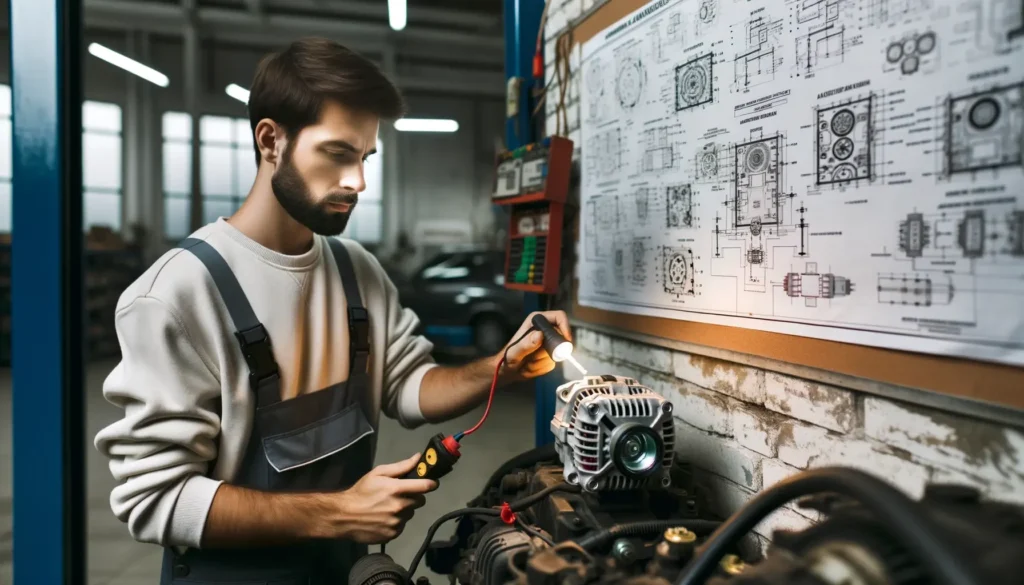
Generally, when your vehicle’s electrical system is experiencing issues, there are several common symptoms that you may observe. One of the most obvious signs is when the lights on your dashboard start flickering or dimming. This could indicate a problem with the electrical connections or a dying battery. Another symptom to watch out for is difficulty starting your vehicle. If you have trouble turning the key in the ignition or it takes multiple attempts to start the engine, it could be a sign of a faulty starter or a weak electrical system. Additionally, if you notice that your headlights are not as bright as they used to be, it could be an indication of a failing alternator or a wiring issue. Dim headlights can affect your visibility on the road, so it’s crucial to address this problem promptly.
In addition to these visible symptoms, you may also experience some electrical malfunctions inside the vehicle. For instance, if your power windows or door locks stop working or become sluggish, it could be a sign of an underlying electrical problem. Similarly, if your radio, audio system, or other electronic components start acting up, such as producing distorted sound or randomly turning off, it could be due to an electrical issue. Another sign to be aware of is a sudden drain on your battery. If you find yourself needing to jump-start your vehicle frequently or if your battery dies unexpectedly, it may be an indication of a parasitic draw or a faulty charging system. Overall, paying attention to these signs and seeking professional assistance when necessary can help you address electrical system issues before they escalate and potentially cause further damage to your vehicle.

Regular Inspections: The Importance of Routine Check-ups for Electrical Systems
Regular inspections for your vehicle’s electrical system are crucial for maintaining optimal performance and addressing potential issues before they become major problems. These routine check-ups allow you to identify any electrical system issues early on, preventing them from causing further damage and inconvenience down the line. By regularly inspecting your electrical system, you can ensure that all components are functioning properly, reducing the risk of unexpected breakdowns or failures.
During these inspections, it is important to thoroughly inspect all key components of the electrical system, including the battery, alternator, wiring, and fuse box. Check for any signs of corrosion, loose connections, or damaged wires that could hinder the system’s performance. Additionally, inspect the condition of the battery terminals and cables, ensuring they are clean and securely connected. By conducting these routine check-ups, you can catch any potential issues before they worsen, improving the overall reliability and longevity of your vehicle’s electrical system.
Battery Maintenance: Tips for Extending the Lifespan of Your Vehicle’s Battery
Proper battery maintenance is essential for extending the lifespan of your vehicle’s battery. One important tip is to regularly clean the battery terminals and cables. Over time, corrosion can build up on these connections, which can cause poor electrical conductivity and drain the battery. To clean the terminals, simply mix a solution of baking soda and water, and use a wire brush to scrub away any corrosion. Additionally, it is crucial to keep the battery securely fastened in its tray. Vibrations from rough roads or excessive movement can damage the internal components of the battery and shorten its lifespan. Make sure to check the battery’s hold-down clamp and tighten it if necessary. Taking these simple steps can go a long way in ensuring optimal battery performance and longevity.
Another tip for maintaining your vehicle’s battery is to avoid leaving electronic devices or accessories plugged in when the engine is not running. These devices can draw power from the battery even when the vehicle is not in use, which can lead to a drained battery. Make it a habit to unplug any chargers, inverters, or other devices before turning off the engine. Additionally, keeping your vehicle’s battery charged is crucial for its overall health. If you frequently make short trips or don’t drive your vehicle often, the battery may not have enough time to fully recharge, leading to a shorter lifespan. Consider using a battery charger or driving for longer periods to help keep the battery charged. By following these tips, you can ensure that your vehicle’s battery stays in good condition and lasts for as long as possible.
Charging System Health: How to Ensure Optimal Charging Performance
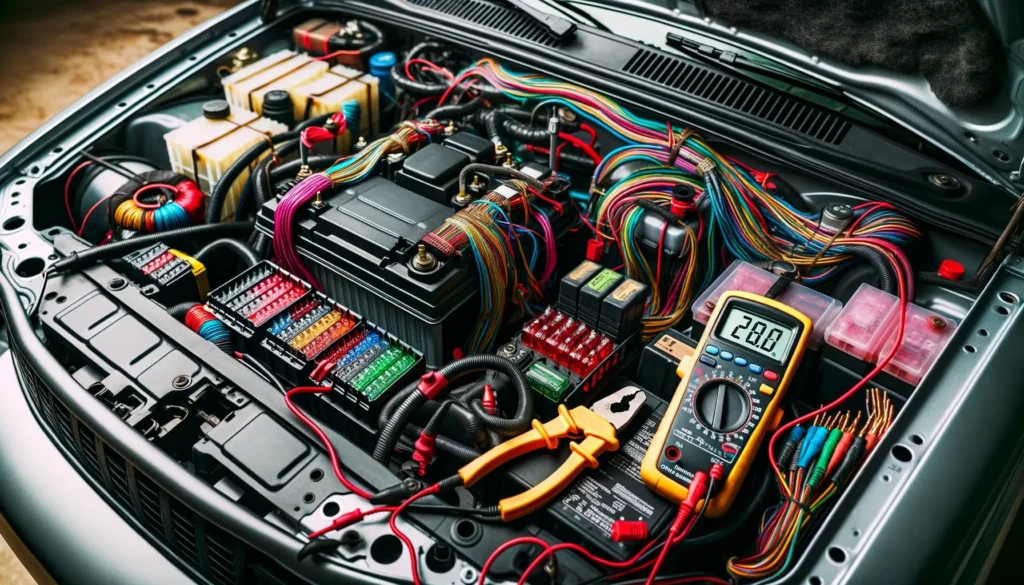
The charging system of your vehicle is responsible for keeping your battery charged and ensuring that all electrical components are functioning properly. To ensure optimal charging performance, there are a few steps you can take. First, it’s important to regularly inspect and clean your battery terminals. Over time, corrosion can build up which may hinder the flow of electricity. By cleaning the terminals with a wire brush and applying a thin layer of petroleum jelly, you can help maintain a good electrical connection and prevent any charging issues.
Additionally, it’s crucial to check the condition of your battery cables. Look for any signs of fraying or damage, as this can affect the charging process. If you notice any problems, it’s best to replace the cables to prevent any potential electrical failure. Moreover, keeping an eye on the battery’s water levels can also contribute to the overall health of your charging system. Make sure the water level is filled up to the appropriate level, using distilled water if needed. Proper maintenance of your charging system will keep your battery in good shape and ensure that all electrical components are working efficiently.
Alternator Troubleshooting: Common Problems and Solutions
The alternator is a crucial component of your vehicle’s electrical system, responsible for converting mechanical energy into electrical energy to power the various electrical features and charge the battery. However, like any other part, the alternator is prone to problems that can disrupt its functionality. One common issue is a faulty voltage regulator, which can lead to overcharging or undercharging of the battery. This can result in dimming headlights, a dead battery, or even damage to other electrical components. To solve this problem, it is necessary to replace the voltage regulator and ensure proper charging.
Another problem that can occur with the alternator is a worn-out or damaged belt. The belt connects the crankshaft and the alternator pulley, allowing the alternator to rotate and generate electricity. Over time, the belt can become loose, cracked, or broken, causing the alternator to stop working. In such cases, replacing the belt is essential to restore the alternator’s functionality. Regular inspection and maintenance of the belt can help identify any signs of wear and proactively address the issue before it leads to a complete breakdown of the alternator system. By keeping these common problems in mind, you can troubleshoot and resolve alternator issues, ensuring a smooth and reliable vehicle performance.
Wiring and Connections: Keeping Your Electrical System Properly Connected
Proper wiring and connections are essential for the overall health of your vehicle’s electrical system. It ensures that the power is distributed effectively to all the necessary components, allowing them to function correctly. Regularly checking and maintaining these connections is vital to avoid potential issues and keep your electrical system running smoothly.
One key aspect of maintaining proper wiring and connections is regularly inspecting them for any signs of damage or wear. Over time, wires can become frayed or corroded, which can lead to poor electrical conductivity or even electrical shorts. By visually inspecting the wiring and connections, you can identify any potential problems and address them before they escalate into more significant issues. Additionally, it is essential to ensure all connections are tight and secure to prevent any loose connections that can cause intermittent electrical problems.
Fuse Box Maintenance: Preventing Electrical Failures with Proper Fuse Care
The fuse box is a vital component of your vehicle’s electrical system, responsible for protecting the electrical circuits from overloading and potential damage. It contains various fuses that act as safety devices, designed to break the circuit and prevent electrical failures in case of excessive current flow. To ensure optimal performance and prevent electrical issues, regular maintenance of the fuse box is essential.
One important aspect of fuse box maintenance is checking the condition of the fuses. Over time, fuses can become worn out or damaged, which can lead to circuit failures and electrical malfunctions. It is recommended to inspect the fuses periodically, looking for any signs of corrosion, melted plastic, or burned marks. If you notice any of these indications, it is crucial to replace the faulty fuse immediately to prevent further damage to the electrical system. Additionally, it is advisable to keep a stock of spare fuses in your vehicle in case of emergencies. By properly caring for your fuse box and ensuring the fuses are in good condition, you can greatly reduce the risk of electrical failures and maintain a reliable electrical system in your vehicle.
DIY Electrical System Checks: Simple Steps for Assessing Your Vehicle’s Health
Performing regular DIY electrical system checks is crucial for maintaining your vehicle’s health and avoiding potential issues down the road. These simple steps can help you assess the overall condition of your electrical system and ensure everything is functioning properly.
First, start by inspecting the battery terminals for any signs of corrosion or loose connections. Use a wire brush to clean off any build-up and tighten the terminals if needed. Next, check the battery voltage using a multimeter. A fully charged battery should read around 12.6 volts. If the voltage is significantly lower, it may be a sign of a weak or dying battery. Additionally, inspect the battery case for any cracks or leaks, as this can indicate a damaged battery that needs to be replaced.
• Inspect battery terminals for corrosion or loose connections
• Clean terminals with wire brush and tighten if necessary
• Check battery voltage using multimeter – should read around 12.6 volts
• Lower voltage may indicate weak or dying battery
• Inspect battery case for cracks or leaks, replace if damaged
How does a vehicle’s electrical system work?
A vehicle’s electrical system is responsible for powering various components, such as the lights, radio, and starter motor. It consists of a battery, alternator, starter motor, and wiring that connects all the components.
What are the key components of a truck or SUV electrical system?
The key components of a truck or SUV electrical system include the battery, alternator, starter motor, wiring, fuses, and various electrical components like lights, fans, and radios.
What are some signs of electrical system issues in a vehicle?
Common symptoms of electrical system issues include dim lights, difficulty starting the vehicle, frequent blown fuses, malfunctioning electrical components, and unusual smells or sounds coming from the electrical system.
Why are regular inspections of the electrical system important?
Regular inspections of the electrical system are important to identify and address any potential issues before they become major problems. This helps ensure the overall health and performance of your vehicle.
How can I extend the lifespan of my vehicle’s battery?
To extend the lifespan of your vehicle’s battery, you should regularly check and clean the battery terminals, avoid leaving electrical components on when the engine is off, and have the battery tested and replaced if necessary.
How can I ensure optimal charging performance of my vehicle’s charging system?
To ensure optimal charging performance, you should regularly check the voltage output of the alternator, inspect the wiring and connections for any damage or corrosion, and have the charging system tested if you suspect any issues.
What are some common problems and solutions for alternator troubleshooting?
Common problems with alternators include a faulty voltage regulator, worn-out brushes, and a defective diode. Solutions may include replacing these components or the alternator itself, depending on the issue.
How can I keep my vehicle’s electrical system properly connected?
To keep your vehicle’s electrical system properly connected, regularly inspect the wiring and connections for any signs of damage, corrosion, or loose connections. Clean or replace any faulty components as needed.
How can I prevent electrical failures with proper fuse box maintenance?
To prevent electrical failures, you should regularly inspect the fuse box for any blown fuses and replace them promptly. It is also important to ensure the correct fuse ratings are used for each circuit to avoid overloads.
What are some simple steps for assessing my vehicle’s electrical health on my own?
Some simple steps for assessing your vehicle’s electrical health include checking the battery’s voltage and terminals, inspecting the wiring and connections, testing the alternator’s output, and checking the fuse box for any blown fuses.