
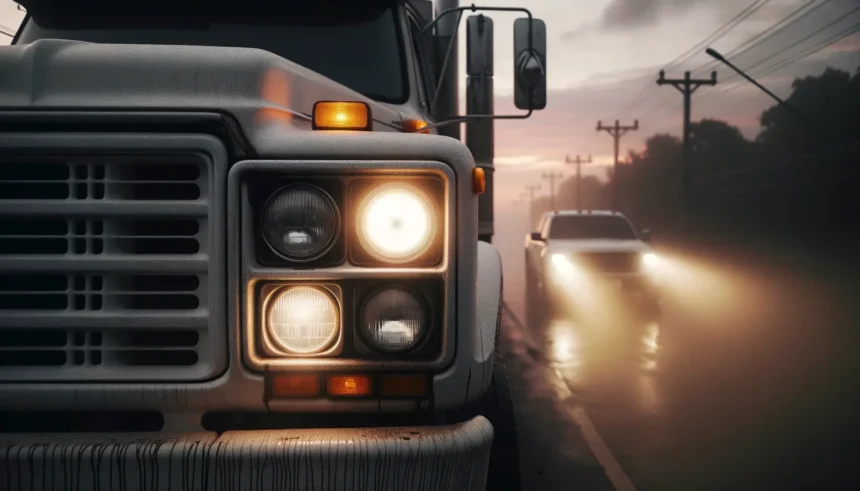
Understanding the Importance of Headlight Maintenance
Recommended: headlight restoration kits
Handpicked Amazon products relevant to this guide. Prices vary, links go to current Amazon listings.
Headlights are an essential component of every vehicle, serving a crucial role in ensuring the safety of both the driver and others on the road. Proper maintenance and upkeep of headlights are often overlooked by many car owners, yet it is a vital aspect that should not be ignored.
Headlight maintenance goes beyond simply keeping the lens clean; it involves regular inspection, cleaning, and, if needed, restoration to ensure optimal functionality.
One of the primary reasons why headlight maintenance is crucial is the gradual deterioration of the lens over time. Various external factors such as exposure to sunlight, harsh weather conditions, and the accumulation of dirt and debris can cause the lens to become cloudy, hazy, or develop small cracks. These issues significantly reduce the amount of light emitted by the headlights, resulting in decreased visibility during night-time driving or in adverse weather conditions.
By regularly maintaining and restoring the headlights, drivers can ensure that their visibility on the road is not hindered, thus enhancing the overall safety of their driving experience.

Common Causes of Headlight Damage
One common cause of headlight damage is prolonged exposure to the elements. Over time, the sun’s ultraviolet (UV) rays can fade and weaken the plastic or glass covering of the headlights. This can result in a cloudy or hazy appearance, reducing the effectiveness of the headlights and limiting visibility during nighttime driving.
Another cause of headlight damage is road debris and rock chips. When driving on highways or gravel roads, small rocks and debris can be kicked up by passing vehicles and strike the headlights, causing cracks or scratches. These damages not only affect the aesthetics of the headlights but can also compromise their functionality, leading to reduced illumination and safety hazards on the road. Regularly checking for and repairing any chips or cracks can help prevent further damage and maintain the overall condition of the headlights.
Assessing the Condition of Your Headlights
One of the first steps in maintaining your headlights is to assess their condition. This involves closely examining the headlights for any signs of damage or wear. Start by inspecting the lenses for any cracks, fogging, or discoloration. Clear, undamaged lenses provide the best visibility and ensure that your headlights are working efficiently. Additionally, check for any loose or damaged wiring connections that could affect the functioning of your headlights. By assessing the condition of your headlights, you can determine the extent of any issues and take the necessary steps to restore or repair them before they worsen.
Another aspect to consider when assessing your headlights is their brightness and clarity. Over time, headlights can become dim or hazy due to the accumulation of dirt, grime, and oxidation. This can significantly reduce the effectiveness of your headlights, leading to decreased visibility on the road. Take a closer look at the light output of your headlights and compare it to their original brightness. If you notice a considerable difference or find it difficult to see clearly at night, it may be time to restore or replace your headlights. Assessing the condition of your headlights is crucial in identifying any potential issues and ensuring that they are in optimal working condition for your safety on the road. So, take the time to carefully evaluate the state of your headlights and act accordingly to prevent any further damage or inconvenience.
Choosing the Right Restoration Method for Your Vehicle
When it comes to choosing the right restoration method for your vehicle’s headlights, there are a few factors to consider. Firstly, you need to assess the level of damage to your headlights. Are they slightly foggy and yellowed, or do they have major cracks and deep scratches? This will determine whether a simple DIY restoration kit will suffice or if you need to seek professional help.
Secondly, consider your budget and time constraints. DIY restoration kits are generally more cost-effective and can be done at your own convenience. However, they may require more effort and time to achieve the desired results. On the other hand, professional headlight restoration services can get the job done quickly and effectively, but they may come at a higher cost. Assess these factors to determine which option aligns best with your needs.
Lastly, it’s important to research and choose the right restoration method for your specific type of headlights. Different materials and finishes may require different techniques and products. Take the time to read reviews, watch tutorials, and seek advice from experts or fellow car enthusiasts to ensure you select the most suitable restoration method for your vehicle.
Overall, choosing the right restoration method for your headlights involves considering the level of damage, your budget and time constraints, as well as the specific type of headlights you have. By carefully weighing these factors, you can make an informed decision and achieve optimal results in rejuvenating your vehicle’s headlights.

Step-by-Step Guide to DIY Headlight Restoration
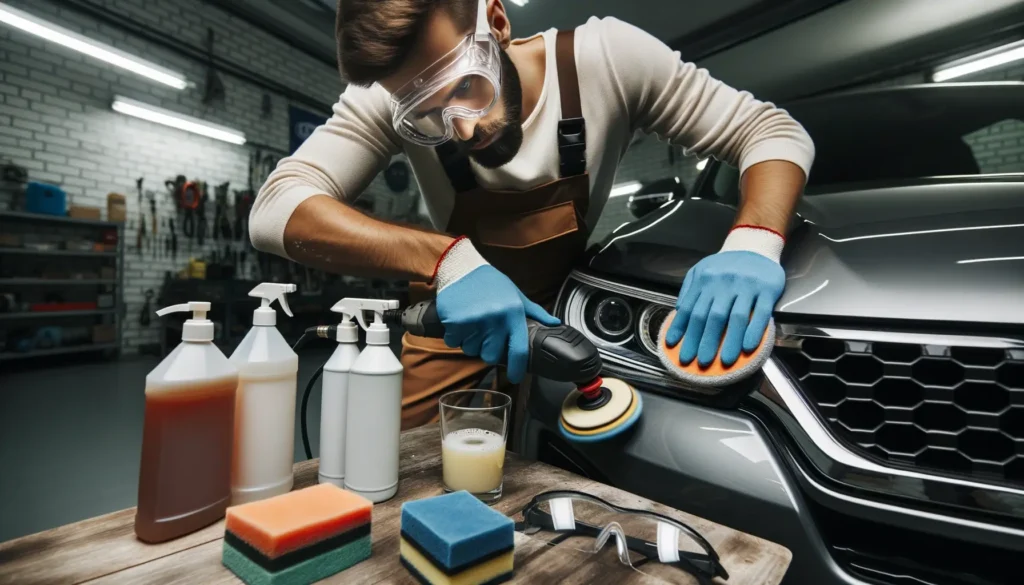
To begin the DIY headlight restoration process, gather all the necessary materials. This usually includes a headlight restoration kit, which typically contains sandpaper, a polishing compound, and a sealant. Additionally, you may need masking tape, microfiber towels, and a spray bottle filled with water.
Start by thoroughly cleaning the headlights to remove any dirt or debris. Use a mild soap and water solution or a specialized headlight cleaning solution. Rinse them well and dry with a clean towel. It’s important to have a clean surface before proceeding with the restoration.
Next, use the provided sandpaper to gently sand the surface of the headlights. This will help remove any oxidation or yellowing. Begin with a lower grit sandpaper and gradually work your way up to a higher grit for a smoother finish. Be sure to keep the surface wet while sanding to prevent scratching.
After sanding, wipe away any residue and apply the polishing compound provided in the restoration kit. Use a clean microfiber towel to work the compound into the surface of the headlights, using circular motions. This will help remove any remaining oxidation and restore clarity to the lens.
Once you’re satisfied with the level of clarity, apply the sealant provided in the kit. This will protect the headlights from future damage and maintain the results of the restoration. Follow the instructions on the sealant, as application methods may vary.
Overall, DIY headlight restoration can be a cost-effective way to improve visibility and enhance the appearance of your vehicle. By following these step-by-step instructions and using high-quality restoration products, you can achieve professional-looking results without the need for a professional service.
Here are the steps to follow for headlight restoration:
- Gather all necessary materials, including a headlight restoration kit, masking tape, microfiber towels, and a spray bottle filled with water.
- Thoroughly clean the headlights using a mild soap and water solution or specialized headlight cleaning solution.
- Rinse the headlights well and dry with a clean towel to ensure a clean surface for restoration.
- Use sandpaper provided in the restoration kit to gently sand the surface of the headlights, starting with lower grit sandpaper and gradually moving up to higher grit for a smoother finish. Keep the surface wet while sanding to prevent scratching.
- Wipe away any residue after sanding and apply the provided polishing compound. Work it into the surface of the headlights using circular motions with a clean microfiber towel.
- Once satisfied with clarity, apply sealant from the kit to protect against future damage. Follow instructions on sealant application methods may vary depending on the product used.
DIY headlight restoration is an affordable way to enhance visibility and improve your vehicle’s appearance without professional help.
Tips for Using Headlight Restoration Kits
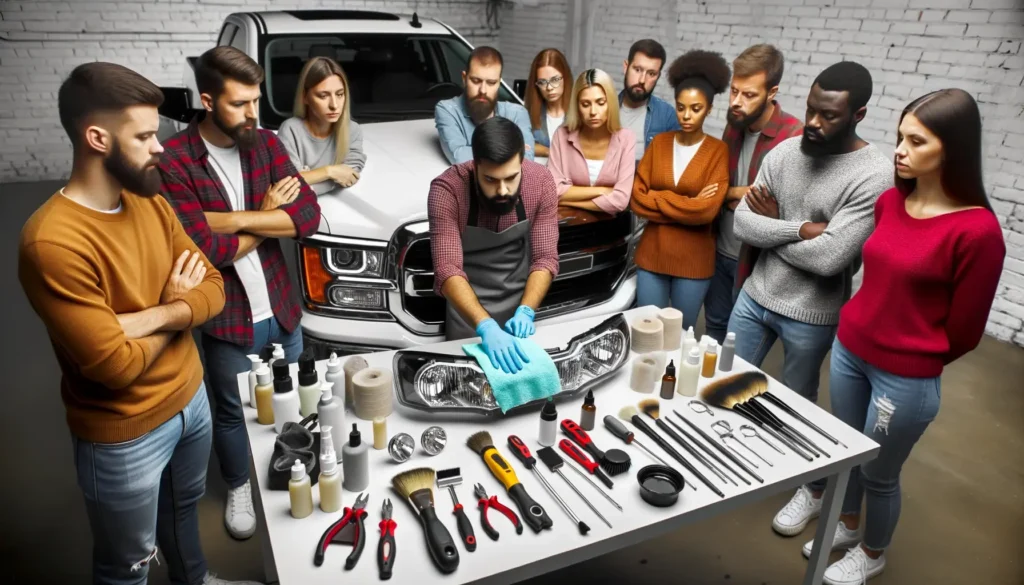
When using a headlight restoration kit, it is important to carefully read and follow the instructions provided. Each kit may have slightly different steps and requirements, so it is crucial to understand the specific directions for the product you are using. Begin by thoroughly cleaning the headlights and removing any dirt or grime. This will ensure that the restoration solution can effectively bond to the surface of the headlights. Next, apply the restoration solution as directed, using the provided applicator or cloth. Be sure to apply the solution evenly and avoid any excess that may drip onto other parts of the vehicle. Allow the solution to sit for the recommended amount of time, allowing it to work its magic and restore the clarity to your headlights. Finally, follow the instructions for removing the solution, whether it is by rinsing with water or wiping away with a clean cloth. Inspect the headlights after the restoration process to ensure that they have been effectively restored. If you are not satisfied with the results, you may need to repeat the process or consider seeking professional assistance.
When using a headlight restoration kit, it is important to take proper safety precautions. Some restoration solutions may contain chemicals that can be harmful to your skin and eyes, so it is recommended to wear protective gloves and eyewear. Additionally, it is important to work in a well-ventilated area to avoid inhaling any fumes from the restoration solution. If you are unsure about the safety of the products or the restoration process, it may be wise to consult with a professional or seek guidance from an automotive expert. Lastly, it is important to regularly maintain your headlights to prolong the clarity and effectiveness of the restoration. This includes regular cleaning, checking for any signs of damage or wear, and addressing any issues that arise promptly. By following these tips and using a headlight restoration kit properly, you can restore the clarity and brightness of your headlights and ensure safer nighttime driving.
Alternative Methods for Headlight Restoration
While there are several headlight restoration kits available in the market, some people prefer to explore alternative methods for restoring their headlights. One such method is using toothpaste. Yes, you read that right! A common household item like toothpaste can be used as an abrasive to remove the yellow haze and restore clarity to your headlights. Simply apply a small amount of toothpaste to a clean cloth and rub it in a circular motion on the headlight surface. Rinse off the toothpaste with water and repeat the process if necessary. However, it is important to note that toothpaste may not be as effective as dedicated restoration kits, especially for severe cases of headlight damage.
Another alternative method for headlight restoration is using baking soda and vinegar. This natural concoction can help remove oxidation and improve the appearance of your headlights. Mix a tablespoon of baking soda with enough vinegar to form a thick paste. Apply the paste to the headlights and scrub gently with a brush or sponge. Rinse off the paste with water and inspect the headlights. If the desired results aren’t achieved, you may need to repeat the process or consider using a different restoration method. It is essential to remember that alternative methods may vary in effectiveness depending on the severity of the damage and the type of headlights you have.
Maintaining the Results of Your Headlight Restoration
To ensure that the results of your headlight restoration last as long as possible, it is important to take certain maintenance steps. One of the most basic and effective ways to maintain your headlights is to regularly clean them. Use a mild soap and water solution to remove any dirt, grime, or residue that may have accumulated on the surface. Avoid using harsh chemicals or abrasive materials, as they can damage the headlight lens. Additionally, using a protective coating or sealant specifically designed for headlights can help to prolong the restoration results. These products create a barrier that shields the headlights from harmful UV rays, oxidation, and other environmental factors that can cause damage.
Another important aspect of maintaining the results of your headlight restoration is to regularly inspect them for any signs of deterioration. Look for any yellowing, cloudiness, or discoloration that may have reappeared over time. If you notice any of these issues, it may be necessary to repeat the restoration process to restore the full clarity and functionality of your headlights. Regularly checking your headlights and addressing any potential problems in a timely manner will help to prevent further damage and ensure that your restoration efforts are long-lasting.
Preventive Measures to Prolong Headlight Lifespan
Regular maintenance and care are essential to prolonging the lifespan of your vehicle’s headlights. One of the most important preventive measures is keeping the headlights clean. Over time, dirt, dust, and debris can accumulate on the surface of the headlights, diminishing their brightness and effectiveness. To keep them clean, make sure to regularly wash your car and pay attention to the headlights. Use a gentle soap and warm water to clean the surface, taking care not to scrub or scratch the lens. Additionally, avoid using harsh chemicals or abrasive cleaning tools, as these can cause damage to the headlights.
Another preventive measure to consider is protecting the headlights from various environmental factors. Exposure to sunlight, extreme temperatures, and harsh weather conditions can all contribute to the deterioration of the headlights. To shield them from these elements, consider parking your car in shaded areas or using a car cover when it’s not in use. Additionally, applying a protective film or coating to the headlights can provide an extra layer of defense against UV rays, oxidation, and other forms of damage. By taking these preventive measures, you can help ensure that your headlights stay in optimal condition and have a longer lifespan.
Professional Headlight Restoration Services: When to Consider Them
Professional Headlight Restoration Services: When to Consider Them
While many headlight restoration methods can be done at home, there are instances when it may be more beneficial to seek professional services. One such situation is when your headlights are severely damaged or discolored beyond what a DIY restoration kit can fix. Professional technicians have the expertise and specialized equipment to tackle more challenging cases, ensuring a thorough restoration and optimal results. Additionally, if you lack the time or confidence to perform the restoration yourself, opting for professional services can save you the hassle and guarantee a professional finish.
Another scenario where professional headlight restoration services may be warranted is when you have multiple vehicles that require restoration. Managing the restoration of numerous headlights can be time-consuming and overwhelming, especially if you have limited experience in the field. In such cases, relying on professionals can offer convenience and efficiency. By trusting the experts, you can have peace of mind knowing that all your vehicles will receive proper care and restoration, leaving you with brighter, safer headlights on all your vehicles
FAQs
What is headlight restoration?
Headlight restoration is a process used to improve the clarity and functionality of headlights that have become hazy, yellowed, or scratched over time.
How often should I consider headlight restoration?
The frequency of headlight restoration depends on various factors, such as the age of your vehicle and the environmental conditions it is exposed to. However, it is generally recommended to consider headlight restoration every 1-2 years.
What are the common causes of headlight damage?
Headlight damage can be caused by a variety of factors, including UV exposure, oxidation, road debris, chemicals, and environmental elements like salt and harsh weather conditions.
How can I assess the condition of my headlights?
You can assess the condition of your headlights by checking for signs of cloudiness, yellowing, hazing, or scratches. If your headlights appear dull or have reduced brightness, it may be a good time to consider restoration.
Can I restore my headlights myself?
Yes, you can restore your headlights yourself using DIY headlight restoration kits or alternative methods. However, professional headlight restoration services are also available for more effective and long-lasting results.
How do I choose the right restoration method for my vehicle?
The choice of restoration method depends on the severity of damage, time availability, and personal preference. DIY kits are suitable for mild to moderate damage, while professional services are recommended for severe damage or desired professional results.
Are headlight restoration kits easy to use?
Yes, most headlight restoration kits come with clear instructions and step-by-step guides. However, it is important to follow the instructions carefully and take necessary safety precautions during the process.
What are the alternative methods for headlight restoration?
Apart from using DIY kits, alternative methods for headlight restoration include toothpaste, baking soda, vinegar, or using various household products. However, the effectiveness of these methods may vary.
How can I maintain the results of my headlight restoration?
To maintain the results of your headlight restoration, it is recommended to regularly clean your headlights, protect them from UV rays, and apply a protective sealant or wax. Additionally, avoid using abrasive cleaners or chemicals that may damage the headlights.
What preventive measures can prolong the lifespan of my headlights?
To prolong the lifespan of your headlights, you can park your vehicle in shaded areas, use headlight covers or protective films, regularly clean the headlights, and avoid driving on rough roads or in extreme weather conditions.
When should I consider professional headlight restoration services?
Professional headlight restoration services should be considered if your headlights have severe damage, if previous restoration attempts have been unsuccessful, or if you prefer the expertise and guaranteed results provided by professionals.