
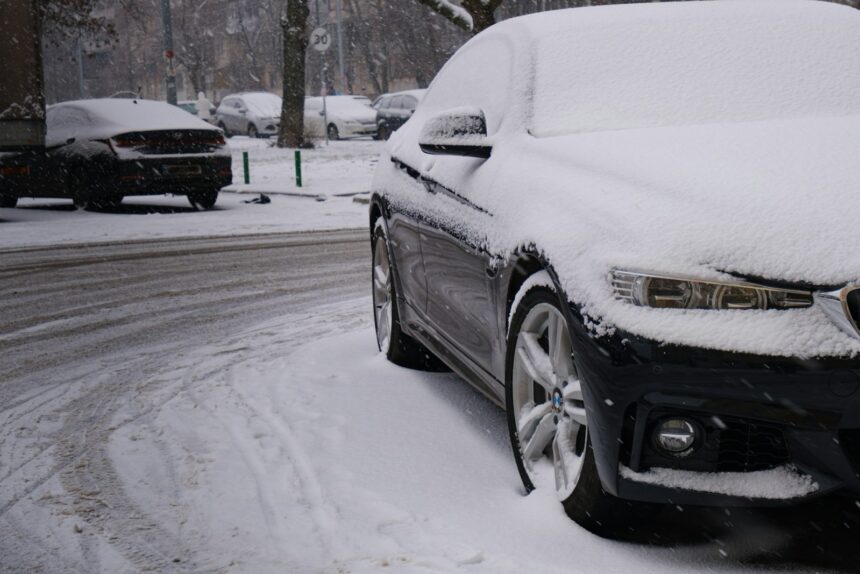
Fresh salt washes off with regular car soap. Aged salt requires iron remover + clay bar + polish. Salt-etched surfaces need progressive polishing or repaint depending on severity.
Winter road salt damages paint, chrome, wheels, and structural components. Full recovery is a spring detailing project that removes salt residue and prevents progressive damage. Combined with undercoating maintenance, protects vehicle year-round.
- You live in salt-belt state
- Your vehicle spent winter driving in salted conditions
- You want to prevent progressive rust + paint damage
- You want to preserve paint + wheel appearance
- You live in dry-belt state (no salt exposure)
- You garage-parked all winter
- Damage extends to structural rust (professional needed)
Winter road salt attacks vehicles at multiple levels — surface paint, chrome trim, aluminum wheels, and structural components. Spring recovery detail removes salt residue and prevents progressive damage. Combined with proper undercoating maintenance, protects vehicles for 15-20+ years in salt-belt regions.
The salt damage progression
Level 1: Surface salt residue
Salt film on paint + chrome + wheels. Wash off with regular car soap. Immediate treatment prevents progression.
Level 2: Embedded contamination
Salt embedded in paint pores + brake dust on wheels. Iron remover + clay bar removes. 30-60 minutes per panel.
Level 3: Salt corrosion
Aluminum wheels showing white spots. Chrome pitting. Requires aggressive polishing + resealing.
Level 4: Structural damage
Brake line corrosion, exhaust deterioration, frame rust. Professional inspection + repair. Common in 8+ year salt-belt vehicles without undercoating.
Complete spring recovery process
- Full undercarriage pressure wash — remove all salt residue
- Foam pre-wash entire vehicle exterior
- Two-bucket wash with soap + microfiber mitt
- Iron decontamination — spray + wait + rinse
- Clay bar entire paint surface
- Wheel deep clean with specialized cleaner
- Chrome polish restoration
- Paint correction if needed
- Ceramic spray application for protection
- Interior deep clean + protection
- Verify no rust progression + address any spots
Focus areas for salt damage recovery
Rocker panels
Highest salt exposure. Full clean + wax + optional Fluid Film application. Watch for developing rust bubbles.
Wheel wells + splash areas
Salt accumulates here. Deep clean + protection spray. Consider undercoating for extra protection.
Aluminum wheels
Salt corrodes aluminum. Iron remover + specialized wheel cleaner. Ceramic coating for future protection.
Chrome trim
Chrome pitting from salt. Polish restoration + protective coating. Replace if extensively pitted.
Prevention for next winter
- Apply Fluid Film undercoating in fall (before salt season)
- Apply ceramic spray to paint + wheels
- Weekly winter wash of undercarriage
- Address any small rust spots immediately
- Consider undercoating professional service for structural components
Regional considerations
Heavy salt-belt (MI, OH, PA, NY, IL)
Aggressive salt application by state DOT. Weekly winter washing + fall undercoating essential. Consider annual professional undercoating.
Moderate salt use (MA, MN, ME)
Less aggressive but consistent. DIY undercoating annual sufficient.
Coastal salt-belt (New England coast)
Road salt + coastal salt combined. Semi-annual undercoating + weekly washing.
Complete recommended product kit
CarPro Iron X Iron Remover
For embedded salt + brake dust removal.
Check Price on Amazon →Adam’s Graphene Ceramic Spray
Long-term paint protection.
Check Price on Amazon →Chemical Guys DiabloGel Wheel Cleaner
For salt-damaged wheels.
Check Price on Amazon →Auto Blast Undercarriage Wash Gun
For salt removal from underbody.
Check Price on Amazon →Fluid Film Rust Preventer
For post-recovery + fall reapplication.
Check Price on Amazon →Ryobi 2900 PSI Electric Pressure Washer
For undercarriage cleaning.
Check Price on Amazon →Meguiar’s Ultimate Compound
For paint correction if needed.
Check Price on Amazon →Mothers Chrome Polish
For salt-damaged chrome restoration.
Check Price on Amazon →Chemical Guys Total Interior Cleaner
For salt residue on carpets + interior.
Check Price on Amazon →Adam’s Graphene Ceramic Coating
Long-term protection alternative.
Check Price on Amazon →- Spring salt damage recovery essential for salt-belt vehicles
- Prevention through undercoating + ceramic dramatically reduces damage
- Weekly winter washing multiplies protection effectiveness
- Address any small rust spots immediately during recovery
- Full ceramic + undercoating combination extends vehicle life 5-10+ years
Frequently Asked Questions
When should I do salt damage recovery?
Late April through early June. After salt spraying stops.
How often should I do this?
Annually for salt-belt vehicles. Some enthusiasts do semi-annual.
Can I skip if I garage-park?
Reduced need but still recommended. Salt still reaches undercarriage during winter drives.
What’s the difference between salt residue and rust?
Salt washes off. Rust requires treatment. Both should be addressed.
Should I use different cleaners for salt vs regular wash?
Iron remover for salt-embedded contamination. Regular soap for surface cleaning.
How much salt damage prevents proper detail?
None — even severe salt damage responds to iron remover + clay bar treatment.
Can I skip clay bar step?
For minor exposure yes. Heavy salt exposure benefits from clay bar decontamination.
Do wheels need special treatment?
Yes — iron remover + specialized wheel cleaner. Aluminum wheels susceptible to salt pitting.
Bottom line
Salt damage recovery is annual maintenance for salt-belt vehicles. Full recovery detail preserves paint, wheels, chrome, and structural components. Combined with proper undercoating + ceramic protection, protects vehicles for 15-20+ years in aggressive winter conditions.