
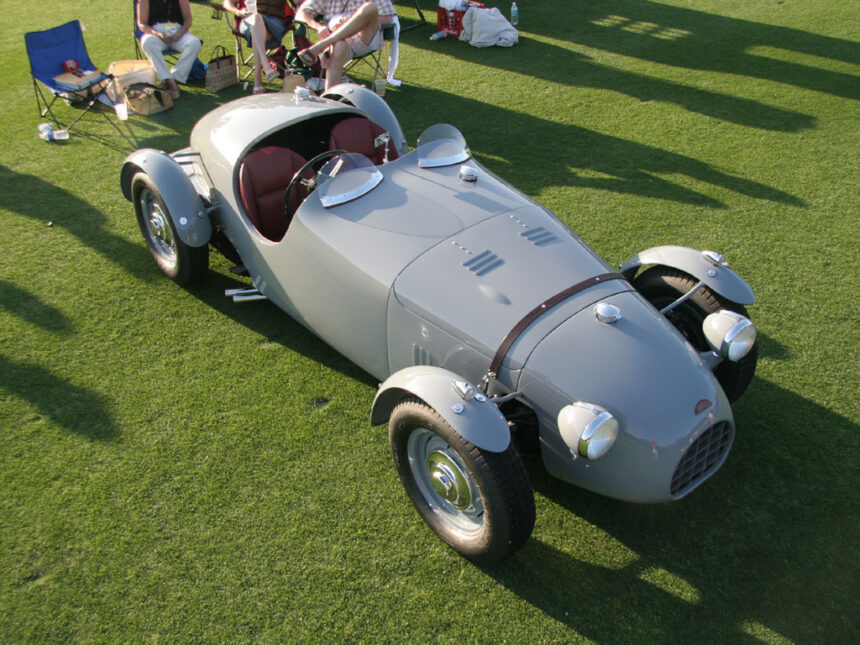
Car restoration involves returning an older classic vehicle back to its original condition, which can be both costly and time consuming. Proper research must also be conducted, such as investigating whether replacement parts exist and establishing support from car enthusiasts for your specific model.
Setting goals and meeting them are crucial elements to the success of any restoration. Switching tasks frequently wastes valuable time and often leads to unfinished projects.
Engine
Recommended: headlight restoration kits
Handpicked Amazon products relevant to this guide. Prices vary, links go to current Amazon listings.
Restoring an engine is a complex, time-consuming, but rewarding endeavor. To ensure its proper and safe running condition, use only quality tools and equipment when performing this restoration job; keeping up with regular lubrication services should prolong its longevity over time.
To restore a car correctly, it’s vitally important that all of its components can be identified and understood. This involves understanding how the car was originally constructed as well as any changes over time that may have taken place. Cylinders must be checked for wear. If they’re severely worn down it may be impossible to rebuild its engine; you can do this by inspecting their ridge; any signs of wear indicate that piston rings may no longer contact cylinder walls properly and must be addressed.
Restoring an engine requires taking into account both its fuel system and cooling systems, such as installing modern fuel injectors with electronic ignition as well as replacing water pumps, thermostats and radiator caps with brand new ones. Furthermore, an oil cooler should also be considered to help prevent overheating while decreasing friction in the engine.
An extensive restoration of an older automobile involves disassembly, cleaning and repair of all major components. If there are parts that cannot be fixed they must be replaced with new or better-quality versions before reassembly and testing of the entire vehicle is completed.
Restoring an older automobile requires finding the appropriate replacement parts. These will depend on its type and level of restoration desired, while in some instances custom fabricated parts may need to be ordered; this option can be costly but is necessary if original ones have become unavailable.
Establish a realistic budget and timeline. Projects often take longer than planned or incur unexpected expenses during their completion.
Electrical System
One of the most prevalent car issues is an improper functioning electrical system. Your electrical system powers all components in your vehicle, including lights, radio, and ignition; so having one in good shape is key if you want to experience driving your classic European car to its full potential. Luckily, fixing electrical issues is easier than you think!
Restoring your car’s electrical system begins with untangling its old wiring, which may prove challenging and time consuming. Make sure to take your time when untwisting the old wiring, clean up any leftover debris and inspect your work prior to proceeding further.
Next, test the voltage of your vehicle’s electrical circuits. This step is essential, as it enables you to identify any electrical components that might be faulty or damaged and pinpoint any areas where improvements could be made by making strategic modifications to electrical wiring systems.
Once you’ve reviewed and replaced any blown fuses, rewiring your vehicle can begin. Begin by inspecting its wire harness for signs of damage such as cuts or exposed areas; additionally check for corrosion on wiring connectors and terminals which could impede electricity flow or cause connectivity issues.
Keep in mind that modern cars rely heavily on computers and programming for proper functioning of their electrical systems, and if any problems arise with yours it may be necessary to reboot its computer system in order to rectify sensor malfunctions, infotainment system hiccups and memory problems.
Finalize this process by turning on your ignition and checking for lights or gauges that don’t function correctly. After taking this step, you can enjoy driving your classic car without worry over dead batteries or poor wiring.
Body
Car bodies serve both aesthetic and practical purposes, providing protection from external forces that would otherwise reach into its interior. Restoring car bodies requires both skill and precision; there are various bodywork methods available ranging from painting, fiberglassing and metal fabrication; more advanced methods like 3D printing or laser scanning may even be utilized by professionals for accurate results.
Restoration can be challenging for novice car enthusiasts, and many newcomers make costly mistakes when embarking on this endeavor. To make sure that your project runs smoothly and within budget, it is recommended that you consult an experienced car restorer as they will know which parts to select as well as any potential complications during the restoration process.
Be sure to consider why you’re undertaking your classic car restoration – do you plan on driving the vehicle yourself, selling it at auction, or showing it at auto shows? Your motivations for restoration will ultimately dictate its scope and timeline; document the restoration process through photographs, receipts and any noteworthy challenges encountered along the way as a portfolio documenting what has happened so that future restoration efforts may benefit from prior experiences.
Making your classic car “show condition” takes both hard work and dedication. Achieve this level of restoration will result in an appealing vehicle that attracts many enthusiasts and is judged at automotive shows.
Car restoration can be an engaging hobby if you have both passion and time to devote to it, yet show car restoration can be an enormous task that may take years to complete. Your goal should be to recreate an original-looking vehicle using authentic components, correct finishes, and retain original features like the car’s design features.
Show condition requires minimal blemishes and free from corrosion, with most original parts remaining; modern amenities like air conditioning and power steering may be added for improved driving experiences – these modifications may be considered by restoration purists as “resto-mods.”
Interior
Restoring a classic car interior is a labor of love that brings it closer to its original condition and increases its value. Whether taking on this project yourself or hiring professional assistance, thorough planning and attention to detail are paramount for ensuring success. Prior to diving in with restoration efforts, first assess your interior condition thoroughly. Make a list of items needing repair that could affect budget allocation or prioritisation of tasks.
Start by conducting an in-depth inspection of the interior of your vehicle’s seats, carpeting and dashboard for tears, stains or odors; cracks in dashboard and console may indicate damage; loose components should also be checked for in door panels and trim; then finally inspect door panels and trim door for loose components – this comprehensive assessment of its interior will enable you to establish how much work needs to be done to make it a comfortable and stylish environment.
Outside of upholstery and carpeting, most of your classic car’s interior consists of hard plastic or vinyl components that may become discolored over time due to direct sunlight exposure. Temporary solutions such as car interior plastic cleaners may help, while for lasting effects the best solution would be using paint specially formulated for plastic and vinyl components.
ColorBond LVP products provide the solution, easily and affordably restoring hard plastic dash components, door panels and trim, seat backs and armrests back to their original, pristine state. ColorBond LVP has many applications including hard plastic dash components restoration; door panels; seat backs; armrest restoration and more! Plus they’re affordable with amazing results!
Once you have restored the hard components of your classic car, it’s time to turn to upholstery restoration. While this step can take more time and patience than other steps in interior restoration, the reward can make it well worth your while. Use only high-grade fabric and be sure to thoroughly clean any tools before cutting into its interior to prevent unwarranted damage to its structure or materials.
Though it might be tempting to skip straight to refinishing the body of your classic car, don’t. Your interior gives your classic car its character and makes driving memorable for everyone involved.