
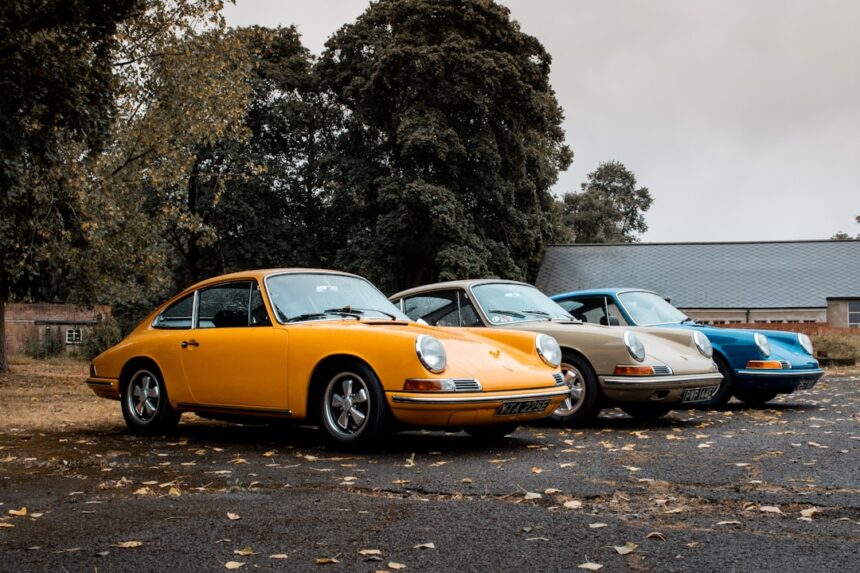
Are You an Auto Enthusiast? Chances are, if so, then restoring classic vehicles is probably one of your dreams. While television shows make it appear simple, restoring one fully can take both time and money to complete successfully.
Step one of restoring your car should involve determining how authentic you want its appearance to be. This decision will have an impact on both budget and parts needed for its restoration.
Identifying the Problems
Recommended: headlight restoration kits
Handpicked Amazon products relevant to this guide. Prices vary, links go to current Amazon listings.
As soon as you embark on a car restoration project, it’s essential that you understand its inherent challenges. Restoring an older classic requires considerable time and technical know-how as well as replacement parts that may be hard to come by; making the car run properly may require replacing outdated engines with modern counterparts in order to achieve success.
When choosing a restoration shop to restore your car, be sure they have an established history of meeting deadlines and staying within their budget. Make sure they provide photos from past projects as well as documentation on the process; if they cannot do this then look elsewhere for restoration shops.
Poor workmanship is one of the primary challenges associated with car restoration projects, leading to expensive and time-consuming repair bills in the future. Therefore, it is vitally important that a licensed and experienced restorer be selected.
Many people try to save money by using cheaper jacks or milk crates to support their car while working on it, however this can be hazardous and lead to damage of both yourself and the car. Therefore, investing in high-quality jacks may not only keep you safer while working but may prevent further repairs down the line. Ultimately, it would be wiser and cheaper if all tasks were completed simultaneously as this wastes time and may result in more costly repairs down the line.
Dismantling the Car
Car restoration can be an involved and time-consuming endeavor that can take months or years to complete, and requires patience and skill. Anyone not ready to commit the necessary time and effort should not undertake this endeavor; although books and tools can provide some assistance, nothing beats real world experience in this regard.
Disassembling a classic car is the first step toward its restoration, which includes taking apart its body, engine, and drivetrain components to inspect for wear or damage before replacing or repairing as necessary. Once these are in your possession, be sure to thoroughly clean them so as to eliminate dirt and rust and prepare them for painting.
As soon as you decide what kind of restoration work to undertake, the next step should be deciding the type. Complete restoration or just repairs might be the goal – each choice will affect costs and duration of the project.
Complete restoration is designed to return a vehicle to its original state, such as by repairing or replacing engine, transmission and other mechanical components as well as rewiring and installing new gauges and switches.
Interior restoration is an integral component of complete restoration, as the interior may need to be stripped, reupholstered and painted – not forgetting any rotting or mold issues that may exist.
Car restoration can be an exhilarating hobby that is enjoyed by the whole family, yet it must be approached realistically and within reasonable boundaries. Restoring classic cars can be time-consuming and costly endeavor, so be sure you have enough resources and time for this endeavor before embarking.
Identifying the Parts
Before beginning restoration on your classic car, it is vitally important to conduct proper research. Doing this will enable you to find all of the parts required and ensure compatibility with original specifications; additionally, this research can give an indication of timeline and budget implications.
If you are restoring an older Camaro, be sure to purchase replacement parts that are compatible with this particular make and model. Failing to do this may lead to complications in the long run. It is also wise to research whether your classic is in demand and its value so as to assess if investing time and money into its restoration makes sense.
Once you know which parts you require, the restoration process can begin. Be sure to purchase parts from reputable sources to ensure their authenticity and high-quality. Although this may take more time and searching than anticipated, purchasing non-genuine or subpar quality parts could lead to much frustration and costly repairs later.
For best results when restoring vintage cars, authentic paint must be used. Doing this will ensure that its hue matches as closely to its original hue as possible – something mismatched paint could do. To avoid any problems here, professional painters should be employed or advice taken from experienced restorers.
Purchasing the Parts
Car restoration is a hobby enjoyed by many, whether for its nostalgic design elements, engine-fixing challenges or nostalgia-inducing nostalgia of classic cars. Whatever their motivation may be, car enthusiasts need to know where they can source parts needed to maintain and improve their classic vehicles – local shops and junkyards as well as online auction sites offer wide ranges of replacement components; alternatively purchasing from dealerships may prove more costly.
Some car restoration enthusiasts favor using OEM (original equipment manufacturer) parts exclusively in their restoration project, as this helps maintain continuity and avoid potential complications associated with aftermarket parts. Others believe using aftermarket parts as long as they are of sufficient quality and function properly; some owners even choose a hybrid approach where both OEM and aftermarket parts are utilized in their project.
Finding the appropriate parts is integral to car restoration success and may take some investigating. The best way to source authentic, quality-made replacements for your classic vehicle restoration is visiting shops specializing in that model of car as well as online auction and shopping sites dedicated to classic or restoration cars.
Reaching out to other car enthusiasts at local clubs or forums may also prove invaluable in your search for restoration parts, and they may even provide some of their own spares!
Purchasing the Car
As part of selecting a classic car to restore, it’s essential that you set both goals and budget parameters. Begin by determining its intended use; personal enjoyment, show or resale could all play into this decision as it will impact how much restoration work needs to be completed. According to D. Flamer’s guidance, set an individual restoration goal while increasing it by 20% as an overspending safeguard measure.
Once you know why you want to restore a car, the next step should be finding an appropriate vehicle to buy. Preferably, it should be in good mechanical condition and rust-free; with plenty of parts readily available and no costs associated with shipping them over. In addition, research the vehicle to establish its fair market value according to condition and rarity; if it becomes too costly then consider walking away from this deal.
As part of the restoration process, you’ll need to replace or repair all major and minor components of the car – such as its engine, transmission, driveline and electrical and cooling systems – including engine components such as transmission and driveline. Furthermore, upgrades should also be made to its brake, steering and suspension systems in order to make driving it a pleasant experience.
Restoring a car completely to its factory condition may seem idealistic; however, this may not always be feasible or even desirable. Therefore, modern parts may be used during restoration to achieve similar looks and performance levels as those originally found on it.