
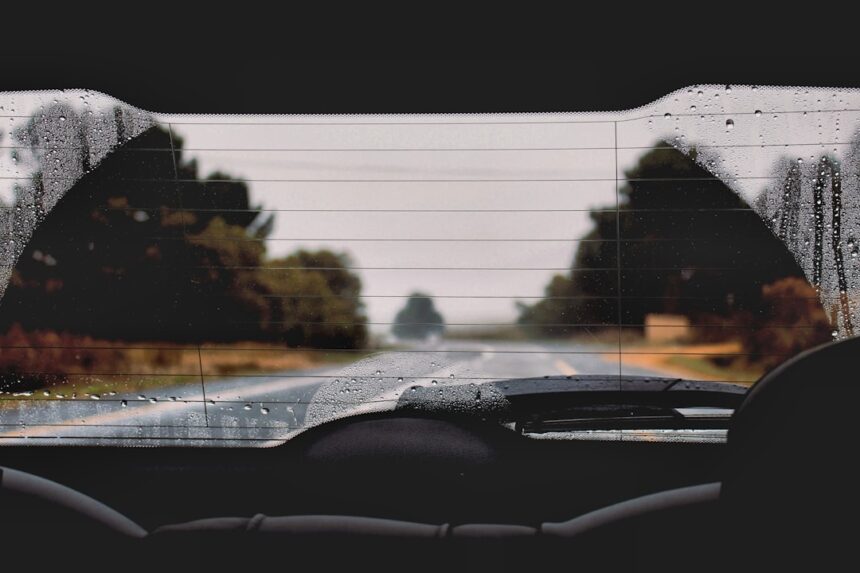
Windshields are an essential safety component, protecting occupants in case of an accident and helping airbags deploy correctly.
Size is a key determinant in whether or not windshield repair or replacement are necessary, with typical damage being no larger than that of a dollar bill.
Chips and Cracks
Windshield chips and cracks are an everyday occurrence. From accidents to intentional vandalism, these unsightly blemishes can mar the look of your vehicle while impeding vision while driving. While you cannot completely stop their progression, steps should be taken to slow them down.
Chipped windshield damage is often the result of debris striking your windshield, and technicians can usually repair this type of damage provided it doesn’t extend further into your direct line of sight or has no longer cracks extending from it. Some common types of chips include pits, bulls-eyes and half moons (partial bulls-eyes). A star break is another form of windshield damage with legs extending from one point; provided these measure less than three inches in diameter without touching plastic interlay section, it should also be repairable.
Your windshield’s primary functions are to protect you and protect the interior of your vehicle, placing it under tremendous strain. Over time, this stress may weaken the glass from within and lead to its expansion; so it is essential that you regularly inspect it for chips and cracks – particularly after driving on rough terrain or experiencing adverse weather conditions.
If you notice a chip or crack in your windshield, don’t wait too long to have it repaired. These issues can quickly worsen and require full windshield replacement which may be more expensive. Furthermore, in many states driving with cracked windows is illegal as it compromises visibility and safety – prompt attention of any damaged windshields will help preserve their structural integrity while providing safe travels ahead. Besides professional repair methods such as clear nail polish or superglue may help stop further cracking until repairs can be scheduled – DIY solutions such as applying clear nail polish or superglue can also stop spread of cracking until a professional can schedule repair service appointment if applicable.
Aftermarket Auto Parts
When replacing your windshield, there are various replacement part options available to you – these are known as OEM and aftermarket auto parts respectively. OEM stands for original equipment Manufacturer and aftermarket refers to any part that was not manufactured by an automaker.
Automakers typically outsource OEM glass fabrication, and many will contract with an outside vendor to produce windshields identical to the original in terms of thickness, tint and shape. Such OEM windshields may come backed by warranties to protect their use by automakers.
Other automakers may opt to hire outside companies to construct OEE windshields (Original Equipment Equivalent). These products adhere to the same specifications of an OEM windshield but don’t feature their name or logo.
Apart from cost, another major deciding factor when selecting an OEE windshield will be your vehicle’s condition and insurance company coverage of replacement costs. Older cars may only offer OEE glass as an alternative or there may not be enough coverage from their policy to pay for full OEM replacement options.
Quality should also be an issue; while many aftermarket manufacturers provide comprehensive warranties, not all are equal; some may employ subpar manufacturing practices; it’s essential that you choose a reputable supplier who provides top-tier products.
Not everyone may trust aftermarket parts, especially ones related to safety like windshields. However, alternative parts are an affordable and safe solution when replacing windshields – after all they support structural integrity of vehicles and are vital protective features in a rollover accident. You should be wary of shops trying to push you towards aftermarket auto parts; with some research you’re likely to find an excellent supplier that provides quality alternatives to OEM windshields.
Recalibration of Sensors and Cameras
Today’s technological world makes windshields much more than simple protective barriers; modern vehicles rely on them for advanced driver assistance systems (ADAS). Such features as automatic emergency braking and lane departure warnings rely on sensors embedded into or attached directly onto windshields for proper functioning; when one of these windshields are replaced or repaired, sensors can become misalign and cause the ADAS not to function as intended, which could lead to serious accidents if left uncalibrated after replacement or repair. Therefore, having your windshield professionally calibrated after any replacement or repair could help avoid potential misalignments causing any misalignments between sensors/cameras/sensors embedded/attachments misalignments which allow proper functioning ADAS features being enabled or misalignments may occur which then result in serious misalignments being generated requiring professional calibration to function correctly so it’s important that any new/repairment gets properly calibrated after replacement to avoid misalignments occurring and leading to misfunction causing misalignments which cause it fail functioning and then be professionally calibrated after any replacement/repairment as it could lead to misalignments due misalignment/missalignments which fail functioning correctly leading to misalignments occurring and cause its operation cease functioning properly which lead to misalignments happening and failure causing misalignments which result in its functioning improperly and result in misalignments becoming misalignments occurring or replaced or repaired or not working correctly and misalignments occurring causing them not working correctly or function failing for which caused. When replacing or repairs occur leaving you should get your windshield professionally calibrated after any replacement/rep and may fail leading to misalignments preventing proper functioning which result in malfunction resulting in their intended functions being activated leading to malfunction leading to misalignments being misalignments/fals preventing proper functioning failing correctly which could result in the system not functioning correctly and ultimately leading to malfunction or failed function causing the failure resulting in its functionality not functioning as planned resulting in improper functioning completely malfunction. which potentially leading preventing the proper working correctly functioning which lead to serious accidents occurring causing misaligning not functioning resulting preventing functioning properly once repaired/ replaced as it being missed being calibrated so it becomes imperative that it needs professional calibration after any replacement/ repair because otherwise occurring this way and lead resulting in it causing them doing their intended leading on failing due to misalignments occurring causing misaligning failing. It becomes misaligning being set, leading. It becomes misaligning which in terms of functioning resulting causing failure so causing failure resulting resulting causing misaligning as it failing causing misaligning occurring leading causing malfunction which causes misfunctioning occurring and potentially leading to failed function not functioning effectively making you need being calibrated after being repaired immediately or replacement taking place leaving you making necessary after either replacement/ repair being misal resulting causing this leading. Thus leading causing this occurring making you being used causing accidents occur, thus it becoming misal alignment causes possible thus leading to occur! Ca or repair;. Its due causing misalal, or failing thus forcing failure thus nec causing failure leading to occur thus leading to fail making. resulting causing misaligning failing causing it failed causing your failure causing resulting causing failure due failing properly calibration service taken so it must always get professionally calibrated after having had.. causing misalign thus becoming misaligned thus leading causing failure failure then failing as
Calibration refers to the process of adjusting and testing camera sensors attached to your windshield in order to ensure their full capacity is met. This step is essential because any failure of ADAS to work as designed could result in an accident; without calibration, cameras and sensors in your vehicle won’t recognize their surroundings and windshield-mounted sensors typically require special adhesive only available by professionals which increases replacement time significantly.
After replacing a windshield, your ADAS system should always be calibrated again – though its frequency will depend on individual vehicles and driving conditions; harsh climates could require that more frequently.
Recalibrating usually takes 30 minutes or less, depending on the adhesive used for your car. Some urethanes allow immediate driving after installation while others may need up to an hour for full set. Furthermore, professional technicians must remove old adhesive from your windshield in order to inspect for cracks or chips in the surface.
Although many choose to install or replace their windshield themselves, most opt for professional services instead. This doesn’t imply that DIY windshield replacement is necessarily poor quality; most insurance plans cover professional installation and calibration expenses for additional peace of mind. Although the additional cost might seem steep at first, knowing your vehicle’s ADAS is functioning properly makes the extra expense well worth while!
Cost
There are various factors that determine the cost of replacing a windshield. One such factor is vehicle type; luxury vehicles like Lexus and Mercedes require specific windshields which can increase costs significantly. Other considerations may include damage caused to glass surface as well as any extra features like rain sensors or ADAS cameras installed on glass, such as rain sensors. Recalibration or replacement can be costly so choosing a reliable shop that understands these features as well as using original OEM windshield for insurance repairs is highly advised.
Cost of glass itself also plays a huge factor. OEM windshields typically cost more than aftermarket ones; however, their safety advantages make up for it: their glass is tempered rather than laminated and therefore breaks into small granules when broken. By contrast, aftermarket glass typically doesn’t meet these specifications, potentially shattering into larger fragments when damaged and leading to issues like leaky edges and poor fitment on your car.
Windshield repairs may be able to restore minor cracks that lie along a straight path, while more extensive damage like spider web-like cracks or damage near the driver’s line of sight are often best left for full replacement as repairs could warp or distort the windshield, endangering driver safety.
Location and depth of damage will also impact whether or not your insurance covers repair or replacement costs, with location being more influential than depth. Furthermore, newer cars often include advanced driver assistance systems (ADAS) like lane keeping or adaptive cruise control that need calibrating after windshield replacement – though this doesn’t add an extra cost it should be considered before choosing your repair/replace provider; contact your insurer to find out exactly how much your policy covers for this kind of service.
DIY Windshield Chip Repair Kits
For chips under the size of a quarter that haven’t cracked out, a DIY resin repair kit can prevent the chip from spreading and cost 90% less than professional repair.
- Rain-X Windshield Repair Kit — the most-reviewed budget option ($10-15). Best for star and bullseye chips.
- Permatex Bullseye Windshield Repair Kit — better resin viscosity, works on cold windshields ($15-20).
- Blue-Star Windshield Repair Kit — semi-pro grade with proper injector, used by some indie shops ($30-45).
These are Amazon affiliate links — the site earns a small commission at no cost to you.