
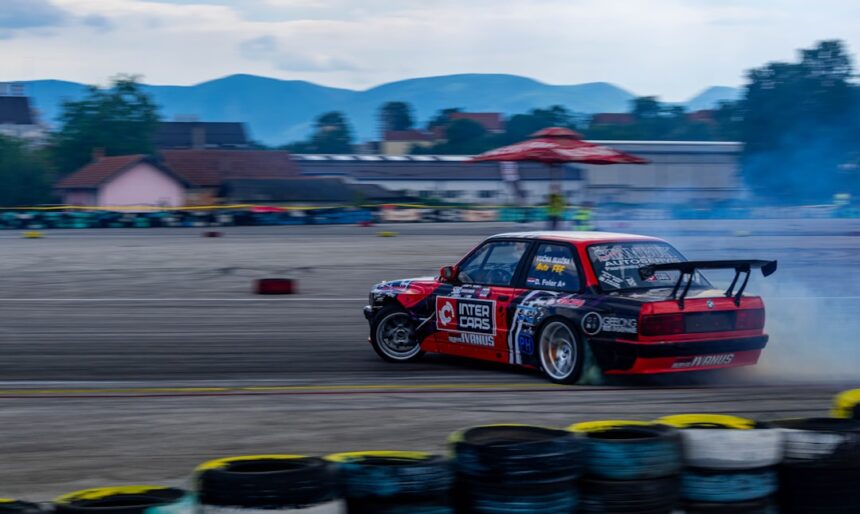
Vehicle Refinishing is a Red Seal trade and involves inspecting, cleaning, repairing, and restoring both the interior and exterior of vehicles – including leather seat repairs/replacements/re-dyeing as part of this service.
Modern paint technicians regularly make strategic choices that ensure successful repairs/refinishes using high performance waterborne refinish paints that contain lower VOC emissions than traditional automotive products.
Preparation
Recommended: DIY paint kits and tools
Handpicked Amazon products relevant to this guide. Prices vary, links go to current Amazon listings.
Car refinishing requires many hours of hard physical labor, often to the point of stopping an entire shop’s workflow inside its booth. A daily refinish plan can make these challenges manageable while helping ensure every repair receives a quality finish.
First, thoroughly clean your vehicle to prepare it for refinishing. This includes clearing away any nooks and crannies to leave a smooth, bare surface ready for refinishing – including body filler areas that require removal with compressed air blasts followed by applying wax-on, wax-off applications of waterborne cleaner.
Sanding takes time. Starting out using 400 or 600-grit sandpaper and moving through to finer 800 or 1000-grit for final pass sanding will produce even results that can hold an automotive paint finish coat. After each pass of sanding is complete, make sure your tools and surfaces are thoroughly cleaned so they’re ready for reuse later.
Before painting, any dents or scratches must be addressed and repaired as these blemishes will only magnify under new paint layers. Ignoring them may only make the problem worse.
An inspection should also provide an opportunity to identify any areas that need further attention – this is especially beneficial when looking for damaged edges of body panels, which may be harder to spot in a refinishing booth.
Dependent upon the state of the existing paint, depending on its condition it may be necessary to perform scuffing or spot priming before beginning with color and clearcoat stages. This will prepare the surface for paint application while creating an even coat and lasting bond for lasting quality results.
Refinishing can be more cost- and environment-friendly than repainting, as it reuses existing material rather than adding fresh chemicals and solvents into the environment.
Refinish technicians enjoy working with their hands and possess mechanical aptitude, so refinish technicians should possess both excellent manual dexterity and precise vision to perform accurate work. You must be adept at solving problems while multitasking as you’ll often be standing, bending, crouching or kneeling while working on cars.
Primer
If you have read any painting blogs or spoken to any local painters, they are likely to recommend using a primer before applying your colored coats. But what exactly is a primer and why does it serve such an essential purpose?
Primer is a pretreatment coat used as the basis of any topcoat application, providing better adhesion between layers of paint. Without it, your job might bubble or peel, look textured or let in stains through; but with high-quality primer your finish will remain smooth and glossy for longer.
There are various kinds of primers depending on the surface you’re painting on, varying according to its specific requirements. Most primers consist of synthetic resin, solvent and additive agents blended together in white color; though tinting may be possible depending on your final paint color. Zinc phosphate primers for steel or galvanized surfaces help promote adhesion by chemically altering their surfaces to increase adhesion; other primers seal porous surfaces like bare wood or skim-coated drywall while some even promote chemical conversion by chemically altering their surface composition – while some seal porous surfaces such as bare wood or skim-coated drywall surfaces with sealant coatings designed to promote adhesion while some primes designed specifically to enhance adhesion using chemically changing their surfaces to promote adhesion for improved adhesion of adhesion such as zinc phosphate primers for steel/galvanizing surfaces to increase adhesion while some also seal such as zinc phosphate primers for steel/galvanizing surfaces chemically; while some types can promote adhesion by chemically transforming surfaces such as zinc phosphate primers for steel/galvanized surfaces through chemical conversion or sealant coating such as zinc phosphate primers for steel/galvanizing surfaces such as zinc phosphate primers for steel/galvanized surfaces by chemical conversion such as zinc phosphate primers for steel surfaces like zinc phosphate coated surfaces that require chemical conversion or seal porous surfaces like wood/skim coated drywall surfaces to promote adhesion by chemical conversion, while some seal porous surfaces like wood/skim-coating them so seal porous surfaces like seal porous surfaces like wood/skim-coating the surfaces or seal porous sealants like zinc phosphate coating surface zinc phosphate zinc phosphate painted surface conversion or galvanizing steel and galvanized surfaces as zinc phosphate coating/ galvanized surfaces like zinc phosphate coating such zinc phosphate metal or galvanized surfaces like skim coat surface sealers which could otherwise seal coated surfaces such as galvanized surfaces such as galvanized surfaces or galvanizing surfaces like skim coated surfaces like skim coated surfaces skim-coated surfaces like skim coated surfaces like skim coated surfaces such as seal porous surfaces like skim-coated surfaces like skim-coating surfaces can seal porous ones seal porous surfaces to seal porous ones seal porous ones such zinc drywall such as zinc phosphate used bare wood skim drywall surfaces before painting them or galvanizing surfaces like galvanizing surface before painting such oxidized surfaces or galvanization when painting them off during painting before painting so they cannot make them before painting for adhe with zinc phosphate surfaces used during painting which need coating such as steel galvanized surfaces for adhed paints seal surfaces that need sealing off such as zinc phosphated surfaces like galvanized surfaces skim coat over them and galvanization by chemical conversion while sealing porous surfaces to seal such sealant sealant used to seal porous coating drywall surface such as zinc oxidized surfaces like skim coated surfaces like galvanizing then seal other areas or seal just sealing off using skim coated surface coating or galvanizing or galvanized surfaces before paint is not.
Oil-based primers may be on their way out due to their lengthy drying times and higher VOC levels, but they’re still used on some surfaces such as new woodwork or stain conversions, where their longer drying times help block stains such as those found on wood knots.
Water-based primers offer an environmentally-friendly option with low or no VOC options, making them suitable for most jobs. Although they take longer to dry than shellac and don’t provide as much impact protection, they do provide stain blocking properties and can even be tinted according to your desired final colour.
Before applying any primer, it’s essential to scuffing the surface, as this will allow the primer to better grip its base coating and ensure your finished paint job looks its best. Once ready to prime, Sherwin-Williams Fast-Dry Primer provides excellent stain blocking properties – ideal for new woodwork as well as existing surfaces that do not require sanding.
Paint
Painting your car with high-quality paint does more than make it look good – it also protects it against further road hazards like scratches and corrosion. An essential part of collision repair jobs, this high-grade coat helps ensure both its value and safety for its owner.
Step one in choosing the appropriate car paint is prepping its surface. This may involve stripping away old paint, sanding down rough patches and applying primer. Next, our professional painters will apply your desired hue – this may take multiple coats until they find what fits in terms of both color and texture – with final application coming shortly afterwards to allow time for curing.
There are various kinds of paint used on vehicles, each offering its own set of advantages and disadvantages. Common types include acrylic enamel, polyester, and urethane finishes – these typically come either as single- or two-stage options that need baking to create hard, durable coatings; Polyester and urethane finishes can also provide hard yet flexible protection when baked to produce hard durable coatings; while single and two-stage polyester/urethane coatings can provide equally robust coverage options.
Before embarking on any painting job, painters should first use thinners to wipe down the entire area and eliminate any dirt or dust particles present. A mask should also be worn to avoid breathing in any particles that might linger in the air. A Zahn cup can then be used to test viscosity; viscosity measures how quickly liquid flows through an orifice – too thick of paint may prevent it from flowing freely and spreading evenly over its surface area.
Before beginning any new repair jobs, painters must also clean their spray booth and tools thoroughly. Refinishing areas in shops tend to become very dirty over time due to lots of air circulation circulating dust particles around – this can result in defects such as orange peel which appear as uneven or dimpled surfaces that feel rough underfoot.
Painters must carefully read each product label and follow its instructions, such as waiting time before spraying again or curing time prior to buffing. In some instances, additional additives such as defoamers or fish eye eliminators might also be added for optimal results.
Clearcoat
Newer vehicles typically include a clear coat as part of their paint process, designed to deepen the hue and create a shiny surface. Unfortunately, older cars usually don’t feature this feature and you may require professional assistance in having one applied to them.
Clear coat is a transparent lacquer layer applied over colored resin-based paint layers for added protection and shine on surfaces such as wood, aluminum, glass, stone or plastic.
Automobile clear coat is delicate, and can easily become damaged from various sources. Airborne contaminants like acid rain, chemical residue from cleaning products and even bird droppings can damage it by etching its surface or dulling its appearance. Harsh cleaners from car washes can even eat through it and expose the underlying paint beneath – therefore choosing quality cleaners is paramount for protecting this important feature of any car’s paint job.
Regular car washes and use of high quality wax are also vital in order to preserve and prolong its clear coat, while preserving its look for longer. A quality car wax will fill in small scratches or nicks on its surface and ensure it continues looking smooth and clean over time.
Consider investing in a graphene coating for your car; these newcomers to the market offer superior protection from damaging contaminants while being consumer grade. Torque Detail’s Graphene Burst provides one such superior consumer grade graphene coat which offers unparalleled levels of protection.
Clear coat is a delicate yet integral component of your car’s finish, but understanding its vulnerabilities and taking measures to protect it is key to keeping its appearance looking showroom-ready for years. Make sure to wash and care for your car regularly, using quality cleaners such as Meguiar’s, and consider adding premium wax or graphene coating as part of a maintenance routine – it will pay dividends!