
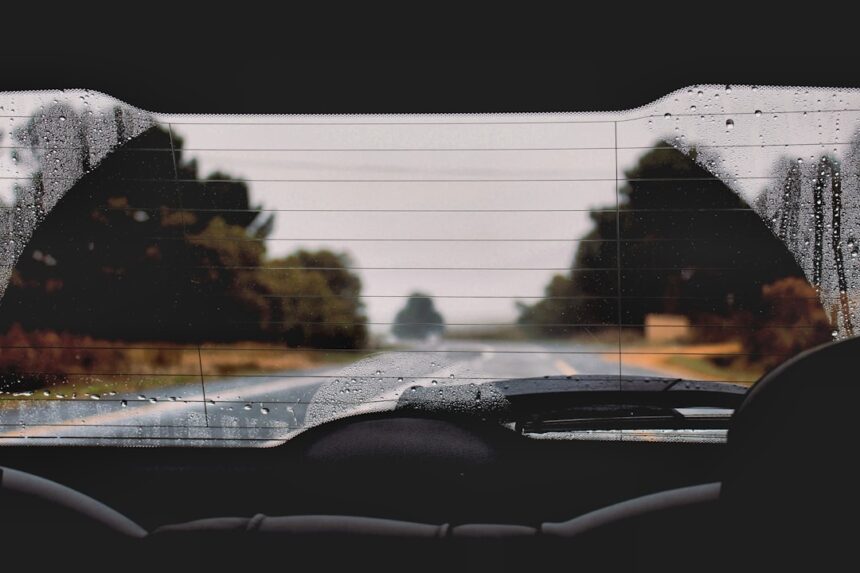
Damaged windshields can create serious complications. Not only can it hinder visibility, but driving with a broken windshield in certain locations is illegal.
Cracked windshields can sometimes be repaired; in others they require replacement. To make an informed decision about which option best meets your needs, it is essential that you consider all aspects such as cost, safety and insurance implications of each option available to you.
Cost
Damaged windshields can be hazardous when driving. Not only will it limit your vision, but it could even compromise ADAS systems that help ensure driver safety on the road such as lane keeping assistance and adaptive cruise control. Repair or replacement may cost money out of pocket but it is essential that this be completed as soon as possible to preserve vehicle safety features.
Paying too much for auto insurance?
The average driver saves $840/year by comparing 3+ insurance quotes. Get instant quotes from top carriers in under 2 minutes.
Sponsored links. We may earn a commission if you request a quote at no cost to you.
Windshield repair costs depend on various factors, such as your car make and model, coverage type and type, as well as type of glass used. When seeking windshield repair solutions it is always wise to work with a reputable auto glass company for optimal service and pricing; low quality glass could warp or distort optical distortion that distracts drivers and reduces visibility significantly.
Location and depth of damage also play a significant role in determining the cost of windshield replacement, with drivers’ direct line of sight being particularly affected if damage extends past their line-of-sight or is particularly deep/wide/deep, necessitating full replacement instead of repair. Structural integrity of the windshield being essential to vehicle safety; should its integrity become compromised to an extent where it no longer supports roof and structure during an accident, full replacement must occur immediately.
If your windshield features advanced driver assistance systems (ADAS) like lane-keeping assist or adaptive cruise control, such as Lane Keeping Assist and Adaptive Cruise Control (ACC), recalibration will need to take place after replacement is completed. This is because cameras and sensors located within your windshield need precise positioning in order to function optimally – any deviation could lead to inaccurate HUD display information or disable the entire system completely.
Depending on your specific circumstances, be prepared to pay up to $1,500 for a new windshield – this includes both its replacement cost and any additional fees for installation or calibration of ADAS technologies.
Safety
A windshield of a vehicle serves more than aesthetical and visual functions; it also contributes to structural integrity of the car and airbag deployment correctly, so quality and professionalism should always be prioritized when having one replaced.
An improperly functioning windshield can allow water, snow or debris to enter the cabin and create serious safety risks. Furthermore, it may obstruct a driver’s vision, increasing risk of accidents and lessening airbag effectiveness during collision. In certain jurisdictions, driving with damaged windshields is prohibited and could incur fines or citations from authorities.
Cracked windshields should be treated as an indication that replacement may be necessary. Temperature fluctuations or vibrations while driving could cause them to worsen, increasing the threat of sudden shattering – creating dangerous shards of glass on the road which pose dangers for passengers as well as drivers alike.
Windshields are constructed of laminated safety glass designed to withstand impact; however, improper installation or low-quality adhesive may lead to unexpected breakage of your windshield and reduce its safety features.
Once a windshield replacement is completed, it is recommended to drive cautiously and refrain from slamming car doors or applying hard brakes, as this puts additional stress on the new windshield, potentially exacerbating existing damage or leading to new ones to form. Furthermore, avoid bumpy roads or construction zones until its installation and drying have completed.
Keep the windows open when parking to prevent sudden intense pressure from cracking the windshield and cracking it unexpectedly. Also, leave one window cracked slightly for eight hours post replacement to allow time for urethane to settle and prevent further damage to other windows in your car, which are all susceptible to sudden intense pressure that can crack it suddenly.
Ease of Installation
An immediate repair for any crack or chip in your windshield should be prioritized, since any delays could lead to further damage that affects vision. Furthermore, driving with damaged windshields is illegal in many states; and repairs often cost less than full replacements; most insurers cover this cost if you carry comprehensive and collision coverage policies.
Installing a new windshield requires roughly an hour for a technician. Since urethane adhesive needs at least an hour to set and cure fully, it’s best to schedule this replacement during summer when temperatures are warm and stable.
Before the technician can install a new windshield, they must first take steps to uninstall the old one using special tools to cut through adhesive that secures it in place. After doing so, he or she then removes and recycles it.
Once the adhesive on the frame and windshield has set, a technician can replace the rearview mirror, plastic covers, wipers, and rubber gasket. Before doing this, however, they must make sure that their urethane adhesive has not become compromised with debris or dirt contamination.
Also, after installation it is wise to leave the windshield cracked by at least an inch for eight hours in order to allow it to settle properly and prevent future leaking. Furthermore, it would be prudent to order any stickers or permits that had previously been attached such as parking permits or toll transponders that may have previously been adhered.
Windshields are composed of two layers of glass sandwiching an inner plastic layer. When damage extends into this inner plastic layer, repair is no longer an option and must be replaced immediately, even if the outer glass layer remains undamaged.
Though it might be tempting to DIY windshield replacement, this can be a dangerous and complicated undertaking for most. A poorly executed job could even lead to further cracks or chips forming; therefore it’s wiser to leave this task to professionals.
Warranty
Many new vehicles come with manufacturer warranties that provide coverage of specific issues for a set period of time or mileage, depending on the vehicle and manufacturer. This may cover windshield-related issues like cracked glass or installation problems – it is always wise to contact your manufacturer directly to find out exactly what issues will or will not be covered.
Windshield replacement should only be completed at a reputable and certified shop to ensure it is done correctly. They should also offer a warranty covering their workmanship as this should cover any potential damages after repair is completed; additionally, this should include whether there is a deductible payment due, as well as what that deductible amount might be.
Warranty terms must also clearly detail whether repairs will use OEM (original equipment manufacturer) or aftermarket (aftermarket) glass for repairs, as OEM glass is generally more expensive but guarantees high quality and meets federal safety standards. Aftermarket glass may be less costly but may not meet federal safety standards as strictly. It is also essential to understand whether coverage extends to any parts of the window or windshield which might become damaged during repair processes such as radio antennae or heating elements.
Ask the shop if there is any preexisting rust or other issues with the frame of the window that could void their warranty, in order to avoid any unpleasant surprises later. If rusting is present, any necessary remedial actions should be undertaken prior to any work being performed on it.
Not only should damage to a windshield or other glass on your vehicle be addressed as soon as it occurs, but any crack or chip should also be addressed quickly due to temperature variations, road vibrations and other external forces that might exacerbate it and make repairs harder and more expensive than necessary – or in extreme cases may require the entire windshield being replaced altogether.
Remember, driving with a cracked or damaged windshield can be hazardous and result in traffic tickets or fines; additionally, in certain states this behavior may even be illegal.
DIY Windshield Chip Repair Kits
For chips under the size of a quarter that haven’t cracked out, a DIY resin repair kit can prevent the chip from spreading and cost 90% less than professional repair.
- Rain-X Windshield Repair Kit — the most-reviewed budget option ($10-15). Best for star and bullseye chips.
- Permatex Bullseye Windshield Repair Kit — better resin viscosity, works on cold windshields ($15-20).
- Blue-Star Windshield Repair Kit — semi-pro grade with proper injector, used by some indie shops ($30-45).
These are Amazon affiliate links — the site earns a small commission at no cost to you.