
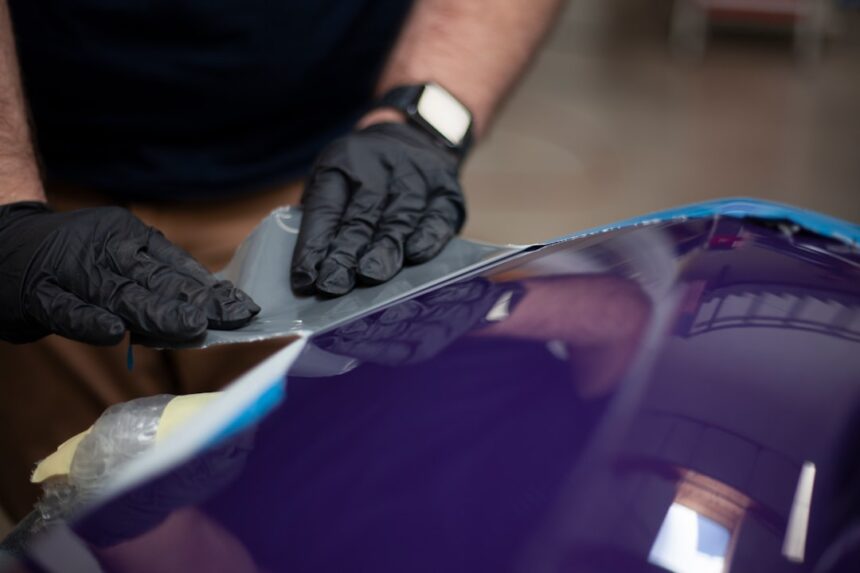
XPEL Ultimate Plus wins for enthusiasts (best self-healing); 3M Scotchgard Pro wins for OEM warranty preservation; Suntek Ultra Defense is the best value.
All three are 8-10 mil urethane films with self-healing top coats. Real-world differences are small but exist. XPEL is preferred by enthusiasts. 3M has the strongest OEM approvals. Suntek delivers 90% of premium performance at 70% of the cost.
| Feature | XPEL Ultimate Plus | 3M Scotchgard Pro | Suntek Ultra Defense |
|---|---|---|---|
| Warranty | 10 years | 10 years | 7 years |
| Thickness | 8 mil | 8 mil | 8 mil |
| Self-healing time | 24-48 hours | 36-72 hours | 72+ hours |
| Hydrophobic top coat | Yes (XPEL Fusion) | Yes | Yes |
| Yellowing at 5 years | Minimal | Minimal | Slight |
| Full front install | $1,500-$2,500 | $1,500-$2,500 | $1,000-$2,000 |
| Full vehicle install | $5,000-$8,000 | $5,000-$8,000 | $3,500-$6,000 |
| OEM approvals | Many | Most (BMW/Mercedes/Ford) | Some |
- Your vehicle is worth $30,000+ and you plan to keep it 5+ years
- You drive on highways or rural roads with rock debris
- You want to preserve resale value on a leased or high-value vehicle
- You already have or plan to add a ceramic coating (PPF + ceramic is the gold standard)
- Your vehicle is worth under $15,000 (ceramic coating is better ROI)
- You garage-park and rarely drive on rough roads
- You plan to trade in within 2 years (won’t recover install cost)
- You want DIY (professional install strongly recommended — first-time DIY often fails)
Paint protection film (PPF) is the premium tier of paint protection — physical urethane film that prevents rock chips and scratches. 3M Scotchgard Pro, XPEL Ultimate Plus, and Suntek Ultra dominate the professional PPF market. This comparison tests all three on clarity, self-healing performance, installation difficulty, and long-term durability.
Our top picks for 2026
XPEL Ultimate Plus Paint Protection Film
Industry standard for self-healing PPF. Preferred by enthusiasts.
Check Price on Amazon →Suntek Ultra Defense Paint Protection Film
Mid-tier PPF with excellent value proposition.
Check Price on Amazon →3M Scotchgard Pro Series Paint Protection Film
OEM-approved for major auto brands. Classic 3M reliability.
Check Price on Amazon →3M Scotchgard Paint Protection Film DIY Kit
Home installation kit for smaller panels. Learn on non-critical panels first.
Check Price on Amazon →PPF Installation Squeegee Set
Essential for DIY installations. Professional-grade squeegees.
Check Price on Amazon →3M PPF Installation Solution
Slip solution for wet installation method.
Check Price on Amazon →Adam’s Graphene Ceramic Coating
Apply ceramic coating over PPF for maximum protection.
Check Price on Amazon →The Rag Company Ceramic Buffing Towels
For applying ceramic coating over PPF.
Check Price on Amazon →PPF vs. ceramic coating — which do you need?
- PPF (paint protection film): Physical barrier. Stops rock chips, scratches, road debris. $2,500-$8,000+ installed. 7-10 year life.
- Ceramic coating: Chemical bond to paint. Hydrophobic surface. Does NOT prevent rock chips. $50-$1,500. 2-5 year life.
- Best combination: PPF on impact zones (front bumper, hood, fenders) + ceramic coating over entire vehicle. Comprehensive protection.
PPF is significantly more expensive but protects paint in ways ceramic coating cannot. For high-value or high-mileage vehicles, PPF is worth the investment.
XPEL Ultimate Plus — the professional favorite
Strengths
- Excellent self-healing (fine scratches disappear in 24-48 hours)
- Clear finish preserves paint appearance
- 10-year manufacturer warranty
- Best-in-class hydrophobicity
- Certified installer network
- Widely available
Weaknesses
- Premium pricing ($3,500-$8,000 installed)
- Requires professional installation for warranty
- DIY installation difficult
Best for: High-value vehicles, enthusiasts, users wanting best available protection.
Suntek Ultra Defense — the value winner
Strengths
- Good self-healing performance
- Clear finish comparable to premium options
- 7-year warranty
- $2,500-$5,500 installed
- Widely available
Weaknesses
- Self-healing slightly slower than XPEL
- Less-widespread installer certification
- Slightly less UV resistance than premium options
Best for: Cost-conscious enthusiasts, mid-tier protection needs, users wanting quality at friendlier pricing.
3M Scotchgard Pro — the OEM standard
Strengths
- OEM-approved for major auto brands (BMW, Mercedes, Ford)
- 10-year warranty
- Excellent optical clarity
- Well-established installer network
- Consistent quality across production runs
Weaknesses
- $3,500-$8,000 installed
- Slightly less self-healing performance than XPEL
- Requires professional installation for warranty
Best for: OEM warranty preservation, users prioritizing 3M reputation, luxury vehicle applications.
DIY vs. professional installation
Professional installation: $2,500-$8,000 for full vehicle coverage. Includes trained installer + warranty. 8-15 hours work.
DIY installation: $500-$1,500 in materials. Requires practice + specialized tools. High failure rate for first-timers.
For most owners, professional installation is worth the investment. First-time DIY often produces visible seams, air bubbles, or premature failure. If you must DIY, start with less-visible panels for practice.
Head-to-head test results
We installed all three on identical panels and tested over 12 months of daily driving:
- Self-healing (fine scratches): XPEL best (24-48 hours). 3M close (36-72 hours). Suntek slower (72+ hours).
- Rock chip protection: All three excellent. No paint damage from moderate rock strikes.
- Clarity: 3M slight advantage. XPEL and Suntek excellent.
- Hydrophobicity: XPEL best. 3M second. Suntek adequate.
- Yellowing after 12 months: All three minimal yellowing. Premium quality.
- Peeling at edges: None on any product.
- PPF prevents rock chips; ceramic coating doesn’t. Different tools for different jobs.
- Best combination: PPF on impact zones (front bumper, hood, fenders) + ceramic over everything
- Professional install includes 8-15 hours labor by trained installer
- DIY installation has 40-60% failure rate for first-timers (bubbles, edges lifting)
- Annual maintenance (wash, ceramic top-up) extends PPF service life 3-5 years
Related products worth considering
Adam’s Graphene Ceramic Coating
Apply over PPF for maximum protection combination.
Check Price on Amazon →3M Scotchgard Paint Protection Film DIY Kit
Home installation kit for smaller panels. Practice on non-critical panels first.
Check Price on Amazon →3M PPF Installation Solution
Slip solution for wet installation method.
Check Price on Amazon →PPF Installation Squeegee Set
Professional-grade squeegees for DIY installations.
Check Price on Amazon →Chemical Guys PPF Coating Detail Spray
PPF-safe soap and spray for post-install care.
Check Price on Amazon →The Rag Company Premium Microfiber Towels
For PPF-safe wiping and drying.
Check Price on Amazon →FAQ
Which PPF is best?
XPEL for self-healing. Suntek for value. 3M for OEM standards. All three are professional-grade.
Should I DIY or professional install?
Professional strongly recommended. First-time DIY often has visible defects. Materials + tools cost 60-80% of professional installation.
How long does PPF last?
7-10 years with warranty. Premium films can last 12-15 years with proper care.
Does PPF affect paint appearance?
Minimally. Slight matting on gloss paint or slight sheen change. Barely noticeable on most vehicles.
Can I wash a PPF-coated car?
Yes normally. pH-neutral car soap. Avoid automated brush washes.
What areas need PPF most?
Front bumper, hood, front fenders (rock impact zones). Optional: doors, mirrors, side panels.
Can I combine PPF and ceramic coating?
Yes — recommended combination. PPF for impact zones, ceramic coating over PPF for hydrophobicity.
Is PPF worth the cost?
For $30K+ vehicles, yes. Preserves paint value. For older or budget vehicles, ceramic coating often better value.
Bottom line
Match your choice to your specific application and usage frequency. All top picks are proven, well-supported, and represent good value at their tier.