
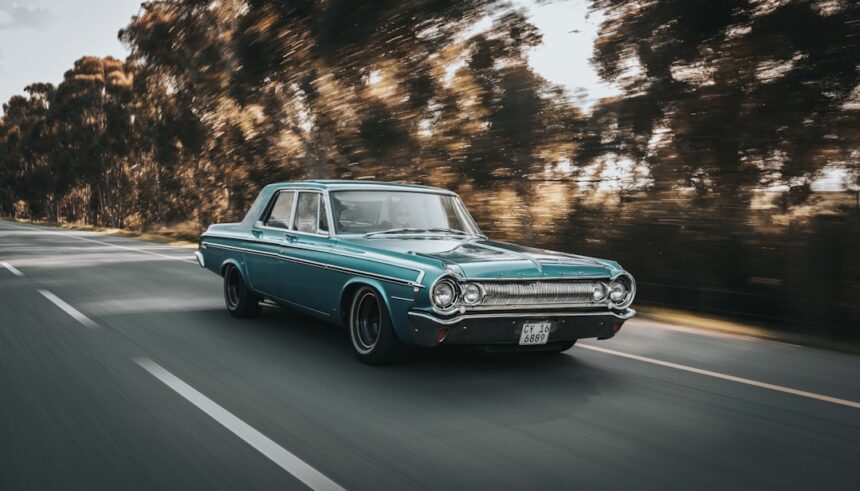
Car restoration can be an enjoyable hobby that takes years to complete, as well as being costly; therefore, it is wise to prepare thoroughly prior to embarking on this venture.
Full car restoration requires disassembling it all the way down to its core metal, cleaning and sandblasting the panels, then painting them individually. Some restorers seek to make their cars appear brand new again while others prefer more authentic looking vehicles.
Parts
Recommended: headlight restoration kits
Handpicked Amazon products relevant to this guide. Prices vary, links go to current Amazon listings.
Your classic car restoration journey starts here with the right parts and tools! A well-stocked toolbox or garage with all of the essentials will ensure a successful experience, no matter the scale of your current project. While wrenches and screwdrivers will surely come in handy, bins, containers, labels and markers can help organize parts during disassembly while good lighting makes all your efforts visible to others. A fire extinguisher should also be kept close at hand should any emergencies arise while having access to first aid kits is always essential when treating minor wounds or burns sustained while disassembling.
Restoring a vehicle often involves extensive research and the acquisition of parts to achieve the highest levels of authenticity and function. Depending on the type of car being restored, certain components may be hard or even impossible to find; expert restorer David Flamer notes this as one of the most challenging elements of restoration projects.
If you want to take your restoration one step further, invest in original equipment Manufacturer (OEM) parts. OEM components are manufactured by the same company that produced your vehicle’s original parts; thus they will fit and function identically. Although more expensive than aftermarket alternatives, investing in OEM components will ensure your restoration achieves a superior look and finish.
An interior of a classic car requires thorough cleaning, repair, or replacement to maintain its integrity and appearance. Seats and instrument panels must be brought back up to their functional and cosmetic standards from when it was originally built; upholstery cleaning, dash repair, console refurbishing as well as door panel re-dying may all be part of this restoration process.
Summit Racing provides an extensive selection of drivetrain components for classic car restoration, including transmissions, shifters, torque converters, differentials and rear end components.
Tools
Whatever the size or scope of your restoration project may be, certain tools are indispensable to its success. From body work and engine repair to paint and body restoration and mechanical adjustment, finding the appropriate car restoration tools takes research and planning but should make for easier restoration efforts overall.
As your first investment for restoration work, a high-quality socket set should be of top priority. Look for one with both standard and metric sizes, an adjustable wrench, torque wrench and precision tightening tools – these should all help cover all bases! Additionally, screwdrivers should form part of your tool collection, including flat-head, Phillips head varieties as well as square, hexagonal and Torx bits which might come in handy depending on what tasks need completing.
Essential items for any restoration garage include a vacuum cleaner and shop vac to keep the workspace tidy, as well as a heat gun to safely remove paint, bend plastic components, loosen adhesives without damage, and loosen adhesives without damaging them. In addition, a trickle charger ensures your project vehicle starts up reliably after long periods of inactivity.
Lifts or stands are essential tools when dealing with larger parts that must be removed and installed, such as engines and transmissions. A lifting hoist powered by either air compressor or hand operated lift will provide maximum convenience and safety.
Other essential tools needed for a successful restoration project include a hammer, tape measure, metal file, sandpaper and utility knife. Rubber gloves will help protect you from contaminants during cleanup while protecting them from contamination themselves. You will want to consider purchasing multiple dollies including toe dollies for body work tasks and car lifts for undercarriage maintenance and refinishing tasks.
Equipment
Classic car restoration requires skill, patience and commitment – but also brings immense satisfaction when completed! Restoring one is like giving back part of automotive history while making it part of your family legacy.
An essential step in any classic car restoration is conducting an in-depth assessment. This allows you to establish clear restoration goals and establish the scope of work needed. Furthermore, creating a budget will help prevent overspending throughout the restoration process and stay on track.
Once you’ve developed an effective plan and budget for your classic car restoration, the next step should be procuring all necessary equipment for it. From tools to safety gear and storage solutions, Summit Racing carries everything necessary – tools to safety gear to storage solutions! A well-stocked toolbox is essential when embarking on any auto restoration project; with hand tools, air tools/compressors/welding equipment/jacks/dollies being some of our offerings as well as dustless blasting equipment available such as nozzles/blast pots ready to handle projects of any scale/scope!
One of the key components of classic car restoration is rebuilding or replacing its engine, which involves dismantling and inspecting its fuel pumps, carburetors, cylinder heads, pistons valves and bearings before cleaning and reassembling them for proper functioning. Rebuilding or replacing an engine ensures your vehicle runs as intended from day one.
Though complete restoration is the preferred approach, many car enthusiasts opt for partial restorations instead. This allows them to continue enjoying driving their classic cars while upgrading key systems like electrical, cooling and power delivery systems.
An extensive restoration of a classic car usually includes more than just these essential steps; typically this process includes repainting both exterior and interior, polishing/waxing/waxing wheels/chrome, tuning mechanical systems, as well as keeping its historical integrity preserved throughout. Such projects are immensely satisfying – your classic car will remain beautiful for many years with proper care!
Safety
Car restoration can be an exciting endeavor, but it also requires hard work and patience. To prevent damaging either yourself or the classic vehicle in any way, please follow some essential safety measures when working on it.
Before embarking on any major tasks, ensure you have a clear picture of what the final results will look like. Drawing up a detailed restoration plan and budget will help keep your project on track; an effective plan should include estimated costs for parts, labor and tools as well as a contingency fund to cover unexpected expenses.
An extensive restoration of a classic vehicle involves taking it apart and rebuilding each component to return it as close to as-new condition as possible. This includes both visible components like the hood, doors and trunk as well as hidden ones such as brakes and wiring; as well as upgrading mechanical systems like cooling and fuel delivery as necessary to ensure its safety and performance.
At times, all that’s required to bring back life to a classic car is a partial restoration. These vehicles often languish neglected in garages. A partial restoration typically involves replacing or repairing worn-out components with modern replacements that provide greater safety and reliability; original equipment might no longer support its new power/torque output from engine.
Prior to beginning any repairs or restoration projects on a classic car frame, it is vital that an in-depth inspection be conducted in order to detect cracks or fractures, determine its condition for this project, and whether any repairs need to be performed first before continuing restoration efforts. If the frame is in poor condition it should be addressed prior to proceeding with restoration efforts.
Before embarking on any restoration efforts, it is vitally important to take photos of your car. This will serve as a record of its existing condition as well as serve as a useful reference when reassembly in future stages. Doing this will prevent you from missing or neglecting key components – saving both time and effort when working back on it later on.