
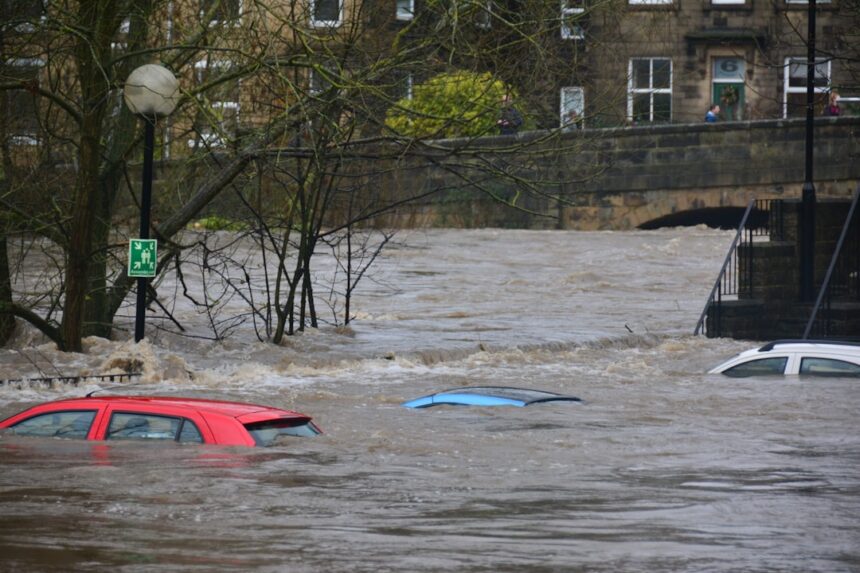
Flood damage is one of the trickiest automotive repairs to assess correctly. Some flood-damaged cars can be salvaged for a fraction of shop cost. Others should be totaled immediately because the electrical, mechanical, and interior damage compounds over 6-12 months and creates safety hazards. This complete guide covers when flood damage is fixable, when it’s not, and the insurance + resale implications of each.
Assess damage by flood level
Level 1: Water below the rocker panels
Water hit the underbody but never entered the passenger compartment. Almost always fixable — thorough drying + rust prevention + component inspection. Cost: $200-$800 for DIY assessment + prevention.
Level 2: Water to floor level (2-6 inches)
Carpet + padding saturated. Electrical modules under seats possibly compromised. Body control module (BCM) may be affected. Insurance may still repair. Cost: $1,500-$4,000 for professional remediation.
Level 3: Water above door threshold (6+ inches)
Seats, headliner, and most electronics affected. Insurance usually totals the vehicle at this level. Repair cost typically exceeds 60-70% of ACV.
Level 4: Water above the dashboard
Total loss. Airbag modules, engine control unit, transmission control module all likely compromised. Even if the car runs after drying, latent electrical failures will start appearing 6-18 months later.
Immediate actions after flood exposure
- Do NOT start the engine. Water in the intake can hydro-lock the engine, bending connecting rods. If water might be in the engine, remove the spark plugs and crank slowly to force water out first.
- Document everything. Photos of water line on doors, wet seats, waterlogged carpet, and any exterior debris.
- Extract water fast. Wet vac all footwells, trunk, and any accessible interior spaces. Every hour water sits, mold grows.
- Pull the seats and lift the carpet. Water hides under carpet padding. The padding must be replaced — it will mold if left.
- Call insurance immediately. Comprehensive coverage handles flood damage. Adjusters need to inspect before repair.
- Check the engine oil. If it’s milky/foamy, water got into the crankcase. Engine may be totaled.
What can be repaired
- Carpet + padding: Replace with new. Cost $150-$450 in materials.
- Headliner: Reshape or replace if water reached that high. $300-$650.
- Seats: Steam clean upholstery, replace foam if soaked. $200-$800 per seat.
- Electrical modules: Replace individual modules that failed. $250-$1,200 per module.
- Body panels: Standard body repair for exterior damage from debris.
- Wheel bearings: If submerged, grease and inspect. Repack or replace as needed.
What CAN’T be economically repaired
- Airbag control module (ACM): Once contaminated, replacement + coding is $800-$2,400.
- ECU/PCM engine controller: $600-$2,200 + coding.
- Transmission control module: $400-$1,800 + programming.
- Body control module: $600-$1,600.
- Every corroded wire and connector: Impossible to catch all of them. This is the biggest issue — subsequent failures appear 6-24 months later.
Total repair cost for Level 3-4 flood damage: $6,000-$15,000+. This is why insurance totals most severely flooded cars — repair economics don’t work.
Insurance and flood damage
- Flood damage requires comprehensive coverage. Collision coverage does NOT include flooding — flooding is considered an act of nature.
- Named-storm deductibles apply. In hurricane-prone regions, some policies have separate higher deductibles for named tropical storms.
- Total loss is common. Even minor flood damage often exceeds 70-80% of ACV due to remediation costs.
- Salvage title implications. If insurance totals the car and you buy it back, the vehicle gets a salvage or flood title that permanently reduces resale value.
Best products for flood damage DIY assessment
Below are the products worth having for post-flood assessment and remediation. Total DIY budget: $150-$300.
Rug Doctor Portable Wet Vac
Portable wet vac for extracting water from carpets, foot wells, and trunk. Essential first step after any flood damage.
Check Price on Amazon →DampRid Refillable Moisture Absorber
Calcium chloride absorbs residual moisture over 30-60 days. Prevents mold in carpet padding and headliner.
Check Price on Amazon →BlueDriver Bluetooth OBD2 Scanner
Reads all diagnostic codes to identify water-damaged electronics. Essential for post-flood evaluation.
Check Price on Amazon →Concrobium Mold Control Spray
EPA-registered mold and mildew inhibitor. Safe on car upholstery and headliner. Prevents mold formation in wet interior.
Check Price on Amazon →Chemical Guys Total Interior Cleaner
Multi-surface interior detailer safe on vinyl, leather, and cloth. Essential for post-flood interior refresh.
Check Price on Amazon →Ozium Air Sanitizer Spray
Professional-grade odor eliminator that neutralizes musty flood smells. Not a masking agent — actually neutralizes the compounds.
Check Price on Amazon →CARFAX Vehicle History Report
Before buying any used car, especially in hurricane-prone regions. Flood-damaged salvage titles show here.
Check Price on Amazon →STDPRO Roadside Emergency Kit
For flooding safety — cones, warning triangle, first aid. Essential before, during, and after flood events.
Check Price on Amazon →How to spot a flood-damaged used car
Flood-damaged cars often re-enter the used market with clean titles (from title-washing across state lines). Look for:
- Water lines on the seatbelt reel housing (removes and inspect)
- Mud, silt, or debris in door jambs, under carpet edges, and in trunk spare tire well
- Musty smell even after cleaning — mold is nearly impossible to fully eliminate
- Corrosion on aluminum grounding straps and connector pins (visible with flashlight)
- Rust on non-body areas — brake and fuel lines, engine bay grounding straps, seat mounting bolts
- Aftermarket electronics that don’t match factory quality — sign of previous electrical replacements
- Fresh carpet in a car with old exterior — often a repair signal
- Check the CARFAX report — specifically look for hurricane/flood dates in the vehicle’s history
FAQ
Does insurance cover flood damage?
Yes, if you have comprehensive coverage. Not covered by collision or basic liability. Some regions have separate named-storm deductibles.
Can flood damage be fixed?
Depends on water level. Below rocker panels: yes, cheaply. Floor level: yes but expensive. Above dashboard: usually total loss because electronics degrade over 6-24 months.
How much does flood damage repair cost?
Underbody-only: $200-$800. Floor-level: $1,500-$4,000. Above-dashboard: total loss (insurance pays ACV).
Should I buy a car with a flood title?
Only if you’re getting an extreme discount (60-70% below clean-title equivalent) and can accept ongoing electrical repairs. Expect $200-$800 in unexpected repairs annually.
How long after flooding is it safe to start the car?
Do NOT start it until inspected. Water in the intake can hydro-lock the engine on first crank. Have the engine oil checked (milky = water in crankcase) and spark plugs removed before starting.
Does flooding cause airbag deployment issues?
Yes. Corroded connectors and moisture in the airbag control module can cause failure to deploy in a subsequent crash — the biggest safety concern with flood-damaged cars.
Bottom line
Flood damage severity is measured by water level relative to the car. Below rocker panels: fixable and cheap. Above the dashboard: total loss. In between: complex remediation that often costs more than the car is worth. Insurance comprehensive coverage handles it, and getting an accurate damage assessment matters more than emotional attachment.
Get quotes from verified shops in your area via our free quote form, or browse verified shops with flood-remediation experience in the directory.