
Understanding the Impact of Weather Conditions on Your Car’s Exterior
Extreme weather conditions can take a toll on your car’s exterior, causing damage and reducing its overall appearance. Harsh sunlight, for example, can lead to paint fading and oxidization, leaving your car looking dull and lackluster. Additionally, extreme heat can cause the materials on your car to expand and contract, leading to cracks and warping. On the other hand, cold weather can also pose a threat to your car’s exterior. Freezing temperatures can cause paint to chip and crack, while icy conditions increase the risk of accidents and collisions.
It’s not just the temperature that can affect your car, but also precipitation. Rain, hail, and snow can all cause damage to your car’s paint job, leading to unsightly marks and even rust. For example, acidic rainwater can penetrate the paint’s protective layer and eat away at the metal underneath. Hail can also dent and chip the surface, while snow can accumulate and freeze, making it harder to remove and increasing the risk of scratches.
Understanding these various weather conditions and their impact on your car’s exterior is crucial in order to take proactive measures to protect it. By knowing how different weather conditions can affect your car, you can make informed decisions about the best ways to safeguard it from potential damage.
The Importance of Regular Cleaning and Washing for Car Protection
Regular cleaning and washing of your car’s exterior is not just about maintaining its appearance, but also plays a crucial role in protecting it from various elements. Over time, your vehicle is exposed to dirt, dust, bird droppings, tree sap, and other contaminants that can have a detrimental effect on its paintwork. Without proper cleaning, these substances can eat away at the clear coat, leading to paint fading, discoloration, and even permanent damage.
Furthermore, neglecting regular cleaning and washing can also result in the build-up of harmful substances such as road salts, brake dust, and tar. These substances not only compromise the appearance of your car, but they can also corrode the metal surfaces and accelerate rusting. By regularly cleaning your car, you not only remove these contaminants but also prevent them from causing long-term damage. In addition, when you wash your car, it’s important to use proper tools and techniques that minimize the risk of scratching or swirling the paintwork further. Using a high-quality car shampoo, microfiber wash mitts or towels, and a gentle hand can ensure that your car remains clean and protected.
Choosing the Right Car Wax or Sealant for Weatherproofing
If you’re looking to protect your car’s exterior from the elements, choosing the right car wax or sealant is crucial. The market offers a wide range of options, each claiming to provide superior weatherproofing capabilities. However, it is important to consider a few key factors before making your decision.
Firstly, consider the climate in which you live. Different regions experience different weather conditions, such as extreme temperatures, heavy rains, or intense sun. It is essential to choose a car wax or sealant that is specifically designed to withstand the specific weather challenges you face. Look for products that offer protection against UV rays, acid rain, and oxidation, as these are common culprits for damaging the paintwork. Furthermore, ensure that the product is capable of providing long-lasting protection, as you don’t want to have to reapply it frequently.
Secondly, pay attention to the ingredients used in the car wax or sealant. Look for products that contain high-quality polymers or silicones, as these offer excellent water resistance and durability. Avoid waxes or sealants that contain abrasive ingredients, as these can potentially damage the paintwork. Additionally, opt for products that are easy to apply and remove, as this will save you both time and effort.
Remember, choosing the right car wax or sealant for weatherproofing is a critical step in protecting your vehicle’s exterior. Take the time to thoroughly research and consider your options before making a purchase. By selecting the appropriate product for your specific climate and paying attention to the quality of ingredients, you can ensure that your car remains shielded from the harsh elements for years to come.
How to Properly Dry Your Car to Prevent Water Marks and Damage
After washing your car, properly drying it is just as important as cleaning. Leaving your car to air dry can lead to water spots and streaks which can damage the paintwork over time. To prevent this, it’s crucial to follow the proper drying techniques.
Firstly, start by using a clean and soft microfiber towel. Avoid using regular towels or chamois as they can cause scratches. Begin by gently patting the surfaces of your car to remove excess water. Avoid dragging the towel across the paint, as this can also lead to scratches.
Additionally, pay attention to hard-to-reach areas such as the door handles, side mirrors, and crevices. Water tends to accumulate in these areas and can cause water spots if not dried properly. Use an air blower or a corner of your towel to reach these areas and ensure thorough drying.
Remember to also dry the windows and windshield using a separate microfiber towel. Leaving them wet can result in impairing visibility when driving. In the case of stubborn water spots, you can use a detailing spray or quick detailer to remove them effortlessly.
By using the correct drying techniques, you can prevent water marks and damage, keeping your car’s exterior looking pristine for longer.
The Role of Paint Protection Film in Shielding Your Car from the Elements
Paint protection film plays a crucial role in safeguarding your car from the elements. Designed to provide an extra layer of protection to your vehicle’s exterior, this transparent film acts as a shield against various environmental factors that can potentially harm the paintwork. Whether it’s road debris, bird droppings, tree sap, or UV rays, the paint protection film acts as a barrier, preventing these elements from causing permanent damage to your car’s finish.
One of the key benefits of paint protection film is its durability. Made from a high-quality thermoplastic urethane material, this film is engineered to withstand the rigors of daily driving. It is resistant to scratches, chips, and stains, ensuring that your car remains in pristine condition for longer. Additionally, the film is also self-healing, meaning that it can repair minor scratches and swirl marks simply by being exposed to heat, such as sunlight or hot water. This feature helps to maintain the overall aesthetic quality of your vehicle’s paintwork, giving it a long-lasting, showroom-like appearance.
Essential Tips for Protecting Your Car’s Exterior in Hot and Sunny Climates
1) When it comes to protecting your car’s exterior in hot and sunny climates, there are a few key tips to keep in mind. First and foremost, it’s essential to regularly wash and clean your car. The intense heat and sunlight can accelerate the damage caused by dirt, dust, and other debris that accumulates on the surface. By cleaning your car frequently, you’ll not only maintain its appearance but also prevent the buildup of harmful substances that can lead to corrosion or fading.
2) In addition to cleaning, another important tip is to invest in a quality car wax or sealant specifically designed for weatherproofing. These products create a protective barrier on your car’s paint, shielding it from the harsh UV rays and extreme temperatures. Look for wax or sealants that have a high melting point to ensure durability in hot climates. Applying a coat of wax or sealant every few months will help maintain your car’s shine and prevent damage caused by exposure to the sun’s rays.
Strategies for Safeguarding Your Vehicle During Winter and Cold Weather
Winter and cold weather can be particularly harsh on your vehicle’s exterior. The frigid temperatures, snow, ice, and road salt can all wreak havoc on your car’s paint, causing it to chip, fade, and rust. To ensure your vehicle remains protected during the winter months, there are a few strategies you can implement.
First and foremost, it is crucial to wash your vehicle regularly throughout the winter season. While it may seem counterintuitive to wash your car when it’s freezing outside, it is essential to remove the salt and other chemicals that can corrode your vehicle’s finish. However, it is important to choose a car wash that offers heated bays or use a self-serve wash with heated water, as freezing temperatures can cause the water to freeze on your car’s surface, leading to potential damage. Additionally, be sure to dry your vehicle thoroughly to prevent any lingering moisture from freezing and causing water spots or damage.
Preventing Damage from Rain, Hail, and Storms: Best Practices
When it comes to protecting your car from rain, hail, and storms, there are a few best practices that can help prevent damage. Firstly, it is important to find proper shelter for your car. Whether it be a garage, carport, or covered parking, keeping your vehicle protected from the elements can significantly reduce the risk of damage. If shelter is not available, consider investing in a car cover specifically designed to resist water and hail. These covers can provide an extra layer of protection and minimize the impact of heavy rain and hail on your car’s exterior.
Another important practice is to regularly check and maintain your car’s drainage system. Make sure that the rubber weather stripping around your car’s windows and doors is in good condition and functioning properly. This will prevent rainwater from seeping inside your car and causing potential interior damage. Additionally, keeping your car’s windshield and windows clean can enhance visibility during rainy conditions and reduce the risk of accidents. Lastly, if you know that a storm is approaching, try to find a safe location to park your car. Avoid parking near trees or objects that could potentially cause damage if they fall during strong winds or hail. By following these best practices, you can minimize the chances of rain, hail, and storms causing damage to your car’s exterior.
The Dangers of UV Rays and How to Shield Your Car’s Paint from Fading
UV rays from the sun can cause significant damage to your car’s paint, leading to fading, discoloration, and even peeling. These harmful rays can penetrate the outer layer of paint and break down its chemical structure over time. In addition to the visible damage, UV rays can also weaken the protective clear coat, making your car more susceptible to scratches and other forms of physical damage. To shield your car’s paint from fading, it is essential to take proactive measures.
One of the most effective ways to protect your car’s paint from UV rays is by regularly applying a high-quality car wax or sealant. These products create a protective barrier between the paint and the sun’s harmful rays, preventing them from causing damage. Look for waxes or sealants that specifically offer UV protection to ensure maximum effectiveness. It is recommended to apply the wax or sealant at least once every three months or as directed by the product manufacturer.
Maintaining Your Car’s Exterior: Professional Detailing and Inspection.
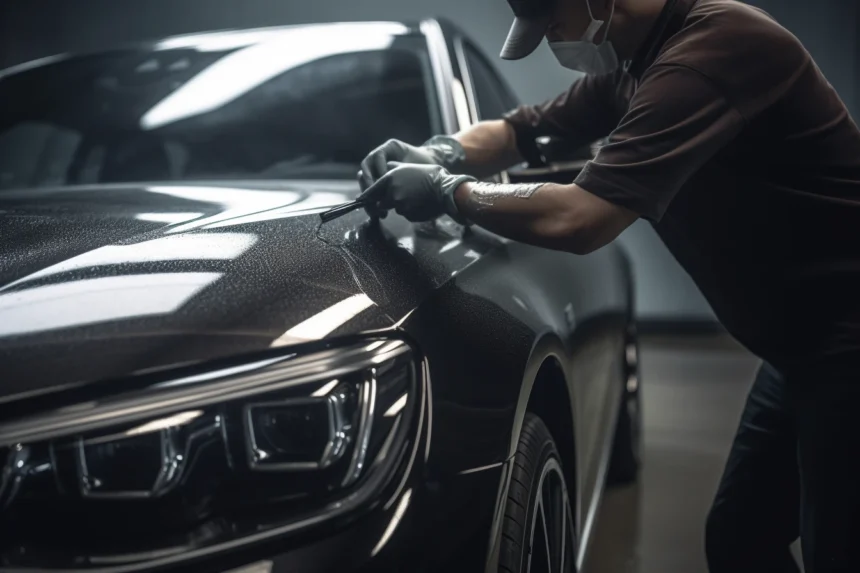
Professional detailing and regular inspections are crucial for maintaining the exterior of your car in pristine condition. A professional detailing service goes beyond a regular car wash, with trained technicians paying meticulous attention to detail. From thorough cleaning to polishing and waxing, a professional detailing service aims to restore the shine and protect the paintwork of your vehicle.
In addition to the aesthetic benefits, professional detailing also serves a practical purpose. The protective wax or sealant applied during the process acts as a barrier against the elements, safeguarding your car from harmful UV rays, dirt, and debris. Regular inspections allow professionals to identify any potential issues early on, such as scratches, chips, or paint imperfections. By addressing these problems promptly, you can prevent further damage and maintain the value of your car over the long term.
FAQs
How does weather conditions impact a car’s exterior?
Weather conditions such as sunlight, rain, snow, and hail can cause damage to a car’s exterior over time. Exposure to UV rays can fade the paint, while rain, snow, and hail can cause dents, scratches, and other forms of damage. It is important to take preventive measures to protect your car from these elements.
Why is regular cleaning and washing important for car protection?
Regular cleaning and washing of your car’s exterior is crucial for maintaining its appearance and protecting it from damage. Dirt, dust, and other contaminants can adhere to the surface, leading to paint damage and corrosion over time. Regular cleaning helps remove these contaminants, preserving your car’s exterior and preventing long-term damage.
How do I choose the right car wax or sealant for weatherproofing?
When selecting a car wax or sealant for weatherproofing, it is important to consider factors such as durability, protection level, and ease of application. Look for products that offer long-lasting protection against UV rays, water, and other environmental hazards. It is also recommended to choose a wax or sealant that suits the specific needs of your car’s paint type.
What is the best way to dry my car to prevent water marks and damage?
To prevent water marks and damage, it is crucial to dry your car thoroughly after washing. Using a microfiber towel or a clean, soft cloth, gently dry the exterior by blotting or wiping in a straight motion. Avoid rubbing vigorously, as it can cause micro-scratches. Pay special attention to areas where water tends to accumulate, such as crevices and seams.
How does paint protection film shield a car from the elements?
Paint protection film is a transparent, self-healing film that is applied to a car’s exterior to provide a protective layer. It acts as a barrier against UV rays, rocks, debris, and other environmental elements. The film also helps prevent minor scratches and swirl marks, maintaining the appearance of your car’s paint for longer.
What are some essential tips for protecting a car’s exterior in hot and sunny climates?
In hot and sunny climates, it is important to park your car in shaded areas or use car covers to minimize direct exposure to sunlight. Regularly applying a high-quality UV-resistant car wax or sealant can also help protect the paint from fading. Additionally, maintaining a consistent washing routine and avoiding abrasive cleaning methods will preserve your car’s exterior in such climates.
How can I safeguard my vehicle during winter and cold weather?
During winter and cold weather, it is essential to protect your car from salt, ice, and snow. Regularly washing your car to remove salt and other corrosive materials is crucial. Applying a winter-specific car wax or sealant can offer additional protection against the harsh elements. It is also recommended to keep your car garaged or covered when not in use to shield it from extreme cold and weather conditions.
What are the best practices for preventing damage from rain, hail, and storms?
To prevent damage from rain, hail, and storms, it is advisable to park your car in covered areas whenever possible. If covered parking is unavailable, using a car cover can provide temporary protection. Regularly inspecting and repairing any existing paint chips, scratches, or dents can also help prevent further damage during severe weather conditions.
How can I shield my car’s paint from fading due to UV rays?
To shield your car’s paint from fading due to UV rays, use a high-quality car wax or sealant that offers UV protection. This will help create a barrier between the paint and the sun’s harmful rays. Additionally, parking your car in shaded areas and using car covers can provide additional protection against UV damage.
How often should I seek professional detailing and inspection for my car’s exterior?
It is recommended to seek professional detailing and inspection for your car’s exterior at least once or twice a year. Professional detailing involves thorough cleaning, polishing, and protecting the exterior, ensuring that your car maintains its shine and is shielded from various environmental elements. Professional inspection allows experts to identify any potential issues early on and provide appropriate recommendations for maintenance and repairs.