
The Importance of Regular Car Washes for Maintaining Your Auto Body
Recommended: safe car-detailing products
Handpicked Amazon products relevant to this guide. Prices vary, links go to current Amazon listings.
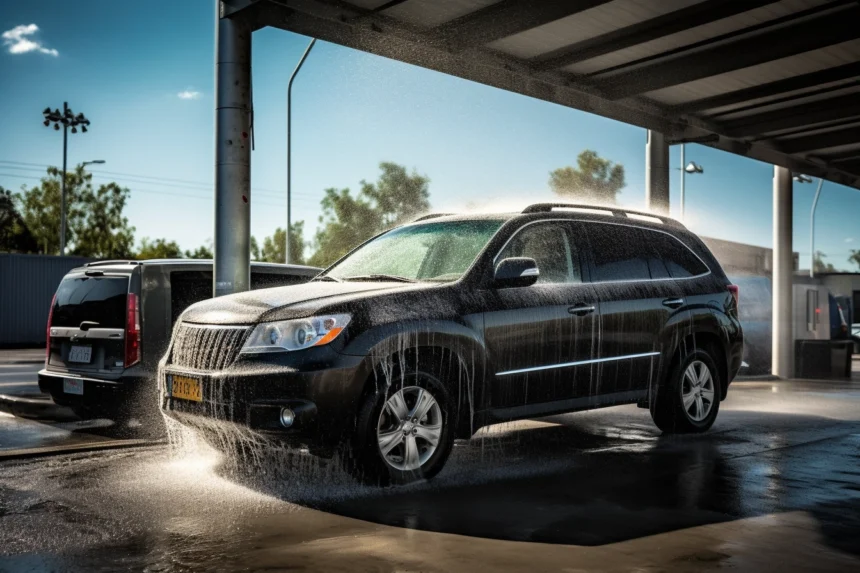
Regular car washes are essential for maintaining the overall condition of your vehicle’s auto body. The exterior of your car is constantly exposed to various elements such as dirt, dust, grime, bird droppings, and even the harmful rays of the sun. Over time, if these contaminants are left unattended, they can cause damage to the paintwork and even lead to corrosion. By regularly washing your car, you are not only keeping it looking clean and presentable, but you are also protecting it from potential long-term damage.
In addition to preserving the appearance of your vehicle, regular car washes also contribute to its resale value. A well-maintained auto body can significantly increase the overall value of your car when it comes time to sell or trade it in. A clean and well-kept exterior suggests that the vehicle has been taken care of, giving potential buyers the assurance that the engine and other mechanical components are likely in good condition as well.
Ultimately, scheduling regular car washes is a simple yet effective step towards extending the lifespan of your vehicle’s auto body and ensuring its long-term value.

Benefits of regular car washes:
- Maintains the overall condition of your vehicle’s auto body
- Protects against potential long-term damage from contaminants
- Preserves the appearance and increases the resale value of your car
- Gives potential buyers the assurance of a well-maintained vehicle
Why regular car washes are important:
- Protects the paintwork and prevents corrosion
- Keeps the vehicle looking clean and presentable
- Indicates that the vehicle has been taken care of, suggesting good mechanical condition
Understanding the Different Types of Car Washes Available
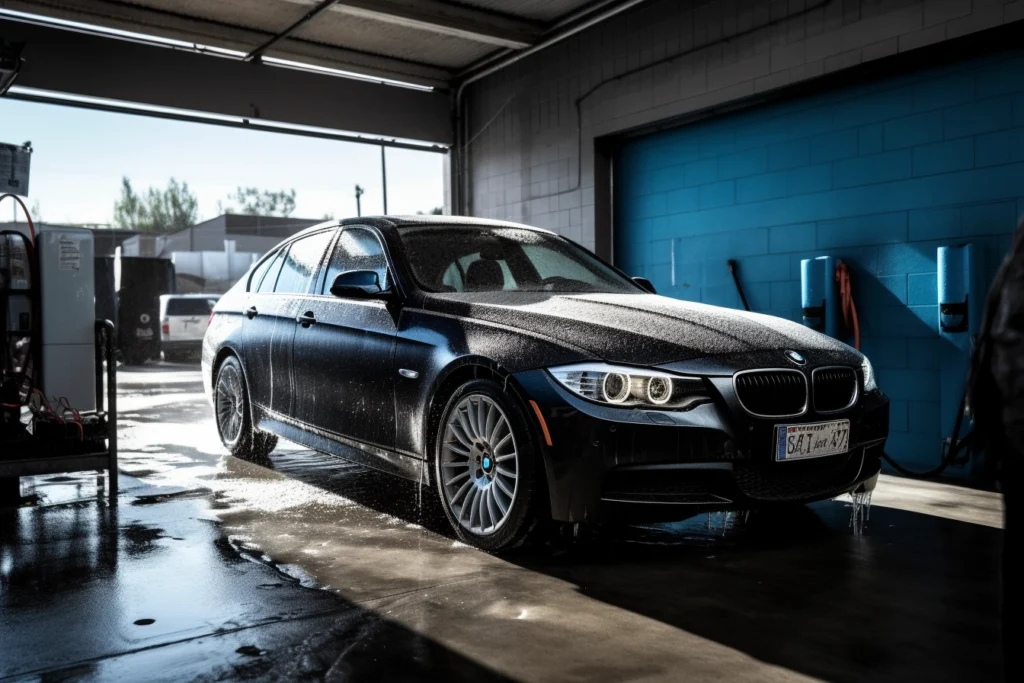
There are several different types of car washes available for drivers to choose from. The most common type is the traditional conveyor belt or tunnel car wash. In this type of car wash, vehicles are driven onto a conveyor belt and slowly moved through a series of stations where the car is shampooed, rinsed, and dried.
Conveyor belt car washes are popular due to their convenience and relatively low cost. However, they may not provide the thorough cleaning that some drivers desire.
Another type of car wash is the self-service car wash. These facilities typically have a row of bays equipped with high-pressure hoses, brushes, and vacuums. Drivers can pull into a bay, choose the desired cleaning option, and use the provided tools to wash their own vehicle.
Self-service car washes offer more control and flexibility, allowing drivers to focus on specific areas that require attention. However, they require more time and effort compared to other types of car washes.
Here is a breakdown of the different types of car washes:
Conveyor Belt or Tunnel Car Wash
- Convenience and relatively low cost
- May not provide thorough cleaning
Self-Service Car Wash
- Control and flexibility
- Requires more time and effort
Choosing the Right Car Wash for Your Vehicle’s Needs
When it comes to choosing the right car wash for your vehicle’s needs, there are several factors to consider.
Firstly, you need to think about the level of cleanliness you expect from the car wash. Some car washes offer basic services that provide a quick wash and rinse, while others may offer more extensive cleaning options, such as a hand wash or waxing. Determine the level of cleanliness you desire and find a car wash that can meet your expectations.
Secondly, consider the type of car wash that best suits your vehicle. There are various options available, including:
- Drive-through car washes: Convenient and time-saving, but may not provide the highest level of attention to detail.
- Self-service car wash facilities: Allow you to take control of the cleaning process, but require more effort on your part.
- Professional car detailing services: Offer a comprehensive cleaning and restoration for your vehicle, but can be more expensive.
Consider your budget and the level of convenience you desire when choosing the type of car wash that is right for you.

Preparing Your Vehicle for a Car Wash
Before taking your vehicle to a car wash, it is important to prepare it properly to ensure a thorough and effective cleaning. Here are some important steps to follow:
1. Remove Loose Items: Start by clearing out any loose items or personal belongings from the vehicle. This includes items such as loose change, sunglasses, and paperwork. By removing these items, you prevent them from getting damaged or lost during the car wash process. It also allows the car wash equipment to reach all areas of the interior, providing a more comprehensive clean.
2. Inspect for Exterior Damage: Before entering the car wash, take a moment to inspect your vehicle for any exterior damage or loose parts. Look for scratches, dents, or chips in the paint, as well as any loose or damaged parts like side mirrors or antennas. By making note of these issues beforehand, you can avoid potential damage caused by the car wash equipment.
3. Address Existing Damages: It’s always a good practice to address any existing damages before the car wash. This ensures that your vehicle is properly maintained and protected during the cleaning process.
Taking these steps will help you prepare your vehicle for a successful car wash experience. Enjoy a clean and well-maintained ride!
More Read

Best Practices for Navigating Drive-Through Car Washes
When it comes to navigating drive-through car washes, there are several best practices that can help ensure a successful and efficient experience.
Firstly, it is important to remove any loose items from your vehicle, such as antennae or removable mirrors, to prevent damage during the wash. Additionally, it is advisable to make sure that your windows are closed tightly and that any convertible tops are securely fastened.
Another best practice is to follow the instructions provided by the car wash attendants or displayed on signs throughout the facility. These instructions may include turning off your vehicle’s engine or placing it in neutral, as well as pulling up to the proper starting point and aligning your wheels with the designated tracks. It is crucial to adhere to these guidelines to ensure your safety and to prevent any mishaps during the wash process.
By taking these best practices into consideration, you can enjoy a hassle-free experience while efficiently cleaning your vehicle’s exterior.
Tips for navigating drive-through car washes:
- Remove any loose items from your vehicle to prevent damage.
- Ensure windows are tightly closed and convertible tops are securely fastened.
- Follow the instructions provided by car wash attendants or displayed on signs.
- Turn off your vehicle’s engine or place it in neutral.
- Pull up to the proper starting point and align your wheels with the designated tracks.
- Adhere to guidelines for safety and to prevent any mishaps during the wash process.

Tips for Using Self-Service Car Wash Facilities
When using self-service car wash facilities, there are a few tips to keep in mind to ensure a successful and efficient cleaning process.
Equipment Inspection Before starting, thoroughly inspect the equipment. Check the water pressure, ensure all the nozzles are functioning correctly, and make sure the soap and wax dispensers are filled. This will help avoid any interruptions or inconveniences during the car wash.
Follow the Instructions It is important to follow the instructions provided at the facility. Each car wash may have slightly different procedures, so be sure to read the signage and follow the guidelines accordingly. This includes knowing how long to spend on each step, which nozzles or brushes to use, and any additional features or settings that may enhance the cleaning process. By following the instructions, you can maximize the effectiveness of the self-service car wash and obtain the best results for your vehicle.
Summary:
- Thoroughly inspect the equipment before starting.
- Follow the instructions provided at the facility.
- Maximize the effectiveness of the self-service car wash for the best results.
Protecting Your Auto Body During a Car Wash
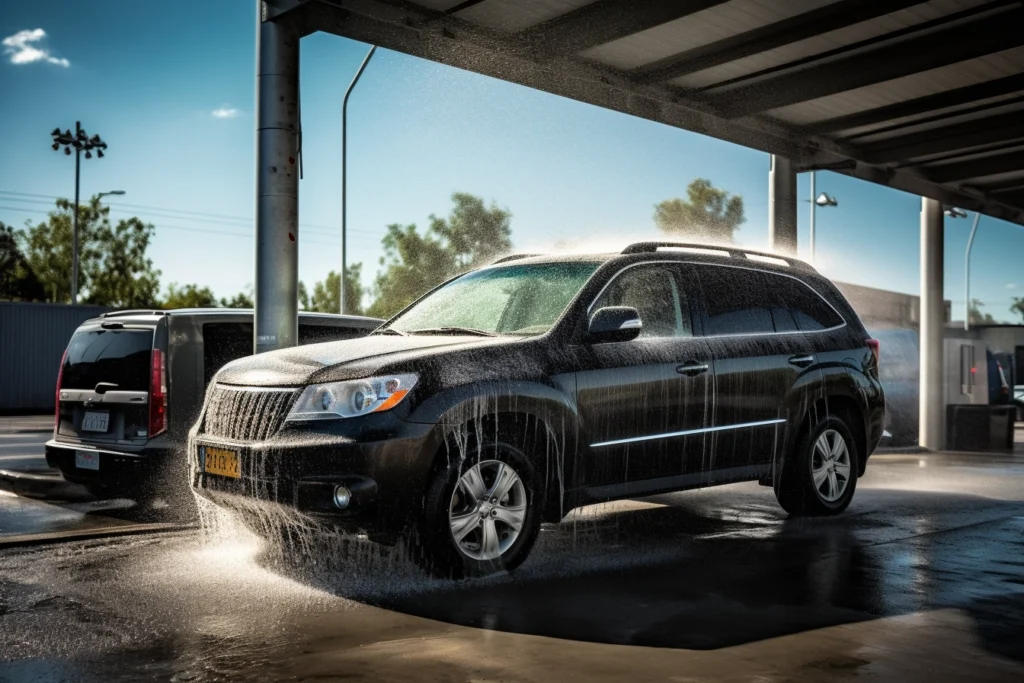
When it comes to protecting your auto body during a car wash, there are a few key steps you can take to ensure that your vehicle remains in top condition.
Firstly, be mindful of the type of car wash you choose. Automated drive-through car washes may seem convenient, but they can also pose a higher risk of causing damage to your car’s paint and body. Opting for hand-washing or self-service car wash facilities can offer more control over the cleaning process and minimize potential risks.
Additionally, it’s important to take certain precautions before entering any car wash. Start by removing any loose objects or accessories from the exterior of your vehicle, such as antennas or roof racks. These items can be easily damaged or even cause damage to the car wash equipment. It’s also recommended to fold in your side mirrors, as they are vulnerable to being hit during the wash.
Taking these simple steps can go a long way in protecting your auto body and ensuring a successful car wash experience.
Tips for Protecting Your Auto Body During a Car Wash:
- Choose hand-washing or self-service car wash facilities for more control and less risk of damage.
- Remove loose objects or accessories from the exterior of your vehicle.
- Fold in your side mirrors to prevent them from getting hit during the wash.
Remember, these precautions can help keep your vehicle’s paint and body in top condition!

Post-Car Wash Maintenance Techniques for Your Vehicle
After your vehicle has been thoroughly washed, it is important to perform post-car wash maintenance to ensure its longevity and overall appearance.
One essential step is to dry your car thoroughly to prevent water spots and streaks. Using a soft, lint-free cloth or a microfiber towel, gently wipe down the exterior surface, paying careful attention to the windows, mirrors, and chrome accents. This will not only remove excess water but also help prevent any dirt or dust from settling back onto the freshly washed surface.
In addition to drying, it is also recommended to apply a protective coating to maintain the shine and protect your auto body. This can be done using a quality wax or sealant specifically designed for automotive use. Applying a thin, even layer of wax or sealant will create a barrier against environmental contaminants and UV rays, preventing paint damage and fading. Make sure to follow the instructions on the product and allow sufficient drying time before wiping off any residue.
Regularly performing these post-car wash maintenance techniques will not only keep your vehicle looking immaculate but also preserve its value for years to come.
Key maintenance steps after car wash:
- Dry your car thoroughly using a soft, lint-free cloth or microfiber towel.
- Pay attention to windows, mirrors, and chrome accents.
- Apply a protective coating using a quality wax or sealant.
- Follow the instructions on the product and allow sufficient drying time.
- Regularly perform these maintenance techniques to preserve your vehicle’s value and appearance.

Common Mistakes to Avoid When Washing Your Car
When it comes to washing your car, there are several common mistakes that many people make. One of the most frequent errors is using the wrong type of soap or detergent. It is crucial to use a soap specifically formulated for automotive use, as regular household cleaners can be too harsh and damage the paint and finish of your car.
Additionally, using excessive pressure or rough materials, such as abrasive sponges or brushes, can also cause scratches and swirl marks on the surface of your vehicle. It is important to use gentle, non-abrasive cleaning tools to protect the paint and keep your car looking its best.
Another mistake to avoid is washing your car under direct sunlight. While it may be tempting to wash your car on a sunny day, the heat can cause the soapy water to dry quickly, leaving behind unsightly streaks and water spots. It is best to wash your car in a shady area or during the cooler parts of the day when the sun is not directly overhead.
Additionally, neglecting to rinse your vehicle thoroughly after washing can leave behind soap residue, which can also lead to water spots and a dull finish. Always make sure to rinse your car thoroughly to remove all traces of soap and dirt.
To summarize:
- Use a soap specifically formulated for automotive use.
- Use gentle, non-abrasive cleaning tools.
- Wash your car in a shady area or during cooler parts of the day.
- Rinse your car thoroughly to remove all traces of soap and dirt.

The Benefits of Professional Car Detailing for Your Auto Body
Professional car detailing offers numerous benefits for your vehicle’s auto body. Firstly, it enhances the overall appearance of your car, making it look brand new and well-maintained. The meticulous cleaning, polishing, and waxing carried out by professional detailers help to remove dirt, grime, and scratches, leaving behind a glossy and shiny finish. This not only boosts the visual appeal of your car but also increases its resale value.
In addition to improving the aesthetic appeal, professional car detailing also protects your auto body. The cleaning products and techniques used by detailers are specifically designed to eliminate contaminants that can cause damage to your car’s paint and clear coat. They also apply high-quality wax and sealant to create a protective layer against UV rays, harsh weather conditions, and other environmental factors. This protective coating helps to prevent fading, oxidation, and rusting, thereby prolonging the lifespan of your vehicle’s auto body.
Benefits of Professional Car Detailing:
- Enhances the overall appearance and maintains a brand new look
- Removes dirt, grime, and scratches, leaving a glossy and shiny finish
- Increases the resale value of your car
- Protects the auto body from contaminants and damage
- Creates a protective layer against UV rays, harsh weather conditions, and environmental factors
- Prevents fading, oxidation, and rusting, prolonging the lifespan of your vehicle
Overall, professional car detailing not only improves the look of your car but also provides long-lasting protection for your auto body, ensuring it stays in top condition for years to come.
FAQs
What is car detailing?
Car detailing refers to the thorough cleaning, restoration, and maintenance of a vehicle’s exterior and interior surfaces. It involves deep cleaning, polishing, and protecting the various components of the car.
How often should I get my car professionally detailed?
The frequency of professional car detailing depends on various factors such as your driving habits, environmental conditions, and personal preferences. Generally, it is recommended to get your car professionally detailed at least once or twice a year to maintain its appearance and value.
What are the benefits of professional car detailing?
Professional car detailing offers several benefits, including:
– Enhanced appearance: Detailing restores the shine and luster of your car, making it look like new.
– Protection: The use of specialized products and techniques during detailing helps protect your car’s paint, interior surfaces, and overall condition.
– Value retention: Regular detailing helps maintain the value of your car by preserving its condition and appearance.
– Deep cleaning: Detailing ensures a thorough cleaning of hard-to-reach areas, eliminating dirt, grime, and contaminants that regular washing may not remove.
– Health and hygiene: Interior detailing involves cleaning and sanitizing the surfaces, eliminating allergens, bacteria, and odors.
– Preserving the finish: Detailing removes swirl marks, scratches, and other imperfections, preserving the paint’s finish and preventing further damage.
Can I detail my car myself instead of opting for professional services?
While it is possible to detail your car yourself, professional car detailing provides a higher level of expertise, specialized equipment, and premium products. Professionals are trained to identify and address specific issues your car may have, ensuring a more thorough and effective result.
How long does a professional car detailing session typically take?
The duration of a professional car detailing session depends on various factors, including the size and condition of your vehicle, the level of detailing requested, and the expertise of the detailer. Generally, a comprehensive detailing session can take anywhere from a few hours to a full day.
Can professional car detailing remove deep scratches or dents?
Professional car detailing primarily focuses on cleaning, restoring, and maintaining the appearance of your vehicle. While it may help improve the overall look of minor scratches and surface imperfections, it is not designed to repair deep scratches or dents. For significant damage, you may need to consult a specialized auto body repair service.
Does professional car detailing include engine cleaning?
Engine cleaning is not typically included in a standard professional car detailing package. However, some detailers offer engine cleaning as an additional service. It is recommended to inquire with the detailer beforehand if you require an engine cleaning.
Can professional car detailing remove stubborn stains from the upholstery?
Professional car detailing can effectively remove most common stains from upholstery. However, the success of stain removal depends on various factors, including the type of stain, the age of the stain, and the type of upholstery material. It is advisable to inform the detailer about any specific stains or concerns you have so they can assess the best approach.
Is professional car detailing expensive?
The cost of professional car detailing can vary depending on factors such as the size of your vehicle, the level of detailing requested, and the location of the service provider. While professional detailing may be more expensive than DIY options, the benefits and quality of results justify the investment for many car owners.
How can I find a reputable professional car detailer?
To find a reputable professional car detailer, you can ask for recommendations from friends, family, or car enthusiasts. Additionally, you can research online, read customer reviews, and check for certifications or affiliations with reputable detailing associations. It is important to choose a detailer who has experience, a good reputation, and uses high-quality products and techniques.