

Understanding the Importance of Regular Maintenance for Vintage Cars
Recommended: restoration essentials
Handpicked Amazon products relevant to this guide. Prices vary, links go to current Amazon listings.
Regular maintenance is crucial when it comes to vintage cars, as these cherished vehicles require special care to keep them running smoothly and preserve their value. Neglecting maintenance tasks can lead to a variety of issues, ranging from deteriorating engine performance to costly repairs. By prioritizing regular maintenance, owners can extend the lifespan of their classic cars and enjoy them for years to come.

One of the key reasons regular maintenance is important for vintage cars is to identify and address potential areas of concern. With older vehicles, wear and tear are inevitable, and certain components may be more prone to deterioration. By regularly inspecting and servicing these key areas, owners can catch and resolve issues early on, preventing them from escalating into major problems.
This includes:
- Checking the engine
- Inspecting the cooling system
- Servicing the electrical system
- Maintaining the transmission
- Monitoring the condition of tires and wheels
- Preserving the body and paint
- Ensuring the interior is in good condition
A proactive approach to maintenance not only helps avoid breakdowns but also ensures the safety and longevity of the vehicle.

Identifying Key Areas of Concern in Older Vehicles
When it comes to owning and maintaining older vehicles, it is crucial to be aware of the specific areas that may require extra attention. These key areas of concern can vary depending on the make and model of the vehicle, as well as its age and overall condition.
One of the most critical areas to inspect regularly is the engine. Older engines are more susceptible to wear and tear, so it is essential to check for any signs of leaks, unusual noises, or diminished performance. It is also advisable to examine the exhaust system and ensure that it is functioning properly to avoid any potential health hazards or environmental concerns.
Another area of concern in older vehicles is the suspension and steering components. Over time, these parts can become worn out, leading to decreased stability and control. Regular inspection of the suspension system, including the shocks, struts, and springs, is necessary to identify any signs of damage or deterioration. Similarly, checking the steering components, such as the power steering pump, hoses, and steering box, is vital to maintain the vehicle’s maneuverability and safety.
In conclusion, it is essential for owners of older vehicles to be attentive to specific areas of concern to ensure the longevity and optimal performance of their prized possessions. Regular inspection and maintenance of the engine, exhaust system, suspension, and steering components are crucial to identify any issues early on and address them promptly. By doing so, owners can enjoy their vintage vehicles for years to come, while also ensuring their safety on the road.

Essential Steps in Maintaining the Engine Performance of Classic Cars
To ensure optimal engine performance for your classic car, there are several essential steps that you need to take.
Regular oil changes are crucial in keeping your engine running smoothly. Old, dirty oil can lead to increased friction and wear on the engine components, which can cause performance issues in the long run. It is recommended to change the oil every 3,000 to 5,000 miles, or as recommended by the manufacturer.
In addition to regular oil changes, you should also regularly check and replace the spark plugs. Spark plugs play a vital role in the combustion process by igniting the air and fuel mixture in the engine. Over time, spark plugs can become worn out or fouled, resulting in poor engine performance. By replacing the spark plugs at regular intervals, usually every 30,000 to 50,000 miles, you can maintain optimal engine performance and fuel efficiency.
To summarize:
- Regular oil changes: Change the oil every 3,000 to 5,000 miles or as recommended by the manufacturer.
- Check and replace the spark plugs: Replace the spark plugs every 30,000 to 50,000 miles.
By following these maintenance steps, you can keep your classic car’s engine in top condition for years to come.
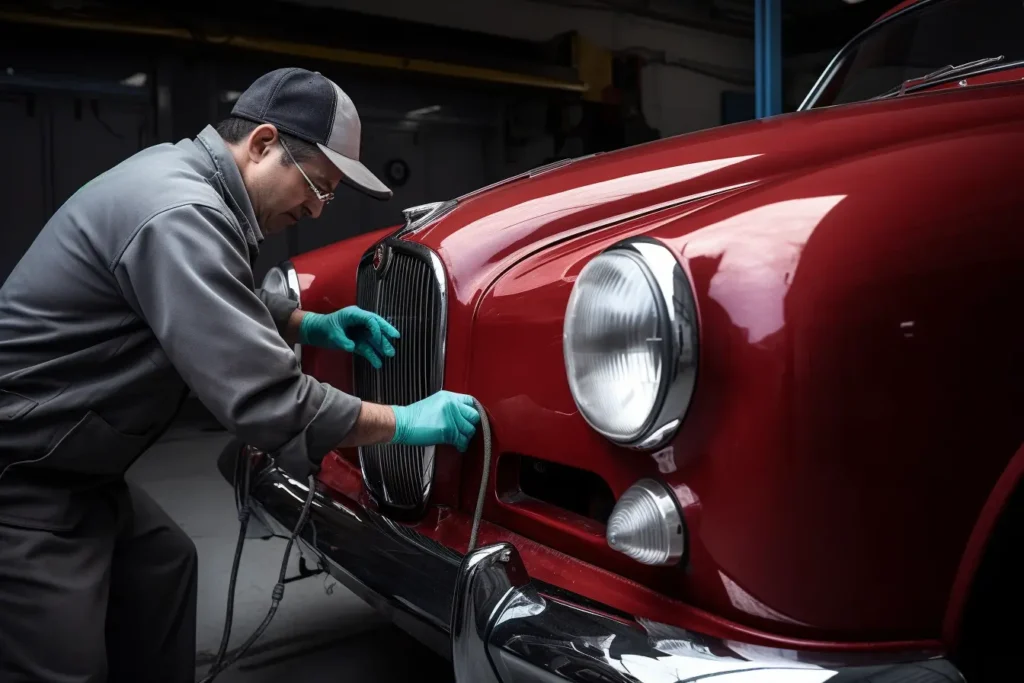
Ensuring Optimal Cooling System Functionality for Longevity
To ensure the optimal functionality and longevity of your vintage car, it is crucial to pay close attention to the cooling system. The cooling system plays a key role in maintaining the engine temperature within the appropriate range, preventing overheating and potential damage.
Regular maintenance and inspection of the cooling system can help identify any underlying issues and prevent costly repairs in the long run.
Coolant Levels
- One of the essential steps in maintaining the cooling system is to regularly check the coolant levels.
- Low coolant levels can lead to inefficient cooling and increased risk of overheating.
- It is important to check the coolant levels when the engine is cool and add coolant if necessary.
- Use the right type of coolant recommended by the manufacturer to ensure optimal performance.
- Remember to never mix different types of coolant, as this can result in chemical reactions that may damage the cooling system.
Radiator and Associated Components
- Check the condition of the radiator, radiator hoses, and radiator cap.
- Address any signs of leaks, cracks, or deterioration promptly.
- Inspect the radiator fins for any debris or clogs and clean them if necessary to improve cooling efficiency.
- Regularly inspect the radiator belts and replace them if worn out or damaged.
By prioritizing regular maintenance and inspection of the cooling system, you can extend the lifespan of your vintage car and prevent potential issues related to overheating.
Remember to consult your car’s manual for specific guidelines and recommended maintenance intervals, as each vintage car may have unique requirements for optimal cooling system functionality.

The Role of Regular Fluid Checks and Replacements in Vehicle Maintenance
Fluid checks and replacements are an integral part of regular vehicle maintenance. Failure to monitor and change fluids can lead to serious and costly issues down the road. One of the essential fluids to check and replace is engine oil. Engine oil lubricates the internal components, reducing friction and preventing excessive wear and tear. Regular oil changes ensure that the engine remains clean and performs optimally, leading to improved fuel efficiency and extended engine life.
In addition to engine oil, other fluids that require regular checks and replacements include:
- Transmission fluid: Helps facilitate smooth gear shifts and prevents excessive heat buildup, reducing the risk of transmission failure.
- Coolant: Responsible for regulating engine temperature, preventing overheating and potential damage to the engine.
- Brake fluid: Essential for proper brake operation, ensuring reliable stopping power.
- Power steering fluid: Necessary for effortless steering, enhancing maneuverability and control.
By maintaining regular checks and replacements of these vital fluids, vehicle owners can safeguard their investment and enjoy a trouble-free driving experience.

Maintaining the Electrical System to Avoid Potential Issues
Proper maintenance of the electrical system is crucial in ensuring the smooth functioning of your vintage car. Neglecting this aspect can lead to a host of potential issues that can be both frustrating and expensive to rectify. To avoid such problems, it is important to implement a few key maintenance practices.
Regular inspection of the wiring and connections is a fundamental step in maintaining the electrical system of your classic car. Over time, wires can become frayed or damaged due to exposure to heat, moisture, or excessive vibrations. Faulty connections can also contribute to various electrical problems. By visually examining the wires and connectors, you can identify any signs of wear or damage and take prompt action.
Additionally, make it a point to clean the connections to ensure good conductivity, as corrosion and dirt can disrupt the flow of electricity.
Here are some important maintenance practices to follow:
- Inspect the wiring and connections regularly for signs of wear or damage.
- Clean the connections to ensure good conductivity.
- Replace damaged wires promptly to prevent further issues.
- Check the battery regularly and clean any corrosion on the terminals.
- Test the electrical components periodically to ensure their proper functioning.
By implementing these maintenance practices, you can keep the electrical system of your vintage car in excellent condition and enjoy a smooth and trouble-free driving experience.

Extending the Lifespan of Your Classic Car’s Transmission
Proper maintenance and care are essential for extending the lifespan of your classic car’s transmission. Without regular attention, this vital component can suffer from wear and tear, leading to costly repairs or even the need for a complete replacement.
Here are a few key steps you can take to ensure the longevity of your transmission:
1. Regularly Check Transmission Fluid First and foremost, it is crucial to check the transmission fluid regularly. The fluid plays a vital role in lubricating and cooling the transmission, and it needs to be in good condition for optimal performance. Ensure that the fluid is at the correct level and check its color and smell. If you notice a burnt odor or the fluid appears dark and dirty, it’s time for a change. Regular fluid changes are necessary to remove any contaminants and maintain smooth operation.
2. Inspect the Transmission Pan and Filter Don’t forget to inspect the transmission pan and filter for any signs of debris or damage, as these should be replaced periodically to prevent blockages and ensure proper fluid flow throughout the system.
Taking these steps will help ensure that your transmission remains in good condition, providing you with a smoother and more reliable driving experience. Remember, regular maintenance is key to preserving the longevity of your classic car’s transmission.
The Significance of Routine Tire and Wheel Maintenance for Safety
Routine tire and wheel maintenance is a critical aspect of ensuring the safety of your vintage vehicle. The condition of your tires directly impacts your ability to maintain control of the vehicle and respond effectively to any sudden changes in road conditions.
Regularly inspecting the tire tread, checking for proper inflation, and maintaining adequate tire pressure are essential steps in preventing accidents and promoting a smooth, safe driving experience.
One of the primary reasons why routine tire and wheel maintenance is so significant is the prevention of tire blowouts. A blowout can occur when a tire becomes excessively worn, leading to the rapid release of air pressure. This sudden loss of air can cause the tire to lose its shape and become unstable, resulting in a loss of control over the vehicle.
By regularly inspecting your tires and replacing them when necessary, you can minimize the risk of blowouts and protect both yourself and others on the road from potential accidents.
Ensuring that your wheels are properly aligned is crucial for safety. Misaligned wheels can lead to uneven tire wear, reduced fuel efficiency, and compromised handling. A professional wheel alignment can address these issues, maximizing the lifespan of your tires and maintaining optimal performance.
Maintaining proper wheel balance is also essential to prevent vibrations and steering issues, which can negatively impact your overall driving experience and affect your ability to control the vehicle effectively.
In conclusion, routine tire and wheel maintenance plays a vital role in ensuring the safety of your vintage vehicle. By regularly inspecting the tire tread, checking inflation levels, and ensuring proper wheel alignment, you can minimize the risk of accidents caused by blowouts or compromised handling. Taking these essential steps not only protects you and your passengers but also contributes to the longevity and optimal performance of your classic car.
Key benefits of routine tire and wheel maintenance:
- Ensures safety by preventing accidents caused by blowouts or compromised handling.
- Maximizes the lifespan of your tires.
- Improves fuel efficiency.
- Enhances vehicle performance and handling.
- Prevents vibrations and steering issues.
Steps for effective tire and wheel maintenance:
- Regularly inspect the tire tread for wear and tear. Replace tires when the tread depth reaches the minimum recommended level.
- Check inflation levels regularly using a tire pressure gauge. Follow the manufacturer’s recommended pressure.
- Schedule regular professional wheel alignments to ensure proper wheel positioning and alignment.
- Balance your wheels regularly to prevent vibrations and steering issues.
By following these maintenance practices, you can keep your vintage vehicle in optimal condition and enjoy a safe and smooth driving experience.

Protecting the Body and Paint of Your Vintage Vehicle
Vintage cars are cherished for their timeless beauty and unique design. To maintain the overall aesthetic appeal of your vintage vehicle, it is crucial to protect its body and paint.
The body of a vintage car often showcases intricate curves and lines, which require gentle care to avoid any damage. Regular cleaning is an essential part of preserving the body and paint. It is recommended to use high-quality, pH-balanced car wash soap and a soft microfiber cloth to gently remove dirt and grime. Avoid using abrasive brushes or sponges that can scratch the surface. Additionally, applying a protective wax coating periodically helps to safeguard the paint from fading and oxidation caused by sunlight and environmental pollutants.
Another key aspect of maintaining the body of your vintage car is to protect it from the potential hazards of parking and storage. Whenever possible, park your vintage vehicle in a sheltered area like a garage or carport to shield it from direct sunlight, rain, and snow. If a covered parking spot is not available, consider using a car cover specifically designed for vintage cars. These covers are often made from breathable materials that offer protection against UV rays, dust, and other debris. Before applying a car cover, make sure the vehicle’s body is clean and completely dry to prevent moisture from being trapped, which can lead to paint damage over time.
By following these simple yet effective protection measures, you can ensure the longevity and beauty of your vintage car’s body and paint. Taking the time to care for and maintain these exterior elements will not only keep your vehicle looking stunning but also protect its value for years to come.
Summary:
- Use high-quality, pH-balanced car wash soap and a soft microfiber cloth for cleaning.
- Avoid using abrasive brushes or sponges.
- Apply a protective wax coating periodically.
- Park your vintage vehicle in a sheltered area like a garage or carport.
- Consider using a car cover designed for vintage cars.
- Ensure the vehicle’s body is clean and dry before applying a car cover.

Preserving the Interior of Your Classic Car for Long-Term Enjoyment
Preserving the interior of your classic car is crucial for maintaining its value and ensuring long-term enjoyment. The interior of a vintage vehicle is often one of its most distinguishing features, with unique upholstery, trim, and dashboards that reflect the era in which it was produced. To keep this original charm intact, it is essential to follow a few key preservation strategies.
Regular Cleaning
First and foremost, regular cleaning is paramount. Dust, dirt, and debris can accumulate over time, causing damage to delicate fabrics and surfaces. Use a soft-bristle brush or vacuum to carefully remove any loose particles from the seats, carpets, and interior panels. Avoid using harsh chemicals or abrasive cleaners that could strip away the original finish. Instead, opt for mild soap or specialized interior cleaners designed for vintage cars.
Leather Upholstery
Clean and condition the leather upholstery using products specifically formulated for this purpose, ensuring the leather remains supple and free from cracks or discoloration.
Maintenance Routine
By implementing a regular cleaning routine, you will be able to maintain the pristine condition of your classic car’s interior for years to come.
FAQs
Why is regular maintenance important for vintage cars?
Regular maintenance is important for vintage cars because it helps prevent breakdowns, ensures optimal performance, and extends the lifespan of the vehicle.
What are the key areas of concern in older vehicles?
Key areas of concern in older vehicles include the engine, cooling system, fluids, electrical system, transmission, tires and wheels, body, and paint.
What steps should be taken to maintain the engine performance of classic cars?
To maintain the engine performance of classic cars, it is important to regularly change the oil, replace the air filter, check and replace spark plugs, and inspect the ignition system.
How can the longevity of the cooling system be ensured?
To ensure the longevity of the cooling system, regular checks and maintenance of coolant levels, hoses, belts, and the radiator are necessary. Flushing the system periodically can also help prevent corrosion.
Why are regular fluid checks and replacements important in vehicle maintenance?
Regular fluid checks and replacements are important in vehicle maintenance as they help prevent damage and ensure proper functioning of various components such as the engine, transmission, and brakes.
How can potential issues with the electrical system be avoided?
To avoid potential issues with the electrical system, regular inspection of wiring, connectors, and fuses is necessary. It is also important to address any signs of electrical problems promptly.
How can the lifespan of a classic car’s transmission be extended?
The lifespan of a classic car’s transmission can be extended by regularly checking and changing the transmission fluid, avoiding excessive towing or overloading, and ensuring proper adjustment of the clutch, if applicable.
Why is routine tire and wheel maintenance important for safety?
Routine tire and wheel maintenance is important for safety as it ensures proper tire inflation, tread condition, wheel alignment, and balance. This reduces the risk of accidents and provides better handling.
How can the body and paint of a vintage vehicle be protected?
The body and paint of a vintage vehicle can be protected by regularly washing and waxing the car, keeping it covered when not in use, avoiding exposure to harsh elements, and addressing any signs of rust or damage promptly.
How can the interior of a classic car be preserved for long-term enjoyment?
To preserve the interior of a classic car, it is important to regularly clean and condition the upholstery, avoid prolonged exposure to sunlight, use seat covers and floor mats, and address any tears or damage promptly.