
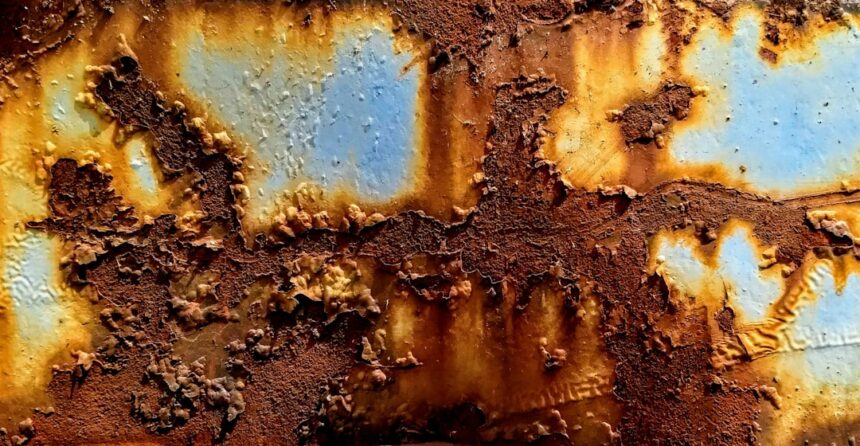
DIY small rust patch repair costs $30-$60 in materials vs $500-$1,850 shop repair — 90-95% savings for 2-4 hours of work per spot.
Small rust patches (under 3 inches) are DIY-friendly with proper materials. This guide covers non-structural rust repair — the type of rust that if not addressed becomes major body work within 12-24 months.
- You’ve done basic body work before
- The rust is under 3 inches diameter
- The rust is non-structural (not affecting jack points, frame)
- You have basic tools + workspace
- You want to prevent rust from spreading (repair now prevents 4-6× larger repair later)
- The rust is structural (frame, jack points, seat mounts)
- The rust is larger than 3 inches
- You’ve never done body work before (rocker panel is intermediate skill)
- You need vehicle back in <2 days
- You have unibody structural rust concerns
What size rust is DIY-repairable
DIY-friendly rust
- Surface rust (bubbling paint only)
- Through-rust 1/2 to 3 inches
- Wheel arch rust (non-structural)
- Rocker panel edge rust (cosmetic areas)
- Trunk floor edge rust
Professional-only rust
- Structural frame rust
- Rust affecting jack points
- Rust affecting seat mounts
- Large sections over 3 inches
- Rust in unibody structure
Complete rust repair kit
Materials (~$30-$60)
- Rust converter (POR-15) — $15-$25
- Sheet metal patch material — $10-$20
- Body filler (Bondo) — $15-$20
- Etching primer — $10-$15
- Automotive paint (color-matched) — $10-$15
- 2K clear coat — $25
- Sandpaper progressive grits — $10
- Wire wheel + brush — $10-$15
Tools
- Angle grinder + wire wheel — $80-$150
- Rotary tool (Dremel) — $60-$100
- Random orbital sander — $80
- Body filler applicators — $10
- Masking tape + paper — $10
Step-by-step process
Day 1 — Assessment + preparation (30-60 min)
- Wash + degrease rust area
- Use wire wheel to remove loose flaking rust
- Grind back to clean metal (may need to widen rust area)
- Vacuum + wipe with acetone
Day 1 — Rust conversion + patch (60-90 min)
- Apply rust converter (POR-15) to affected area
- Wait 30 minutes cure
- If patch needed: fabricate sheet metal to fit
- Fit patch with vise grips or magnets
- Apply seam sealer or JB Weld to seal edges
Day 1 — Body filler + smoothing (60-90 min)
- Apply body filler over patch + surrounding area
- Feather smooth to level
- Let cure 30-60 minutes
- Sand progressive grits (80 → 220 → 400)
- Wipe clean between grits
Day 2 — Painting (60-90 min + cure)
- Mask surrounding area
- Apply etching primer (2-3 coats)
- Sand primer with 600 grit
- Apply color coat (3-4 thin coats)
- Apply 2K clear coat (2-3 coats)
- Wait 48-72 hours cure
- Apply undercoating to interior side of panel
- Small rust spots become 4-6× larger repairs within 12-24 months if not addressed
- Rust converter (POR-15) is the foundation — never skip
- Etching primer bonds to bare metal — regular primer doesn’t
- Fluid Film after repair prevents rust from returning through interior of panel
- Save receipts + before/after photos for insurance claims if damage relates
Complete recommended product kit
POR-15 Rust Converter
Chemically converts rust to protective coating.
Check Price on Amazon →Fluid Film Rust Preventer + Undercoating
Prevents rust recurrence.
Check Price on Amazon →Dupli-Color Perfect Match Automotive Paint
Match paint code exactly.
Check Price on Amazon →SprayMax 2K Aerosol Clear Coat
Durable finish for repair.
Check Price on Amazon →Cyclone Coating Removal Wire Wheel
For aggressive rust removal.
Check Price on Amazon →MetalsDepot 18-Gauge Steel Sheet
For fabricating repair patches.
Check Price on Amazon →3M P100 Half-Mask Respirator
Essential for grinding + painting.
Check Price on Amazon →Klein Tools Cut-Resistant Gloves
For sheet metal work.
Check Price on Amazon →FAQ
How do I know if rust is structural?
Structural rust affects load-bearing components (frame, subframe, jack points, seat mounts). Cosmetic rust affects visible panels only.
Can I skip rust converter?
No — regular primer over rust = rust returns from inside within 6-12 months. Rust converter is non-negotiable.
How long does DIY rust repair last?
5-15+ years with proper technique. Same result as shop repair when done right.
Do I need to remove the panel?
For small rust spots (under 3 inches), no. For panel-wide rust, yes.
Can I use fiberglass instead of steel patch?
For cosmetic non-structural repair yes. For any structural area, weld steel.
How long between coats?
Etching primer: 15-30 min. Color: 10-15 min between coats. Clear: 15-20 min between coats. 24 hours before wet-sanding.
Should I paint before or after applying undercoating?
Paint first (color coat + clear coat), then undercoat interior side of panel. Undercoating protects rust barrier.
What if I discover more rust than expected?
Address it same visit — cheaper than second repair session. Rust spreads exponentially.
Bottom line
Match your project to your skill level and available time. DIY saves substantial money vs shop repair when done correctly. Always err toward more prep + safer approach vs speed.