
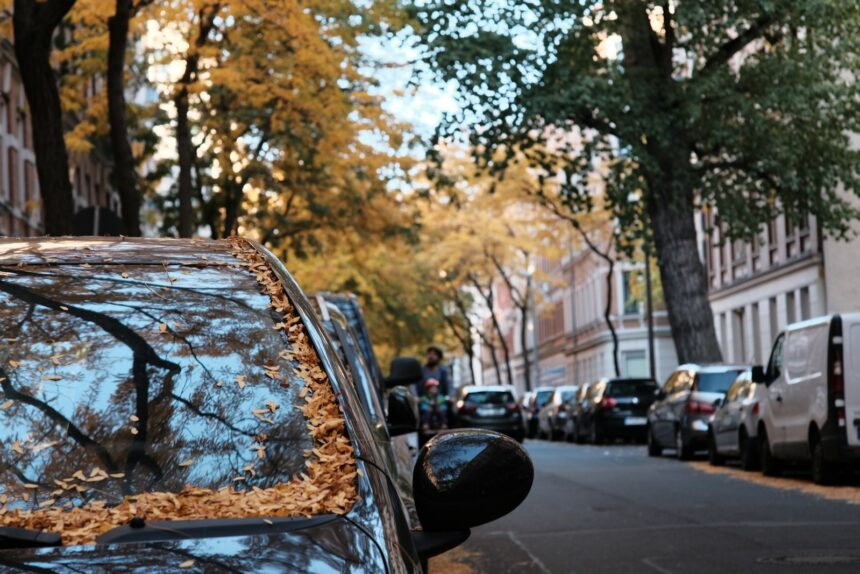
Fresh road tar removes with 3M adhesive remover in 5-10 minutes. Tree sap removes with warm water + isopropyl alcohol for fresh, adhesive remover for older. Both require immediate treatment to prevent clear coat damage.
Road tar and tree sap harden onto paint over hours to days. Fresh removal is easy with dedicated products. Older sap and tar require more aggressive treatment. Delay treatment beyond 2 weeks risks clear coat etching.
- You have visible tar or sap on paint
- You want to preserve paint condition
- You have basic detailing tools
- You want to prevent future damage
- Damage extends to clear coat etching (professional detail needed)
- Extensive coverage (professional detail more efficient)
- You need immediate results without proper products
Road tar and tree sap are among the fastest-hardening contaminants on car paint. Fresh removal is quick and easy. Delay treatment beyond 24-48 hours and removal becomes progressively more difficult. Beyond 2 weeks, damage to clear coat is likely.
Road tar removal
Fresh tar (within days)
Warm water + soap removes surface tar. Then apply 3M adhesive remover to microfiber. Wipe gently. Complete removal in 5-10 minutes.
Older tar (1-2 weeks)
Heavier product needed. WD-40 or Goo Gone. Apply liberally. Wait 5-10 minutes to soften. Wipe. May require multiple applications.
Very old tar (2+ weeks)
Etched into clear coat. Removal without damage difficult. Consider clay bar + polish combination. Professional detail may be needed.
Techniques for stubborn tar
Heat with hairdryer (not heat gun — too hot). Softens tar for easier removal. Cotton swab for hard-to-reach areas.
Tree sap removal
Fresh sap (first hours)
Warm water + soap. Wipe with soft cloth. Removes most fresh sap easily.
Recent sap (days to 2 weeks)
Isopropyl alcohol on microfiber. Rub gently. Sap dissolves. Rinse area after.
Older sap (2 weeks+)
3M adhesive remover or Goo Gone. Apply, wait 5 minutes, wipe. May require multiple applications.
Hardened sap (months old)
Adhesive remover + gentle scraping with plastic tool (never metal). May damage clear coat. Consider professional treatment.
Post-removal treatment
- Wash area with car soap to remove any product residue
- Rinse thoroughly
- Dry with microfiber
- Apply quick detailer or spray wax to restore protection
- For deeper damage, consider clay bar + polish
- Apply ceramic spray for future protection
Prevention
Ceramic coating
Ceramic spray creates hydrophobic barrier. Tar and sap don’t bond as strongly to coated surface. Easier removal even if contamination occurs.
Parking strategy
Avoid parking under trees during sap season. Avoid parking on freshly-tar-covered roads. Choose covered parking when possible.
Immediate removal
Address contamination within days rather than weeks. Fresh removal is easy. Old removal is expensive and may damage paint.
Regular washing
Weekly wash removes contamination before it hardens. Foam wash catches contamination before it bonds.
Troubleshooting
Tar keeps coming back
You’re driving on freshly-tar-covered roads. Consider alternative routes. Or accept regular removal + apply ceramic protection.
Sap has etched clear coat
Level 3-4 damage requires polishing compound. Or professional treatment. Or repaint if extensive.
Removal caused clear coat damage
Product too aggressive or wrong for damage level. Follow with polishing compound to restore finish. Or professional touch-up.
Products don’t work on specific type
Try alternative solvents. Adhesive remover for stubborn cases. Warm water first for fresh contamination.
Complete recommended product kit
Goo Gone Automotive
Works on tar, sap, adhesive residue.
Check Price on Amazon →Adam’s Graphene Ceramic Spray
Prevents future contamination bonding.
Check Price on Amazon →Meguiar’s Ultimate Quick Detailer
For post-removal touch-up.
Check Price on Amazon →Meguiar’s Ultimate Compound
For etched clear coat repair.
Check Price on Amazon →Meguiar’s Smooth Surface Clay Kit
For decontamination before treatment.
Check Price on Amazon →Sanmelox 91% Isopropyl Alcohol
For fresh sap removal.
Check Price on Amazon →WD-40 Multi-Use
Multi-purpose solvent for stubborn contamination.
Check Price on Amazon →Chemical Guys Foam Applicator Pack
For applying products safely.
Check Price on Amazon →Plastic Razor Blade Scrapers
Safe scraping tool for hardened contamination.
Check Price on Amazon →The Rag Company Dry Me a River Jr.
For post-cleaning drying.
Check Price on Amazon →- Fresh tar and sap remove in 5-10 minutes with proper products
- Delay treatment beyond 2 weeks risks clear coat damage
- Ceramic coating prevents contamination bonding + eases removal
- Never use metal scraper on paint — plastic only
- Address contamination immediately to prevent damage progression
Frequently Asked Questions
Can I use rubbing alcohol for tar removal?
For fresh light tar yes. Aggressive tar needs stronger product.
Is Goo Gone safe on car paint?
Yes — designed for automotive use. Rinse after.
How long can tar or sap stay before causing damage?
24-48 hours minimum. Beyond 2 weeks damage likely.
Can I use gasoline for tar removal?
Not recommended — damages clear coat and rubber components.
Should I wax after removal?
Yes — wash + wax + ceramic spray. Restores protection.
What if the tar has etched into paint?
Polishing compound may fix. Deep etches need professional treatment.
Can I prevent tar buildup?
Ceramic coating helps. Immediate removal essential.
Are removal products safe on rubber?
Some yes, some no. Verify manufacturer approval for use around rubber trim.
Bottom line
Tar and sap removal is straightforward when done promptly. Fresh contamination removes in minutes. Delay treatment beyond 2 weeks risks paint damage requiring professional treatment. Prevention through ceramic coating + immediate removal is best strategy.