
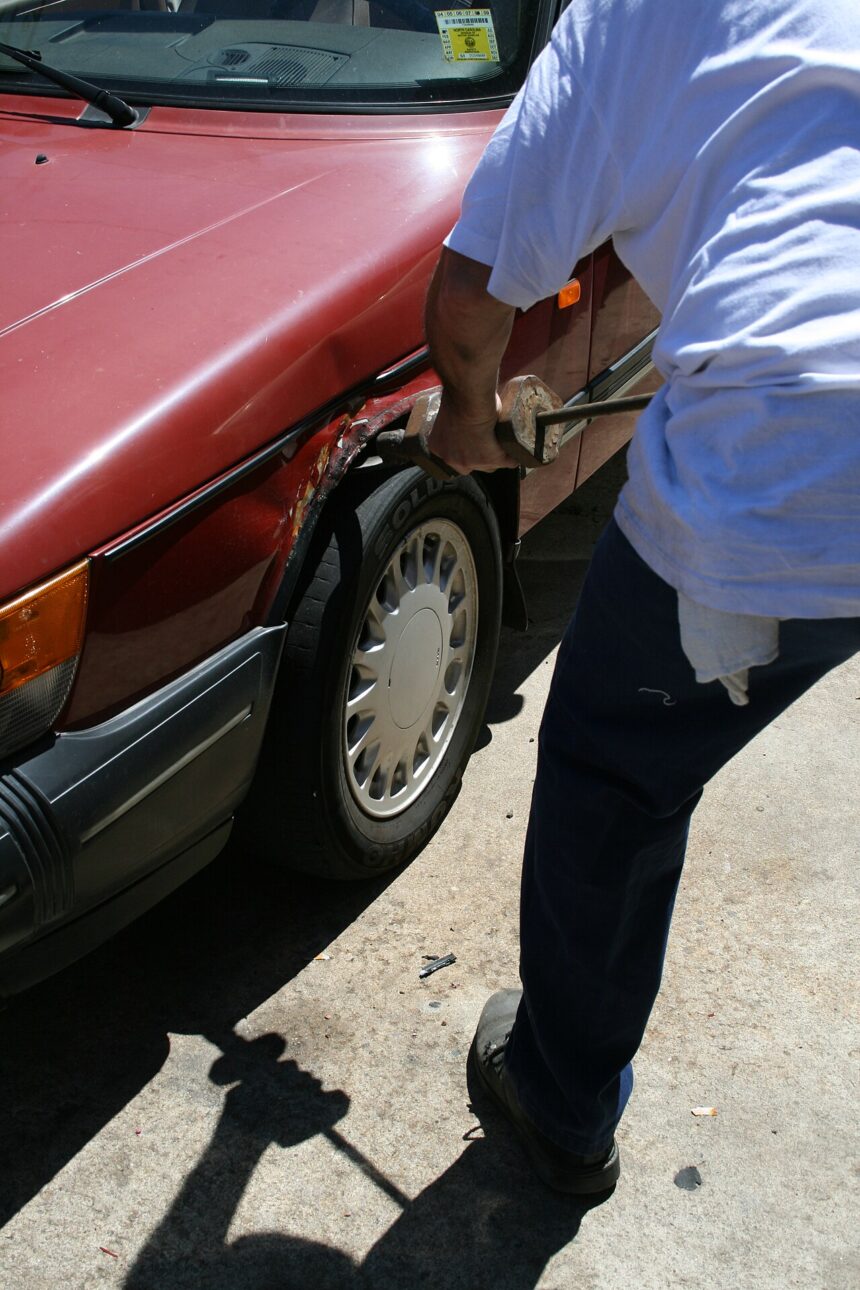
Scratches on your car paint are unsightly and may indicate damage to its bodywork. Removing them as soon as they appear keeps your vehicle looking new while also decreasing risk of more expensive damages like corrosion.
Wash and dry the affected area thoroughly. Mask off nearby areas in order to avoid spraying any undamaged paint with scratch remover, then dab a small dab on a microfiber cloth or polishing pad to apply some. When buffing over damaged area gradually increase buffer RPMs until damage has been completely addressed.
Paint Repair
Recommended: fix scratches yourself
Handpicked Amazon products relevant to this guide. Prices vary, links go to current Amazon listings.
Scratched car paint can be an extremely annoying experience. Not only can it reduce the aesthetic value of your vehicle, but paying body shops can be costly. Luckily, there are ways you can fix surface scratches yourself; polish can work on those not deep enough for touch up paint touchup or buff out scratches using toothpaste and other scratch removal products; for those deeper scratches which have chipped the clear coat will need more extensive repair procedures.
Before beginning to remove scratches from your car with rubbing compound, first take steps to clean off the area that has them using decontamination spray, iron/fallout remover or clay bar treatment. This step ensures any dirt or other contaminants are completely eliminated before beginning work on them with products like rubbing compound.
Apply rubbing compound to a microfiber cloth or buffing pad, buff in circular motion to eliminate scratches, then switch to more gentle polishing compounds until they have all gone away. Finally, seal your vehicle using clear coat sealant after finishing this process for best results.
Consider purchasing a touch up paint kit for your car. These kits contain everything necessary to repair surface scratches on its paint, saving money on auto body repairs in the process.
If the scratches are too deep to be remedied with polish or scratch removal products, sanding and repainting may be required to restore their appearance and make your car appear like new again. This process may need to be performed at either a body shop or mobile spray paint technician and can take longer but will restore its look like brand new!
As soon as you’re ready to get going, Car Care Nation provides high-quality car polish and wax products that will restore the shine to your ride – everything you need for making it like new again!
Buffing
Buffing is an efficient and popular solution for minor car scratches, as well as surface imperfections like oxidation. Furthermore, buffing helps improve the look of any paint job by creating a smooth and shiny surface.
Buffing is the process of using machinery and special abrasive compounds to smooth and polish the surface of workpieces. A buffing wheel or belt usually constructed of wool, flannel cotton muslin cloth (usually synthetic fibers such as nylon) charged with loose abrasive grains to remove coatings and oxides from material being worked on during buffing to produce an almost brand-new appearance of smooth polished surface.
Before initiating the buffing process, the surface being worked on must first be thoroughly cleaned and prepared, in order to achieve maximum results and prevent any potential damages to underlying materials. Furthermore, regular inspection of buffed surface should take place so as to evaluate its progress and make necessary adjustments as required.
Dependent upon your desired result, various buffing compounds may be employed. Cut buffing uses coarser materials to cut through copper, brass and aluminium surfaces while color buffing offers more refined solutions with superior results.
Though buffing can be an effective solution for removing minor car scratches, if performed incorrectly it may have an adverse impact on the appearance of paintwork. Uninformed technicians may fail to use appropriate equipment and compounds correctly which could damage paintwork by leaving unsightly swirl marks and holograms behind.
Scratch removal kits can help car owners repair minor scratches on their clear coat, though this method should only be employed on cars that do not require full repainting. After washing the affected area, apply small amounts of scratch removal compound using either a buffing pad or microfiber towel and rub over each scratch until they’ve all disappeared and the surface has returned to being smooth and shiny.
Polishing
Polishing your car can be one of the best ways to eliminate superficial scratches and scuffs. Polishes contain mild abrasives in liquid form that remove damaged layers of clear coat to reveal a fresh, flat layer underneath. This process can be carried out either using a machine polisher or by hand with foam or microfiber pads; multiple applications may be necessary before all scratches are completely erased.
Scratched cars allow dirt and moisture to get inside their paint layers and cause lasting damage, such as rust or corrosion. Scratches also lower resale value. Fixing them quickly helps safeguard both your investment and its appearance.
Scratch repair kits usually include everything necessary to fix car scratches, such as polish, rubbing compound and touch-up paint. The first step should be a comprehensive clean of the area surrounding the scratches followed by drying it thoroughly before assessing their depth – if running your fingernail over it catches it, then it likely falls beyond the scope of a scratch repair kit’s effectiveness.
Apply a small amount of car polish to a buffing pad or microfiber towel, and rub it across the scratched areas on your car with circular strokes, being careful not to press too hard as that could damage its finish. Make sure a damp cloth is on hand as you go; repeat this process until all visible scratches have disappeared from view.
Professional detailing services with higher price points typically have access to more polishes, pads and machine polishers, and more experience and expertise when it comes to buffing and polishing services.
Rubbing compounds, on the other hand, are more aggressive. Used to even out uneven surfaces caused by scratches in your car’s clear coat, they come with various degrees of abrasion; lower numbers indicate more aggressive compounds.
Touch-Up Paint
If the damage to your car’s paint is superficial and minor (such as scratches, rock chips), then using the touch up paint process may help address them. First step should be washing around the scratch with mild soap and water to scrub off dirt or debris that has lodged itself underneath its surface, followed by using rubbing alcohol to clear any remaining dust or grease that may still be there.
Once your paint surface has completely dried, it’s time to apply touch up paint. Before beginning this task however, it is vital that you identify your vehicle’s color code to ensure an exact match – often this information can be found under the hood, in the trunk or the driver side door jamb. A paint job with the wrong hue can make your scratch even more visible!
Next, use either a pen or brushes type touch up paint tool for touch up repairs. A paint pen works best for fine lines and small areas as their fine tip fits directly into scratches; for larger spaces wider than this tip you should switch over to using brushes as these will give more control. However if working on metallic paint it would be wiser to opt for spray painting as brushes could disrupt its metallic flake causing uneven repair results.
After applying your touch up paint, lightly sand it to smooth any rough areas and eliminate sharp edges. Next, apply your clear coat allowing each coat to dry between applications – this will also provide protection from future chips or scratches in your repair job.
Even though it would be preferable to protect your vehicle from scratches, road debris can chip its paint, shopping carts can leave dented panels, and your own keys could leave behind scratches that require buffing and polishing for repair. Knowing the touch up paint process allows you to repair these small imperfections quickly and minimize their impact.