
As part of your collision repair estimate, an estimate may include various Auto Body Parts which may either be cosmetic or structural in nature. It is crucial to understand their significance for the overall safety of your vehicle.
Vehicle frames play an essential role in providing passenger and driver safety during a crash by dispersing force evenly throughout its structure.
Frame
As the backbone of your vehicle, its frame serves to provide structural strength and stability to protect internal components as well as keep passengers safe during an accident. Furthermore, its improved airflow helps safeguard internal components against adverse environmental elements like rain, snow and ice.
The frame of a vehicle is typically constructed of steel and assembled via welding or bolting. Protective coatings should be applied over its surface to reduce corrosion and rust formation, and its integrity should always meet or surpass that of original structural integrity of your vehicle. As part of collision repairs, replacing damaged frames should always be done using OEM replacement parts that meet or surpass original structural integrity of your vehicle.
Although most cars now utilize unibody construction with no replaceable frame, many trucks and SUVs still feature traditional frame-on-body designs which still use replaceable metal body frames. When damaged, collision repair shops utilize frame machines to restore its structure so it remains safe for passengers and cargo alike.
Aftermarket auto parts are replacement components that aren’t manufactured by their original equipment manufacturer (OEM). While these aftermarket components should fit and function like their OEM counterparts, they may be less expensive than them and some even include modifications designed to enhance vehicle performance.
When purchasing replacement or upgrade parts for your vehicle, it is crucial that you choose reliable brands and repair shops. In doing so, you can ensure that your car receives high-quality components that are both safe and durable. In the event of a collision, all the parts should be immediately inspected and repaired as quickly as possible – at Miracle Body and Paint our experienced technicians specialize in collision repair to restore all frame, panels, doors, hoods and bumpers back to their pre-collision state.
Panels
As their name implies, panels are large steel sections installed around a vehicle that provide protection for its parts and systems as well as passengers from environmental elements and collisions. People usually first see the panel when looking at a car so it must be visually appealing while remaining durable enough to withstand everyday rigors like road salts, pollution, acid rain, UV exposure heat and impingement from hard road debris without suffering significant damage over time.
Optimizing outer body panels requires both product and process engineering for optimum appearance and structural performance, since designs may exhibit various strain distributions within their panels due to different degrees of prestrain and mode shapes. Initial forming operations have the most profound effect on panel quality in terms of dimensions accuracy, hemmability and dent resistance.
The wheelhouse sits atop the tires on a truck and regularly takes hits during parking lot fender benders and rear-end traffic accidents, often suffering serious wear-and-tear. Lower rear quarter panels in cars also often sustain damage from such collisions; similarly, firewalls protect passengers during crashes by keeping engines from coming in contact with passenger compartments or vice versa.
Panels are made of various metals such as steel, aluminum and carbon fiber and coated with special automotive coatings designed to withstand specific rigors for years while still offering aesthetic appeal. This corrosion protection can withstand road salts, pollutants, acid rain, UV exposure and heat exposure.
Bumpers
Bumpers provide essential protection to both the car frame and other essential components during collisions. Their main function is to absorb and dissipate impact energy to ensure your passengers and other motorists remain safe from injury. Your front and rear bumpers play an integral part in keeping everyone safe; so having any damaged ones repaired or replaced promptly should be treated as an urgent safety measure.
Modern bumpers are constructed to withstand low-speed impacts, yet even minor dents or scrapes could compromise its inner structure and diminish its effectiveness. Bumpers typically consist of metal and plastic construction with energy-absorbing materials to deflect impact forces away from your vehicle’s body.
Your front and rear bumpers provide your car’s frame, wheels, headlights, engine and other vital parts with protection from damage. They’re also an integral component of its crumple zones – built into its framework to help minimize injuries in case of an accident.
Your bumper’s outer portion is usually composed of plastic and features holes for the license plate and plastic covers to prevent rusting. Should its outer layer become scratched or dented, an auto body shop can repair or replace it easily; if damage exposes steel beneath, however, replacement would likely be more appropriate than repair.
Undergoing bumper repair or replacement at a qualified auto body shop is critical, both in terms of time and cost savings. A professional can repair most bumpers – even those damaged by cracks and holes – which would otherwise need replacement, while painting the repaired section so its paint matches with other body panels and trim.
Doors
Car doors experience considerable strain as you open and close them, and this pressure can eventually cause them to bend or deform over time. Specialized door jamb protectors can relieve some of this pressure and protect the resale value of your vehicle by helping keep its doors flexing at an acceptable level.
All vehicles feature doors, but each vehicle may feature different varieties. One common type is known as a butterfly door which opens upward and swings along an A-pillar hinge; often found on minivans. Another option available to auto body technicians during training sessions is a sliding door which opens outward instead of upward; students will learn how to identify and repair this type of door.
Auto body doors are designed to protect occupants during collisions by dispersing impact forces evenly among passengers and reduce injuries caused by accidents. A door’s structure typically consists of steel or aluminum but other materials may also be employed; regular inspections should take place to detect signs that it has become damaged.
After an accident, doors of cars can often be repaired if damaged; however, professional assessment should always be sought first before trying to do repairs on your own. A telltale sign that a door frame has been bent is when it leaves gaps or overlaps when closed; if your vehicle has been involved in any minor accidents it’s worth consulting an auto body shop to see if replacement will be required; typically this process can be completed quickly in just hours!
Hood
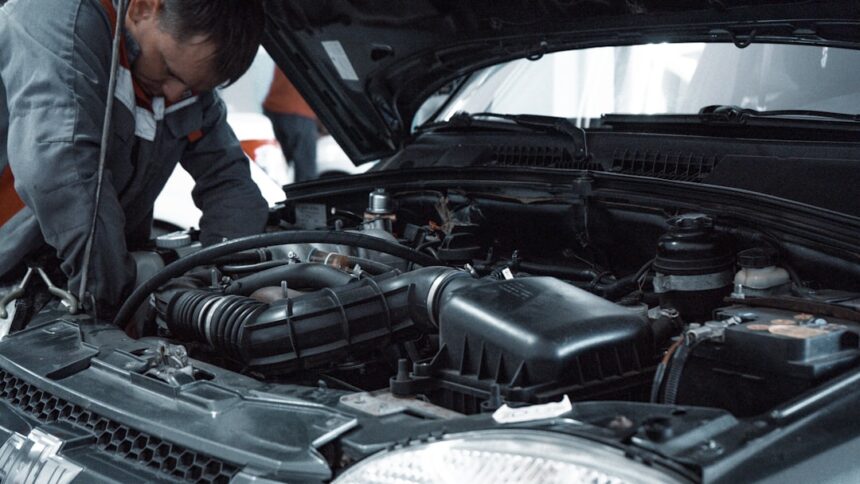
A hood (American English) or bonnet (Commonwealth English) is a hinged cover that opens to allow access to the engine compartment of motor vehicles. Additionally, this allows for protection from debris ingress as well as easy checking of oil levels and other fluid levels.
There are various types of hoods, from stock, aftermarket and custom options. Stock hoods typically use steel as the material while aftermarket/custom options often use aluminum or fiberglass. Hood designs can vary significantly to change both appearance and function – for instance a cowl induction/ram air hood can increase airflow to your engine for improved performance.
As with bumpers, hoods are intended to crumple in an accident and protect both engine components and other parts of a car from impact damage. Unfortunately, over time hoods can become severely dented or cracked which can squash and rub against engine components, create large gaps exposing rubber parts to elements, or prevent it from closing properly.
Auto body shops can help resolve these issues using methods such as paintless dent removal to eliminate damage without filling and repainting, as well as replace a damaged hood based on its severity.
Common types of body work include frame straightening, which involves returning the frame back into its original alignment after an accident using specialized tools and hydraulic equipment. Furthermore, body shops also provide paint matching services, which involve sanding down damaged areas and applying touch-up paint that matches the original color of the car. Furthermore, some body shops may offer aftermarket replacement parts that don’t come directly from OEM manufacturers but which may still fit but void your warranty.