
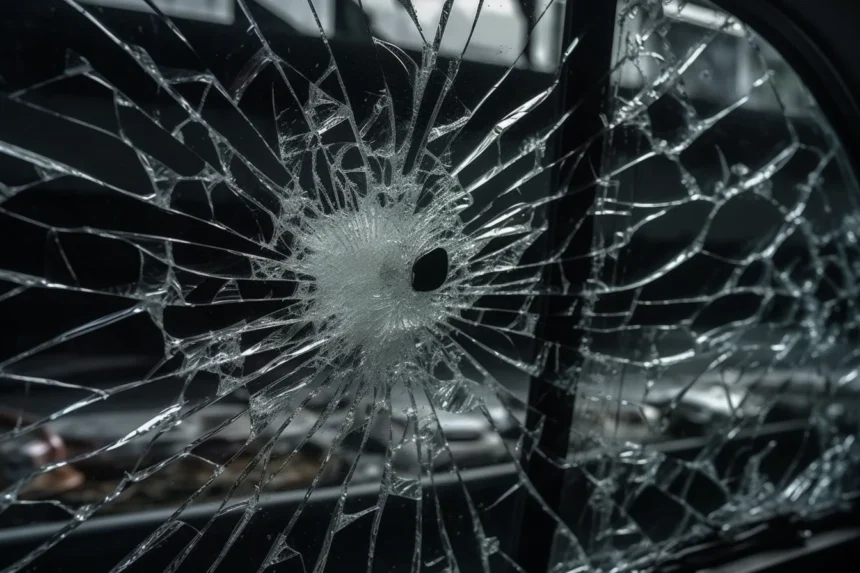
Understanding the Common Causes of Automotive Glass Damage
Recommended: DIY windshield & glass care
Handpicked Amazon products relevant to this guide. Prices vary, links go to current Amazon listings.
One of the most common causes of automotive glass damage is flying debris on the road. Whether it’s a small rock kicked up by another vehicle or larger objects like tree branches, these projectiles can hit your windshield and cause chips or cracks. It’s important to maintain a safe distance from other vehicles and be aware of your surroundings to minimize the risk of encountering such debris.
Another common cause of automotive glass damage is extreme temperature changes. When your car sits in direct sunlight for extended periods or experiences sudden shifts in temperature, the glass expands and contracts rapidly. Over time, this can weaken the structural integrity of the glass, making it more susceptible to cracks.
Additionally, accidents and collisions are major contributors to automotive glass damage. Even minor fender benders can result in cracked windshields or shattered windows. The force generated during an impact can easily compromise the strength of the glass, requiring immediate repair or replacement.
By understanding these common causes of automotive glass damage, you can take proactive measures to prevent them from occurring. Regularly inspecting your vehicle for any signs of wear and tear, maintaining a safe driving distance from other vehicles on the road, parking in shaded areas whenever possible, and practicing defensive driving techniques are all effective ways to reduce potential risks to your automotive glass. Remember that addressing small chips or cracks promptly is crucial as they have a tendency to spread over time if left unattended.

Signs and Symptoms of a Chip or Crack in Your Automotive Glass
One of the most common signs that you may have a chip or crack in your automotive glass is a visible mark on the surface. This can range from a small dot to a larger fracture, depending on the severity of the damage. It’s important to note that even minor chips or cracks should not be ignored, as they can quickly escalate into larger problems if left untreated.
Another symptom of automotive glass damage is a change in visibility while driving. If you notice that your windshield or other windows are obstructing your view, it could be due to a chip or crack affecting the clarity of the glass. This can be especially dangerous when driving at night or during inclement weather conditions, as impaired visibility increases the risk of accidents.
In addition to visual cues, you may also experience unusual sounds when there is damage to your automotive glass. For example, if you hear a whistling noise while driving at high speeds, it could indicate air entering through a chip or crack in the windshield. Similarly, tapping noises may occur when debris gets caught in damaged areas and moves with wind pressure. These auditory signals should not be overlooked and prompt action should be taken to address any potential issues with your automotive glass.
By paying attention to these signs and symptoms of chip or crack formation in your automotive glass, you can take proactive measures to prevent further damage and ensure your safety on the road. Remember that timely repairs are crucial for maintaining structural integrity and preventing more extensive repairs down the line.
The Potential Dangers of Ignoring Automotive Glass Damage
Ignoring automotive glass damage can have serious consequences for both the driver and passengers. One of the potential dangers is reduced visibility. A small chip or crack in the windshield may seem insignificant, but it can obstruct your view of the road, especially when sunlight or headlights hit it at certain angles. This impaired visibility increases the risk of accidents as you may not be able to see pedestrians, other vehicles, or obstacles clearly.
Another danger of ignoring automotive glass damage is compromised structural integrity. The windshield plays a crucial role in maintaining the overall strength and rigidity of your vehicle’s frame. It acts as a barrier against external forces during collisions and rollovers, preventing roof collapse and passenger ejection. However, if left unrepaired, even a minor chip or crack can weaken the windshield’s structure over time. This compromises its ability to withstand impact forces and puts you at greater risk in case of an accident.
Additionally, neglecting automotive glass damage can lead to more extensive problems down the line. What starts as a small chip or crack can quickly spread due to temperature changes, vibrations from driving on rough roads, or even normal wear and tear. Once it reaches a certain size or depth, repairing becomes impossible and replacement becomes necessary – which is not only costlier but also time-consuming compared to early repairs.
It is essential to address any automotive glass damage promptly by seeking professional repair services from reputable providers who specialize in this field. By doing so, you ensure your safety on the road by maintaining clear visibility while preserving your vehicle’s structural integrity – ultimately preventing further damage that could result in expensive replacements.
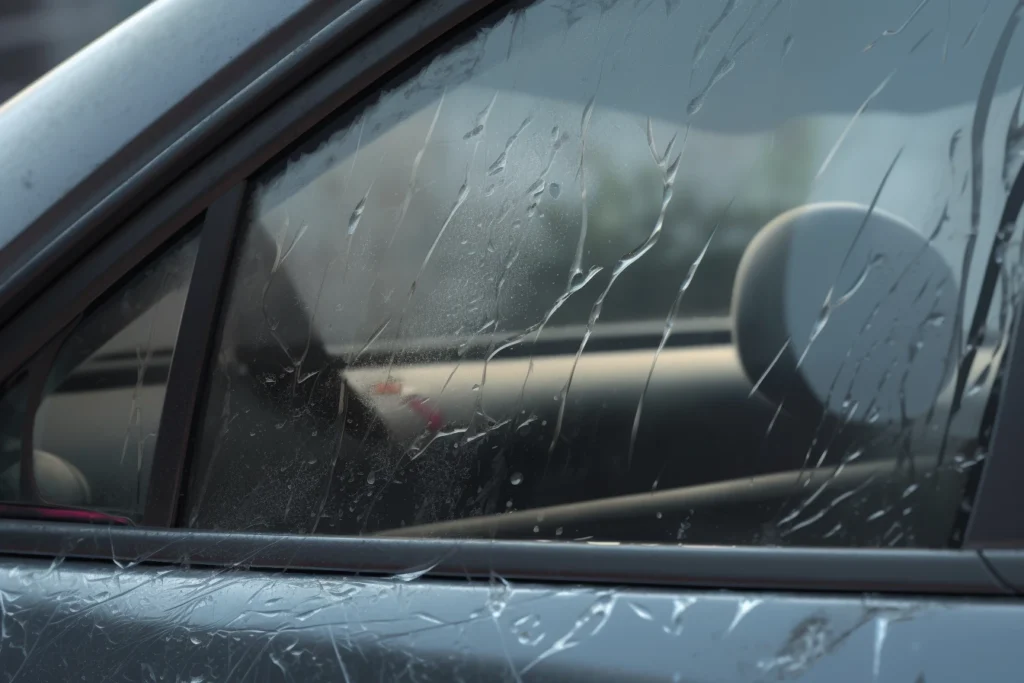
Exploring Different Types of Automotive Glass Repairs
There are several different types of automotive glass repairs that can be performed depending on the extent and location of the damage. One common type is a chip repair, which involves filling in a small chip or pit in the glass with a special resin. This process helps to prevent further cracking and restores the structural integrity of the glass.
Another type of repair is a crack repair, which is used for longer cracks that extend across the surface of the glass. In this case, a technician will use advanced techniques to inject resin into the crack, effectively sealing it and preventing it from spreading any further. This type of repair not only improves visibility but also ensures that your automotive glass remains strong and safe.
In some cases, when the damage is too severe or extensive, a full replacement may be necessary. This typically occurs when there are multiple cracks or if they are located near important areas such as around sensors or cameras. A professional technician will carefully assess your automotive glass to determine whether repairing or replacing it is the best course of action.
By understanding these different types of automotive glass repairs available, you can make an informed decision about how to address any damage to your vehicle’s windows. Whether it’s a small chip or a long crack, seeking professional help promptly can save you time and money in the long run while ensuring your safety on the road.
- • Chip repair: Involves filling in a small chip or pit in the glass with resin to prevent further cracking and restore structural integrity.
- • Crack repair: Used for longer cracks that extend across the surface of the glass. Resin is injected into the crack to seal it and prevent spreading, improving visibility and ensuring safety.
- • Full replacement: When damage is severe or extensive, multiple cracks are present, or they are located near important areas such as sensors or cameras, a full replacement may be necessary.
- • Professional assessment: A skilled technician will carefully evaluate your automotive glass to determine whether repairing or replacing it is the best option.
- • Prompt professional help: Seeking assistance from professionals promptly can save time and money while ensuring road safety.
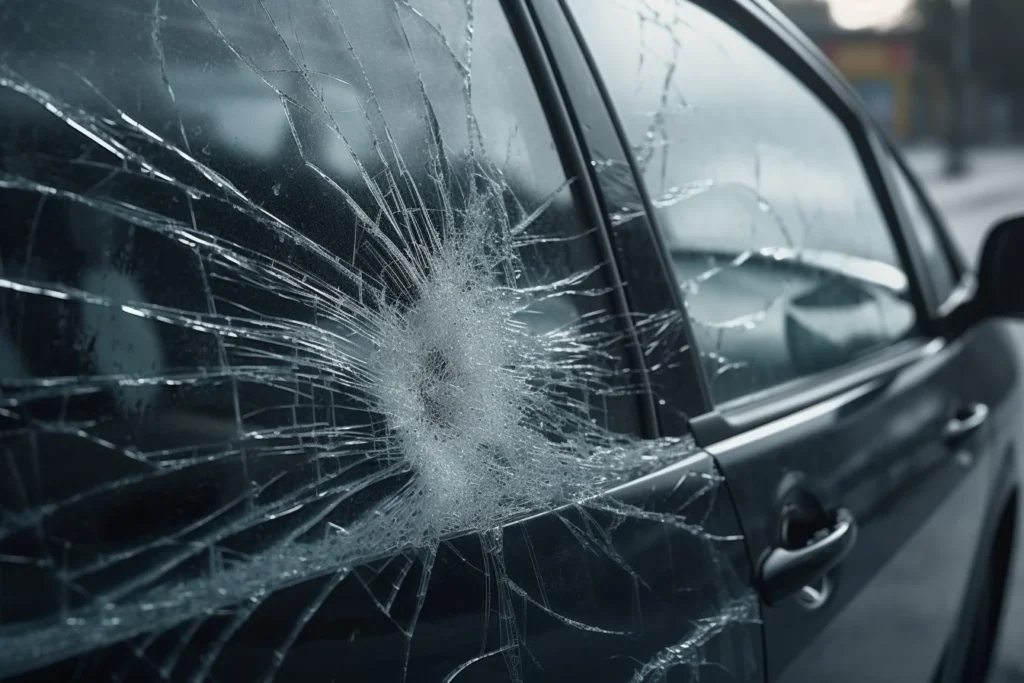
Factors to Consider When Deciding Between Repairing or Replacing Your Automotive Glass
When faced with automotive glass damage, one of the key decisions you will need to make is whether to repair or replace the affected glass. There are several factors that should be taken into consideration before making this decision. Firstly, consider the size and location of the damage. Small chips or cracks that are less than six inches in length can often be successfully repaired, whereas larger damages may require a full replacement.
Another important factor to consider is the severity of the damage. If the chip or crack has compromised the structural integrity of your automotive glass, it is crucial to opt for a replacement rather than a repair. This is especially true if there are multiple cracks or if they extend across critical areas such as your windshield’s edge.
Additionally, take into account your budget and insurance coverage when deciding between repairing or replacing your automotive glass. In some cases, repairs may be covered by your insurance policy without any out-of-pocket expenses on your part. However, if you have limited coverage or a high deductible, it might be more cost-effective to opt for a repair instead of a complete replacement.
Considering these factors will help you make an informed decision about whether to repair or replace your automotive glass. Remember that consulting with a professional automotive glass technician can provide valuable insights and recommendations based on their expertise and experience in handling similar situations.
The Process of Repairing Automotive Glass Chips and Cracks
Repairing automotive glass chips and cracks requires a careful and precise process to ensure a successful outcome. The first step in the repair process is to thoroughly clean the damaged area using a specialized glass cleaner. This helps remove any dirt, debris, or loose glass particles that may interfere with the repair.
Once the area is clean, the next step is to inject a specially formulated resin into the chip or crack. The resin is designed to fill in the damaged area and restore its structural integrity. A vacuum pressure system may be used to ensure that all air bubbles are removed from within the resin, resulting in a stronger and more durable repair.
After injecting the resin, it needs to be cured using ultraviolet (UV) light. The UV light hardens and solidifies the resin, making it strong enough to withstand normal driving conditions. Typically, this curing process takes only a few minutes.
Once cured, any excess resin on the surface of the glass can be carefully scraped away using a razor blade or similar tool. This ensures that there are no visible marks or bumps left behind after repairing automotive glass chips and cracks.
By following these professional techniques during automotive glass repairs, you can expect excellent results with minimal visibility of previous damage. It’s important not only for aesthetic reasons but also for safety purposes as even small chips or cracks can compromise your vehicle’s overall structural integrity if left unattended.
Remember that timely repairs are crucial as neglecting even minor damage can lead to further spreading of cracks or weakening of your automotive glass over time. So don’t delay getting professional help when you notice any chips or cracks on your vehicle’s windshield or windows – addressing them promptly will save you money by avoiding more extensive repairs down-the-line.
Professional Techniques for Ensuring a Successful Automotive Glass Repair
To ensure a successful automotive glass repair, it is crucial to follow professional techniques that have been proven effective. Firstly, the technician should carefully assess the extent of the damage before proceeding with any repairs. This involves thoroughly inspecting the chip or crack and determining if it can be repaired or if a replacement is necessary. By accurately assessing the damage, technicians can provide an appropriate solution and avoid wasting time and resources on ineffective repairs.
Once the assessment is complete, proper preparation is essential for a successful repair. This includes cleaning the damaged area thoroughly to remove any dirt or debris that could interfere with adhesion during the repair process. Technicians often use specialized tools and solutions to ensure a clean surface for optimal bonding.
During the actual repair process, precision is key. Skilled technicians utilize advanced techniques such as injecting resin into cracks or chips using specialized equipment designed specifically for automotive glass repairs. The resin fills in gaps and restores structural integrity while minimizing visibility of imperfections.
By following these professional techniques, automotive glass repairs can be carried out effectively and efficiently, ensuring long-lasting results that meet industry standards. It’s important to entrust your vehicle’s glass repair needs to experienced professionals who understand these techniques and are equipped with high-quality materials and tools necessary for achieving successful outcomes without compromising safety or aesthetics.
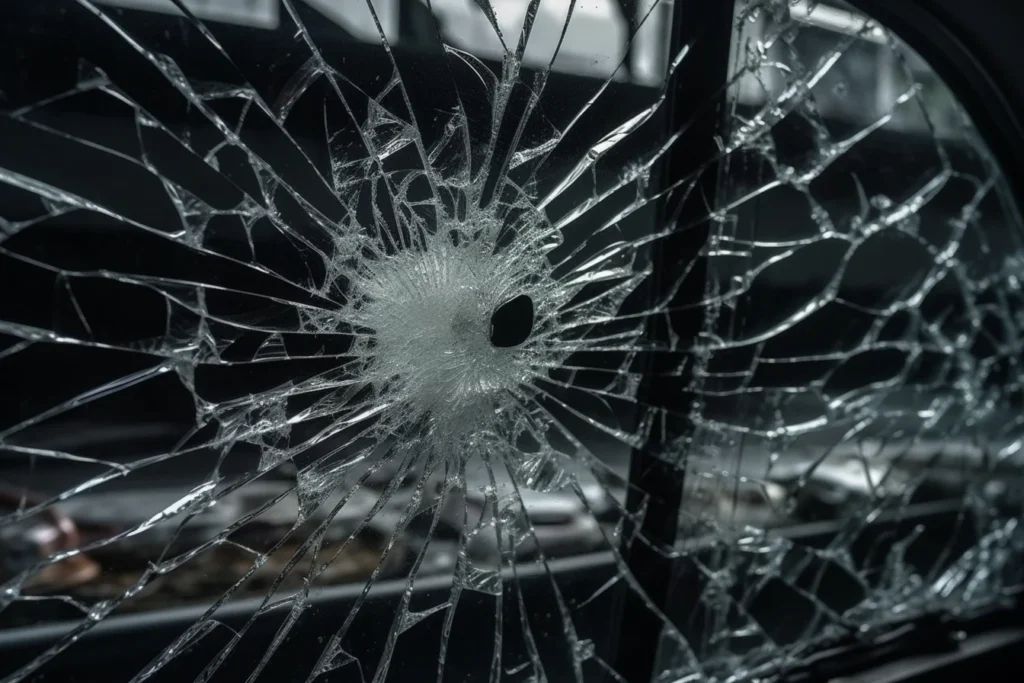
The Importance of Timely Automotive Glass Repairs to Prevent Further Damage
Timely automotive glass repairs are crucial in preventing further damage to your vehicle. Ignoring even the smallest chip or crack can lead to more extensive issues down the line, compromising both your safety and the structural integrity of your car. By addressing these damages promptly, you can avoid costly repairs or even having to replace the entire glass.
One of the main reasons why timely repairs are essential is that small chips and cracks have a tendency to spread rapidly. Temperature changes, road vibrations, and everyday stress on your vehicle can cause these damages to expand quickly. What may start as a minor inconvenience can soon turn into a major problem that requires a full windshield replacement.
Additionally, damaged automotive glass poses significant risks during accidents or collisions. The integrity of your windshield plays a crucial role in maintaining the structural stability of your vehicle’s cabin and supporting airbag deployment. A compromised windshield may shatter upon impact, increasing the likelihood of injuries for both drivers and passengers.
By seeking professional assistance for automotive glass repairs as soon as possible after noticing any damage, you ensure that prompt measures are taken to prevent further deterioration. Experienced technicians will assess the severity of the issue and employ appropriate repair techniques tailored specifically for each type of damage.
Remember that delaying necessary repairs not only puts you at risk but also compromises others sharing the road with you. Prioritizing timely automotive glass repairs demonstrates responsible ownership while safeguarding everyone’s well-being on every journey you take.
Finding a Reliable and Trustworthy Automotive Glass Repair Service Provider
When it comes to finding a reliable and trustworthy automotive glass repair service provider, there are several factors that you should consider. First and foremost, it is important to do your research and gather information about the reputation of different companies in your area. Look for reviews and testimonials from previous customers to get an idea of their level of expertise and customer satisfaction.
Additionally, make sure to choose a company that has certified technicians who specialize in automotive glass repairs. These professionals have undergone specific training and have the necessary skills to handle various types of glass damage effectively. They will be able to assess the extent of the damage accurately and provide appropriate solutions.
Furthermore, consider selecting a service provider that offers warranties or guarantees on their workmanship. This shows their confidence in the quality of their repairs and provides you with peace of mind knowing that they stand behind their services.
By following these guidelines, you can ensure that you find a reliable and trustworthy automotive glass repair service provider who will provide high-quality repairs for your vehicle’s glass damage. Remember, taking the time to choose a reputable company can save you from further headaches down the line.
Maintenance Tips to Extend the Lifespan of Your Newly Repaired Automotive Glass
Proper maintenance is crucial to ensure the longevity of your newly repaired automotive glass. Here are some essential tips to help you extend its lifespan and keep it in optimal condition.
Firstly, avoid using harsh chemicals or abrasive materials when cleaning your automotive glass. Instead, opt for a mild glass cleaner and a soft cloth or sponge. Harsh chemicals can damage the protective coating on the glass, making it more susceptible to scratches and other forms of damage.
Secondly, be mindful of where you park your vehicle. Parking under trees or near construction sites increases the risk of debris falling onto your automotive glass and causing chips or cracks. Whenever possible, choose a secure parking area away from potential hazards.
Lastly, regular inspections are key to identifying any issues early on. Take the time to visually inspect your automotive glass for any signs of damage such as chips, cracks, or loose seals. Addressing these problems promptly will prevent them from worsening over time and potentially requiring costly repairs.
By following these maintenance tips diligently, you can significantly prolong the lifespan of your newly repaired automotive glass. Taking proactive measures not only ensures its durability but also guarantees clear visibility while driving – an essential aspect for both safety and overall driving experience.
Can I drive my car with a chip or crack in the automotive glass?
It is not recommended to drive your car with a chip or crack in the automotive glass. It can compromise your safety and the structural integrity of the glass.
What are the signs of automotive glass damage?
Signs of automotive glass damage include chips, cracks, or scratches on the glass surface.
What are the potential dangers of ignoring automotive glass damage?
Ignoring automotive glass damage can lead to further cracking or shattering of the glass, obstructed visibility, and reduced structural integrity in case of an accident.
When should I consider repairing or replacing my automotive glass?
You should consider repairing your automotive glass if the damage is small, such as a chip or small crack. However, if the damage is extensive, it is better to opt for a replacement.
How is automotive glass repaired?
Automotive glass is repaired by injecting a specialized resin into the damaged area, which is then cured and polished to restore the glass’s integrity.
Why is timely automotive glass repair important?
Timely automotive glass repair prevents further damage from occurring, which can save you from costly replacements and ensure your safety on the road.
How do I find a reliable automotive glass repair service provider?
Research online reviews and ratings, ask for recommendations from friends or family, and ensure the service provider has proper certifications and experience in automotive glass repairs.
What maintenance tips can I follow to extend the lifespan of my newly repaired automotive glass?
Avoid harsh cleaners or abrasive materials when cleaning the glass, park in shaded areas to prevent prolonged exposure to sunlight, and avoid slamming doors or placing heavy objects on the glass surface.
Can I repair automotive glass myself?
It is not recommended to repair automotive glass yourself as it requires specialized tools and techniques. It is best to leave it to professionals to ensure a successful repair.
How long does it take to repair automotive glass?
The time required for automotive glass repair can vary depending on the extent of the damage. It can take anywhere from 30 minutes to a few hours.