
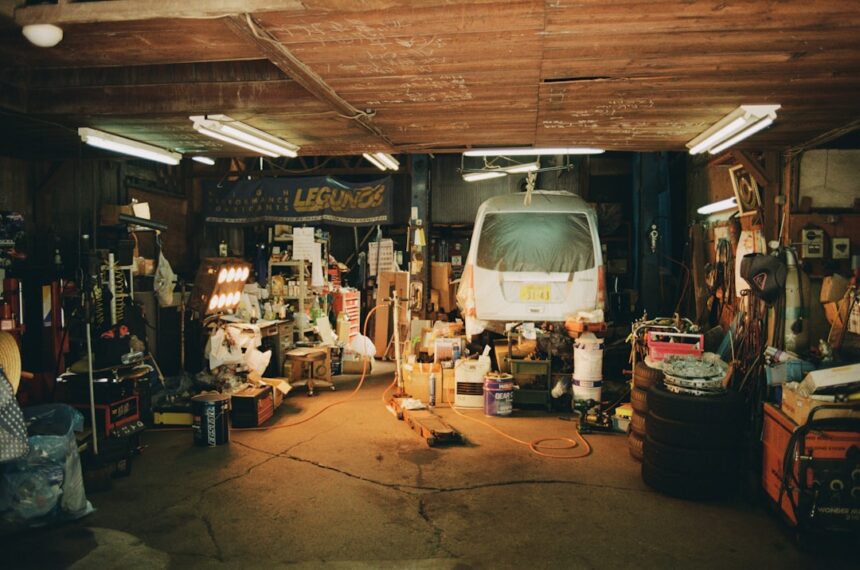
A proper paint booth transforms DIY auto painting from a frustrating dust-filled experience to professional-quality results. This guide covers 5 paint booth options for home auto body work — from $299 inflatable booths for occasional projects to $5,000+ semi-permanent installations that rival commercial shops.
Our top picks for 2026
Sewinfla Portable Inflatable Paint Booth 26x13x9 ft
26-foot inflatable booth accommodates full-vehicle painting. Fan system + filtration included. Set up in 30 minutes.
Check Price on Amazon →Standing Bear Custom Paint Booth Kit
Semi-permanent modular booth kit. Steel frame + custom-fit filter walls. 15-year warranty.
Check Price on Amazon →COSTWAY Inflatable Air Paint Booth 15x10x8 ft
Smaller inflatable for panel work, motorcycles, and small detailing. Sets up in 15 minutes.
Check Price on Amazon →Diehl Explosion-Proof 8-Inch Exhaust Fan
Explosion-proof exhaust fan sized for home paint booth. 2,800 CFM. Standard for DIY installations.
Check Price on Amazon →Norton Ultra-Fine Paint Booth Intake Filter
5-micron intake filter roll for painting installations. Standard replacement for most booths.
Check Price on Amazon →Big Ass Lights Powerbeam Explosion-Proof LED
Explosion-proof LED fixtures with 95+ CRI. Rated for paint booth applications.
Check Price on Amazon →Amerex B417 Class ABC Fire Extinguisher
5-lb Class ABC fire extinguisher meeting paint booth safety requirements.
Check Price on Amazon →Justrite Yellow Solvent Cabinet 30 Gallon
OSHA-compliant solvent storage cabinet for paint booth chemicals.
Check Price on Amazon →Types of home paint booths
Inflatable paint booths
- Set up in 15-30 minutes
- Deflate and store when not in use
- Filtration built into intake and exhaust
- $299-$1,200 depending on size
- Best for occasional users
Semi-permanent booths
- Steel or aluminum frame with filter walls
- Permanent installation in dedicated garage bay
- Better dust control, better lighting integration
- $2,500-$8,000
- For frequent DIY painters and small shops
DIY-built booths
- PVC or wood frame with plastic sheeting
- Costs $150-$400 in materials
- Adequate for single projects
- Requires proper ventilation setup
Cross-flow vs. downdraft
- Cross-flow: Air moves horizontally across booth. Simpler, cheaper. Adequate for most DIY.
- Downdraft: Air moves vertically down through booth. Best dust control, professional-quality. Requires floor filtration.
What separates a good booth from a bad one
- Positive pressure: More air comes IN than goes OUT. Prevents dust intrusion.
- Filter quality: Intake filters at 5 microns; exhaust filters at 10 microns.
- Air changes per minute: 60-90 CFM per square foot of booth cross-section.
- Lighting: 90+ CRI LEDs at 100+ lumens per square foot.
- Sealing: Zero-leak connections at booth-to-exhaust duct.
- Fire safety: Explosion-proof fans and lights near paint spray area.
Ventilation calculations
Paint booth ventilation must move enough air to:
- Remove overspray and paint fumes
- Prevent explosive vapor buildup
- Maintain constant temperature for paint cure
Minimum air movement: 100 feet per minute (fpm) across the paint zone. For a 8x8x8 foot booth: 100 fpm × 64 sq ft = 6,400 CFM minimum. Requires powerful exhaust fan + adequately-sized intake filters.
Undersized ventilation = paint sticks to overspray = orange peel finish, poor adhesion, longer cure times. Do not compromise on ventilation.
Lighting your booth
Paint booth lighting determines your ability to see what you’re spraying — and detect defects before they cure.
- Color rendering (CRI): Minimum 90 CRI. Below 90 = colors look off, hides subtle defects.
- Brightness: 100+ lumens per square foot minimum. Professional shops: 150-200 lumens per sq ft.
- Color temperature: 5000K (daylight). Warmer = paint looks yellowish; cooler = paint looks blue.
- Fixture placement: Sides and ceiling for even distribution. No shadows on work surface.
Fire safety essentials
- Explosion-proof fan motors: Standard motors have brushes that spark. Explosion-proof are sealed.
- Explosion-proof light fixtures: LED sealed fixtures preferred.
- Fire extinguisher within reach: Class B (for flammable liquids). Rated for at least 5-lb size.
- No sources of ignition: No heaters, no space heaters, no smoking, no open flames within 25 feet.
- Solvent-safe storage: Metal cabinet for paint and solvent storage.
FAQ
Do I need a paint booth to paint at home?
For panel-level projects yes. Dust and overspray create endless finish defects otherwise. A basic $300 inflatable booth improves DIY results dramatically.
Can I paint in my regular garage?
For touch-ups and single small panels yes. For anything larger, dust and lack of ventilation cause visible defects.
What ventilation does a home paint booth need?
Minimum 6,000 CFM exhaust for a 8x8x8 ft booth. Undersized ventilation is the #1 DIY booth failure.
Is a DIY-built booth safe?
Only with proper explosion-proof electrical, adequate ventilation, and fire safety. Improperly-built DIY booths are serious fire and health hazards.
How much does a home paint booth cost?
Inflatable: $299-$1,200. DIY-built: $150-$400 in materials. Semi-permanent: $2,500-$8,000. Professional-grade: $10,000+.
Can I paint outside instead of using a booth?
Rarely successful. Wind carries overspray onto surrounding property (liability), sunlight causes uneven cure, temperature fluctuations affect finish.
What’s a downdraft booth?
Air moves vertically down through floor filters. Best dust control but requires filtration in floor. Standard for professional shops. Home DIY typically uses cross-flow (horizontal airflow).
Do I need a permit for a home paint booth?
Yes in most jurisdictions. Building permits for permanent installations, and often OSHA/EPA compliance for professional use. Check local requirements.
Bottom line
Match your equipment to your actual usage. Overbuying wastes money; underbuying wastes time and results in inferior work. All top picks are proven, well-supported, and represent good value.