
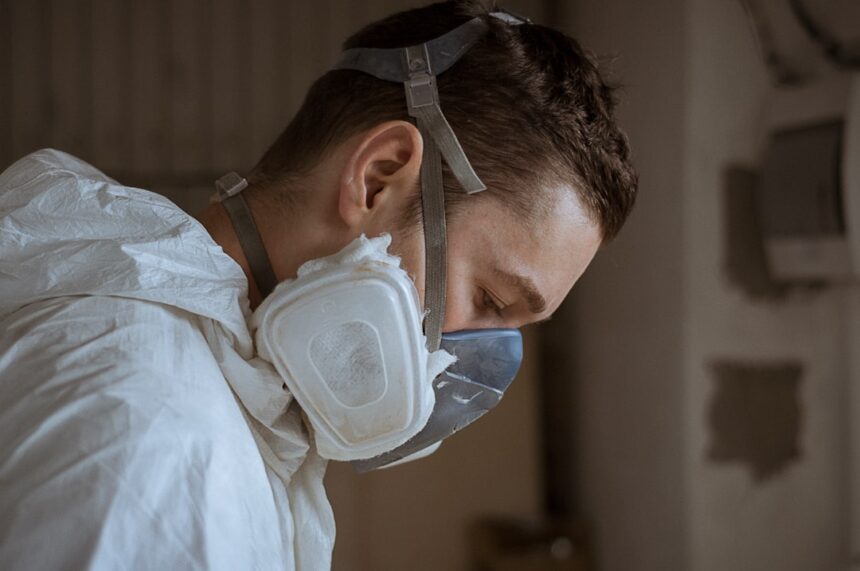
Automotive paint fumes cause serious respiratory damage — isocyanates in 2K clear coat trigger permanent asthma in exposed individuals. Body filler dust contains fine silica particles that cause silicosis. A quality respirator is the difference between safe DIY body work and permanent lung damage. This guide covers the specific respirators that provide proper protection.
Best picks for 2026
3M 6503 Half-Mask Respirator + P100 Cartridges
Reusable half-mask + P100 particulate + organic vapor cartridges. Handles paint fumes, body filler dust, and sanding.
Check Price on Amazon →3M 6800 Full Face Respirator
Full-face protection covering eyes + nose + mouth. Best for full-car painting where organic vapor exposure is prolonged.
Check Price on Amazon →MSA Advantage 200 LS Half-Mask
Half-mask. Compatible with standard P100 + organic vapor cartridges. Solid alternative to 3M.
Check Price on Amazon →3M 7502 Half-Mask + P100 + Organic Vapor Combo Kit
Complete respirator + cartridges + spare filters kit. Everything needed for auto body safety.
Check Price on Amazon →3M 60923 Organic Vapor + P100 Cartridge Pack
Pack of replacement cartridges. Change every 4-8 hours of paint work.
Check Price on Amazon →3M 2091 P100 Particulate Filter
P100 filter for sanding + body filler dust. 99.97% efficient at 0.3 micron.
Check Price on Amazon →Why standard dust masks don’t work
N95 dust masks
- Filter 95% of large particles
- NO organic vapor filtration (paint fumes, solvents)
- Poor face seal (allows fumes past mask)
- Not certified for chemical exposure
Verdict: Adequate for wearing at COVID risk but useless for paint work.
P95 dust masks
- Better than N95 for oil-based particles
- Still NO organic vapor filtration
- Insufficient face seal
P100 half-mask respirators (correct choice)
- P100 = 99.97% filtration of particles down to 0.3 microns
- Organic vapor cartridges filter chemical fumes
- Silicone face seal for proper fit
- Certified for chemical + particulate exposure
Understanding cartridge codes
P100 (particulate)
99.97% filtration of oil-based particles. For body filler dust, sanding, paint overspray droplets.
OV (organic vapor)
Absorbs solvent + paint fumes. For 2K paint, primer, thinner exposure.
OV/P100 Combo
Both in one cartridge. Essential for full painting protection.
Multi-gas (AG, CD, HF, CL)
Rarely needed for auto body work. Used in industrial chemical exposure.
Half-mask vs. full-face
Half-mask advantages
- Cheaper ($30-$80 without cartridges)
- Easier to breathe (less resistance)
- Compatible with prescription glasses
- Sufficient for most DIY body work
Half-mask disadvantages
- Eyes exposed to fumes + particles
- Adjustable seal but not perfect
Full-face advantages
- Complete facial protection
- Better seal (less leakage)
- Protects eyes from paint splash
- Anti-fog lens
Full-face disadvantages
- More expensive ($120-$300)
- Heat + fatigue during long work sessions
- Prescription glasses may not fit
When to use each
Half-mask sufficient for:
- Single-panel painting
- Body filler application + sanding
- Occasional paint work
- Well-ventilated garage
Full-face required for:
- Full-car painting
- 2K clear coat application
- Enclosed spray booth
- Isocyanate exposure risk
Cartridge replacement schedule
- Organic vapor cartridges: Replace every 4-8 hours of exposure OR when smell breakthrough occurs.
- P100 particulate: Replace when breathing becomes labored (10-40 hours depending on dust).
- Store in sealed bag when not in use. Otherwise, absorbers saturate with normal air.
Proper respirator fit
- Clean face (no beard, sideburns must be short)
- Adjust head + neck straps for firm but comfortable fit
- Perform seal test: Place hand over cartridge, inhale. Mask should collapse slightly. Exhale — no air escape around seal.
- Positive pressure test: cover exhalation valve, exhale gently. Should build slight positive pressure.
Common mistakes
- Using dust mask for paint work (no organic vapor filtration)
- Wearing over beard (breaks seal)
- Not replacing cartridges when they saturate
- Skipping seal check before each session
- Storing respirator in open air (accelerates cartridge saturation)
FAQ
What respirator do I need for auto body painting?
P100 + organic vapor cartridge on a half-mask (3M 6503) or full-face (3M 6800). Never a dust mask alone.
Are N95 masks OK for painting?
No. N95 filters particles only, no organic vapor filtration. Paint fumes bypass N95 masks.
How often should I replace respirator cartridges?
Organic vapor: 4-8 hours OR when you smell breakthrough. P100: 10-40 hours depending on dust exposure.
Half-mask or full-face for auto body work?
Half-mask adequate for single-panel + short exposure. Full-face for full-car painting + 2K clear coat.
Can I use a respirator with a beard?
No. Beards break the seal. Shave or use a beard-compatible full-face respirator with air supply.
Do respirators expire?
Yes. Cartridges: 5-year shelf life (unopened). Mask itself: replaces face seal every 2-3 years.
Bottom line
Match your budget to your usage level. All picks are proven in-stock on Amazon and represent good value at their price tier.