
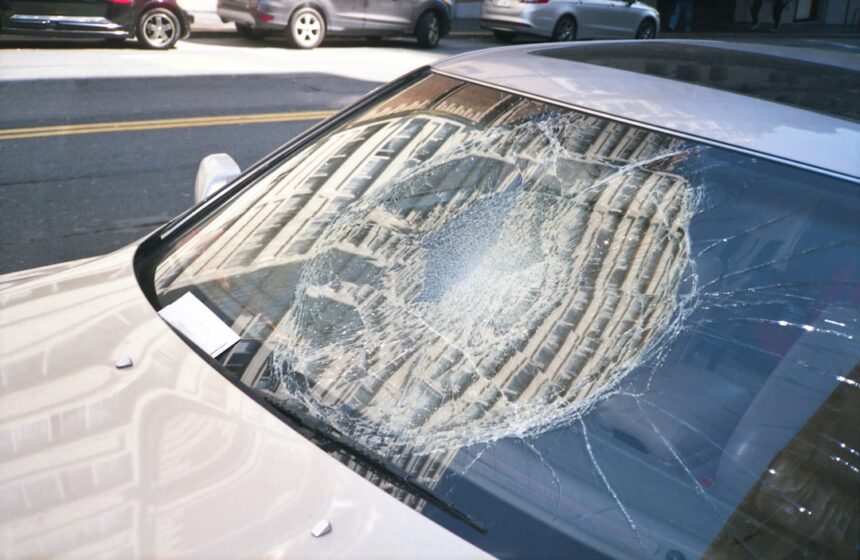

Car Hail Damage Repair can be an excellent way to boost the value and restore original condition of your vehicle, saving time and money from insurance company delays.
Some may hesitate to file an insurance claim or get their hail damaged car repaired because the damage appears less severe than they anticipated, but this is an error of judgment that should not be made lightly.
Paintless Dent Removal (PDR)
Recommended: fix small dents at home
Handpicked Amazon products relevant to this guide. Prices vary, links go to current Amazon listings.
After being struck by hail, your vehicle can sustain damage in the form of pea-sized and larger dents that obscure its original form. As soon as possible after such damage occurs, repairs should be attempted with Paintless Dent Removal (PDR), an effective way to restore metal back into place without fillers or paint being necessary – it also is much faster than conventional repair methods and can bring your vehicle back to its pre-storm state within hours!
Paying too much for auto insurance?
The average driver saves $840/year by comparing 3+ insurance quotes. Get instant quotes from top carriers in under 2 minutes.
Sponsored links. We may earn a commission if you request a quote at no cost to you.
PDR technicians utilize various tools to restore metal back into its original state. These may include metal rods, sharp picks, small hand tools and custom-made tools; tapping and suction techniques will then be employed to push out dent. Once completed, most dents are virtually undetectable – an astounding achievement from such an intricate technique which takes years of experience to master.
PDR typically costs less than replacement. To be certain, it’s advisable to discuss costs with your insurance provider as coverage may vary. When looking for quotes for PDR work, look for shops offering transparent pricing; avoid those charging unreasonable upcharges or fees (such as full repainting of just one panel).
Paintless Dent Repair (PDR) offers an alternative method of fixing hail damage; technicians use PDR to gently massage out dent, offering minimally-invasive repair solutions at up to $75 per dent. Prices typically range from $30-75.
Before beginning PDR, a technician must first gain access to the damaged area, which may involve disassembling body panels, taillights and other parts to create an accessible path to reach it. Once there, they can then use tools designed specifically to massage out dents in gentle increments.
PDR services will restore your vehicle to its pre-hailstorm state with impeccable precision, as well as safeguard its value by avoiding expensive replacements or refinishing.
Replacements
Hail damage may require full panel replacement; typically this process is carried out by body shops and can take significantly more time and money than PDR. Furthermore, you will incur both labor and material costs to complete this endeavor.
Dependent upon the extent of your damage, repair can take from a few days to several weeks to complete. PDR (painless dent removal) from a reliable shop is usually sufficient in restoring hail-damaged cars within days – typically only taking from drop off to pickup (assuming minimal damages exist). However, more extensive work such as replacing parts or painting may take longer.
If your vehicle has small dents that you want to repair yourself using glue pulling, the process could be useful. This technique involves heating the affected area before applying a piece of glue on its underside and using specialized tools to “pull” out dent from underneath panels using heat. Although time-consuming and often unsuccessful in certain instances, glue pulling can sometimes provide the best result.
Even minimal hail damage can significantly depreciate the value of your car, costing hundreds or even thousands in losses. Furthermore, buyers tend to shy away from purchasing vehicles with hail damage; thus it is wise to have it repaired as quickly as possible before trying to sell the vehicle. If selling is an option for you then repairing hail damage should become your top priority as soon as it occurs.
Your hail damage repairs must only be handled by a reliable technician, so only select companies and individuals that provide a transparent process and pricing structure, while reviewing reviews to identify qualified local technicians. It’s also wise to verify whether the technician chosen is licensed and insured so you know they will uphold industry standards while offering quality work at competitive rates – choosing wisely can save both money and headaches in the future!
Supplements
Hail can be devastatingly destructive to cars in many regions across the U.S. It causes dents and dings which diminish its appearance and reduce its resale value, especially small hailstones that measure less than an inch across. Small hailstones with diameters between one inch and four inches typically leave light-to-moderate dent damage, while larger ones can leave severe cracking of glass, mirrors or lights. Furthermore, size, speed, wind direction and temperature all play roles when it comes to how extensive damage occurs on your vehicle.
DIY kits may be available for minor dent repairs, but are not advised for vehicles suffering severe hail damage. Cracked windshields and broken windows require professional repairs as soon as they become apparent as these could pose safety risks, while body cracks could compromise structural integrity of vehicles.
As the first step of vehicle repair, dropping it off at your preferred repair shop should be the first step. Repair turnaround time depends on several factors including severity of hail damage, parts availability and insurance process – for an estimate on timing of repair completion be sure to ask the technician at that facility.
Once the repair has been completed, you will be provided with an invoice that details what panels received PDR, what parts were replaced, and any damage found and documented during supplemental estimates. You can submit this invoice directly to your insurance provider in order to cover additional repairs that were not initially covered – while also keeping this document for proof that any extra damage was addressed by their policyholders.
Supplements are an integral component of the insurance claim process. While insurance adjusters do their best to take note of everything on an initial inspection, it’s impossible for them to catch every last detail when dealing with complex damage such as hail. Supplements allow body shops to address any overlooked issues that were missed by their adjuster and ensure all necessary steps are taken to restore your vehicle to pre-storm condition.
Insurance
Hail damage to cars is a frequent occurrence during summer storms. Golf ball-sized hailstones can hammer your vehicle leaving unsightly blemishes and potentially compromising its structural integrity, necessitating repairs ranging from minor to major. Luckily, there are various repair options available for your car, truck or SUV to restore it back to its original condition and protect its resale value.
One of the biggest mistakes people make when addressing hail damage is to allow their insurance provider to dictate all decisions. Doing this is often costly because insurance companies have their own interests at heart – not yours – in mind and often look for ways to limit payouts which leaves thousands out-of-pocket for you.
Once you file an insurance claim for hail damage, an adjuster will send someone out to assess it and give a written estimate. We suggest selecting a shop with experience working with insurance providers that knows what it takes to complete the task properly.
When choosing a shop, be sure to ask about their methods and practices as well as for references and reviews from previous clients. Positive feedback and working with multiple insurance companies indicate they know what they’re doing when it comes to this type of work.
After filing your insurance claim, the next step should be finding a shop to complete the repairs. Experienced shops should know exactly how best to manage insurance claims.
If you prefer not to deal with an insurance company directly, another option would be taking your damaged car directly to a body shop that works directly with them and handles everything for you. Unfortunately, this option will likely cost more and result in higher deductibles.