
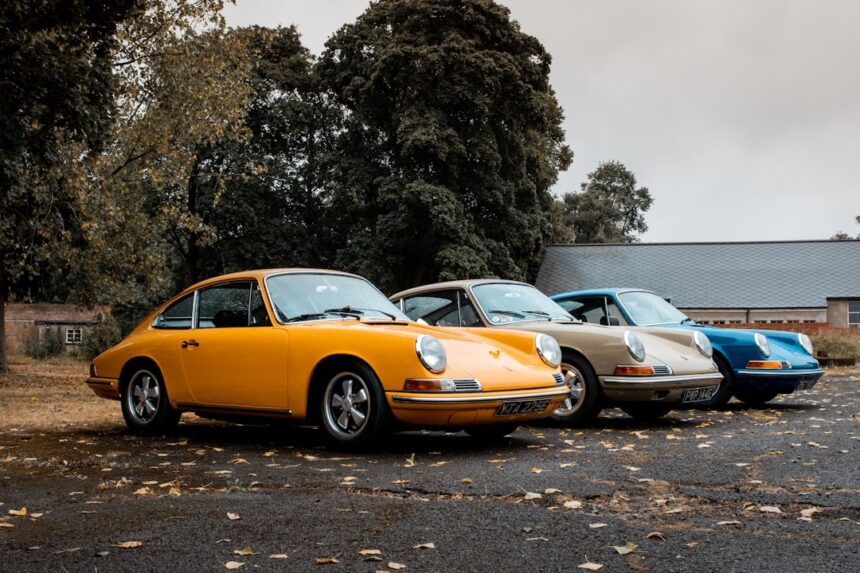
If you have an appreciation for classic cars and enough spare cash, restoring one could be the perfect hobby. First step should be creating an extensive restoration plan.
Your choice in body and model restoration reveals much about yourself and should reflect who you are as an individual. Make sure to do your research thoroughly and plan for any unexpected costs associated with any expenses you might incur during the restoration process.
The Basics
Recommended: headlight restoration kits
Handpicked Amazon products relevant to this guide. Prices vary, links go to current Amazon listings.
Car restoration can be an enormously complex and time-consuming task that will require many hours and resources to accomplish successfully. To prepare, it is vital that you conduct extensive research into the process and have an honest assessment of what you can realistically achieve with limited spare time and budget. Furthermore, having an ideal workspace with plenty of light and the correct tools is paramount – you will require numerous pieces of equipment as well as parts so it is wise to plan out and organise before starting this endeavor. Having a designated area will keep you focused and prevent last minute decisions that might regretful – an ideal workspace with plenty of light will help keep motivation at bay!
Record keeping systems should also be implemented, whether this means taking notes, photos and videos or even drawing diagrams of dismantle process and subsequent assembly process. Doing this will make reassembly much smoother and less time consuming – plus planning out how best to disassemble vehicle so as to optimize time and tools!
Consider your motivations when embarking on your restoration project, such as sentimental or historical reasons or to sell at auction or classic car shows. Your motive will help guide the type of car and amount spent restoring it – Hagerty’s Classic Car Value Guide can provide both excellent condition price information as well as restoration cost.
Once your car has been restored, make sure you take it for a test drive to see if all its engine, brakes and electrical components are working optimally. If any issues arise during this step, discuss them immediately with professionals who specialize in these fields.
Restoring classic cars can be both fascinating and complex process, yet highly rewarding. By employing expert knowledge and using quality tools, vintage gems can be brought back to life and enjoyed driving again. When considering car restoration as a project of your own, keep these factors in mind as well as don’t hesitate to seek assistance from professionals when needed!
The Aesthetics
Car restoration can be seen as an art form; it takes both time and effort to achieve perfect results, yet when completed successfully can be truly rewarding. To get started on this process, the first step should be assessing your car and setting restoration goals; this helps determine its scope of work as well as your budget – without this plan you could end up spending more than anticipated or facing unexpected roadblocks along the way.
Once your plan is in place, it’s time to put it into action. An essential aspect of this phase is assessing the condition of your vehicle and identifying which parts need replacing or repairing. Furthermore, make sure you gain a good knowledge of its history – including any special features or variations which could prove essential for properly restoring it.
Finding quality pieces compatible with your classic car can be challenging, but there are numerous resources available to you to assist in finding what you need for restoration projects. A reputable car club might also provide invaluable advice as many members have experience as restorers and can give insight into what makes an excellent part.
After you’ve completed the mechanical portion of your restoration project, you should turn your attention to its cosmetic aspects. This should include stripping away old paint and body panels from the vehicle as well as sanding down and painting its chassis in colors appropriate to its historical period. Once this step has been completed it’s time to reassemble your vehicle – this can be quite a challenging process depending on its scale and number of parts being restored back together seamlessly with one another; expert assistance in your team may save many headaches and ensure you achieve results as close to original as possible.
The Technology
Car restoration involves using different techniques. While some are more accurate than others, all depend on various factors to achieve desired aesthetic results. Paints and finishes play a pivotal role in producing authentic looking restored vehicles; older vehicles may actually look better with original imperfections rather than polished finishes that restorers prefer these days.
No matter the method chosen for restoration projects, each should begin with a comprehensive plan outlining all steps and materials necessary for completion on time and within budget. This ensures the project runs smoothly from start to finish.
Researching parts can be particularly crucial for projects requiring extensive research or the use of rare parts, like restoring a 1963 Corvette from limited production runs; similarly, using reconditioned components instead of brand new ones may present obstacles in progressing with certain projects.
Considerations when creating a car restoration plan should also include its intended use; those who plan to drive their restored vehicle might prefer something closer to its original form, while those selling at auction might prefer more contemporary styling features.
Restoration involves assembling all the parts back together and carefully detailing it for display and public sale. This may involve reassembling engine, transmission and interior features as well as replacing any damaged components. Finally, polishing and waxing give it its showroom quality finish.
Automotive restoration can be an incredibly fulfilling experience for anyone passionate about cars with the skillset needed for restoration. Although learning car restoration on your own may be challenging, luckily there are plenty of helpful resources available such as books like Skinned Knuckles or Practical Classics and online tutorials, helplines, and training programs available that can assist in getting you underway.
The Profit
Classic car restoration businesses can be profitable endeavors with the proper strategy in place, yet profits may be diminished by high initial expenses and meeting customer expectations. For long-term success, workshop owners must carefully consider all of these aspects and make adjustments that maximize profit maximization.
Step one in ensuring a profitable restoration project is understanding its motivations: driving it themselves or selling it at auction for profit? Or is the vehicle being restored simply for sentimental or historical value or rally participation? Whatever its motivation may be, it’s essential that restorers be realistic about how much time and money their project requires, with set timelines.
As with any purchase, it is also crucial that the vehicle be acquired at a fair price and repaired thoroughly enough for resale in excellent condition. Hagerty valuation tools can assist in identifying a fair purchase price as well as calculate how much needs to be invested into its restoration in order to generate a profit at the end.
Workshops can increase their profits by negotiating favorable pricing with suppliers and controlling materials, labor, utilities and overhead expenses. They may also promote their services via social media and networking events in order to reach new customers.
Finally, it is vitally important that workshops build a stellar customer service and loyalty among their customer base. This can be accomplished through communicating regularly with customers throughout the process and promptly responding to any concerns or inquiries that arise. Workshops that deliver quality work on time and within budget can anticipate receiving referrals that lead to increased profits.
Overall, operating a classic car restoration business can be both rewarding and profitable for those with the skills and knowledge to succeed. By adhering to these tips and adjusting strategies to reflect industry trends, workshops can minimize startup costs while increasing long-term profitability. By targeting high demand vehicles while simultaneously managing expenses and providing superior customer service, substantial profits may be realized in this lucrative field of restoration.