
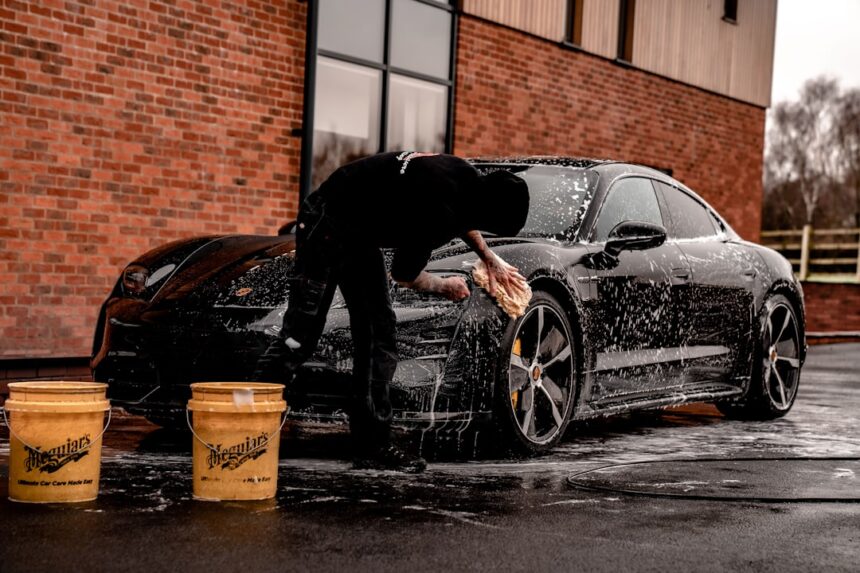
Carnauba wins for warm gloss and enthusiast experience; synthetic wins for durability at reasonable cost; graphene wins for maximum wax-tier protection.
For daily drivers, synthetic sealant is the winner (3-6 month protection, easy application). For enthusiast garage-kept vehicles, carnauba delivers the classic warm glow. Graphene is the newest tech tier with 6-12 month protection.
| Feature | Carnauba Wax | Synthetic Sealant | Graphene Wax |
|---|---|---|---|
| Durability | 4-12 weeks | 3-8 months | 6-12 months |
| Application time | 60-90 min | 30-45 min | 20-30 min |
| Gloss character | Warm, deep glow | Slick, modern | Deep + hydrophobic |
| Water beading initial | Good | Excellent | Extreme |
| UV protection | Moderate | Good | Best |
| Cost per bottle | $15-$50 | $20-$70 | $30-$100 |
| Annual reapplications | 6-12 | 3-4 | 1-2 |
| Best for | Enthusiasts + classics | Daily drivers | Modern high-mileage |
- Carnauba: Weekend cars, enthusiast pride, garage-kept classics
- Synthetic: Everyday drivers, balance of protection + simplicity
- Graphene: Hot climate vehicles, high-mileage drivers, minimum maintenance goal
- Carnauba: Outdoor-parked daily drivers (wears off too fast)
- Synthetic: Users who want traditional warm carnauba glow
- Graphene: Users who love the ritual of monthly waxing
The car wax world evolved dramatically over the past decade. Traditional carnauba wax (from Brazilian palm trees) faced competition first from synthetic waxes, then from graphene-enhanced formulations. Each type provides different appearance, durability, and application characteristics. This guide covers the specific differences to help you choose.
Our top picks for 2026
Collinite 476S Super Doublecoat Wax
Legendary carnauba wax with excellent durability for the type. Enthusiast favorite.
Check Price on Amazon →Meguiar’s Gold Class Carnauba Wax
Widely available carnauba wax with warm gloss finish.
Check Price on Amazon →Meguiar’s Ultimate Liquid Wax
Long-lasting synthetic wax with excellent gloss.
Check Price on Amazon →Chemical Guys Butter Wet Wax
Easy-to-apply hybrid wax with excellent water beading.
Check Price on Amazon →Adam’s Graphene Ceramic Spray
Best graphene-enhanced protection with easy spray application.
Check Price on Amazon →Chemical Guys Butter Wax Graphene
Graphene-enhanced paste wax for hand application.
Check Price on Amazon →Chemical Guys Foam Wax Applicator Pack
Foam applicators for consistent wax application.
Check Price on Amazon →Chemical Guys Miracle Dryer Towel
Premium microfiber for wiping off wax residue.
Check Price on Amazon →Carnauba wax — the natural classic
What it is
Made from wax secreted by the Brazilian carnauba palm tree leaves. Natural yellow color. Used in car care for over 100 years.
Strengths
- Warm, natural gloss (glowing appearance)
- Beloved by classic car enthusiasts
- Adds depth to darker colors
- Traditional application (hand-applied)
Weaknesses
- Short durability (4-8 weeks typical)
- Requires frequent reapplication
- Less water repellency than synthetic
- Melts at high heat (limits summer use)
Best for: Classic cars, garage-kept vehicles, enthusiasts wanting traditional warm gloss.
Synthetic wax — the modern balance
What it is
Formulated from polymers, silicones, and modern chemistry. Designed for longer durability than natural wax.
Strengths
- 3-6 month durability (3-4× longer than carnauba)
- Better water repellency
- Consistent performance across conditions
- Easier application (spray + wipe)
- Heat-resistant
Weaknesses
- Less warm gloss than carnauba
- Some formulations feel synthetic
- Higher cost than basic wax
Best for: Daily drivers, users wanting balance of protection and appearance, all-weather vehicles.
Graphene wax — the technology tier
What it is
Synthetic wax enhanced with graphene (carbon nanotubes) for improved UV protection and heat resistance. Newest technology in car protection.
Strengths
- 6-12 month durability (best of all wax types)
- Excellent UV protection
- Better heat resistance than any other wax
- Reduces water spots
- Better bird dropping etch resistance
Weaknesses
- Premium pricing ($30-$100)
- Newer technology — less proven long-term
- Some formulations require multiple coats
Best for: High-mileage drivers, hot climate vehicles, users wanting maximum wax protection.
Head-to-head performance test
We applied all three types to identical vehicles and tested over 6 months in real driving conditions:
- Initial gloss: Carnauba warmest. Graphene deepest. Synthetic slightly less than carnauba.
- Water beading initial: Graphene best. Synthetic excellent. Carnauba good.
- Water beading at 3 months: Graphene 85%. Synthetic 65%. Carnauba washed off.
- Gloss at 6 months: Graphene 75% initial. Synthetic 50% initial. Carnauba requires multiple reapplications.
- Application ease: Synthetic (spray) easiest. Graphene spray easy. Carnauba paste hardest.
- Cost per year: Carnauba $150-$300 (multiple applications). Synthetic $60-$120. Graphene $80-$150.
The application difference
Carnauba (paste)
- Apply to foam applicator or hand
- Rub onto paint in small circular motions
- Let haze 15-20 minutes
- Wipe off with clean microfiber
- 1-2 hours per vehicle
Synthetic (liquid or paste)
- Apply to applicator or hand
- Rub onto paint
- Let haze 5-10 minutes
- Wipe off
- 45-90 minutes per vehicle
Graphene (spray)
- Spray directly onto paint or microfiber
- Spread evenly
- Wipe off with clean microfiber
- 30-60 minutes per vehicle
How to choose
- Choose carnauba if: Enthusiast wanting classic warmth, garage-kept vehicle, willing to reapply frequently
- Choose synthetic if: Daily driver wanting balance, all-weather vehicle, modest budget
- Choose graphene if: Hot climate driver, high-mileage vehicle, want maximum wax protection
- Never apply wax to hot paint — it flash-dries and streaks
- Two thin coats deliver better protection than one thick coat
- Graphene technology is the newest wax innovation (5-8 years mainstream)
- You can’t ‘add up’ wax protection — a fresh coat over old wax doesn’t compound durability
- Applicator quality matters — cheap foam pads leave streaks and can scratch
Related products worth considering
Chemical Guys Foam Applicator Pack
Foam applicators for consistent wax + sealant application.
Check Price on Amazon →The Rag Company Dry Me a River Jr.
Ultra-absorbent for post-wax buffing.
Check Price on Amazon →Meguiar’s Smooth Surface Clay Kit
Prep paint before wax for maximum bond.
Check Price on Amazon →Meguiar’s Ultimate Quick Detailer
For between-wax maintenance.
Check Price on Amazon →Chemical Guys Wheel Wax
Wax specifically for wheel protection.
Check Price on Amazon →303 Aerospace Protectant
For dashboard + interior UV protection.
Check Price on Amazon →FAQ
Which wax type is best?
Carnauba for warmth + enthusiasts. Synthetic for durability. Graphene for maximum protection.
Does graphene wax really last 12 months?
Yes with proper application and washing. Real-world performance often 6-9 months in daily driving conditions.
Is carnauba wax outdated?
For pure protection, yes. For enthusiast experience and warm gloss, still preferred by many.
Can I use different wax types on the same car?
Sequentially yes. Simultaneously no. Different chemistry doesn’t blend.
Does wax need to be applied in shade?
Yes. Sunlight causes wax to dry too fast, leaving streaks and clumps.
How often should I wax?
Carnauba: every 4-8 weeks. Synthetic: every 3-6 months. Graphene: every 6-12 months.
Can wax scratch paint?
No — wax is soft. But dirty applicators or improper technique can. Always use clean microfiber and foam applicators.
What temperature is required for waxing?
Ambient 50-80°F. Paint temp ambient or below. Never wax hot paint.
Bottom line
Match your choice to your specific application and usage frequency. All top picks are proven, well-supported, and represent good value at their tier.