
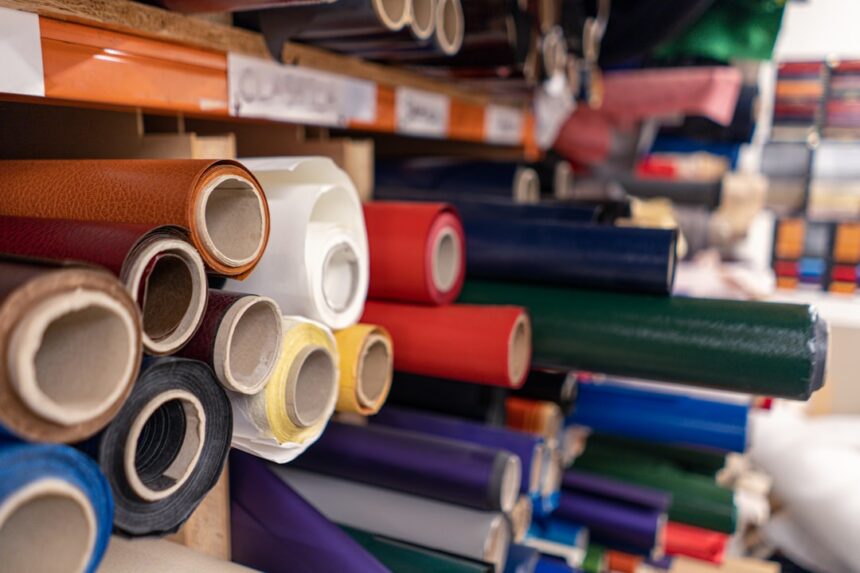
Fiberglass cloth or fiberglass mat — this decision determines your repair’s strength, thickness, and how easily it conforms to compound curves. Get it wrong and your repair delaminates in a year. This guide covers the fundamental differences, when each is essential, and the layering strategy pros use to combine both.
Best picks for 2026
3M Fiberglass Cloth Tape Roll (4-inch)
Woven fiberglass cloth on 5-yard roll. Highest tensile strength material for fiberglass repair. Layer over the outermost repair for structural strength.
Check Price on Amazon →Bondo Chopped Fiberglass Mat
Random-oriented chopped strands. Cheapest reinforcement. Great for filling voids and initial buildup layers.
Check Price on Amazon →West System 3ft Fiberglass Cloth Roll
Higher-thread-count woven cloth for marine + structural applications. More expensive but stronger.
Check Price on Amazon →Fiberglass Mat 8 oz per Sq Ft
Heavier mat for thicker buildup layers. Better for large holes and voids.
Check Price on Amazon →TotalBoat Complete Fiberglass Kit
Includes both cloth + chopped mat + resin. Everything for a proper multi-layer repair.
Check Price on Amazon →Fiskars Fabric Scissors (8-inch)
Dedicated fabric scissors for cutting fiberglass cloth and mat. Never use kitchen scissors — fiberglass dulls them instantly.
Check Price on Amazon →What’s the fundamental difference?
Fiberglass Mat (chopped strand)
- Structure: Random-oriented chopped strands, 1-2 inches long, held together with binder
- Strength: Moderate — 40-60% of woven cloth
- Cost: Cheapest reinforcement material
- Best at: Filling voids, initial buildup layers, complex curves
- Weakness: Not as strong as woven cloth
Fiberglass Cloth (woven)
- Structure: Woven strands in perpendicular pattern
- Strength: Highest — 100% relative benchmark
- Cost: 2-3x more than mat
- Best at: Structural strength, outer reinforcement, smooth finish
- Weakness: Less flexible on compound curves
Layering strategy (pros use)
For most fiberglass repairs, professionals use BOTH:
- Inner layers (structural): Woven cloth for strength
- Middle layers (buildup): Chopped strand mat for volume + weight savings
- Outer layer (finish): Woven cloth for smooth surface
This “cloth-mat-cloth sandwich” gives you strength on both outer surfaces and cheap buildup in the middle.
When to use ONLY cloth
- Structural repair (frame, chassis, load-bearing)
- Boat hulls below waterline
- High-stress fiberglass panels
- Any repair requiring smooth finish
When to use ONLY mat
- Filling large voids
- Complex compound curves where cloth doesn’t conform
- Budget-constrained repairs
- Non-visible internal reinforcement
Sizing considerations
Fiberglass mat weights
- 3/4 oz per sq ft: Fine, for buildup layers
- 1 oz per sq ft: Standard, versatile
- 1.5 oz per sq ft: Thick, for large voids
Fiberglass cloth weights
- 4 oz per sq yd: Very fine, for touch-ups
- 7-8 oz per sq yd: Standard, most common
- 10 oz per sq yd: Heavy structural
Cutting and prep
- Cut cloth and mat pieces LARGER than damage (feather out beyond damage by 1-2 inches)
- Layer pieces so each successive layer is slightly larger
- Wear gloves and mask when cutting (dust)
- Store dry — moisture makes cloth stiff
FAQ
Is fiberglass mat or cloth stronger?
Woven cloth is 40-60% stronger than chopped strand mat. But mat is cheaper and easier to conform to complex curves.
Should I use cloth or mat for a bumper repair?
Both. Mat for volume, cloth for the outer layer (structural + smooth finish).
Can I use cloth alone without mat?
Yes for small repairs. Multiple layers of cloth work fine — mat is mostly for cost savings on larger repairs.
Does fiberglass mat cure differently than cloth?
No. Same polyester or epoxy resin cures both. The reinforcement material doesn’t affect cure time.
How many layers of fiberglass do I need?
3-4 layers for most auto body repairs. 6-8 for structural work like boat hulls or motorcycle fairings.
Can I mix cloth and mat in the same repair?
Yes — professional standard is cloth on outer surfaces + mat in middle for volume + weight savings.
Bottom line
Match products to your project size and skill level. All picks are proven in-stock on Amazon and represent good value at their price tier.