
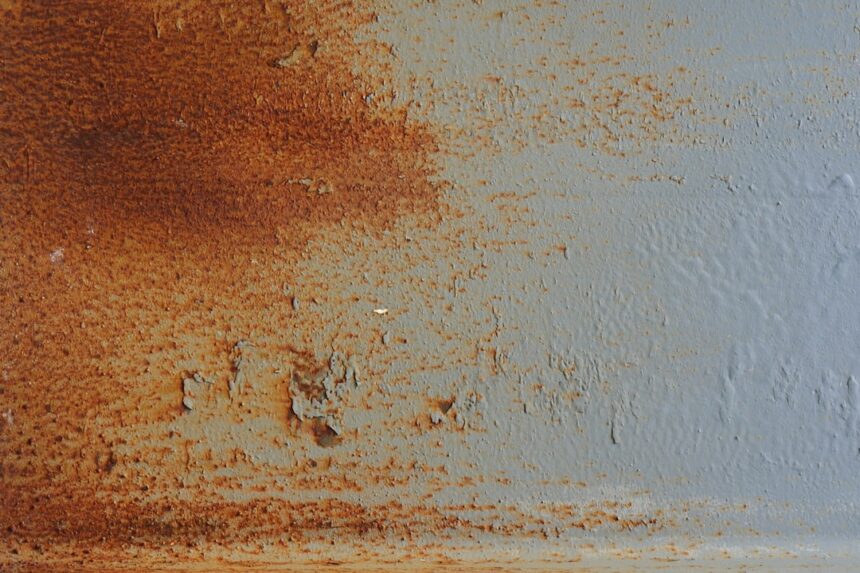
Fiberglass patching is a legitimate alternative to metal welding for repairing rust holes in car body panels. Not always the ideal method — metal welding is stronger and factory-authentic — but for older vehicles, rocker panels, wheel wells, and non-structural areas, fiberglass repair delivers years of durable service at DIY cost. This guide covers when fiberglass rust repair works, when it doesn’t, and how to execute it properly.
When fiberglass rust repair is appropriate
- Non-structural body panels: Rocker panels, wheel well arches, quarter panels, floor pans (non-load-bearing).
- Older vehicles (10+ years): Where repair-to-value ratio favors DIY over shop welding.
- Rust holes under 4 inches: Larger holes need cutting and metal patching.
- Areas not visible from outside: Fiberglass patches are structurally sound but visible edges show under paint.
- Rust-through in wheel wells: Common location where fiberglass works well.
When to weld metal instead
- Frame or structural components — always metal welding required
- Load-bearing panels (rocker panels supporting jacking points)
- Late-model vehicles under warranty
- High-visibility exterior areas where fiberglass edges will show
- Where safety systems mount (airbag sensors, seatbelt attachment)
The fiberglass rust patch process
- Assess damage extent — including hidden rust behind panel
- Cut out all rust with clean edges — grinding disc or reciprocating saw
- Treat surrounding metal with rust converter to prevent recurrence
- Fabricate backing patch from sheet metal or aluminum tape for structural support
- Cut fiberglass cloth patches — smallest at deepest, progressively larger
- Apply resin + cloth layers — 3-5 layers standard for durability
- Let cure 24-48 hours
- Sand smooth with progressive grits (80 → 220)
- Apply body filler to smooth surface (skim coat over fiberglass)
- Sand smooth (220 → 400), prime, paint, clear coat
Preventing rust recurrence
Fiberglass patches don’t rust, but they trap moisture against surrounding metal — accelerating rust in adjacent areas. Prevention:
- Treat all bare metal edges with rust converter before applying fiberglass
- Seal edges of fiberglass patch with self-leveling seam sealer
- Apply undercoating to inside of panel to prevent moisture entry
- Ensure drainage — trapped water is the main cause of rust return
Best products
Bondo Fiberglass Rust Repair Kit
Complete kit specifically for rust patch repair — includes cloth, resin, and body filler.
Check Price on Amazon →POR-15 Rust Converter
Essential for treating surrounding metal before applying fiberglass. Prevents rust recurrence.
Check Price on Amazon →Fibre Glast Aluminum Mesh
Structural backing for larger rust patches. Rigid support during layup.
Check Price on Amazon →Bondo Body Filler
Skim coat over cured fiberglass for smooth surface preparation.
Check Price on Amazon →3M Rubberized Undercoating Spray
Interior panel spray to prevent moisture and rust recurrence.
Check Price on Amazon →DeWalt DWE402 Angle Grinder
Cutting rust and grinding edges before patching.
Check Price on Amazon →FAQ
Is fiberglass rust repair as good as welding?
Not as strong for structural applications, but durable for non-structural body panels. Delivers 5-10+ years of service if properly executed.
Can I fiberglass a rusted floor pan?
For non-structural sections yes. Where the floor supports seat mounting or jack points — no, weld a metal patch instead.
Will the fiberglass repair show under paint?
If prep is thorough (body filler + progressive sanding + primer), no. Amateur repairs often show slight ridges where fiberglass edges are.
How long does a fiberglass rust patch last?
5-15+ years if properly sealed and undercoated. Rust recurrence is the main failure mode — prevention is essential.
Related resources
For general fiberglass techniques, see our complete fiberglass DIY guide.