
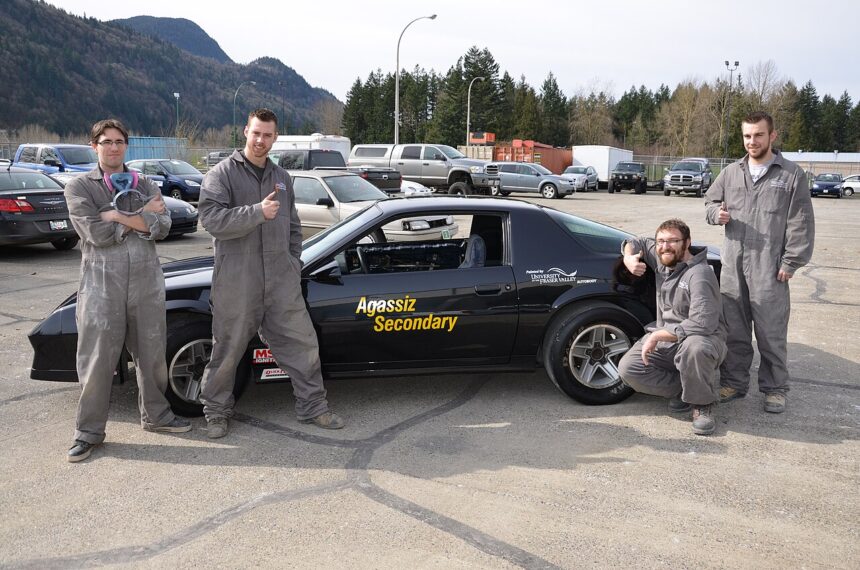

Collision Repair is the process by which trained automotive technicians restore vehicle bodies damaged by accidents to their original state, such as by repairing damage, painting the car and providing detailing services.
At first, a complete evaluation is undertaken, so technicians can find any hidden issues which might compromise safety or performance of the vehicle.
Disassembly
Disassembly is one of the essential activities performed to remanufacture and repair out-of-service products, helping increase sustainability, economic value, and social benefits. This process usually includes separation, cleaning, repair replacement and inspection steps – although knowing how to disassemble computers will give you greater insight into its inner workings as well as potentially saving money by becoming self-sufficient with repairs or replacement parts yourself.
If your vehicle has been involved in an accident, its appearance will likely show visible damage such as bent metal, shattered glass, displaced body panels and broken mechanical parts. But even seemingly minor collisions may cause hidden damage that requires disassembly and inspection to uncover.
At this stage, technicians will inspect damaged areas to identify any additional work that needs to be completed and to create an estimate that includes parts and labor costs. It is an integral step that allows technicians to take a close look at the vehicle’s internal structures to ensure all damage has been properly repaired.
After repairs have been completed, the vehicle will be prepared for painting with sanding, priming and masking before receiving a high-quality finish. Once this process has taken place, all reassembled collision repair vehicles undergo quality control inspection to make sure all components are functioning optimally and that the paint job is flawless.
At this stage, any problems discovered with the car will be repaired before test driving to ensure everything is working as it should before returning it to its customer. This final step ensures a satisfactory customer experience when receiving their vehicle back from us.
Accident repairs can be stressful, so selecting a reputable shop with the skills and tools needed to fix your car quickly. By receiving proper advice and care from experienced staff members, your car will soon return to its original state!
Paint
Car paint not only protects, but also enhances, the body of your vehicle aesthetically. Not only does car paint give your car an individual touch; it plays an essential role in collision repair process as well. Car accidents can leave damaged axels and cracked windshields. Therefore, choosing a reputable body shop is paramount when it comes to repair services for your vehicle.
As part of their repair process, body shops will prepare your vehicle for painting by masking damaged areas and sanding to prepare for priming. Once this step has completed, they’ll then apply base and clear coats. Adding an extra clear coat helps protect it against moisture damage as well as other elements which could compromise its paint job.
Once all mechanical and frame repairs have been completed, your car will be ready for painting. A1 Collision will mix custom color-match paint to replicate its original shade; A1 Collision will test this match on a small section of your vehicle for accuracy before painting over any damaged spots on its bodywork.
Car paint jobs serve more than aesthetic purposes; they protect metal components and ensure that your vehicle stays looking new for longer. A1 Collision uses Glasurit 90 Line Waterborne paint which offers both durability and long-term warranty coverage, giving A1 Collision an edge in collision repairs.
Be sure to ask about their warranties when selecting a shop for collision repair. Many shops participate in direct repair programs with auto insurance companies which require them to adhere to certain standards such as repair techniques, parts and materials used, warranty coverage and billing practices in exchange for their business being referred by insurance. It’s wiser to find an accident center which offers written guarantees in case you are unhappy with their work.
Collision repair can be an arduous task, so it is vital that you take your time in selecting an accredited shop. An excellent facility will be willing to accommodate your concerns and address any inquiries about their process.
Reassembly
No matter the condition of your car, whether it be damaged in an accident or simply needs cosmetic fixes, professional collision repair shops offer essential restoration services. Their goal goes beyond simply fixing dents; their goal is to enhance your driving experience; for this reason it’s essential that you find one which takes the time and care necessary for quality results.
Step one involves prepping damaged areas for bodywork and paint applications. Technicians will grind, sand and mask off affected areas, protecting parts from overspray. Once this step has been completed, a technician will apply primer and paint.
Once your vehicle is painted, it’s ready for assembly. At this stage, your insurance provider and repair shop will collaborate to establish costs and scope of repair, ensuring all damages are covered under your policy’s coverage terms and repairs meet them.
Reassembly involves reassembling all parts that were taken apart during production, from hoods and body panels to windows and mirrors. Reassembly works much like putting together a puzzle, where pieces must be put back into their proper places so as to form coherent data packets; without it, end systems would have to be left deciphering disjointed data that requires decoding like trying to piece together an unfamiliar jigsaw puzzle.
Once all bodywork and paint have been completed, your auto body shop will conduct a final inspection before handing back your vehicle. This gives you the chance to examine their work to ensure it meets your standards, while they also provide an itemized list of repairs and parts costs so you can rest easy knowing your money spent was well-spent. In addition, this gives you a chance to discuss with them any additional work you want or require; they’re happy to accommodate you!
Quality Control
Collision repair shops must go beyond simply maintaining structural integrity to also restore your vehicle to its original look. That is why quality repairs don’t just involve fixing paint jobs or replacing bumpers; rather, quality work must provide confidence back into your ride.
Once technicians have performed their initial assessment and purchased any necessary parts, they begin the restoration of your car back to its pre-accident condition. This requires careful planning and attention to ensure a seamless transition from evaluation to repair.
At this stage, technicians reshape your body panels and fenders to match the factory dimensions of your vehicle for optimal fitting. In addition, they inspect for hidden issues that might not be evident upon visual inspection and then prepare panels for painting with top coat and clear coat for greater adhesion and adhesion.
Many collision repair shops use a quality control checklist as part of their quality management plan, giving accountability for each step in the repair process and assuring all repairs are completed accurately. A supervisor or manager should conduct this inspection for every step in the repair process, with weekly reviews of these inspections helping identify performance problems, efficiency gains and training opportunities.
Coordination between you and your insurance provider is the next step in the repair process, which includes an approval process designed to match costs, scope, and any deductibles with your policy. This step is integral in keeping your vehicle intact while guaranteeing all repair aspects are covered under its insurance.
Implementing these steps may seem tedious, but they will help eliminate errors and ensure each repair is carried out effectively, saving time, improving customer loyalty, and ultimately increasing profit.
Adopting quality as your top priority can help build and strengthen relationships with customers, techs and insurance companies alike. Furthermore, this strategy can give your business an edge in terms of profit margins and referrals – not to mention meeting or exceeding customers’ expectations! Following these guidelines ensures you can meet and surpass them!