
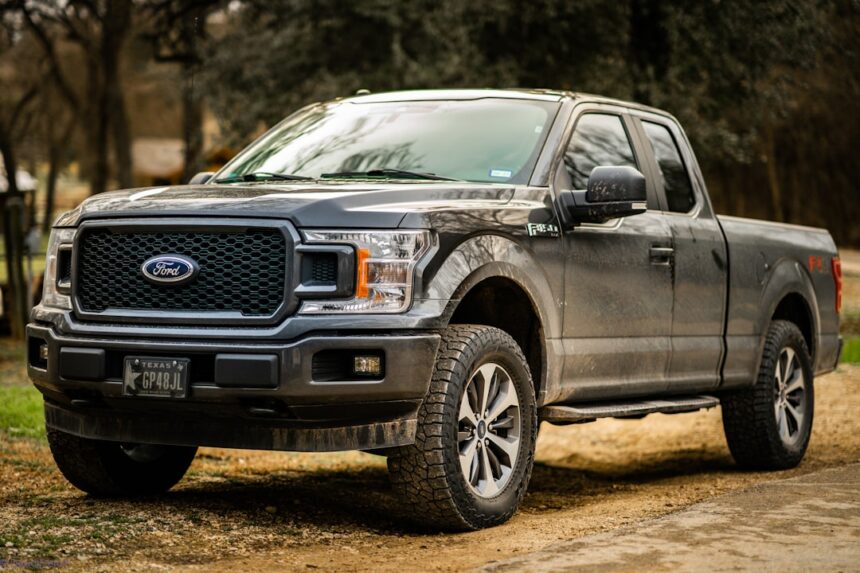
The Ford F-150 Lightning is an aluminum-body electric truck, and collision repair on it is nothing like fixing a standard F-150. Aluminum body panels, a 1,800-pound battery pack under the floor, and mandatory high-voltage safety protocols push repair costs 40-70% higher than a gas F-150 with identical damage.
Real Lightning Repair Costs (2026)
Recommended: DIY products that save shop money
A body shop charges $150-$650 minimum. If your damage matches any of these categories, a $15-$60 Amazon product handles it in an afternoon.
| Repair | Gas F-150 | Lightning |
|---|---|---|
| Front bumper + grille | $1,800-2,800 | $3,500-5,200 |
| Aluminum door replacement | $2,200-3,500 | $3,800-5,500 |
| Truck bed panel replacement | $3,000-4,800 | $5,200-7,800 |
| Battery pack inspection (mandatory after any structural hit) | N/A | $800-1,500 |
| Full battery pack replacement | N/A | $28,000-40,000+ |
Why Lightning Repairs Cost More
Aluminum Requires Different Everything
The Lightning shares its aluminum body with the standard F-150 — but the certified Ford collision repair shops need dedicated aluminum work areas, separate tooling, dust extraction, and cross-contamination protocols. Fewer than 300 Ford collision centers nationwide are Lightning-certified.
Battery Pack is the Structural Floor
Unlike gas F-150s, the Lightning’s battery pack IS part of the vehicle’s structural floor. Any hit that could bend or pierce the pack requires a full inspection with insulation testing, thermal imaging, and coolant loop pressure testing. If the pack casing is even slightly compromised, insurers usually total the truck — a new pack costs more than the truck itself in many trim configurations.
High-Voltage Safety Protocols
Ford requires certified technicians to de-energize the 400-volt system before any body work. This adds 2-4 labor hours per repair job.
Insurance Considerations
Lightning insurance runs 25-45% higher than a gas F-150. If you’re financing or leasing, gap insurance is essential — Lightning depreciation was aggressive in 2024-2025 as Ford cut MSRPs mid-cycle.
What to Watch For After a Collision
- Range loss: Any collision that stresses the battery frame can reduce usable range by 5-15%. Have this measured before signing off on the repair.
- Charging faults: DC fast-charge sessions after a repair can reveal hidden battery management system faults not visible at slow AC charging.
- Autopilot/BlueCruise recalibration: Front bumper and windshield replacement require ADAS recalibration ($500-900).
Should You Use Ford Certified vs. Local Shop?
For any hit that touches the battery pack, aluminum structural rails, or the high-voltage system — only use Ford Lightning-certified. Non-certified shops that attempt structural work void your battery warranty AND your insurance may deny future claims. For cosmetic panel work only, an I-CAR certified aluminum shop is acceptable.
Related Guides
Related Guides
Related guides you may find useful
Explore more content from our body-work and DIY-repair library.