
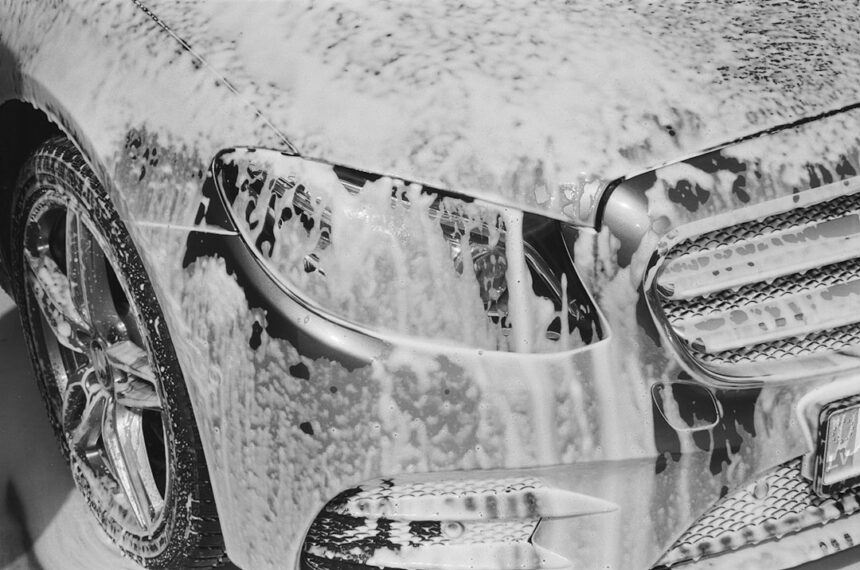
Water spots come from mineral deposits (calcium, magnesium, iron) left when water evaporates. Fresh water spots wipe off easily. Baked-on mineral deposits require chemical or mechanical removal. Etched water spots (damaged clear coat) require polishing.
The Three Types of Water Spots
Type 1: Fresh Water Spots (Cosmetic Only)
Recent water evaporation, minerals still on surface. Wipe off with quick detailer + microfiber. No damage to paint. Cost: $0-15 in products.
Type 2: Mineral Deposits (Bonded to Clear Coat)
Water evaporated multiple times, minerals now bonded to clear coat surface. Requires chemical removal or clay bar. Doesn’t damage paint but is stubborn.
Type 3: Etched Water Spots (Actual Paint Damage)
Minerals sat on paint through multiple heat + cool cycles, chemically etching clear coat. Requires polishing to remove. Very stubborn cases need clear coat respray.
Best Products by Water Spot Type
Fresh Water Spots
Chemical Guys Speed Wipe ($10-18) — quick detailer for immediate spot removal.
Mineral Deposits
Automotive water spot remover ($15-25) — chemical dissolvers for bonded minerals. Or use a 50/50 white vinegar + distilled water solution (cheapest option, effective for most cases).
Etched Water Spots
Meguiar’s Ultimate Compound ($15-22) for light etching. DA polisher ($130-180) required for effective correction.
Step-by-Step: Fresh Water Spots
- Wash affected area with pH-neutral car soap
- Dry with plush microfiber
- Apply quick detailer to microfiber
- Wipe in one direction across water spots
- Follow with clean microfiber for final buff
Step-by-Step: Mineral Deposits
- Wash and dry area thoroughly
- Apply water spot remover per label instructions
- Let dwell 60-90 seconds
- Wipe with clean microfiber
- Repeat as needed for stubborn spots
- Follow with car wash to remove residue
- Wax or seal to protect
DIY Vinegar Method
- Mix 50/50 white vinegar and distilled water in spray bottle
- Spray on water spots, let sit 30-60 seconds
- Wipe gently with microfiber
- Rinse thoroughly with plain water
- Follow with car soap wash
Step-by-Step: Etched Water Spots
- Wash and dry the affected area
- Set up DA polisher with light-cut foam pad
- Apply cutting compound to pad
- Prime pad on section (4-5 dabs of product)
- Work at speed 4-5 for 45-60 seconds per section
- Wipe clean and inspect
- Repeat as needed
- Follow with polishing pad and finishing polish
- Seal or coat the corrected area
Prevention (More Important Than Removal)
Never Let Water Air-Dry on Paint
The single most important step. Water on paint = future spots. Dry immediately with plush microfiber drying towels.
Water Filtration for Rinse
In hard-water areas (Arizona, Nevada, Texas), consider a water filter for your final rinse. Deionized water leaves no minerals when it evaporates.
Ceramic Coating
Ceramic coating ($130-180) causes water to sheet off instead of beading. Less water contact time = fewer spots.
Rinseless Wash
Optimum No Rinse ($18-28) uses controlled water application. No standing water = no water spots.
Environmental Factors
Hard Water Regions
Denver, Phoenix, Las Vegas, Albuquerque, Salt Lake City have very hard water. Water spots form fast and are difficult to remove. Water filtration or ceramic coating especially valuable in these areas.
Coastal Regions
Salt in water dramatically increases spotting. Coastal cars need more aggressive prevention.
Heated Paint
Water spots form faster on sun-heated paint (140°F+). Never wash in direct sun.
Common Mistakes
- Air drying after washing (guaranteed spots)
- Using aggressive removers on light spots (unnecessary damage)
- Ignoring spots for weeks (allows etching)
- Using paper towels (scratches paint)
- Working in direct sun (product evaporates too fast)
Frequently Asked Questions
Can water spots be removed permanently?
Yes — fresh spots wipe off completely. Mineral deposits require chemical removal but leave no permanent damage. Etched spots require polishing (may require professional work for deep etching).
Does hard water always cause spots?
Yes if allowed to air-dry. Hard water leaves visible mineral deposits when it evaporates. Immediate drying prevents spots regardless of water hardness.
Will vinegar damage my clear coat?
Diluted vinegar (50/50 with water) is safe for occasional spot removal. Regular use of pure vinegar can affect clear coat over time.
Related Guides
Related guides you may find useful
Explore more content from our body-work and DIY-repair library.