
Assessing the Damage: Determining the Extent of Auto Body Repair
Recommended: DIY products that save shop money
A body shop charges $150-$650 minimum. If your damage matches any of these categories, a $15-$60 Amazon product handles it in an afternoon.
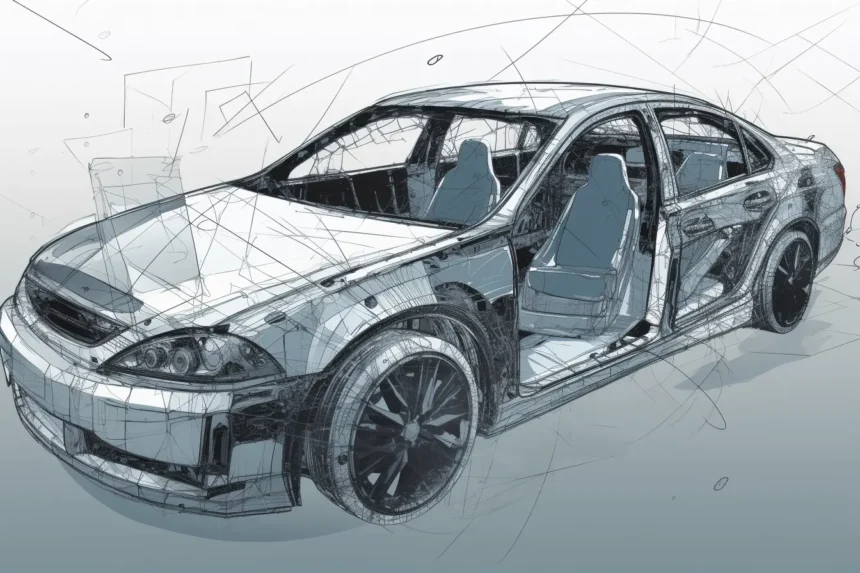
When it comes to assessing the damage to your vehicle’s body, it is crucial to determine the extent of repairs needed. This process involves carefully inspecting every inch of the exterior to identify all visible and potential hidden damages. Begin by examining the affected areas, such as dents, scratches, or paint chips, and take note of their size and severity. Additionally, it is important to check if there are any structural damages, such as frame misalignment or suspension issues, as these can pose significant safety risks if left untreated. By thoroughly evaluating the damage, you can accurately determine the scope of repairs required and ensure all necessary fixes are addressed.
To aid in the assessment process, it can be beneficial to take photographs of the damage from various angles. These visual records can serve as evidence for insurance claims and can also help repair technicians understand the extent of the repairs needed. Furthermore, documenting the damage will allow you to monitor the progress of the repairs and ensure that all identified issues have been adequately addressed. Remember, accurately determining the extent of auto body repairs is a crucial first step in restoring your vehicle’s aesthetic appeal and ensuring its safety on the road.
Prioritizing Safety: Identifying Critical Repairs for Immediate Attention
The safety of yourself and others on the road should always be a top priority. When it comes to auto body repair, it is important to identify critical repairs that require immediate attention to ensure the integrity and functionality of your vehicle.
One of the first steps in prioritizing safety is to assess the extent of the damage. This involves thoroughly inspecting your vehicle for any visible signs of damage, such as dents, scratches, or broken parts. Additionally, it is crucial to pay attention to any warning signs, such as unusual noises, vibrations, or difficulty steering or braking. By identifying these critical repairs, you can take immediate action to address them and prevent further damage or potential safety risks.
Seeking Multiple Estimates: Comparing Quotes for Cost-Effective Solutions
When it comes to auto body repair, seeking multiple estimates is an essential step in finding cost-effective solutions. By comparing quotes from different repair shops, you can determine the best option that suits your budget and needs. It is recommended to reach out to at least three reputable repair shops in your area to get a comprehensive understanding of the cost and services involved in the repairs.
When obtaining estimates, be prepared to provide detailed information about the damage to ensure accurate quotes. This may include photographs or a physical inspection of the vehicle. It is crucial to ask each repair shop for a breakdown of the estimated costs, including labor, parts, and any additional fees. By comparing these quotes, you can identify any major discrepancies and make an informed decision based on the overall value each shop offers. Keep in mind that the cheapest option may not always be the best, as you should also consider the reputation and quality of work provided by each shop.
Considering DIY Options: Evaluating Feasible Repairs You Can Do Yourself
One of the most cost-effective options for auto body repairs is to consider doing them yourself. While not every repair can or should be attempted by an amateur, there are certain feasible repairs that can be successfully carried out with the right tools, knowledge, and patience. However, before deciding to embark on a do-it-yourself (DIY) repair journey, it is essential to evaluate the feasibility of the repairs and determine if they are within your capabilities.
First and foremost, it is important to assess the complexity of the repair. Some minor damages, such as small scratches or dents, can be fixed relatively easily by following online tutorials and using DIY repair kits available in the market. However, more substantial repairs involving structural damage or major bodywork should be left to professionals with the proper training and expertise. It is crucial not to underestimate the complexity of a repair as attempting something beyond your skill level could potentially lead to further damage or safety hazards. Therefore, always be realistic about your DIY abilities and be willing to seek professional help when necessary.
Exploring Used or Aftermarket Parts: Finding Affordable Alternatives for Replacement
When it comes to auto body repairs, one of the key considerations is the replacement of damaged parts. While brand new parts may be the first choice for many, exploring used or aftermarket parts can offer affordable alternatives. Used parts, also known as salvage parts, are components that have been taken from other vehicles, often those that have been involved in accidents. On the other hand, aftermarket parts are manufactured by companies other than the original equipment manufacturer (OEM) and may offer similar functionality at a lower price.
Exploring used or aftermarket parts can be a cost-effective solution for repairing your vehicle. These parts are generally more affordable compared to their brand new counterparts. However, it is important to ensure that used parts are in good working condition and do not compromise the safety and performance of your vehicle. Similarly, when considering aftermarket parts, it is essential to choose reputable manufacturers that produce high-quality components. By exploring these alternatives, you can find affordable replacement parts without compromising on the quality and integrity of your vehicle.
- Used parts, also known as salvage parts, are components taken from other vehicles involved in accidents.
- Aftermarket parts are manufactured by companies other than the original equipment manufacturer (OEM).
- Both used and aftermarket parts can offer similar functionality at a lower price compared to brand new parts.
- It is important to ensure that used parts are in good working condition and do not compromise safety and performance.
- When considering aftermarket parts, choose reputable manufacturers that produce high-quality components.
Negotiating with Insurance Companies: Maximizing Coverage for Auto Body Repair
When it comes to auto body repairs, negotiating with insurance companies can play a crucial role in maximizing your coverage. Insurance policies vary in terms of coverage for auto body repairs, so it is essential to understand your policy details and limitations. Start by carefully reviewing your insurance policy to ascertain what repairs are covered and what costs you are responsible for.
Once you have a clear understanding of your policy, it is time to engage in negotiations with your insurance company. Be prepared to provide evidence of the damage and its impact on the functionality and safety of your vehicle. Document the repairs needed, including photographs and written estimates from reputable auto body repair shops. This evidence will support your claim and strengthen your position in negotiations with the insurance company. Additionally, be prepared to provide any necessary documentation, such as police reports or witness statements, to support your claim. By presenting a well-documented case, you can increase your chances of maximizing coverage for your auto body repairs.

Researching Local Repair Shops: Choosing Reliable and Affordable Service Providers
When it comes to researching local repair shops for your auto body repair needs, it is essential to prioritize reliability and affordability. Choosing a service provider that is both reliable and affordable can save you a significant amount of time, money, and potential headaches in the long run. To ensure reliability, it is important to consider the reputation and customer reviews of the repair shop. Look for shops with positive feedback, as this is an indication of their quality of work and level of customer satisfaction. Additionally, seeking recommendations from friends, family, or trusted sources can provide valuable insights into the reliability of a repair shop.
Affordability is another crucial factor to consider when researching local repair shops. Obtaining multiple estimates from different shops can help you compare prices and find the most cost-effective solution without compromising on the quality of the repair work. It is important to keep in mind that the cheapest option may not always be the best choice. Instead, aim for a balance between affordability and quality. Remember to inquire about any warranties offered by the repair shop, as this can add value and peace of mind to your decision-making process. By thoroughly researching and choosing a reliable and affordable service provider for your auto body repair needs, you can ensure that your beloved vehicle is in the best hands possible.
Preventive Maintenance: Taking Steps to Minimize Future Auto Body Repairs
When it comes to maintaining the longevity and appearance of your vehicle, preventive maintenance plays a crucial role. By taking proactive steps to minimize future auto body repairs, you can save both time and money in the long run. One of the key components of preventive maintenance is regular cleaning and waxing of your vehicle’s exterior. This not only helps to preserve its shine and finish, but also acts as a protective barrier against environmental elements such as dirt, dust, and UV rays. Additionally, cleaning and waxing removes any corrosive substances that may have accumulated on the surface, preventing them from causing damage over time. So, make it a habit to give your vehicle a thorough cleaning and apply a good quality wax every few months.
Another important aspect of preventive maintenance is being mindful of your driving habits. Aggressive driving, such as sudden braking and accelerating, can put unnecessary stress on various parts of your vehicle, including the body. This can lead to increased wear and tear, and ultimately, the need for repairs. By practicing defensive driving techniques and maintaining a safe distance from other vehicles, you can significantly reduce the risk of accidents and subsequent auto body damage. Remember to also be cautious when parking your vehicle, avoiding tight spaces or areas with a high likelihood of door dings and scratches. Taking these steps will go a long way in minimizing the need for future auto body repairs.
Utilizing Paintless Dent Repair: Cost-Effective Techniques for Small Dents and Dings
Paintless dent repair (PDR) is an effective and cost-efficient technique for addressing small dents and dings on your vehicle. This method involves gently massaging the damaged area from the inside out, without the need for traditional bodywork or paint. PDR is commonly used to fix hail damage, minor collisions, and other small imperfections. By utilizing this technique, you can restore your vehicle’s exterior to its original condition without breaking the bank.
One of the main advantages of using paintless dent repair is its cost-effectiveness. Traditional dent repair can be expensive, as it often involves labor-intensive processes and the need for repainting the affected area. With PDR, however, the skilled technician can manipulate the dent from behind, preserving the original paint and saving you money on additional materials and labor. Moreover, PDR is a time-efficient solution, as it can usually be completed in a matter of hours, compared to days or even weeks required by conventional repairs.

Regular Cleaning and Waxing: Preserving Your Vehicle’s Exterior and Minimizing Repair Needs
Keeping your vehicle’s exterior clean and regularly applying wax not only keeps it looking shiny and new, but it also plays a crucial role in minimizing the need for future auto body repairs. Regular cleaning helps remove dirt, dust, and debris that can accumulate on the surface and potentially cause scratches or damage to the paint. By using a gentle, non-abrasive cleanser and a soft microfiber cloth, you can safely remove these contaminants and maintain the integrity of your vehicle’s exterior.
Once the surface is clean, applying wax provides an added layer of protection. Wax acts as a barrier, shielding the paint from environmental elements such as UV rays, pollutants, and harsh weather conditions. Not only does this preserve the quality and shine of the paint, but it also helps prevent fading, oxidation, and corrosion. By taking the time to regularly clean and wax your vehicle, you can prolong its lifespan and reduce the likelihood of expensive auto body repairs in the future.
FAQs
How often should I clean and wax my vehicle’s exterior?
It is recommended to clean and wax your vehicle’s exterior at least every three months to maintain its appearance and protect the paint.
Can regular cleaning and waxing really minimize the need for repairs?
Yes, regular cleaning and waxing can help protect the vehicle’s paint from environmental damage, such as UV rays and pollutants, reducing the chances of paint fading, chipping, and corrosion, ultimately minimizing repair needs.
What kind of products should I use for cleaning and waxing?
It’s best to use automotive-specific cleaning and waxing products that are designed to effectively clean and protect your vehicle’s exterior. Look for trusted brands and follow the manufacturer’s instructions.
How should I clean my vehicle’s exterior?
Use a gentle automotive cleaning solution, a soft sponge or microfiber cloth, and clean water to wash your vehicle. Start from the top and work your way down, rinsing thoroughly to remove any soap residue.
Is it necessary to wax my vehicle after cleaning it?
Yes, waxing is an important step as it provides an additional layer of protection for the paint. It helps to seal the surface, repel water, and reduce the adhesion of dirt and grime.
Can I use any type of wax on my vehicle?
It’s recommended to use a high-quality automotive wax that is specifically formulated for your vehicle’s paint type (clear coat, enamel, etc.). This ensures compatibility and enhances the effectiveness of the wax.
How long does wax protection last?
The duration of wax protection varies depending on factors such as weather conditions, frequency of washing, and exposure to elements. Generally, wax protection can last anywhere from a few weeks to several months.
Can I clean and wax my vehicle’s exterior myself, or should I seek professional help?
Cleaning and waxing your vehicle’s exterior can be done as a DIY task, but if you lack experience or prefer professional expertise, seeking help from a reputable detailing service or car wash can ensure optimal results.
Are there any special considerations for cleaning and waxing certain vehicle materials, such as chrome or plastic trim?
Yes, it’s important to use appropriate cleaning and waxing products specifically designed for the material you are treating. For example, chrome may require a chrome-specific cleaner, while plastic trim might need a non-abrasive polish.
Can regular cleaning and waxing also extend the lifespan of my vehicle’s exterior?
Yes, regular cleaning and waxing can help maintain the overall condition of your vehicle’s exterior, which may contribute to preserving its lifespan and resale value.