
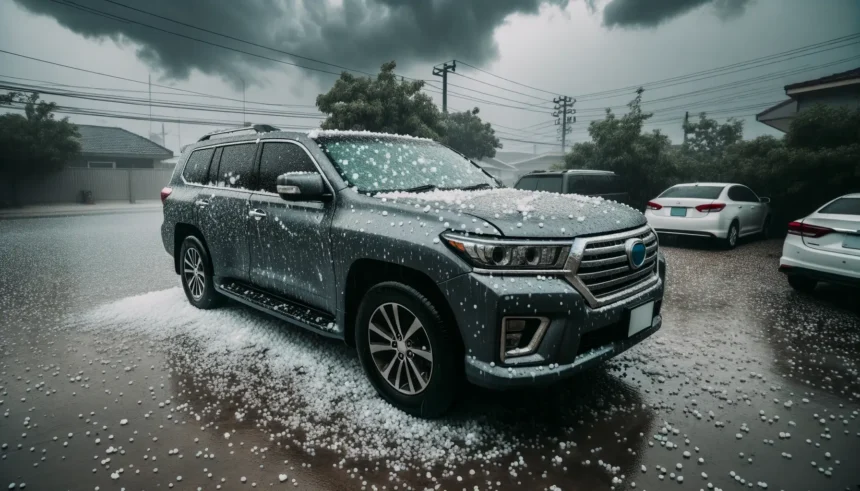
Understanding the Impact: Explaining the severity of hail damage on SUVs and trucks.
Recommended: fix small dents at home
Handpicked Amazon products relevant to this guide. Prices vary, links go to current Amazon listings.
Hailstorms can wreak havoc on vehicles, especially SUVs and trucks, due to their larger surface area and higher profile. The severity of hail damage on these vehicles can be substantial, resulting in expensive repairs and potential safety risks.
The size and velocity of hailstones, combined with the force with which they hit the vehicle’s surface, can cause dents and dings that mar the exterior appearance. Moreover, hailstones can also crack or shatter windshields, windows, and side mirrors, further compromising the integrity of the vehicle.
Additionally, the impact of hail can cause paint chipping and peeling, leading to rust and corrosion if left untreated. Overall, the severity of hail damage on SUVs and trucks warrants prompt attention and repair to prevent any further deterioration and ensure the vehicle’s continued functionality.

Identifying the Signs: How to recognize hail damage on the exterior of your vehicle.
When it comes to identifying hail damage on the exterior of your vehicle, there are a few key signs to look out for:
- Dents: One of the most obvious indicators is dents on the metal surface of your car or truck. These dents are often round or irregular in shape and can be found on the roof, hood, doors, and trunk. Pay close attention to any new or unusual marks that were not present before a hailstorm.
- Paint chipping or cracking: In addition to dents, another sign of hail damage is paint chipping or cracking. Hailstones can be quite forceful, causing the paint to chip off or crack due to the impact. Look closely at the affected areas to see if there are any exposed patches of metal or a spider-web-like pattern of cracks on the surface. These are telltale signs that your vehicle has been affected by hail.

Assessing the Damage: Exploring the different types and levels of hail damage.
Hailstorms can cause various types and levels of damage to SUVs and trucks. The severity of hail damage can range from minor dents and chips to more significant issues like cracked windshields and broken side mirrors. The size and density of the hailstones, as well as the speed at which they fall, play a crucial role in determining the extent of damage.
One common type of hail damage is dents on the vehicle’s body. These dents can vary in size, from small dimples to larger depressions. The intensity of the impact determines the depth of the dent. Additionally, hail can also cause scratches and paint chips, exposing the metal underneath. In severe cases, hail can fracture or shatter windshields and windows. It’s essential to carefully inspect your vehicle after a hailstorm to identify all the different types of damage it may have incurred.
Assessing the damage is crucial to determine the appropriate repair plan for your SUV or truck. On the next page, we will delve further into the various repair methods and techniques available for hail damage, as well as discussing the factors that can influence the cost of repairs.

DIY vs. Professional Repair: Weighing the pros and cons of fixing hail damage yourself or seeking professional assistance.
Fixing hail damage on your SUV or truck can be a daunting task, and one of the first decisions you’ll need to make is whether to tackle the repairs yourself or seek professional assistance. There are pros and cons to both options that you should consider before making a choice.
One of the main advantages of DIY repair is the cost savings. By doing the repairs yourself, you can avoid labor fees and potentially save a significant amount of money. Additionally, DIY repair allows you to have full control over the process and ensure that the repairs are done to your satisfaction. On the other hand, attempting to fix hail damage yourself requires a certain level of expertise and access to the right tools. It’s important to assess your own skills and abilities before taking on such a task. Keep in mind that if the repairs are done incorrectly, you could potentially cause more damage to your vehicle. In contrast, opting for professional assistance ensures that the repairs are carried out by trained experts who possess the necessary skills and experience.
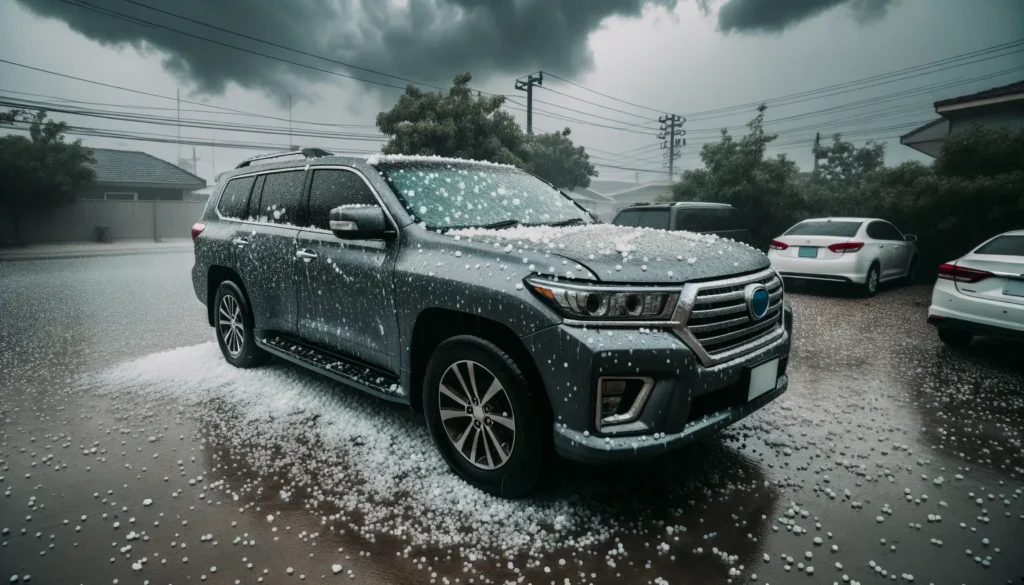
Choosing the Right Repair Shop: Tips for selecting a reliable and experienced repair shop for SUVs and trucks.
When it comes to selecting a repair shop for your SUV or truck, reliability and experience are key factors to consider. You want to ensure that the shop you choose has a proven track record of successfully repairing hail damage on vehicles similar to yours. One way to gauge the reliability of a repair shop is by checking online reviews and testimonials from previous customers. These reviews can provide valuable insights into the shop’s professionalism, quality of work, and customer service. Additionally, you should also consider the shop’s experience with repairing SUVs and trucks specifically. These larger vehicles often require specialized knowledge and equipment, so it’s important to choose a shop that has expertise in handling such repairs.
Another aspect to consider when selecting a repair shop is the qualifications and certifications of the technicians. Look for shops that employ technicians who are certified by recognized industry bodies, such as the Inter-Industry Conference on Auto Collision Repair (I-CAR). These certifications indicate that the technicians have undergone rigorous training and are knowledgeable about the latest repair techniques and industry best practices. By choosing a repair shop with certified technicians, you can have peace of mind knowing that your vehicle is in capable hands.
Exploring Repair Options: Discussing various repair methods and techniques for hail damage.
One of the most common repair methods for hail damage is paintless dent repair (PDR). This technique involves massaging the dented area from the inside out, using specialized tools to carefully reshape the metal panel without the need for repainting. PDR is often a preferred option because it can help maintain the original factory finish of the vehicle, reducing the chances of color mismatch or additional paintwork. However, it is important to note that PDR is most effective for smaller dents and may not be suitable for more severe damage.
Another repair option for hail damage is conventional body repair. This method involves sanding down the damaged area, applying body filler, and repainting the affected panel. While conventional repair can achieve excellent results, it is a more time-consuming process compared to PDR and may require more extensive work for larger dents. Additionally, the color match may not be exact, which could be a concern for owners who are particularly meticulous about their vehicle’s appearance. Overall, the choice between PDR and conventional repair methods depends on the severity and location of the hail damage, as well as the individual preferences of the vehicle owner.
Estimating Repair Costs: Providing insights into the factors that affect the cost of hail damage repair.
Repairing hail damage on SUVs and trucks can vary in cost depending on a range of factors. One of the main factors that affects the cost is the extent of the damage itself. If the hail has caused significant dents and dings all over the vehicle, the repair cost is likely to be higher compared to minor damage. The size of the hailstones also plays a role, as larger hailstones can cause more extensive damage, resulting in higher repair costs.
Another factor that affects the cost is the type of material used in the construction of the vehicle. SUVs and trucks are typically made with sturdier materials such as steel, which can be more difficult and time-consuming to repair compared to vehicles made with lighter materials like aluminum. Additionally, the overall size and shape of the vehicle can influence repair costs, as larger vehicles require more time and effort to repair all the damaged areas. These factors should be taken into consideration when estimating the repair costs for hail damage on SUVs and trucks.
Insurance Coverage: Understanding how insurance policies typically handle hail damage repair for SUVs and trucks.
For SUVs and trucks, understanding how insurance policies typically handle hail damage repair is crucial. Insurance coverage for hail damage varies depending on the policy and the insurance company. In general, most comprehensive auto insurance policies will cover hail damage repairs. However, it is important to note that there may be deductibles and limits on coverage that apply.
When filing a claim for hail damage repair, it is advisable to consult your insurance company or agent to understand the specifics of your policy. They will guide you through the claim process and provide information on the coverage amount for your SUV or truck. It is also common for insurance companies to require an inspection of the vehicle before approving the claim, so keep this in mind when pursuing repairs.
Preventive Measures: Tips for protecting your vehicle from future hail damage.
One of the best ways to protect your vehicle from future hail damage is by parking it in a covered or enclosed space whenever possible. This could include parking in a garage, carport, or under a sturdy structure such as a shed or awning. By keeping your vehicle sheltered during hailstorms, you can greatly reduce the risk of damage caused by hailstones.
I
If parking in a covered space is not an option, another preventive measure is to invest in a hail protection cover. These covers are specifically designed to shield vehicles from hailstones and provide an extra layer of protection. They are typically made from durable materials that can withstand impact and are available in a variety of sizes to fit different types of vehicles. By using a hail protection cover, you can minimize the chances of your SUV or truck getting dented or scratched during a hailstorm.
Here are some preventive measures you can take to protect your vehicle during hailstorms:
- Park your vehicle in a covered or enclosed space such as a garage, carport, shed, or awning. This greatly reduces the risk of hail damage.
- Invest in a hail protection cover. These covers are made from durable materials and come in various sizes to fit different types of vehicles. They provide an extra layer of protection for your vehicle during hailstorms.
- Using a hail protection cover can minimize the chances of dents or scratches on your SUV or truck caused by hailstones.
Taking these precautions can help safeguard your vehicle from hail damage and ensure its longevity.
Post-Repair Care: Guidance on maintaining your SUV or truck after undergoing hail damage repair.
Once your SUV or truck has undergone hail damage repair, it is important to take certain precautions to ensure the longevity of the repairs and the overall condition of your vehicle. One of the first steps in post-repair care is to wash your vehicle regularly. This will help remove any dirt or debris that may have accumulated during the repair process and prevent it from causing damage to the freshly repaired areas.
Another crucial aspect of maintenance after hail damage repair is to inspect your vehicle regularly for any signs of damage or potential issues. Keep an eye out for any loose or missing parts, such as trim pieces or moldings, as well as any signs of paint chipping or peeling. By catching these issues early on, you can address them promptly and prevent further damage or deterioration. Additionally, checking your vehicle’s alignment and suspension periodically is important to ensure that the repairs have not affected the vehicle’s overall performance and handling.
Taking these simple yet essential steps in post-repair care can help you maintain the quality of your SUV or truck after undergoing hail damage repair. By being proactive and attentive to your vehicle’s condition, you can ensure that the repairs last and your vehicle remains in optimal shape for years to come.
What is hail damage?
Hail damage refers to the dents, dings, and other forms of damage caused by hailstones hitting a vehicle’s exterior surfaces.
How severe can hail damage be on SUVs and trucks?
The severity of hail damage on SUVs and trucks can vary depending on factors such as the size of the hailstones and the force at which they hit the vehicle. It can range from minor cosmetic issues to more significant damage that affects the vehicle’s structural integrity.
How can I identify hail damage on my vehicle?
Look for dents, dings, cracked or chipped paint, broken windows, and any other signs of impact on the exterior surfaces of your SUV or truck. Hail damage often appears as round or irregularly shaped depressions.
Should I repair hail damage myself or seek professional assistance?
It is recommended to seek professional assistance for hail damage repair, especially if the damage is extensive. Professionals have the necessary expertise and tools to ensure proper repairs are done.
How do I choose the right repair shop for my SUV or truck?
When selecting a repair shop, consider factors such as their experience in handling hail damage repairs specifically for SUVs and trucks, their reputation, and the warranties they offer on their work.
What are some common repair methods for hail damage?
Common repair methods for hail damage include paintless dent repair (PDR), traditional dent repair, and panel replacement. The most suitable method depends on the extent and type of damage.
What factors affect the cost of hail damage repair?
The cost of hail damage repair can be influenced by factors such as the severity of the damage, the repair method used, the cost of replacement parts (if necessary), and the labor charges of the repair shop.
How does insurance typically handle hail damage repair for SUVs and trucks?
Insurance policies often cover hail damage repairs for SUVs and trucks. However, coverage may vary depending on the policy terms and deductibles. Contact your insurance provider to understand your coverage.
How can I protect my vehicle from future hail damage?
To protect your vehicle from future hail damage, consider parking in covered or protected areas, using car covers, investing in hail-resistant car covers or mats, or seeking shelter during hailstorms.
What are some post-repair care tips for maintaining my SUV or truck after hail damage repair?
After hail damage repair, it is important to regularly wash and wax your vehicle, inspect for any new damage, and address any issues promptly. Additionally, consider applying paint protection films or coatings to enhance the durability of the repaired areas.