

Collision Repair: Understanding the Process and Costs
When it comes to collision repair, understanding the process and costs involved is crucial. After an accident, your vehicle may sustain significant damage that needs to be addressed promptly. The first step in the collision repair process is assessing the extent of the damage. Experienced technicians will thoroughly inspect your vehicle, identifying all areas that need repairs.
Once the assessment is complete, a detailed estimate will be provided outlining the necessary repairs and associated costs. This estimate takes into account not only visible damages but also any hidden damages that might have occurred during the collision. It’s important to note that some repairs may require specialized equipment or parts, which can impact overall costs.
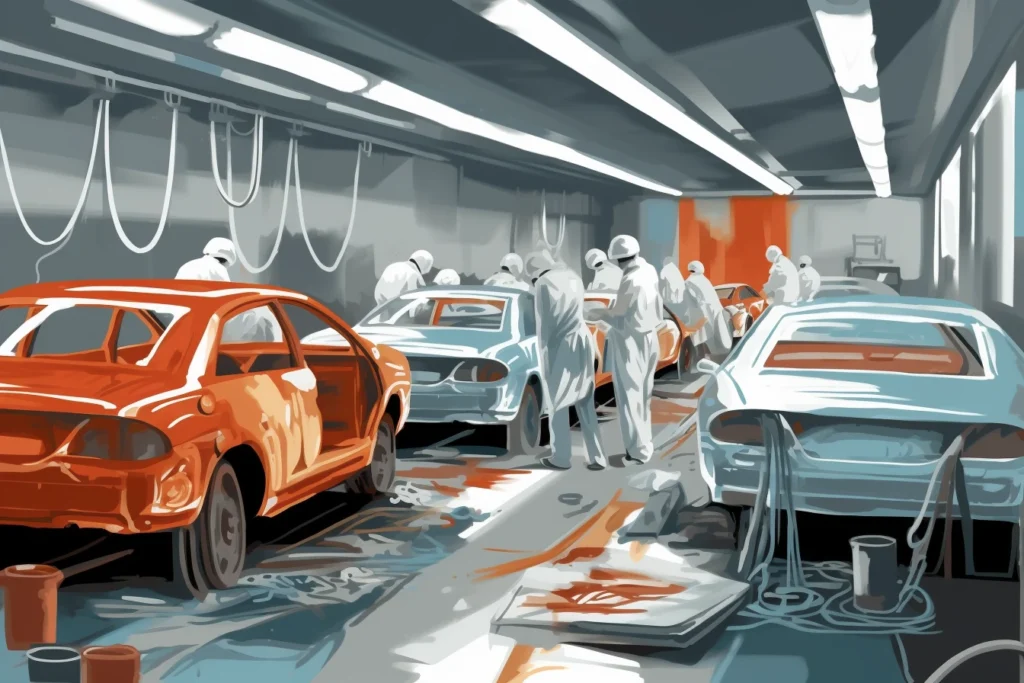
After you approve the estimate, repairs can begin on your vehicle. Depending on the severity of the damage, this may involve various steps such as dent removal, frame straightening, paintwork restoration, or even replacement of certain components. Skilled technicians use advanced techniques and tools to bring your vehicle back to its pre-accident condition while ensuring structural integrity and safety.
The process concludes with a final inspection to ensure all repairs have been completed successfully and meet industry standards for quality and safety. Collision repair costs can vary widely depending on factors such as labor rates at different shops or dealerships and whether original manufacturer parts are used versus aftermarket alternatives. It’s essential to choose a reputable repair facility that provides transparent pricing information upfront so you can make informed decisions about how best to proceed with restoring your vehicle after a collision.

Paintless Dent Removal: An Effective Solution for Minor Dings and Dents
Paintless dent removal is a highly effective solution for addressing minor dings and dents on your vehicle. This technique involves the use of specialized tools and techniques to gently massage the metal back into its original shape, without the need for traditional bodywork or painting. The process is quick, cost-effective, and can restore your vehicle’s appearance to its pre-damaged condition.
One of the major benefits of paintless dent removal is that it preserves your vehicle’s factory finish. Since no painting or filling is required, there is no risk of color mismatch or overspray. This not only saves you time and money but also helps maintain the resale value of your car by keeping its original paint intact.
In addition to being a more affordable option compared to traditional dent repair methods, paintless dent removal also offers convenience. Most repairs can be completed within a few hours, allowing you to get back on the road as quickly as possible. Plus, since there are no fillers or paints involved, there are no drying times or curing periods to worry about.
By opting for paintless dent removal for minor dings and dents on your vehicle, you can enjoy a hassle-free solution that restores its appearance without breaking the bank. Whether it’s from hail damage or parking lot mishaps, this technique provides professional results while preserving your car’s originality. Don’t let those small imperfections detract from the overall beauty of your vehicle when an effective solution like paintless dent removal exists!
Windshield Replacement: Why It’s Essential for Safety and Aesthetics
A windshield is a critical component of any vehicle, serving as a protective barrier between the driver and the outside elements. Not only does it shield occupants from wind, debris, and insects while driving, but it also plays a crucial role in maintaining the structural integrity of the vehicle. When damaged or compromised, a windshield can pose serious safety risks to both the driver and passengers. Therefore, it is essential to understand why windshield replacement is necessary for both safety and aesthetics.
One of the primary reasons why windshield replacement is vital for safety is its role in supporting the structural integrity of a vehicle. A properly installed windshield provides significant support to the roof during rollover accidents by preventing it from collapsing inward. In addition, it helps maintain the overall strength of your car’s frame during front-end collisions by distributing impact forces evenly across its surface. By replacing a damaged or cracked windshield promptly with high-quality materials that meet industry standards, you ensure that your vehicle remains structurally sound and capable of protecting you in case of an accident.
Aside from its crucial safety function, having an intact and visually appealing windshield contributes to your vehicle’s overall aesthetics. A cracked or chipped windshield not only diminishes your car’s appearance but may also reduce its resale value if left unaddressed. By investing in professional windshield replacement services performed by experienced technicians using top-grade materials, you can restore your vehicle’s original sleek look while enhancing its curb appeal.
Bumper Repair: Restoring the Front or Rear Bumper to its Original Condition
When it comes to bumper repair, restoring the front or rear bumper to its original condition is crucial for both the appearance and functionality of your vehicle. Whether you’ve been involved in a minor fender bender or have noticed unsightly scratches and dents on your bumper, seeking professional repair services can help restore your car’s aesthetic appeal.
The first step in restoring a damaged bumper is assessing the extent of the damage. A skilled technician will carefully examine the affected area to determine whether repairs can be made through techniques such as paint touch-ups or if replacement parts are necessary. In some cases, minor scratches and scuffs can be buffed out using specialized tools and techniques that blend seamlessly with the surrounding paintwork.
If more extensive repairs are required, technicians may need to remove certain parts of the bumper assembly to access hidden damage. This could involve detaching trim pieces, lights, or sensors before repairing any underlying structural issues. Once these steps are complete, professionals will use industry-standard methods like sanding, filling, priming, and painting to restore your bumper’s original finish.
By entrusting your vehicle’s bumper repair to professionals who specialize in this type of work, you can ensure that every step of the process is carried out with precision and attention to detail. Not only will they possess advanced knowledge about different types of bumpers but also have access to high-quality materials needed for seamless repairs. Ultimately, their expertise will result in a restored front or rear bumper that not only looks great but also provides optimal protection for years to come.
Scratches and Scuffs: How to Repair Surface Damage on Your Vehicle
Scratches and scuffs on your vehicle can be unsightly, but fortunately, there are ways to repair this surface damage. One option is to use a touch-up paint kit specifically designed for small scratches. These kits usually include the necessary materials such as primer, paint, and clear coat. Before applying the touch-up paint, it’s important to clean the area thoroughly and sand down any rough edges or high spots.
For deeper scratches that cannot be repaired with a touch-up kit alone, you may need to consider using a rubbing compound or scratch remover. These products work by gently buffing away the damaged layer of paint until it blends in with the surrounding area. It’s essential to follow the instructions carefully and apply these products in a well-ventilated area.
If you’re not confident in your ability to repair scratches and scuffs yourself, it’s best to seek professional help from an auto body shop or technician. They have access to specialized tools and techniques that can ensure a seamless repair job. Additionally, professionals can match your vehicle’s paint color more accurately than DIY methods, resulting in a more visually appealing outcome.
Remember that addressing surface damage promptly is crucial because leaving scratches untreated can lead to further deterioration of your vehicle’s exterior over time. By taking proactive steps towards repairing these blemishes, you not only improve the appearance of your car but also maintain its resale value in the long run. So don’t hesitate – take action today!
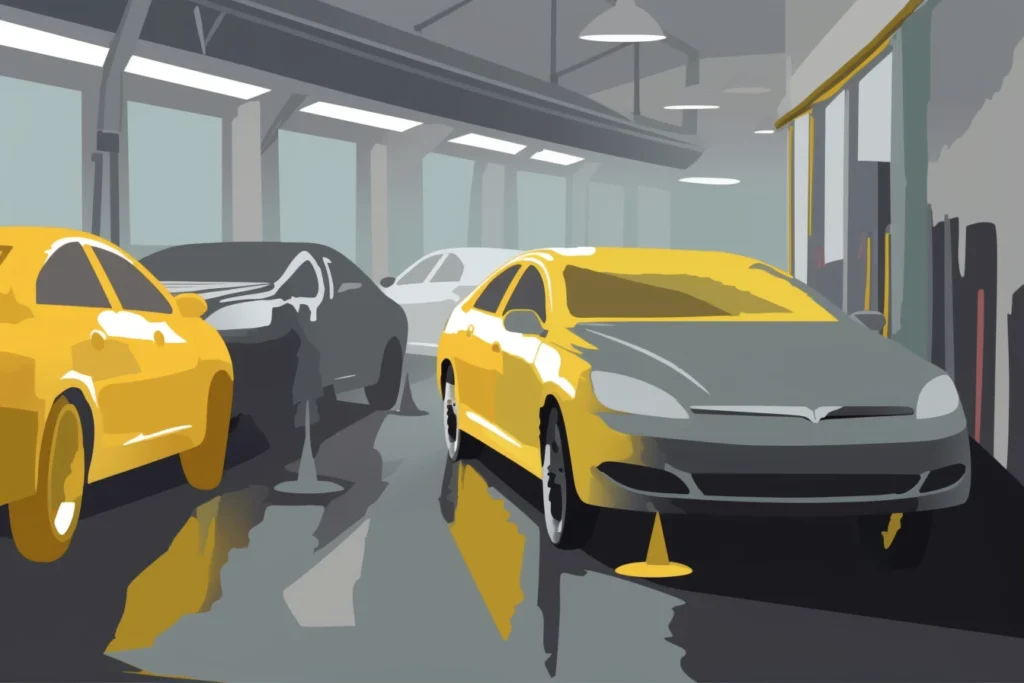
Hail Damage Repair: Dealing with the Aftermath of a Severe Storm
Hailstorms can cause significant damage to vehicles, leaving behind a trail of dents and dings. Dealing with the aftermath of a severe storm requires prompt action to restore your vehicle’s appearance and prevent further issues. Hail damage repair is essential not only for maintaining the aesthetics of your car but also for preserving its resale value.
When it comes to repairing hail damage, one option is paintless dent removal (PDR). This technique involves carefully massaging out the dents from the inside of the panel without disturbing the original paint finish. PDR is highly effective for minor dings and small-sized hail damage. It offers several advantages over traditional methods, including cost-effectiveness and quicker turnaround time.
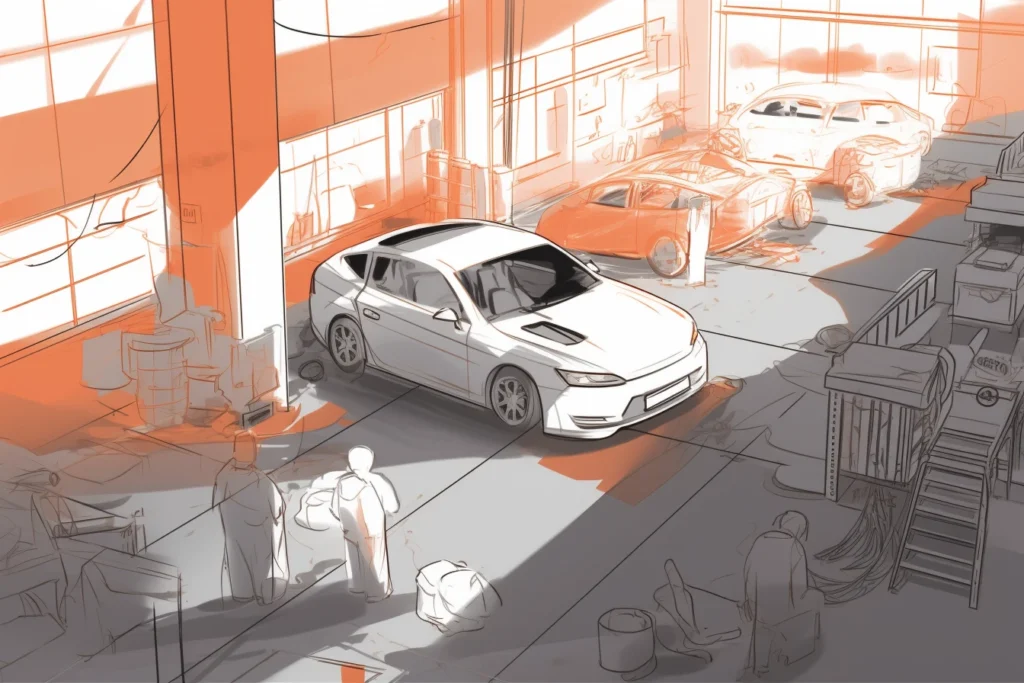
For more severe hail damage that has caused deep creases or broken paint, conventional repairs may be necessary. In such cases, skilled technicians will assess the extent of the damage and determine whether panel replacement or extensive bodywork is required. The damaged areas are meticulously repaired using high-quality materials and techniques to ensure a seamless restoration that matches your vehicle’s original condition.
It is important to address hail damage promptly as neglecting it can lead to other issues down the line. Even seemingly minor dents can compromise your vehicle’s structural integrity if left unattended, making it more susceptible to rust or further damages in future incidents. By seeking professional hail damage repair services immediately after a storm, you can safeguard both your safety on the road and protect your investment in your vehicle for years to come.
- Hailstorms can cause significant damage to vehicles, leaving behind dents and dings.
- Prompt action is necessary to restore your vehicle’s appearance and prevent further issues.
- Hail damage repair is essential for maintaining aesthetics and preserving resale value.
- Paintless dent removal (PDR) is an option for minor dings and small-sized hail damage.
- PDR involves massaging out the dents from the inside without disturbing the original paint finish.
- Advantages of PDR include cost-effectiveness and quicker turnaround time.
- For severe hail damage with deep creases or broken paint, conventional repairs may be necessary.
- Skilled technicians will assess the extent of the damage and determine appropriate repairs.
- Meticulous repairs using high-quality materials ensure a seamless restoration matching your vehicle’s original condition.
- Neglecting hail damage can lead to structural integrity issues in your vehicle.
- Even seemingly minor dents can make your vehicle more susceptible to rust or further damages in future incidents.
- Seeking professional hail damage repair services immediately after a storm safeguards both safety on the road and protects your investment in your vehicle for years to come.
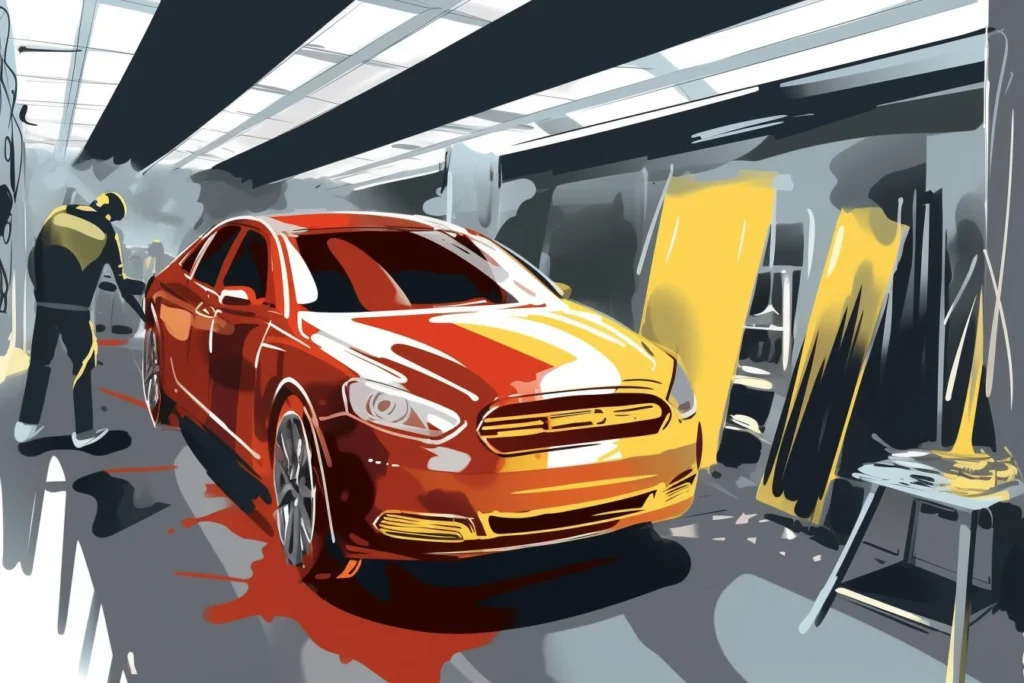
Frame Straightening: Restoring Structural Integrity after an Accident
Frame straightening is a crucial step in restoring the structural integrity of a vehicle after an accident. When a car experiences a collision, the frame can become bent or misaligned, compromising its overall stability and safety. To address this issue, professionals use specialized equipment and techniques to carefully realign the frame back to its original specifications.
During the frame straightening process, technicians utilize hydraulic machines that apply controlled pressure to specific points on the vehicle’s frame. This allows them to gradually manipulate and reshape the metal until it is restored to its pre-accident condition. The goal is not only to fix any visible damage but also ensure that all components fit together correctly for optimal performance.
It’s important to note that frame straightening requires skilled professionals with extensive knowledge of automotive repair. Attempting this task without proper training and equipment can lead to further damage or even compromise the safety of your vehicle. Therefore, it is always recommended to seek assistance from certified auto body shops or collision repair centers when addressing issues related to frame alignment after an accident.
By entrusting your car’s frame straightening needs to experts in the field, you can have peace of mind knowing that they will meticulously assess and correct any structural issues caused by an accident. Restoring your vehicle’s structural integrity not only ensures your safety on the road but also helps maintain its value over time. So if you find yourself in need of such repairs following an accident, don’t hesitate to consult professionals who specialize in frame straightening services
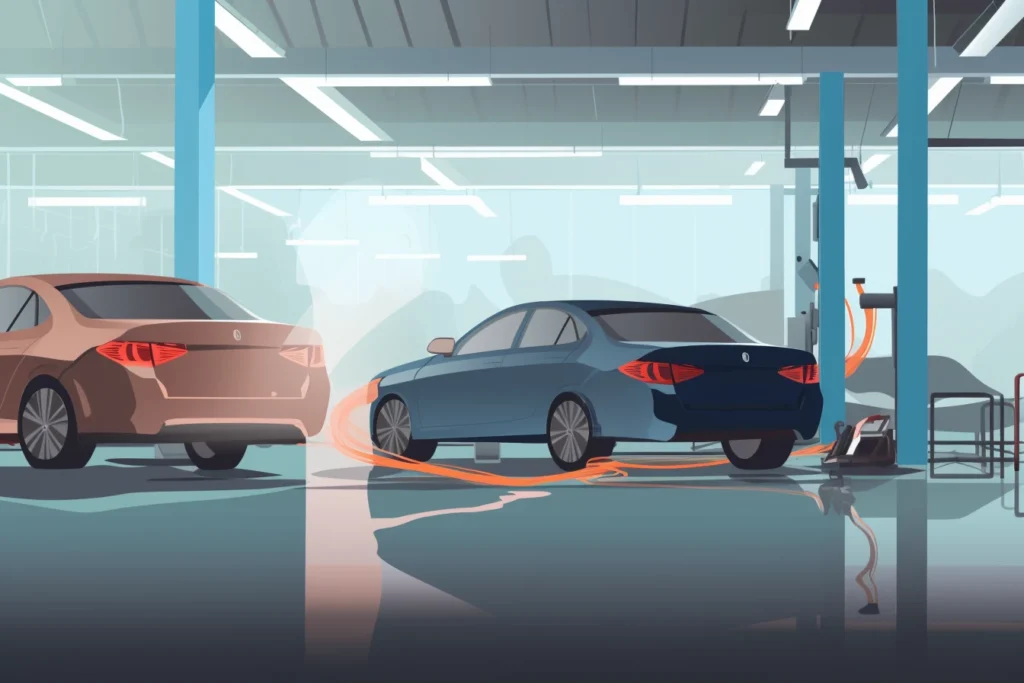
Rust Repair: Preventing and Fixing Corrosion on Your Vehicle’s Body
Rust is a common problem that can greatly affect the appearance and structural integrity of your vehicle. To prevent and fix corrosion on your vehicle’s body, there are several steps you can take. Firstly, regular cleaning and waxing of your car can help protect it from rust-causing elements such as salt, moisture, and dirt. Additionally, applying an anti-rust treatment to vulnerable areas like the undercarriage and wheel wells can provide an extra layer of protection.
If you do notice any signs of rust on your vehicle, it’s important to address the issue promptly to prevent further damage. One method for fixing corrosion is sanding down the affected area until all traces of rust have been removed. This should be followed by applying a primer specifically designed for preventing rust formation. Finally, a fresh coat of paint matching your vehicle’s color should be applied to ensure a seamless repair.
In addition to prevention and repair measures, it’s also crucial to regularly inspect your vehicle for any potential sources or signs of rust. This includes checking for chipped paint or scratches that expose bare metal surfaces which are more prone to corrosion. By addressing these issues early on, you can save yourself time and money in the long run by avoiding extensive rust repair work.
Remember that while DIY methods may seem tempting when it comes to dealing with rusty spots on your car’s bodywork, seeking professional assistance is often recommended for optimal results. Professional technicians have the expertise and tools necessary to effectively remove rust and restore your vehicle’s appearance without causing further damage or compromising its structural integrity.
Headlight Restoration: Enhancing Visibility and Appearance
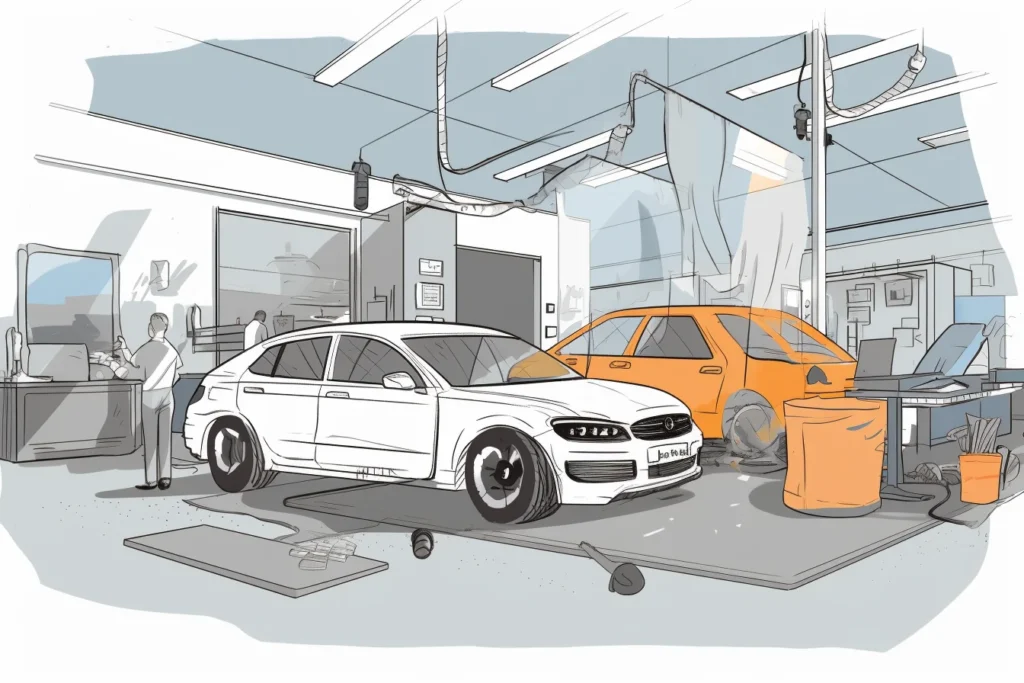
Headlight restoration is a crucial process that not only enhances visibility but also improves the overall appearance of your vehicle. Over time, headlights can become cloudy or yellowed due to exposure to the elements, oxidation, and general wear and tear. This not only reduces their effectiveness in providing adequate lighting while driving at night but also detracts from the aesthetic appeal of your car.
By restoring your headlights, you can greatly improve visibility on the road, ensuring a safer driving experience for yourself and others. Cloudy or yellowed headlights can significantly reduce light output, making it difficult to see obstacles or potential hazards ahead. Restoring them removes built-up dirt and grime, as well as any oxidized layers on the surface of the headlight lens. This allows for maximum light transmission and ensures that you have clear visibility while driving at night or in low-light conditions.
In addition to enhancing safety, headlight restoration also plays a significant role in improving the overall appearance of your vehicle. Cloudy or discolored headlights can make even a well-maintained car look older and neglected. By restoring them to their original clarity and shine, you can give your vehicle a fresh and polished look that adds value and curb appeal. Whether you’re planning to sell your car or simply want it to look its best on the road, headlight restoration is an effective solution that should not be overlooked.
Restoring your headlights may seem like a daunting task if you’ve never done it before; however, there are professional services available that specialize in this area. These experts have access to specialized tools and techniques designed specifically for headlight restoration. They will carefully remove any scratches or imperfections from the surface of the lens before applying a protective sealant to ensure long-lasting results.
Paint Repair: Fixing Faded or Chipped Paint to Maintain Your Vehicle’s Resale Value
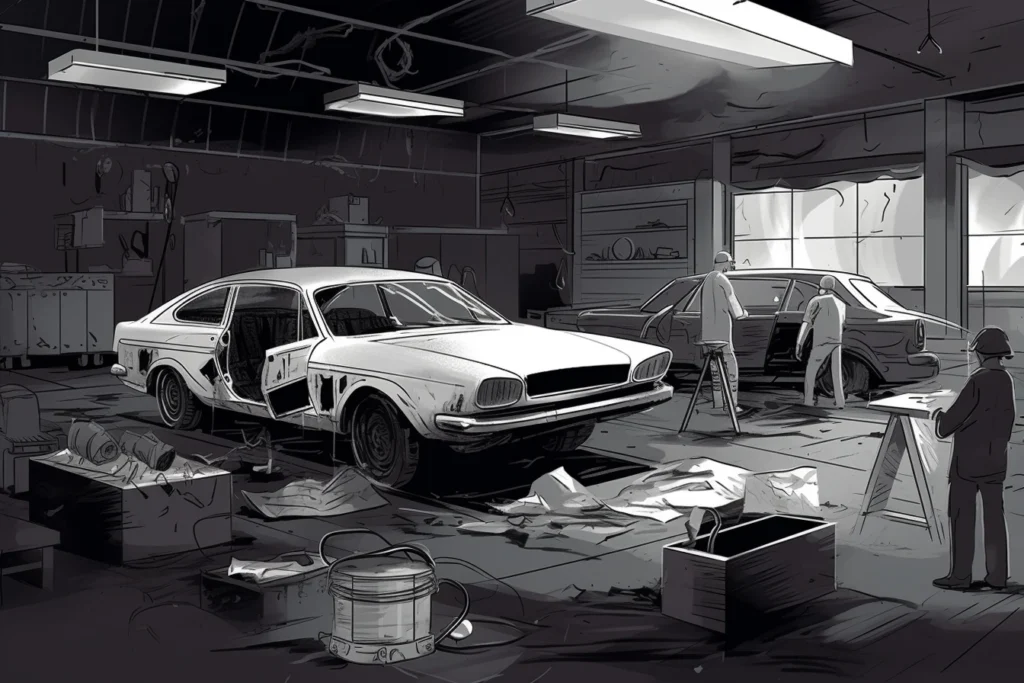
Paint repair is an essential aspect of maintaining your vehicle’s resale value. Over time, the paint on your car can become faded or chipped due to exposure to harsh weather conditions, UV rays, and general wear and tear. By addressing these issues promptly, you can not only improve the overall appearance of your vehicle but also ensure that it retains its value in the long run.
One common method used for fixing faded or chipped paint is touch-up painting. This involves carefully matching the color of your car’s original paint and applying it to the affected areas using a small brush or pen. While touch-up painting may not provide a perfect match, it can significantly reduce the visibility of imperfections and prevent further damage from occurring.
In some cases where there are larger areas with significant paint damage, a more extensive approach may be required. This could involve repainting entire panels or sections of your vehicle. It is crucial to entrust this task to a professional auto body shop that has experience in color matching and blending techniques. A skilled technician will ensure that the new paint seamlessly integrates with the existing finish, resulting in a flawless appearance that enhances both aesthetics and resale value.
FAQs
Why is it important to fix faded or chipped paint on my vehicle?
Fixing faded or chipped paint is important to maintain your vehicle’s resale value. It not only enhances the overall appearance but also protects the underlying metal from corrosion.
How can I fix faded paint on my vehicle?
Faded paint can be fixed through a process called paint restoration, which involves polishing and applying a protective clear coat to revive the color and shine of the paint.
Can I fix chipped paint on my own?
While small chips can be fixed with touch-up paint, it is recommended to seek professional help for more extensive chipped paint repairs. Professionals can ensure a seamless and long-lasting repair.
How much does paint repair typically cost?
The cost of paint repair varies depending on the extent of the damage and the type of repair needed. It is best to consult with a professional auto body shop for a precise estimate.
Will repairing faded or chipped paint improve my vehicle’s resale value?
Yes, maintaining the paint of your vehicle in good condition can significantly enhance its resale value. Potential buyers are more likely to be attracted to a well-maintained car with no visible paint damage.
Can I claim paint repair costs through insurance?
It depends on your insurance coverage. If the damage is a result of a covered incident, such as an accident or vandalism, you may be able to file a claim for paint repair costs. It’s best to check with your insurance provider for specific details.
How long does paint repair usually take?
The duration of paint repair depends on the extent of the damage and the specific repair process required. Minor touch-ups may be completed in a few hours, while more extensive repairs can take several days.
Is it necessary to fix minor paint issues like scratches?
While minor scratches may not affect the functionality of your vehicle, repairing them is recommended to maintain its appearance and prevent further damage, such as rusting.
Can I prevent paint damage on my vehicle?
Yes, regular maintenance can help prevent paint damage. Washing and waxing your vehicle, parking in shaded areas, and using paint protection films can all contribute to preserving the paint’s integrity.
How often should I check for paint damage on my vehicle?
It is a good practice to inspect your vehicle’s paint regularly, especially after incidents like hailstorms or accidents. Additionally, during routine maintenance, ask your mechanic or body shop to check for any paint issues.