

What Causes Rust in SUVs and Trucks?
Recommended: stop rust today
Handpicked Amazon products relevant to this guide. Prices vary, links go to current Amazon listings.
One common cause of rust in SUVs and trucks is exposure to moisture. When vehicles are exposed to rain, snow, or even high humidity levels, the moisture can seep into small cracks and crevices, leading to the formation of rust. This is especially true for areas where the paint may have chipped or scratched off, as these spots provide an entry point for water to reach the metal surface.
Another factor that contributes to rust in SUVs and trucks is road salt. In cold winter climates, road salt is often used to melt ice and improve traction on the roads. However, the salt can also corrode the metal components of vehicles, including the undercarriage and wheel wells. The salt works by accelerating the oxidation process, causing the metal to rust at a faster rate than it otherwise would. It’s important to thoroughly wash your SUV or truck, particularly the undercarriage, to remove any residual salt that may have accumulated.

Understanding the Impact of Rust on Your Vehicle
Understanding the Impact of Rust on Your Vehicle
Rust can have a significant impact on the overall condition and performance of your SUV or truck. It may start as a minor issue, but if left unaddressed, it can spread and cause serious damage. One of the primary effects of rust is its ability to weaken the structural integrity of your vehicle. It can eat away at metal components, such as the chassis, frame, and body, making them less sturdy and increasing the risk of accidents or major malfunctions. In addition to safety concerns, rust can also affect the functionality of various parts, such as brakes, suspension, and exhaust systems, leading to reduced performance and costly repairs.
Moreover, rust can diminish the aesthetic appeal and value of your vehicle. As it spreads, it creates unsightly patches and stains on the surface, making your SUV or truck appear old and neglected. This can be particularly problematic if you plan to sell or trade in your vehicle in the future. Rust-ridden vehicles often have a lower resale value and are less desirable to potential buyers. Therefore, it is crucial to understand the impact of rust and take proactive measures to prevent and address it in order to maintain the overall condition and value of your SUV or truck.

Regular Cleaning and Washing to Prevent Rust
Proper maintenance is essential in preventing rust in your SUV or truck. Regular cleaning and washing play a crucial role in keeping rust at bay. When not promptly removed, dirt, mud, and road salt can contribute to the corrosion process. By washing your vehicle regularly, particularly during winter months or after exposure to salted roads, you can effectively remove these corrosive elements from the exterior surfaces.
When cleaning your SUV or truck, it is important to pay special attention to the undercarriage. This area is particularly vulnerable to rust due to its direct contact with road debris and moisture. By using a high-pressure hose or a car wash wand with an undercarriage cleaning attachment, you can thoroughly clean this area and remove any dirt or salt buildup. Additionally, make sure to dry off your vehicle after washing to prevent water from pooling and promoting rust formation. By implementing a regular cleaning routine, you can significantly reduce the risk of rust and prolong the lifespan of your SUV or truck.
Importance of Waxing and Sealing for Rust Prevention
Regular waxing and sealing of your SUV or truck is crucial in preventing rust and maintaining the longevity of your vehicle. Waxing creates a protective barrier on the surface of your vehicle, shielding it from moisture, dirt, and other contaminants that can lead to rust formation. By applying wax and sealing it properly, you are essentially adding a layer of defense against the elements. This is particularly important for the areas of your vehicle that are most prone to rust, such as the hood, fenders, doors, and the trunk or tailgate.
In addition to protecting your vehicle’s exterior from rust, waxing and sealing also helps to keep your SUV or truck looking its best. The wax adds a deep, glossy shine to your vehicle’s paintwork, making it appear cleaner and more polished. It also helps to reduce the appearance of scratches and swirl marks, giving your vehicle a smoother and more flawless finish. By regularly waxing and sealing your SUV or truck, you can not only prevent rust but also maintain its aesthetic appeal, ensuring that it retains its value over time.
Choosing the Right Undercoating for Your SUV or Truck
When it comes to choosing the right undercoating for your SUV or truck, there are a few factors that you need to consider. First and foremost, you’ll want to think about the climate and weather conditions in your area. If you live in an area that experiences harsh winters with snow and road salt, you’ll want to choose an undercoating that provides superior protection against corrosion.
Another important factor to consider is the type of driving you do with your vehicle. If you frequently take your SUV or truck off-road or drive on rough terrain, you’ll want to opt for an undercoating that is durable and can withstand the rigors of these conditions. On the other hand, if you primarily use your vehicle for commuting and city driving, a standard undercoating may be sufficient.
Ultimately, the best way to choose the right undercoating for your SUV or truck is to consult with a professional. They can assess your vehicle and provide expert recommendations based on your specific needs and requirements. By investing in the right undercoating, you can effectively protect your vehicle from rust and prolong its lifespan.

The Role of Paint Protection Film in Rust Prevention
Paint protection film can play a crucial role in preventing rust from forming on the surface of your SUV or truck. This protective film is typically made from a clear, durable material that is applied to the exterior of your vehicle. Its purpose is to create a barrier that shields the paint and underlying metal from the harmful effects of moisture, salt, dirt, and other corrosive elements.
By acting as a shield, paint protection film can help prevent rust from starting or spreading on your vehicle’s surface. It provides a layer of protection against scratches, chips, and other damage, which can expose the metal underneath and make it vulnerable to rust formation. Additionally, the film’s self-healing properties enable it to repair small abrasions and keep the underlying surface intact. Overall, investing in paint protection film can be an effective measure to safeguard your SUV or truck from rust and maintain its appearance for years to come.
How to Properly Maintain the Undercarriage of Your Vehicle
Regular maintenance of the undercarriage is crucial to prevent the buildup of rust on your SUV or truck. One important step is to clean the undercarriage regularly to remove dirt, debris, and road salt that can contribute to rust formation. Use a high-pressure hose to thoroughly spray the undercarriage, paying close attention to hard-to-reach areas like wheel wells and suspension components. This will help dislodge any accumulated substances and inhibit rust from taking hold. After washing, make sure to thoroughly dry the undercarriage to prevent moisture from lingering and promoting rust growth.
In addition to regular cleaning, applying a protective coating to the undercarriage can provide an extra layer of defense against rust. Consider using an undercoating product specifically designed for SUVs and trucks, as these tend to be more durable and resistant. Apply the undercoating evenly, making sure to cover all exposed metal surfaces. This will create a barrier that shields your vehicle from moisture, road salt, and other corrosive elements that can cause rust. Regularly inspect the undercarriage for any signs of damage or wear on the coating, and reapply as needed to maintain optimal protection.
Identifying and Repairing Rust Spots on Your SUV or Truck
Rust spots on your SUV or truck are not only unsightly but can also lead to serious structural damage if left untreated. To properly identify these rust spots, begin by thoroughly inspecting the exterior of your vehicle, paying close attention to areas prone to moisture and salt exposure, such as the fenders, door edges, and lower body panels. Look out for any bubbling or discoloration on the surface, as this could indicate the presence of rust beneath the paint. Additionally, check for any visible signs of flaking or peeling paint, as these are often indicators of rust formation.
Once you have identified the rust spots on your SUV or truck, it is crucial to take immediate action to prevent further damage. Start by removing any loose paint or surface rust using a wire brush or sandpaper. This will help create a smooth and clean surface for the next steps of the repair process. Afterwards, apply a rust converter to the affected areas, as this will chemically react with the rust and transform it into a stable compound. Once the rust converter has dried, you can then proceed to sand the area again, followed by applying primer and matching paint to restore the appearance of your vehicle.
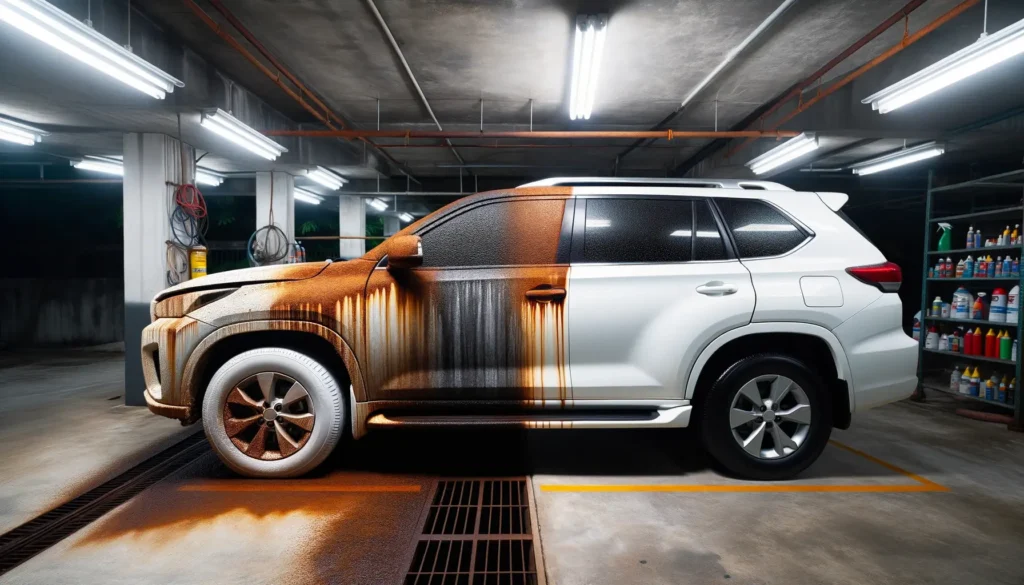
The Benefits of Rust Inhibitor Products for Long-Term Protection
Rust can be a significant problem for SUVs and trucks, as it can compromise the structural integrity of the vehicle and reduce its lifespan. To combat this issue, many vehicle owners turn to rust inhibitor products. These products are specifically designed to prevent rust from forming, offering long-term protection for the vehicle’s exterior.
One of the key benefits of using rust inhibitor products is that they create a protective barrier on the surface of the vehicle, shielding it from moisture and corrosive elements. This barrier helps to prevent rust from forming and spreading, keeping the vehicle in better condition for longer. Additionally, rust inhibitor products often contain special additives that can penetrate and stop existing rust from worsening. This can be beneficial for vehicles that already have signs of rust, as it can slow down the rusting process and potentially prolong the vehicle’s lifespan. Overall, using rust inhibitor products can provide peace of mind for SUV and truck owners, knowing that their vehicles are protected from the damaging effects of rust.
Expert Tips for Preventing Rust in SUVs and Trucks
Regular maintenance is key to preventing rust in SUVs and trucks. One of the most important tips is to routinely clean and wash the vehicle, paying special attention to the undercarriage. This will help remove any dirt, salt, or other debris that can potentially lead to rust formation. Additionally, waxing and sealing the vehicle’s exterior can create a protective barrier against the elements, keeping rust at bay.
Another crucial aspect of preventing rust is choosing the right undercoating. This can provide added protection to the vehicle’s undercarriage, which is particularly vulnerable to rust due to its constant exposure to moisture, road salt, and other corrosive substances. By selecting a high-quality undercoating that is specifically designed for SUVs and trucks, owners can significantly reduce the risk of rust formation and extend the lifespan of their vehicles.
What causes rust in SUVs and trucks?
Rust in SUVs and trucks is caused by a combination of moisture and oxygen coming into contact with metal surfaces, leading to a chemical reaction known as oxidation.
How does rust impact my vehicle?
Rust can severely damage the structural integrity of your SUV or truck, leading to costly repairs and potential safety hazards. It can also negatively affect the resale value of your vehicle.
How can I prevent rust in my SUV or truck?
Regular cleaning and washing, waxing and sealing the vehicle, choosing the right undercoating, using paint protection film, properly maintaining the undercarriage, and promptly identifying and repairing rust spots are all effective methods for preventing rust.
Why is regular cleaning and washing important for rust prevention?
Regular cleaning and washing help remove dirt, debris, and corrosive substances from the vehicle’s surface, preventing moisture from getting trapped and causing rust.
What is the role of waxing and sealing in rust prevention?
Waxing and sealing create a protective barrier on the vehicle’s surface, preventing moisture and oxygen from reaching the metal and reducing the risk of rust formation.
How do I choose the right undercoating for my SUV or truck?
The choice of undercoating depends on various factors such as climate, driving conditions, and personal preference. Consult with an automotive professional to determine the best undercoating option for your specific vehicle.
How can paint protection film prevent rust?
Paint protection film acts as a shield against chips, scratches, and environmental elements, including moisture, which can cause rust. It helps preserve the paint and prevent rust from forming.
What should I do to properly maintain the undercarriage of my vehicle?
Regularly inspect the undercarriage for signs of damage or rust, clean it thoroughly, and consider applying a protective coating or rust inhibitor specifically designed for the undercarriage.
How can I identify and repair rust spots on my SUV or truck?
Inspect your vehicle regularly for any signs of rust, such as bubbling paint or discolored areas. If you notice rust spots, it is crucial to remove the rust, repair the affected area, and apply touch-up paint or a rust inhibitor.
What are the benefits of rust inhibitor products for long-term protection?
Rust inhibitor products create a protective barrier on metal surfaces, preventing moisture and oxygen from causing rust. They offer long-term protection and help prolong the lifespan of your vehicle.
Any additional expert tips for preventing rust in SUVs and trucks?
Yes, make sure to keep your vehicle’s drainage holes clear, avoid driving in harsh conditions when possible, and apply a rust inhibitor product annually for optimal protection against rust.